
LESSON 6 · Patterns in Nature
Fibonacci Grows Everything
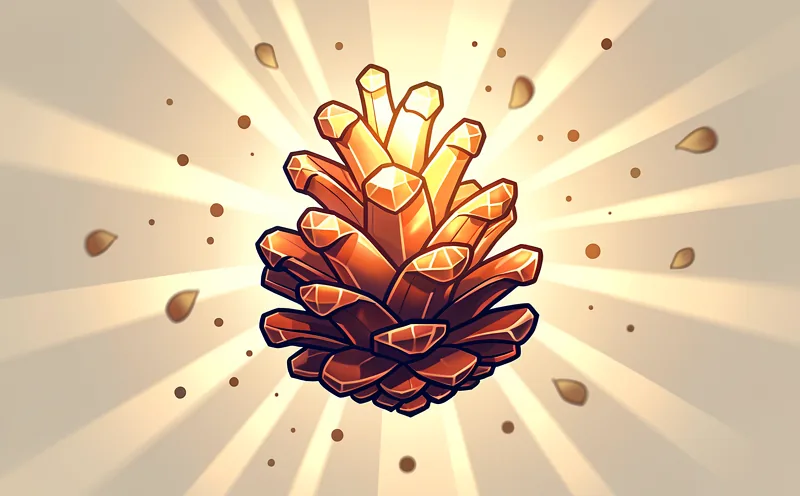
The Fibonacci sequence — 1, 1, 2, 3, 5, 8, 13, 21 — appears in pinecones, sunflower seed spirals, the florets of Romanesco broccoli, and branching trees. (One famous "example," the nautilus shell, is actually a myth: it is a logarithmic spiral, but measured shells expand by only about 1.3 per turn, not the golden ratio's 1.618.) The ratio between consecutive terms converges to the golden ratio (phi, approximately 1.618), which shows up in art, architecture, and the proportions humans find pleasing.
Beyond biology, the same sequence drives human choices. Stock traders watch Fibonacci retracement levels as psychological support, designers reach for the golden ratio to lay out logos and pages, and even camera viewfinders use a related grid to frame a balanced shot. One rule, written into both nature and the things we build.