
LESSON 8 · The Secret Life of Numbers
The First Calculators
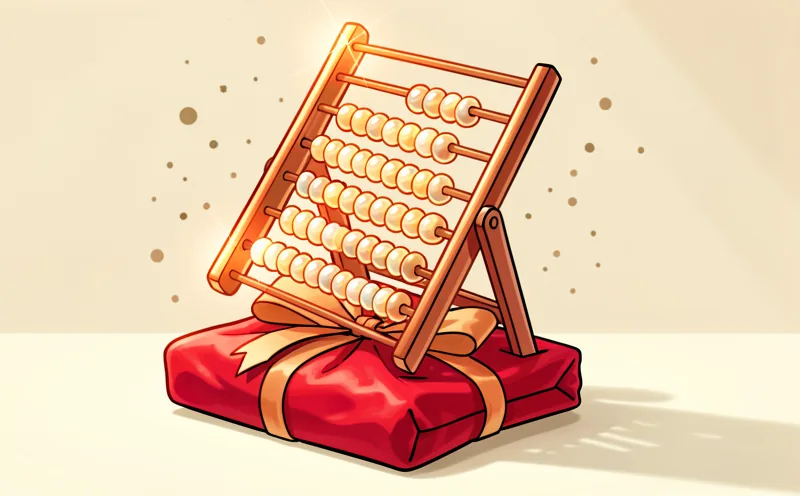
Writing numbers is one thing; computing with them is another. For thousands of years the answer was the abacus — a frame of beads that let merchants add and subtract faster than any written method of the time.
Versions appeared across the ancient world, from Mesopotamia to Rome to China. The clever part is that an abacus is itself a place-value machine: each rod or column stands for a different power of ten. People used the idea in their hands long before written numerals fully caught up to it.
The universality of Hindu-Arabic numerals is remarkable. A number written in Tokyo, Nairobi, or Buenos Aires looks the same — 42 means 42 everywhere. This shared notation is one of the few truly global languages, enabling science, trade, and technology to cross every cultural boundary.