
LESSON 4 · Ecosystems: How Nature Balances
Bleaching and Death
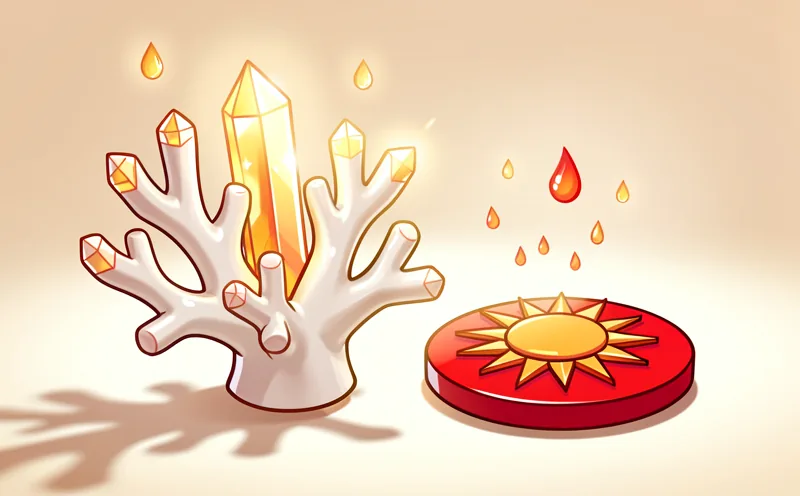
When ocean temperatures rise just one to two degrees Celsius above the summer maximum, corals expel their zooxanthellae algae — the source of both their color and their food. The white skeleton shows through, which is why this is called coral bleaching. If temperatures fall back quickly, corals can recover. If the warm water persists, the coral starves and dies.
Bleaching is not the only threat. Ocean acidification makes it harder for corals to build calcium carbonate skeletons, while existing structures dissolve faster. Warming and acidification attack reefs from both directions simultaneously.