
LESSON 1 · Art vs Power: The Reformation
The Great Purge
In the 1520s and 1530s, waves of iconoclasm swept through Northern Europe. Reformers of the Reformed wing — first Andreas Karlstadt, then Huldrych Zwingli and later John Calvin — drove campaigns against churches, smashing stained glass, toppling statues, and whitewashing medieval frescoes. They argued that religious images violated the Second Commandment, which forbids making and bowing to graven images. Martin Luther, by contrast, opposed the destruction: he preached against Karlstadt's image-smashing in Wittenberg and defended images as teaching aids, so Lutheran churches largely kept their crucifixes and altarpieces. In Zurich, Huldrych Zwingli ordered the systematic removal of all images from churches in 1524.
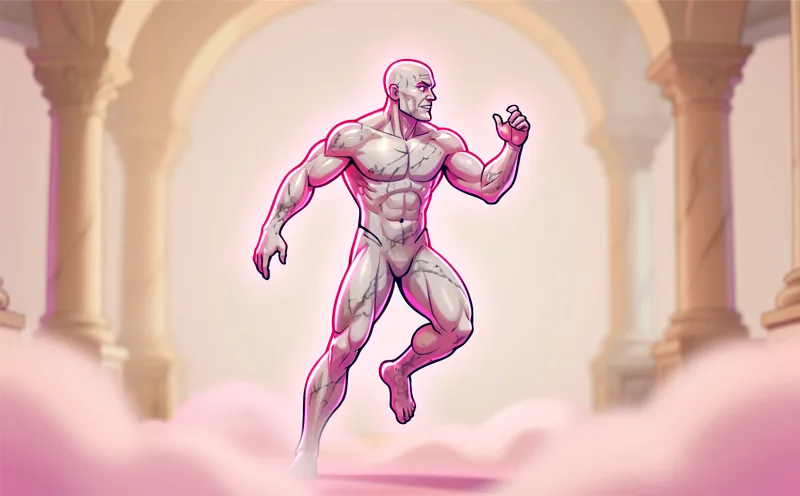
Protestant reformers demanded that churches strip away religious imagery they considered idolatrous. In some cities, mobs smashed stained glass, whitewashed frescoes, and burned altarpieces. Centuries of artistic achievement vanished in weeks of religious fervor.