
LESSON 6 · Art of the Ancient World
From Stiff to Alive
Around 600 BCE, the Greeks carved young men called kouroi — and they look frozen. Arms pinned to the sides, both feet flat, one leg pushed forward like a soldier mid-march, and a blank "archaic smile" stuck on every face.
The pose was borrowed straight from Egyptian statues. For a century, a Greek figure and an Egyptian one could pass for cousins.
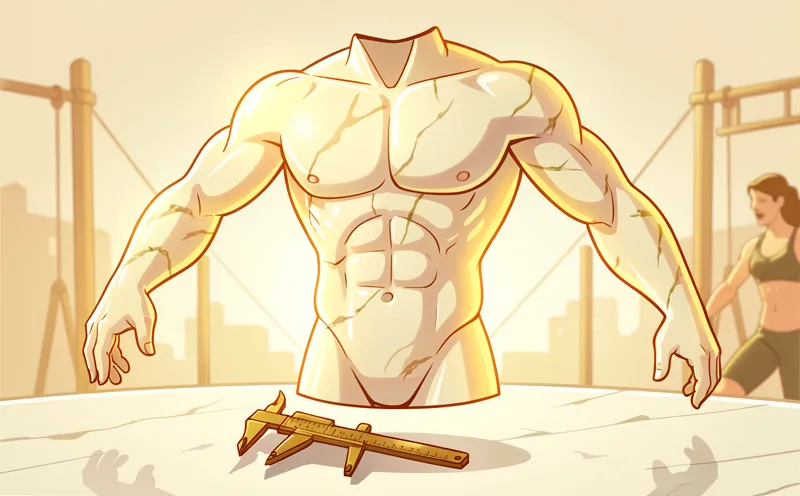
Then a small change broke the spell. Around 480 BCE, sculptors let a figure rest its weight on one leg and relax the other. This is contrapposto.
Watch what it does: the hip on the weight-bearing side rises, the opposite shoulder drops, and a gentle S-curve runs up the spine. The statue stops standing at attention and starts standing — the way a real person waits in line. A whole body now reads as alive, from one shifted leg.