
LESSON 1 · Art at the Edge: Early 1900s
Total Beauty
Art Nouveau (c. 1890-1910) rejected the idea that art and daily life should be separate. Its practitioners designed everything — buildings, furniture, jewelry, posters, textiles, silverware — in a unified organic style inspired by natural forms: flowers, vines, insects, and flowing water. The goal was to make the entire built environment beautiful.
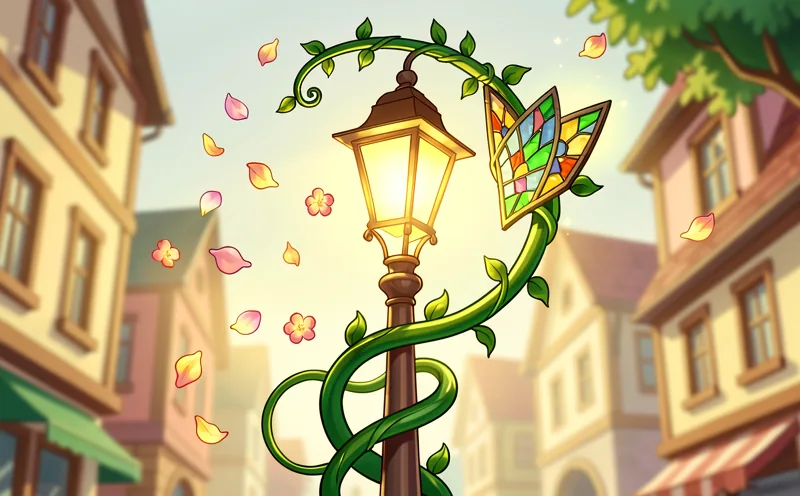
The style went by different names across Europe: Jugendstil in Germany, Stile Liberty in Italy, Modernisme in Catalonia. Despite the names, the aesthetic was consistent: sinuous curves, asymmetric compositions, and the elimination of straight lines wherever nature didn't use them.