1.1kShare
Art
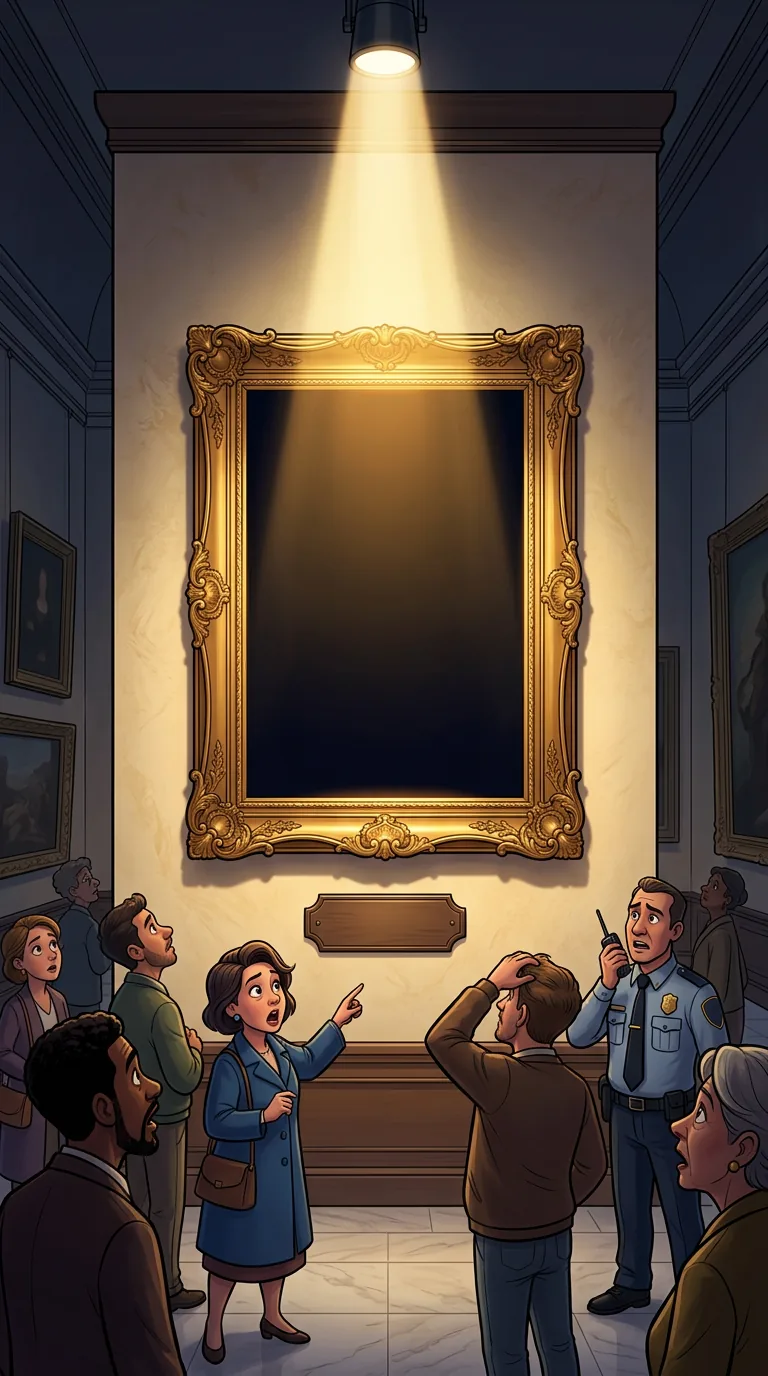
The Mona Lisa was almost forgotten until it was stolen in 1911.
Before the theft, it was a respected but unremarkable Renaissance portrait. Two years missing turned it into global news — and the most famous painting on Earth.

NOW WATCHING
Art · Facts
Before the theft, it was a respected but unremarkable Renaissance portrait. Two years missing turned it into global news — and the most famous painting on Earth.
 Swipe up or down to explore more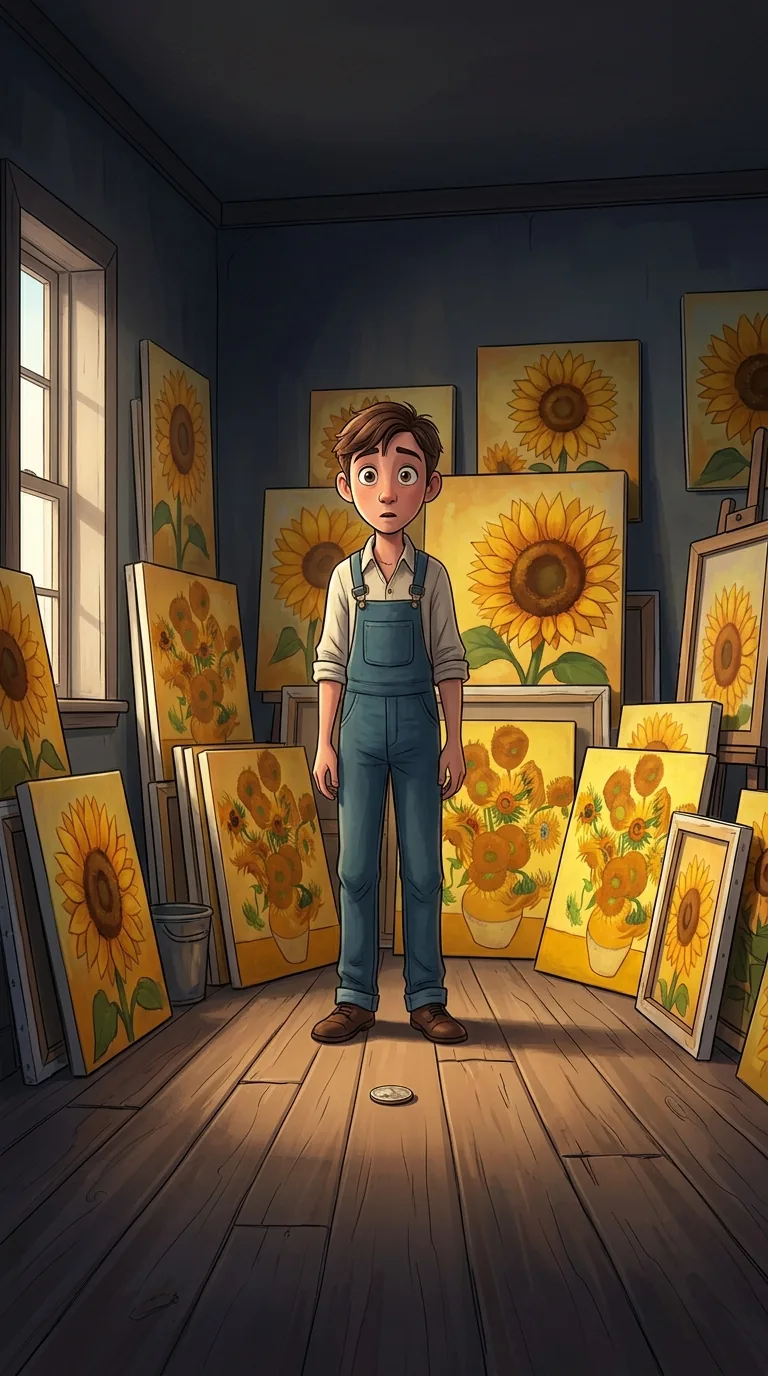
He produced over 2,100 works and lived in poverty supported by his brother. The 'Sunflowers' that sold for $40 million in 1987 was painted by a man no gallery would show.
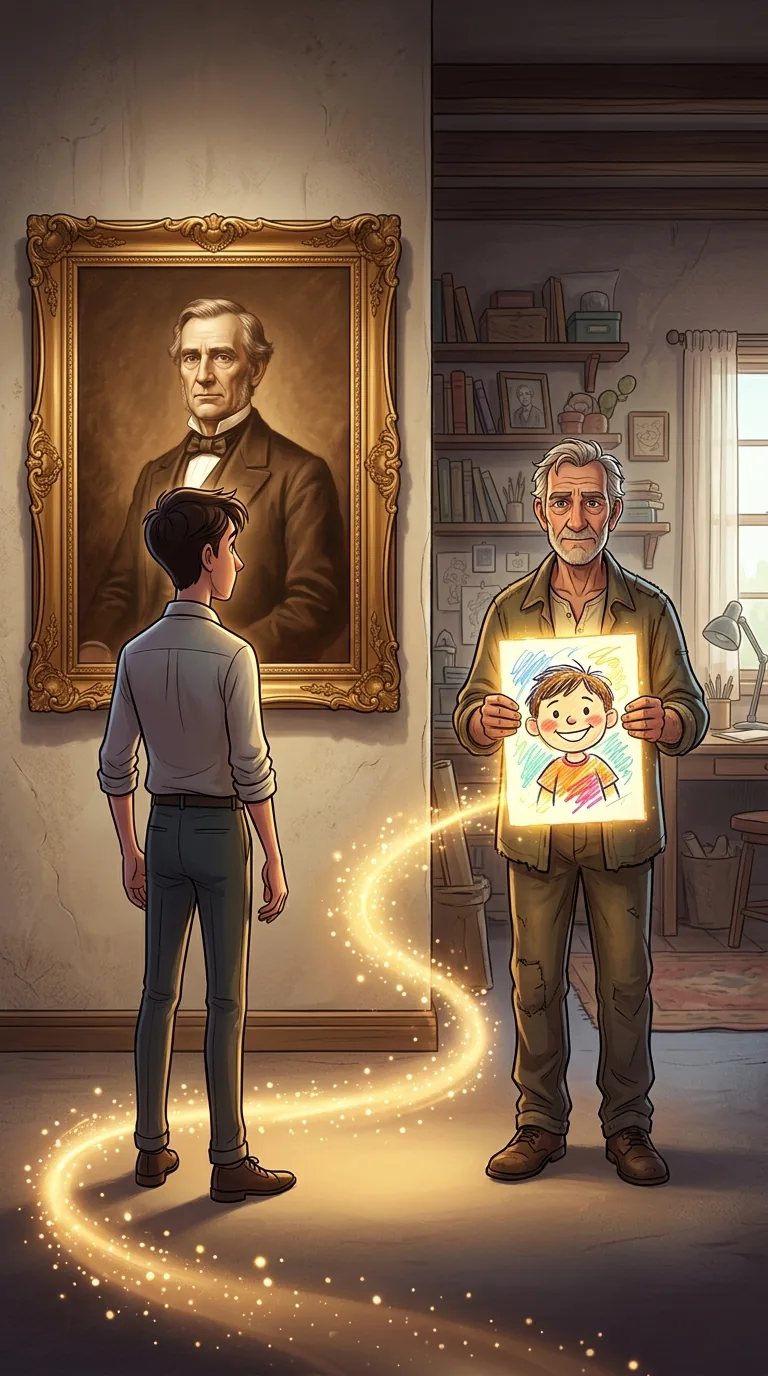
His early academic portraits stunned teachers. Picasso believed unlearning trained perception — to see the way children do — was the harder, more important skill.
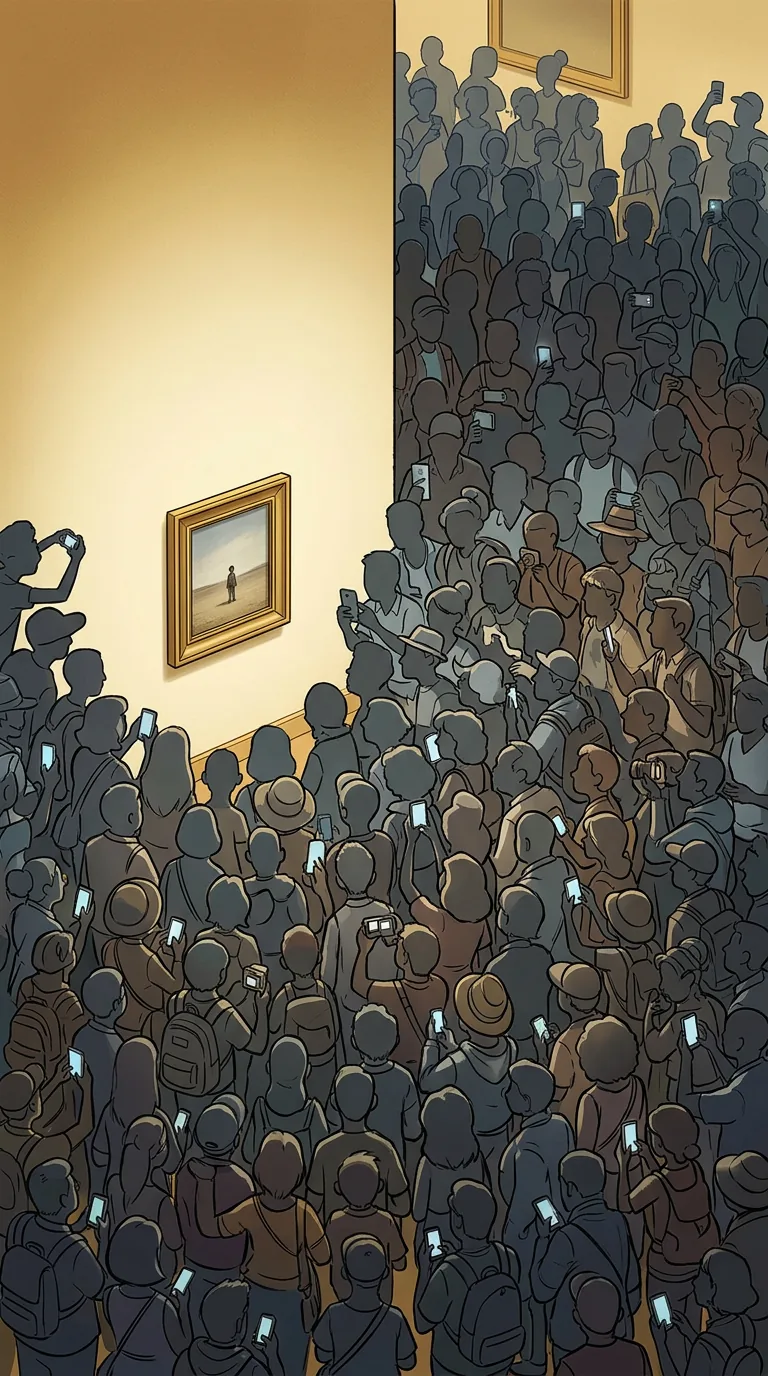
Reproductions and reverence inflate scale in memory. Tourists routinely describe shock at finding her smaller than a laptop screen behind bulletproof glass.
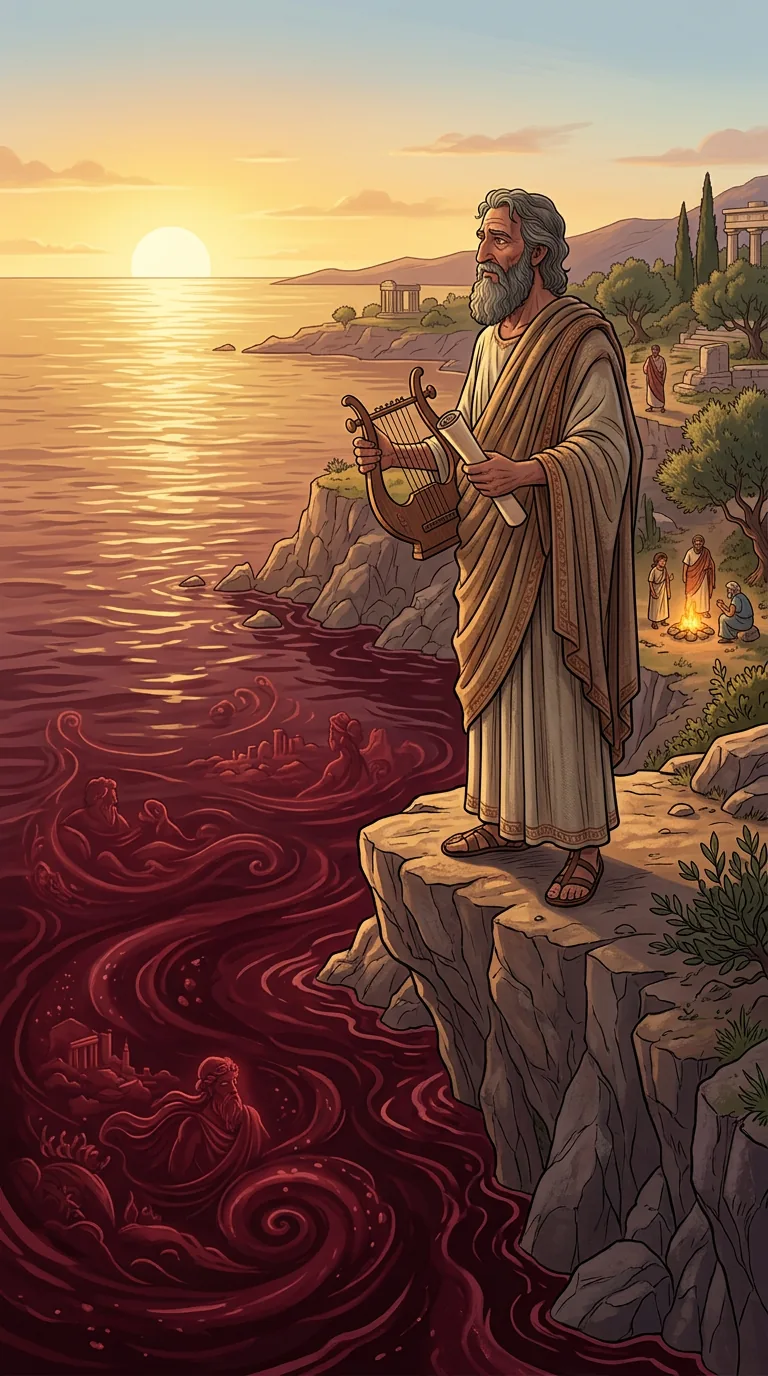
Homer's sea is 'wine-dark'. The Bible never names blue. Linguists find blue appears late across cultures — possibly because there are no naturally blue foods or animals to point at.
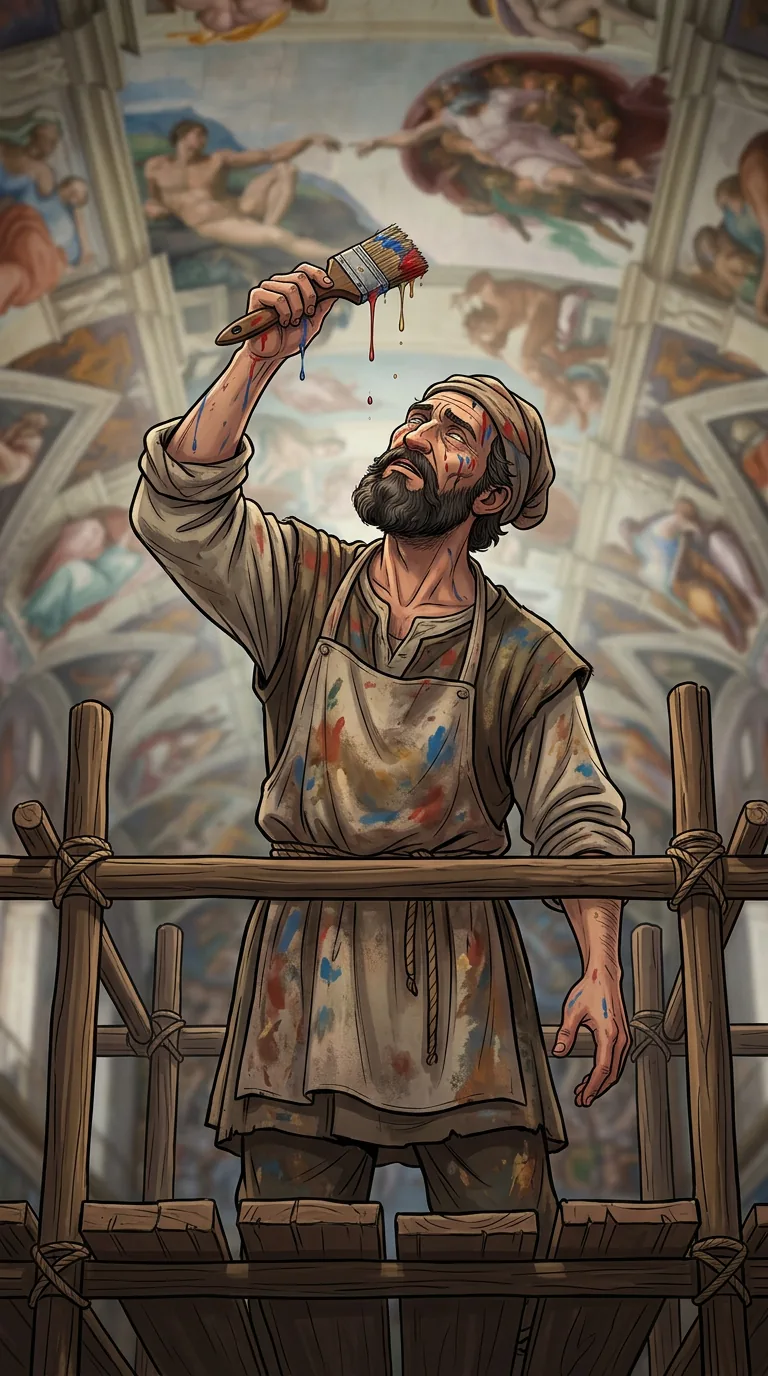
The "lying down" myth comes from a 1965 movie. He actually stood on scaffolds with his head tilted back for four years — paint dripped in his eyes and he wrote a poem about how the work was destroying his body.

Atmospheric scientists matched Munch's diary entry — "the sky became blood" — to the 1883 volcanic dust that turned European sunsets crimson for months. His scream was a real sky he walked under.
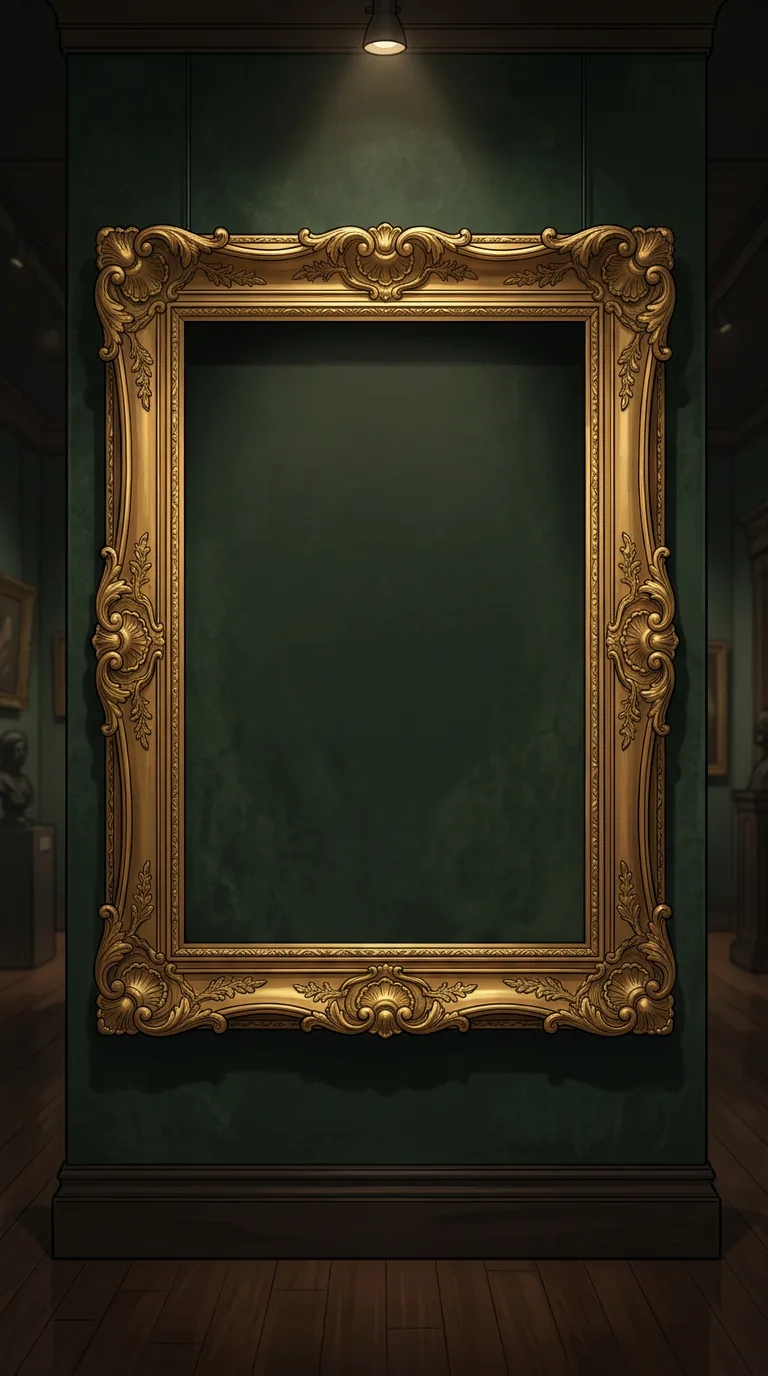
He painted slowly, died poor, and left fewer works than most artists make in a year. The Gardner Museum still keeps an empty frame on the wall where his "Concert" hung before thieves cut it out.
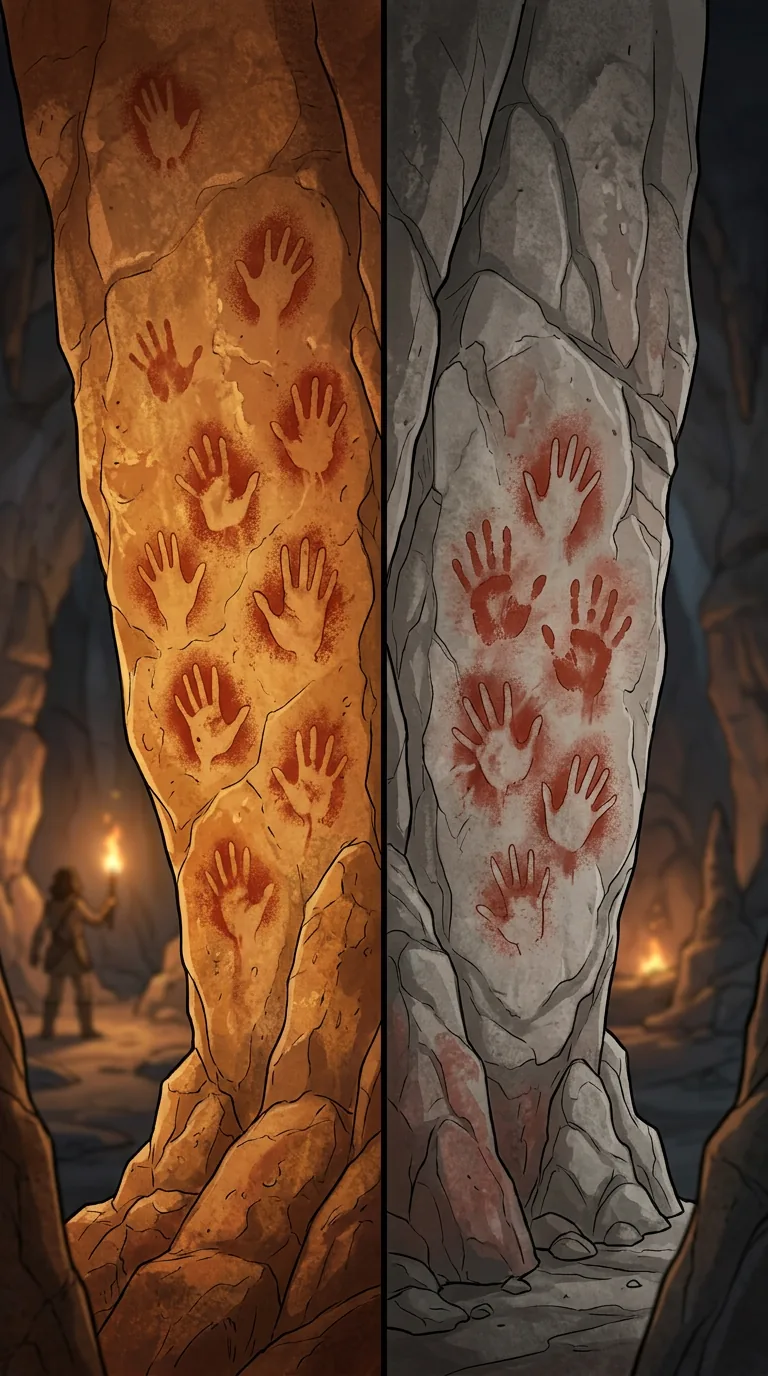
Identical pigments appear in caves from Spain to Indonesia to Australia. Either every early human independently chose iron-rich red earth — or the urge to mark walls is older than the migrations themselves.
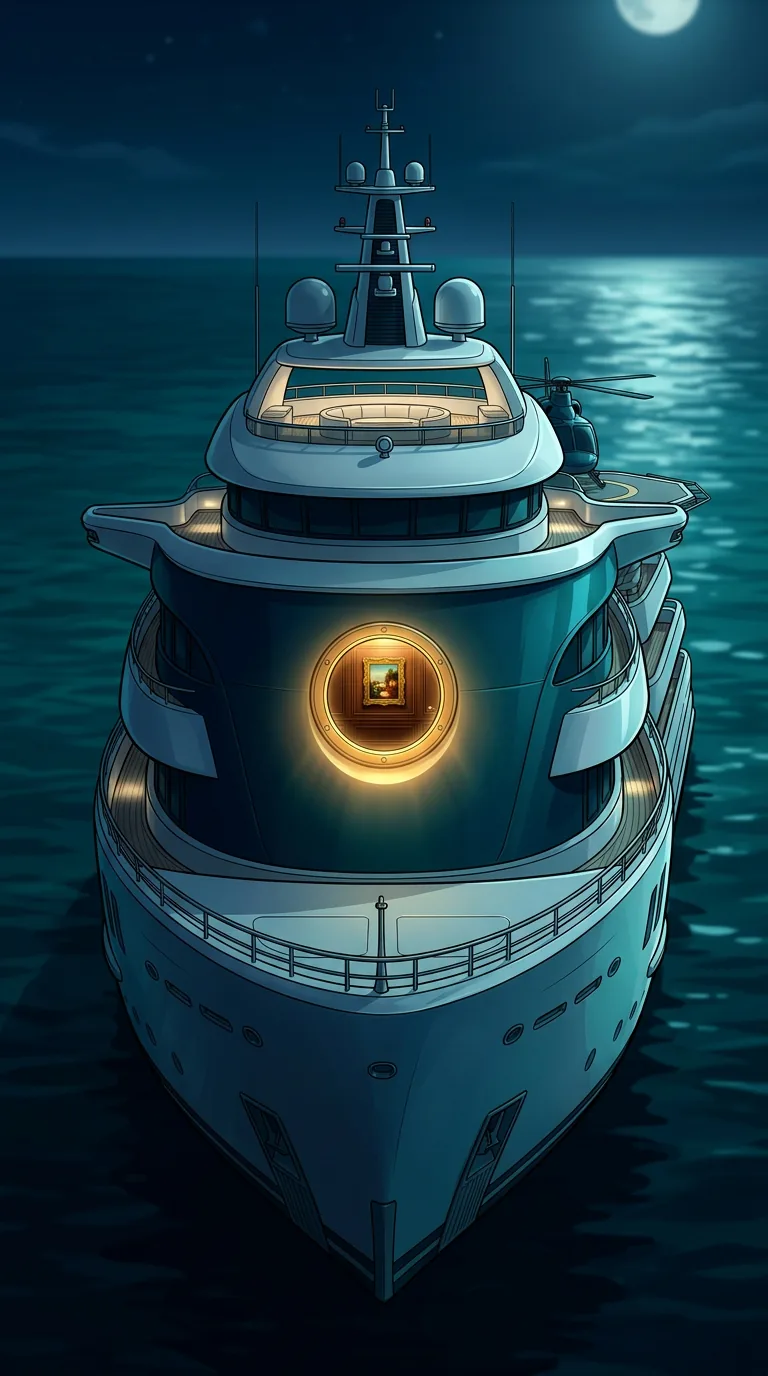
"Salvator Mundi" — possibly by Leonardo — sold for $450 million and vanished. Scholars now openly debate if it's even authentic. The world's priciest artwork no one can prove is real or fake.
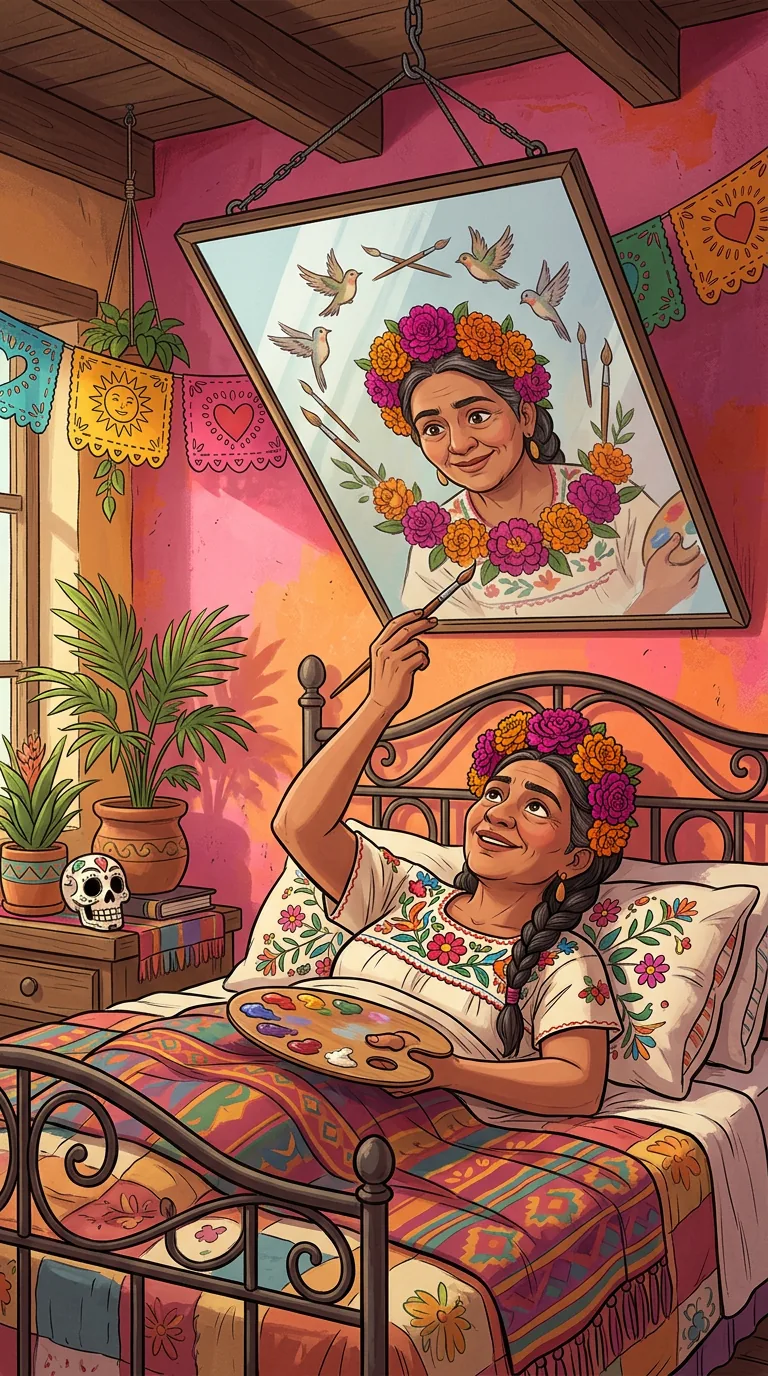
A streetcar accident at 18 left her in chronic pain for life. Her mother rigged a mirror above her bed so she could paint lying down. The body that couldn't move became the only subject she trusted.
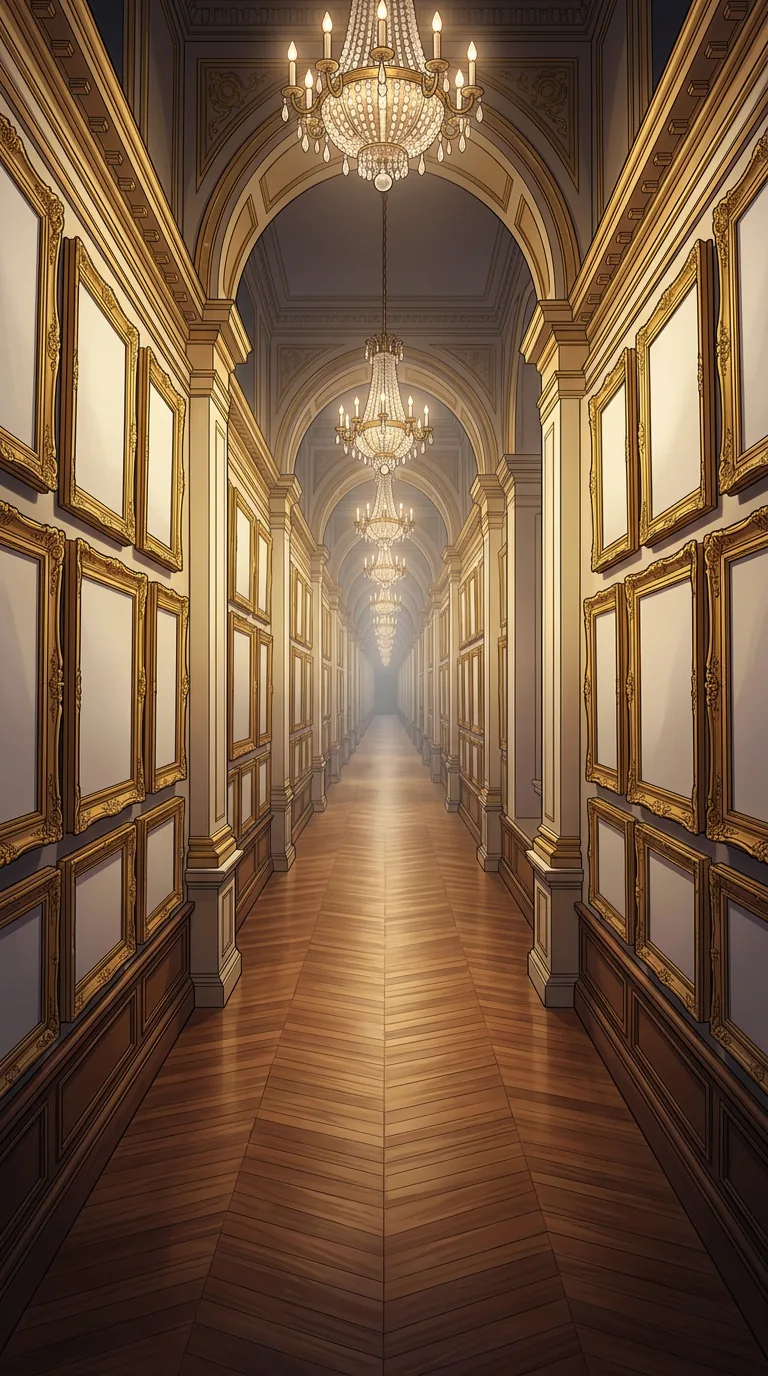
The collection holds over 480,000 objects. Most tourists "do" the Louvre in 2 hours and see 0.04% of it. The Mona Lisa room is the only stop for 80% of visitors.
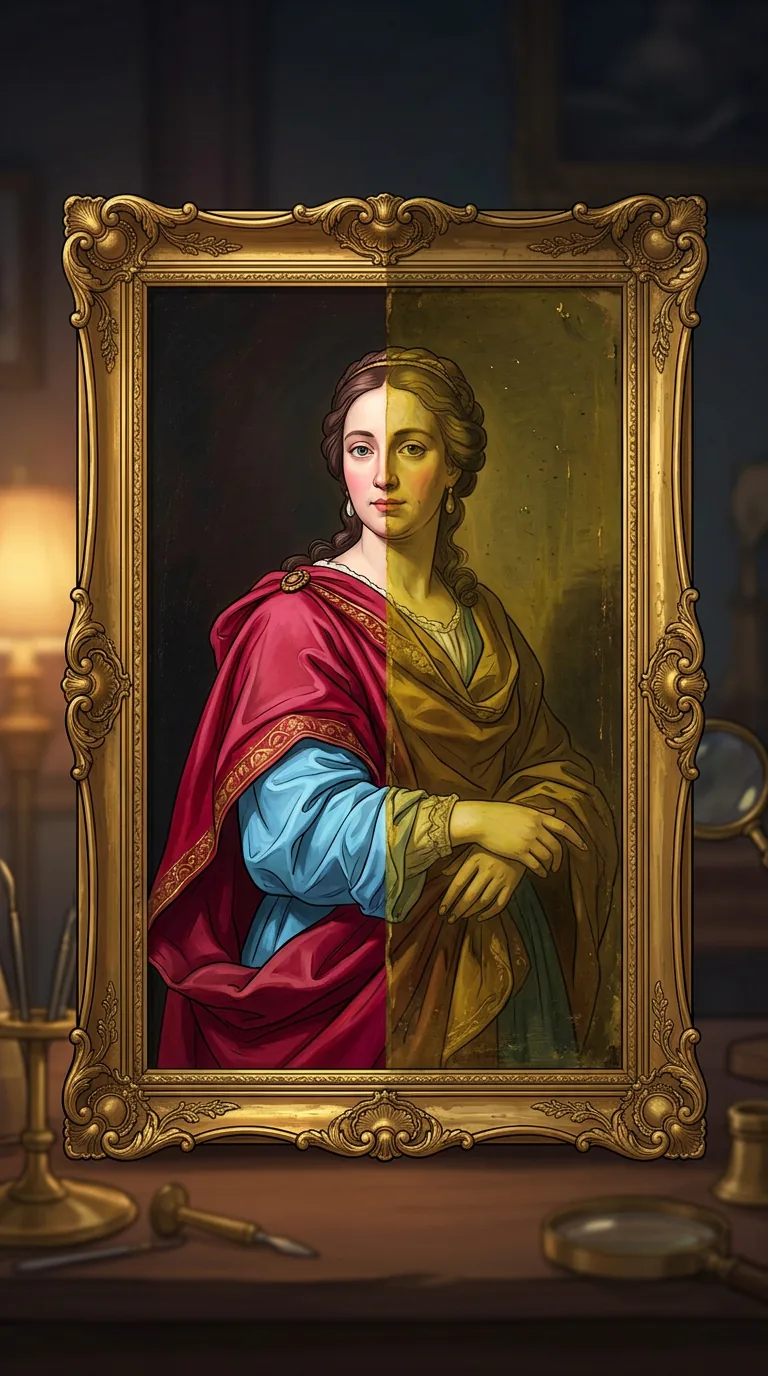
Linseed oil oxidizes for centuries after drying. Whites become cream, blues become green. The Sistine Chapel restoration in the 1990s revealed Michelangelo's actual colors were shockingly bright.
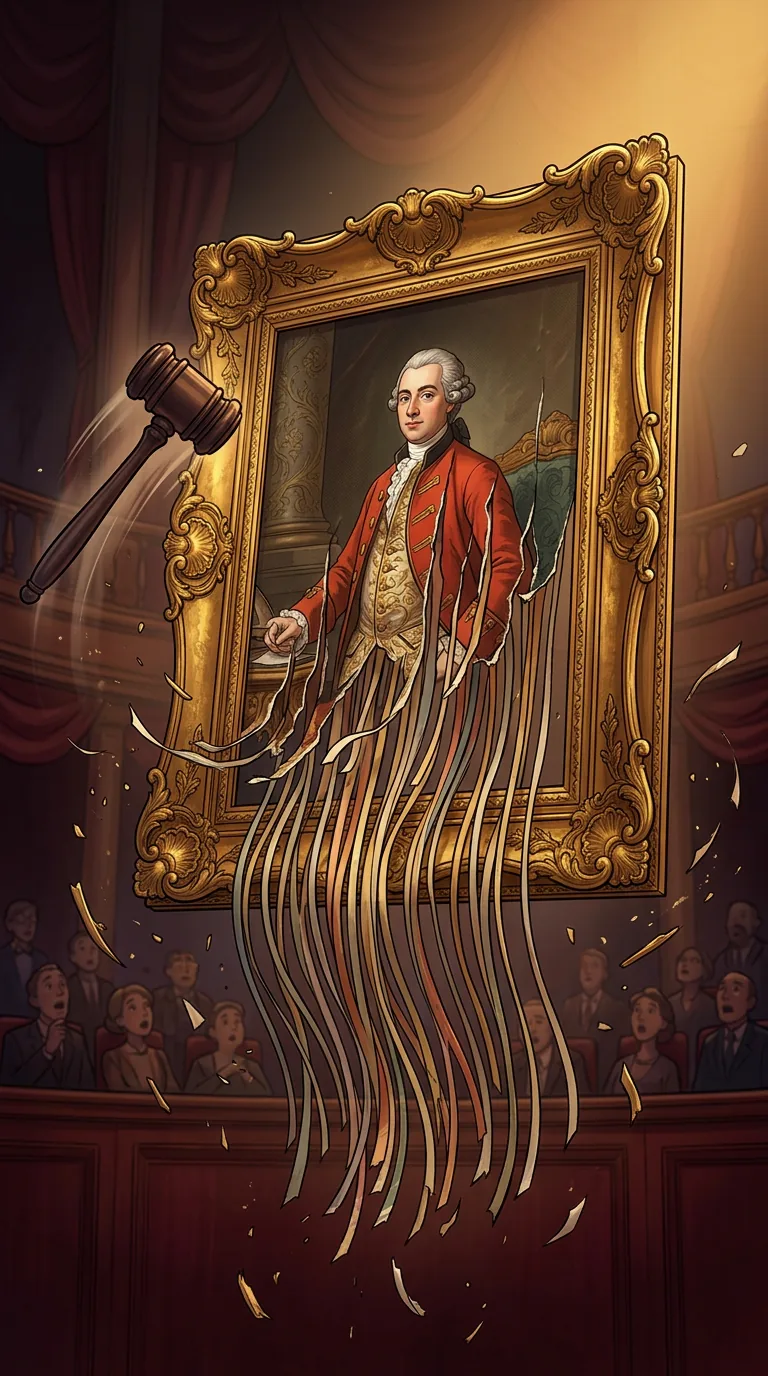
A hidden mechanism in the frame activated as the gavel dropped. The half-destroyed canvas was renamed "Love Is in the Bin" — and resold three years later for $25.4 million. The shredding made it worth 18× more.
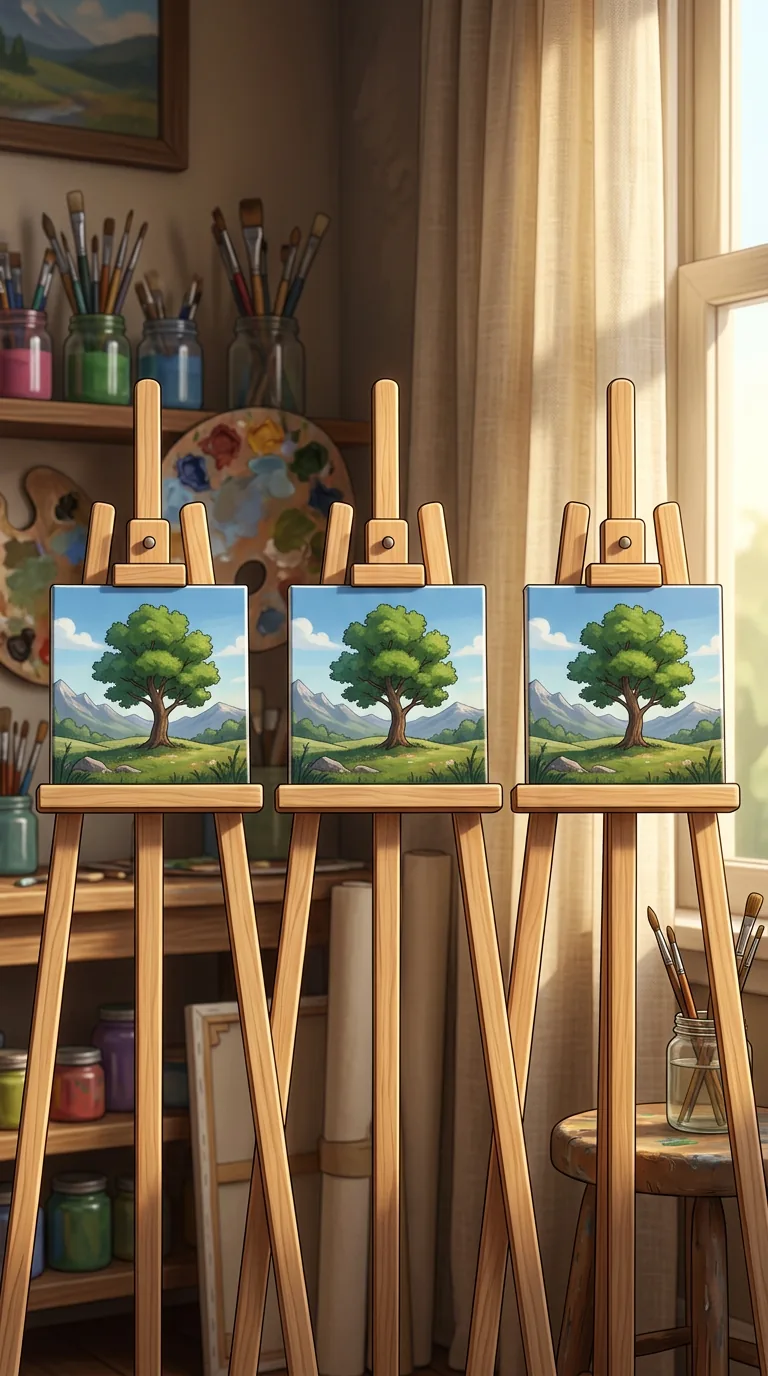
One before the show as reference, one on camera in 30 minutes, and a detailed third version for the instructional book. The PBS warehouse still holds over 1,000 of them — and Bob Ross Inc. refuses to sell any.
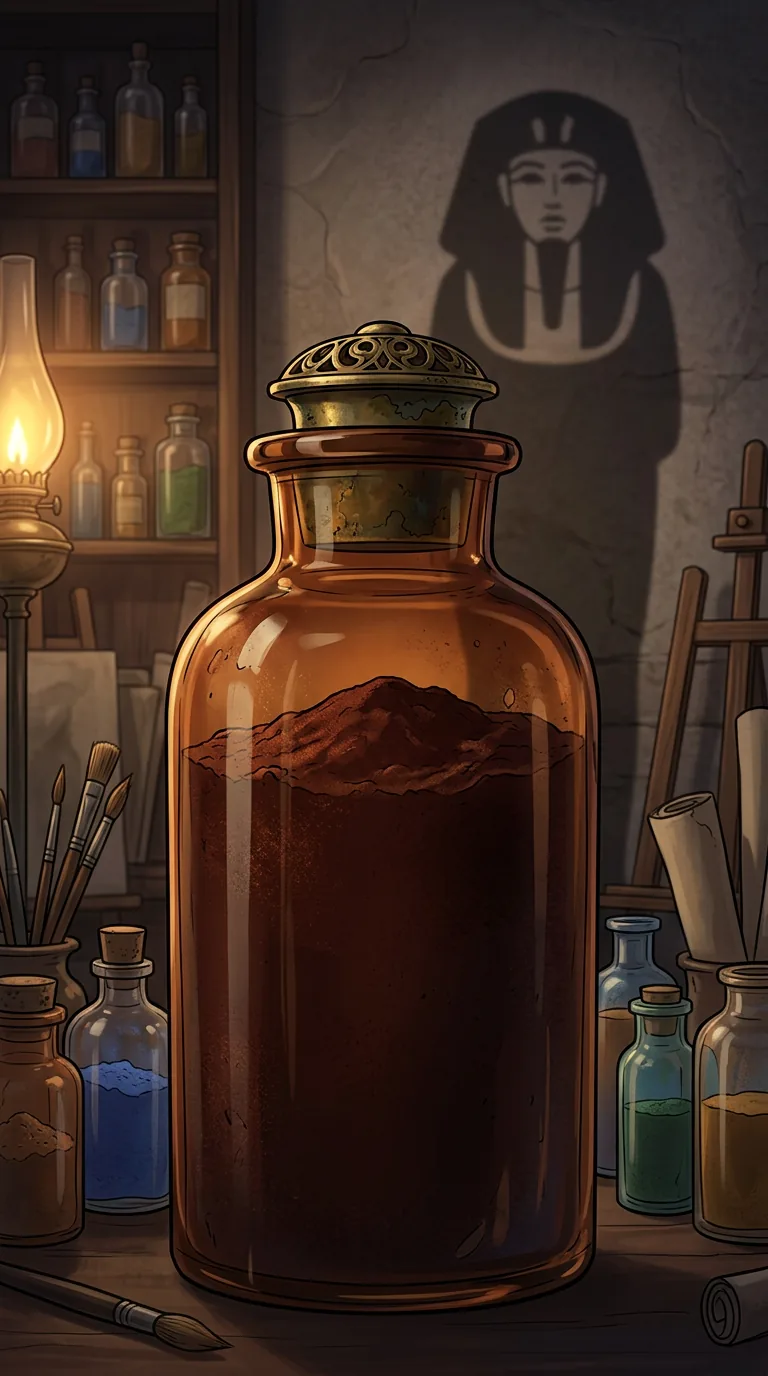
Pre-Raphaelite painters used it for warm flesh tones for over 300 years. Supply ran out — the manufacturer announced in 1964 they simply "had no more mummies." Some Victorian masterpieces are partly made of people.

The merchant Francesco del Giocondo paid for a portrait of his wife and never received it. Leonardo carried the painting through France until his death — kept retouching it in private for the rest of his life.
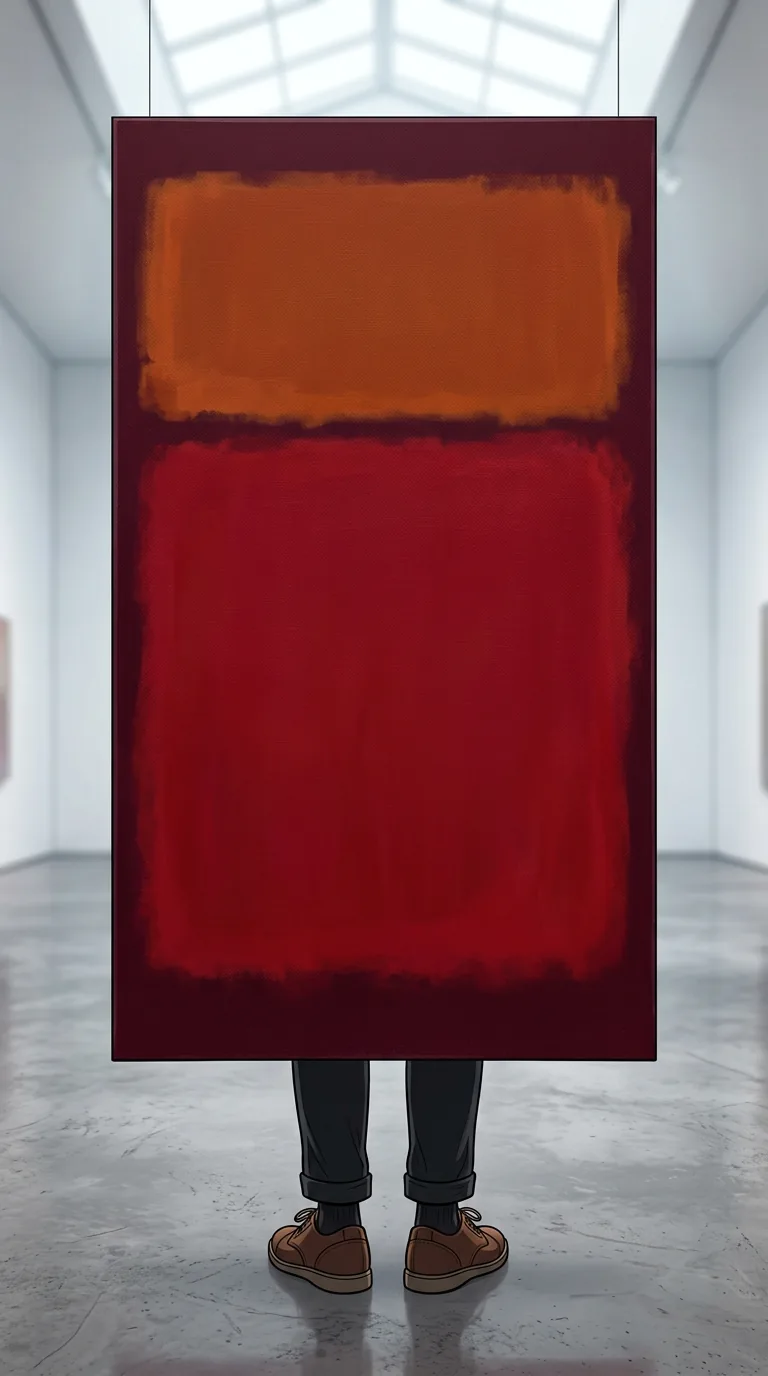
He wanted viewers to feel swallowed by the color, not look at it from polite distance. Museums that ignore this hang them at eye level — and curators say the paintings genuinely feel different at the height he chose.
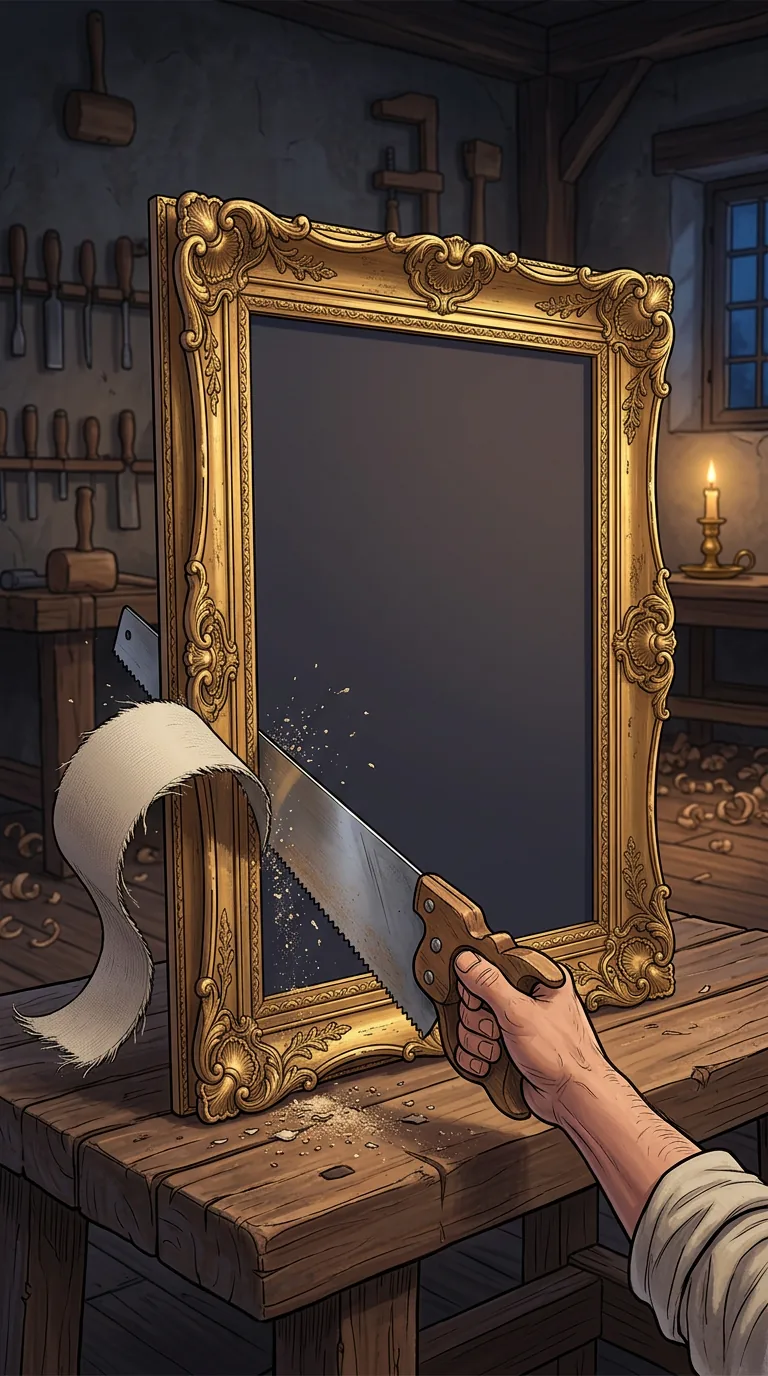
Two figures on the left were lost forever. A 17th-century copy is the only record of what the full composition looked like. The world's most famous group portrait is permanently incomplete.

The Great Wave was made when he was 70. He died at 88 still trying to improve — his last words reportedly asked the gods for "just five more years" to learn to paint properly.
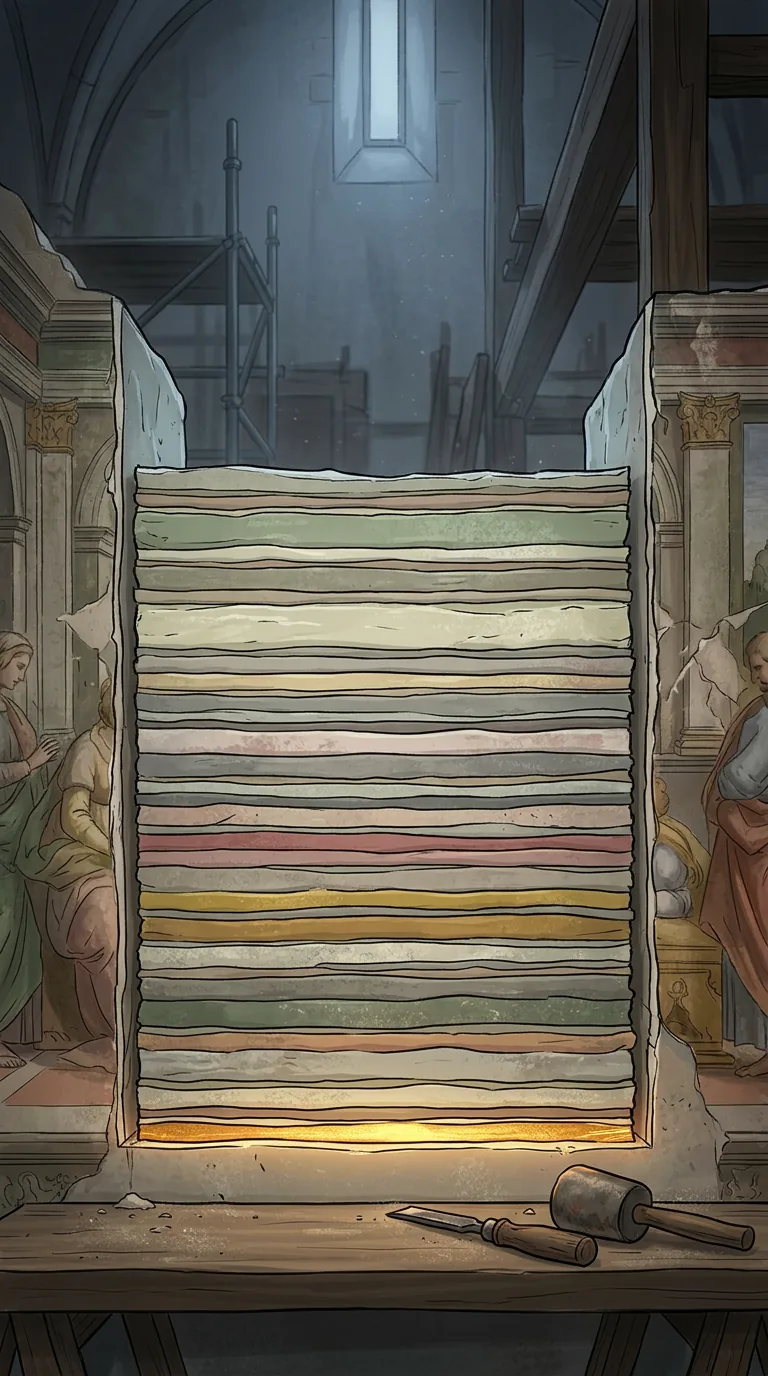
Leonardo experimented with a new dry-wall technique instead of true fresco. It failed. The masterpiece has been restored so many times that experts argue only a small percentage of paint is still his.
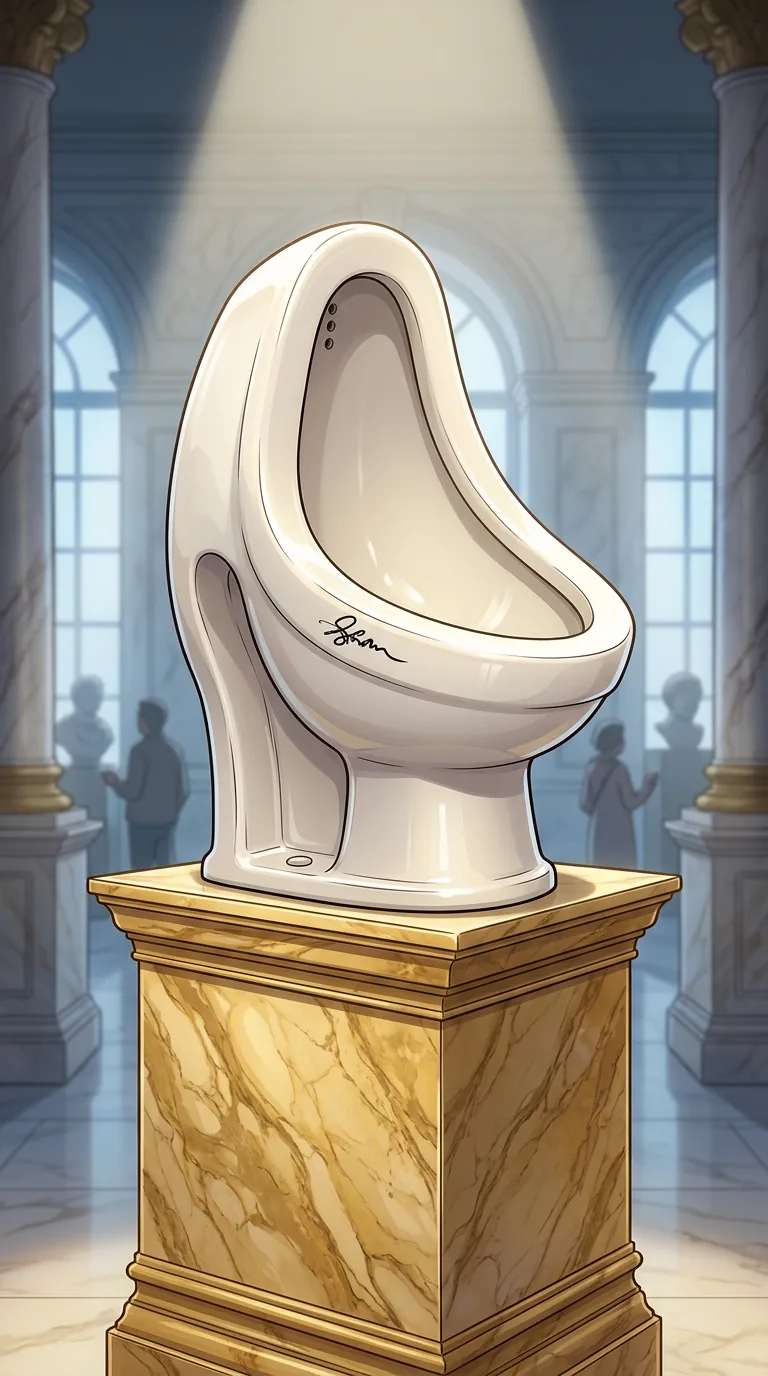
Duchamp submitted a factory toilet to an art show — it was rejected, then declared revolutionary. Critics polled in 2004 named it the most important modern artwork. The original was thrown out as garbage.
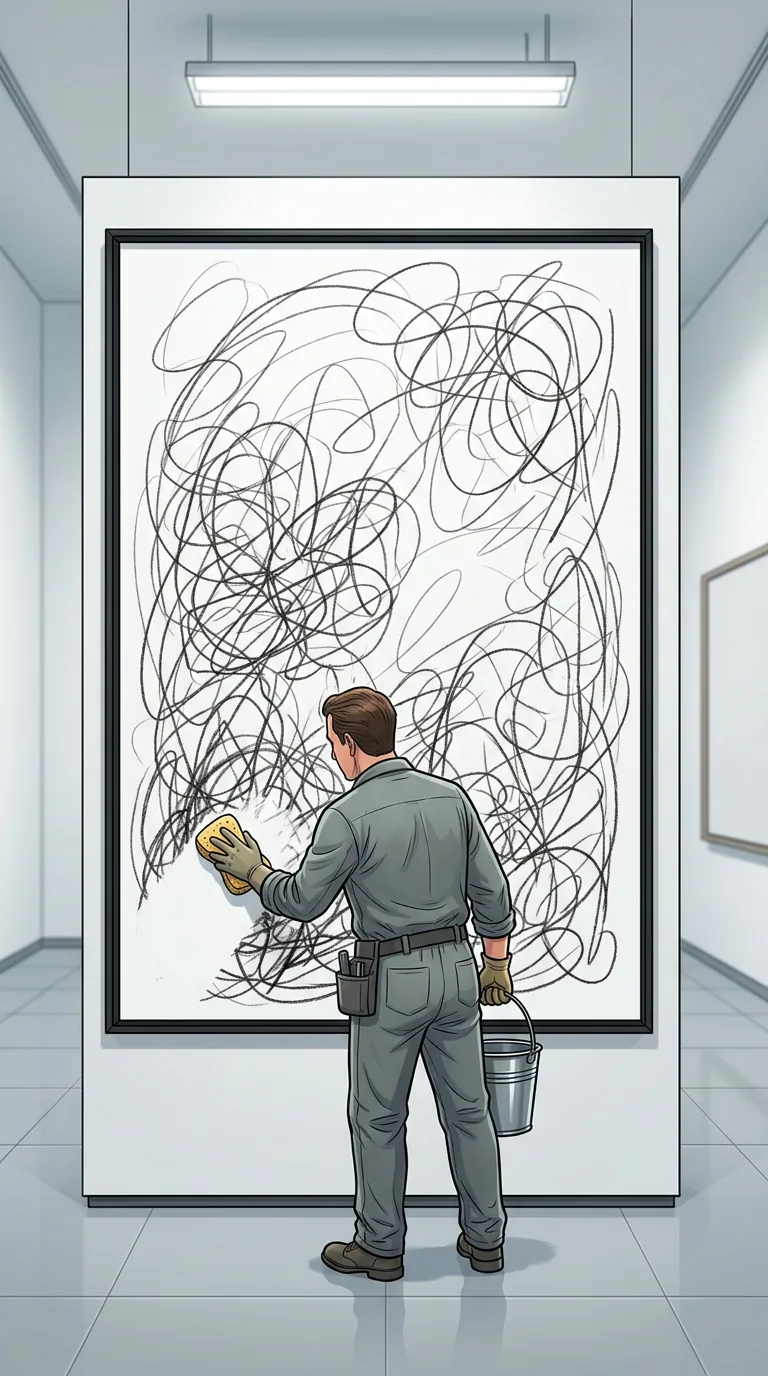
His abstract scribbles routinely sell for $50–70 million. More than one museum visitor has been mistaken for the artist, or mistaken his work for graffiti. One Twombly was kissed by a viewer, leaving permanent lipstick.
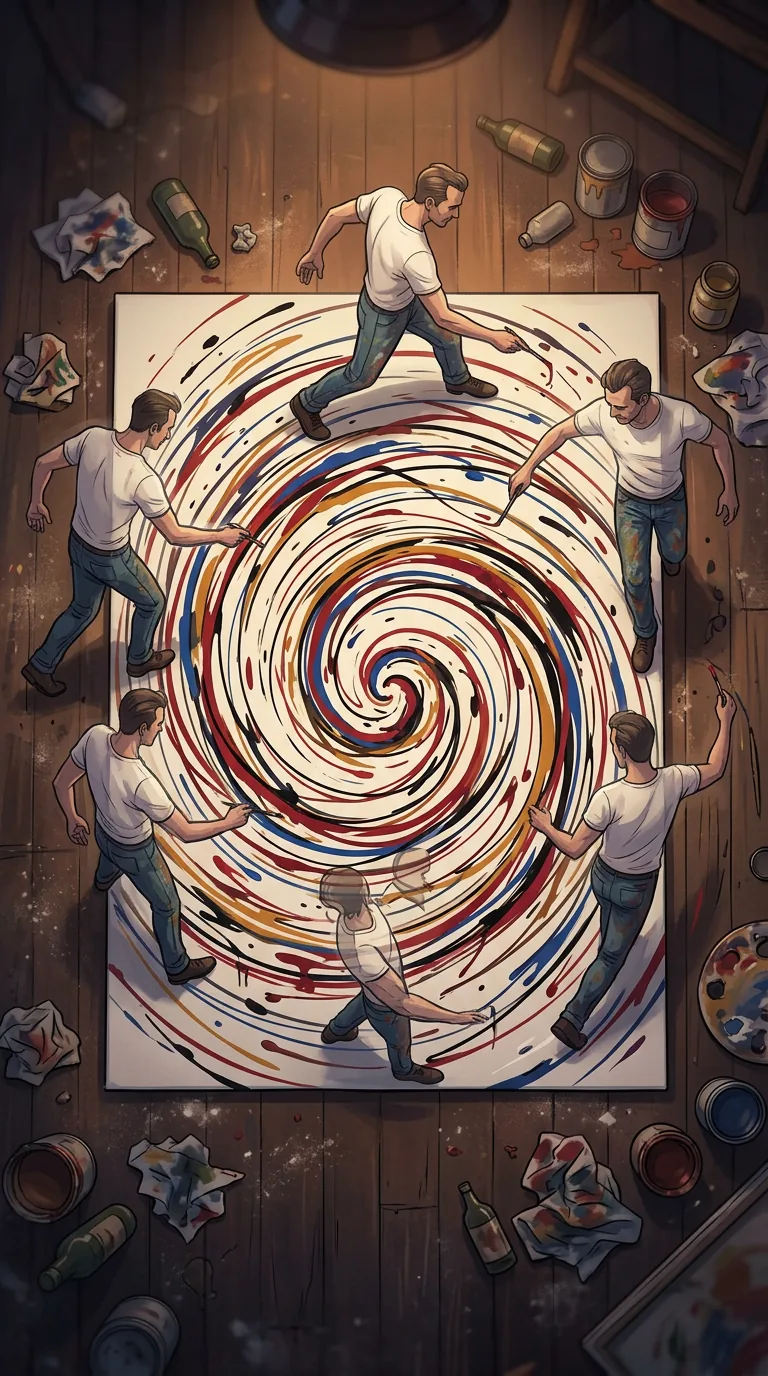
Photographers filmed him circling the canvas like a dancer. He insisted there was nothing accidental — every flick was placed. Critics still argue whether speed equals carelessness or pure instinct.

A small ivory carving found in the Czech Republic depicts an individual face — not a generic figure. Long before writing, before agriculture, someone made art to remember one specific person.