3.5kShare
Astronomy
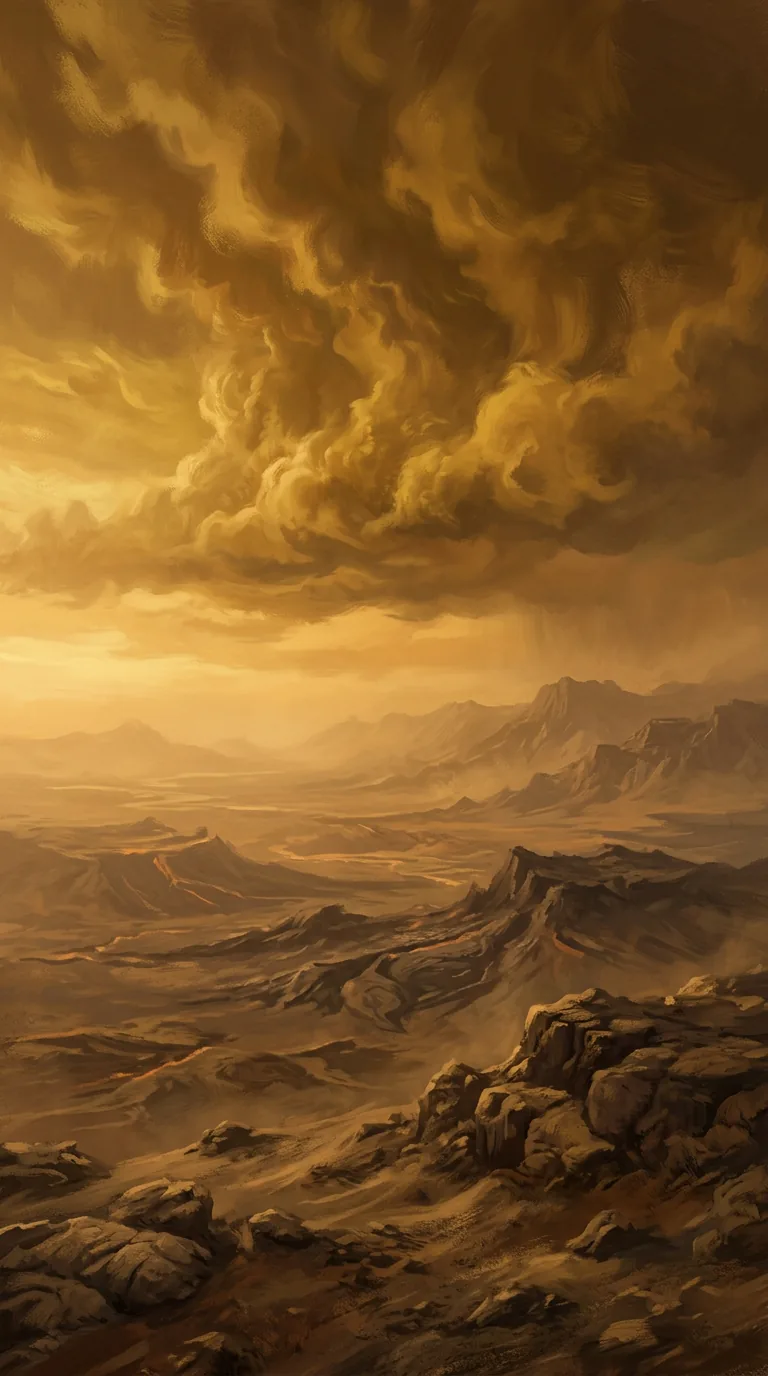
On Venus, a single day is longer than a whole year.
Venus rotates so slowly that 243 Earth days pass before the sun rises again — longer than its 225-day year.

NOW WATCHING
Astronomy · Facts
Venus rotates so slowly that 243 Earth days pass before the sun rises again — longer than its 225-day year.
 Swipe up or down to explore more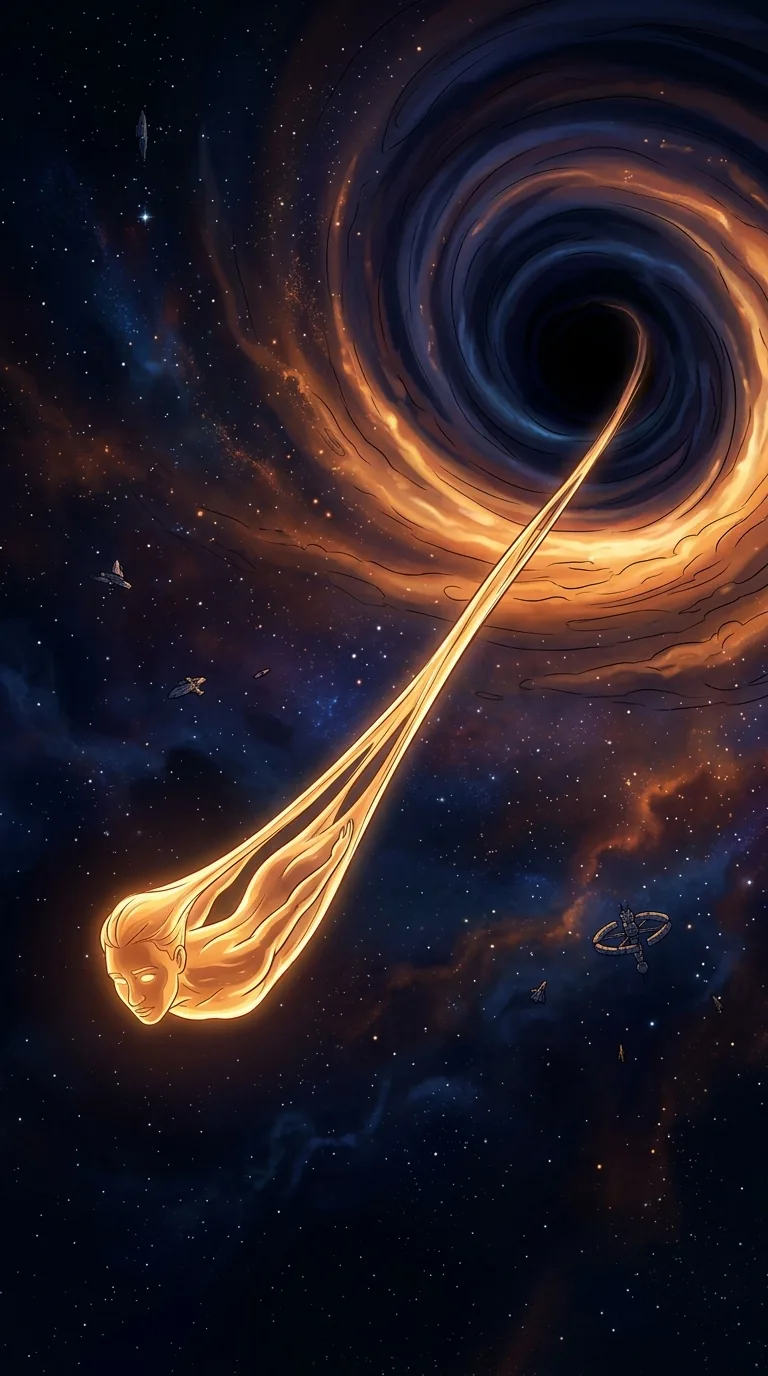
Gravity at your feet would exceed gravity at your head so violently that you'd be pulled into a thread. The official scientific term really is 'spaghettification'.
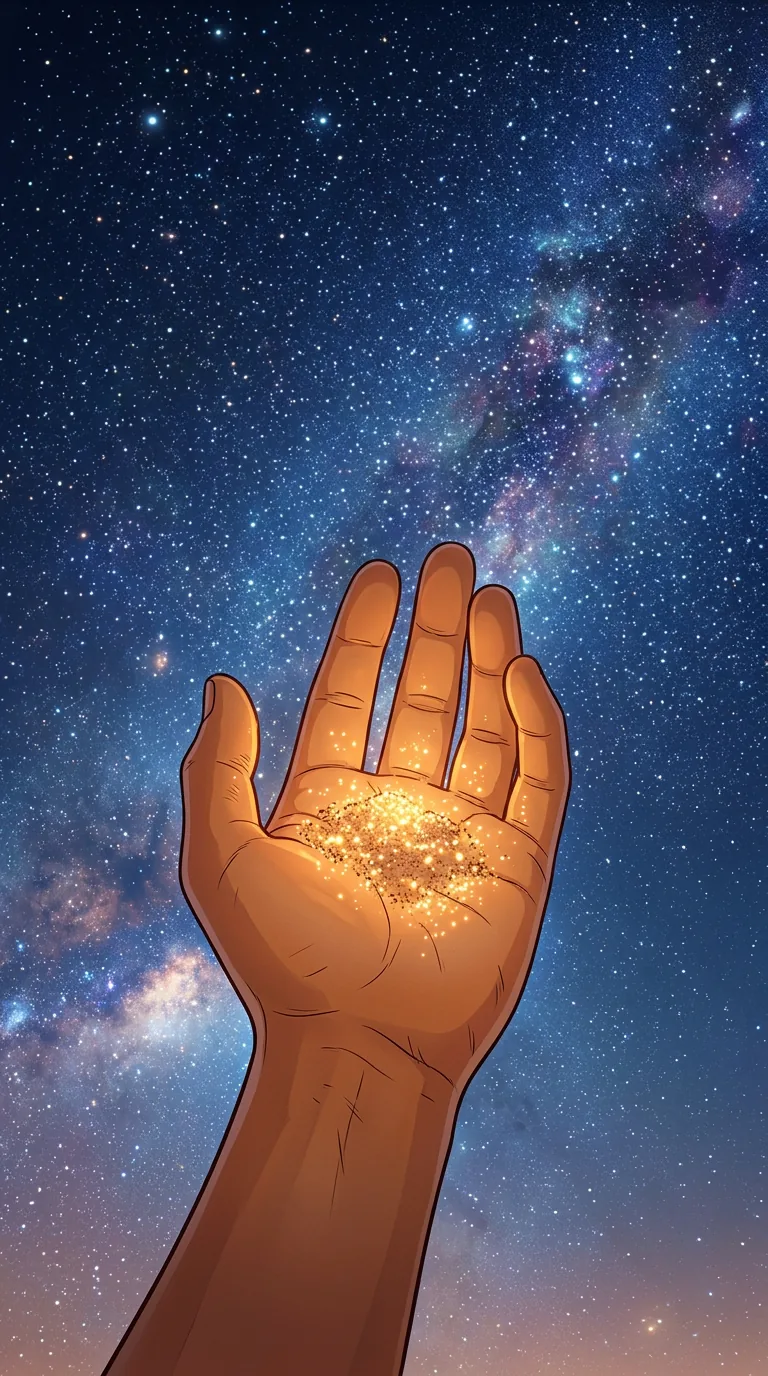
Estimates put visible stars at 10²² — about 10,000× more than all the sand grains on every shore combined. And visible is a tiny fraction of what actually exists.
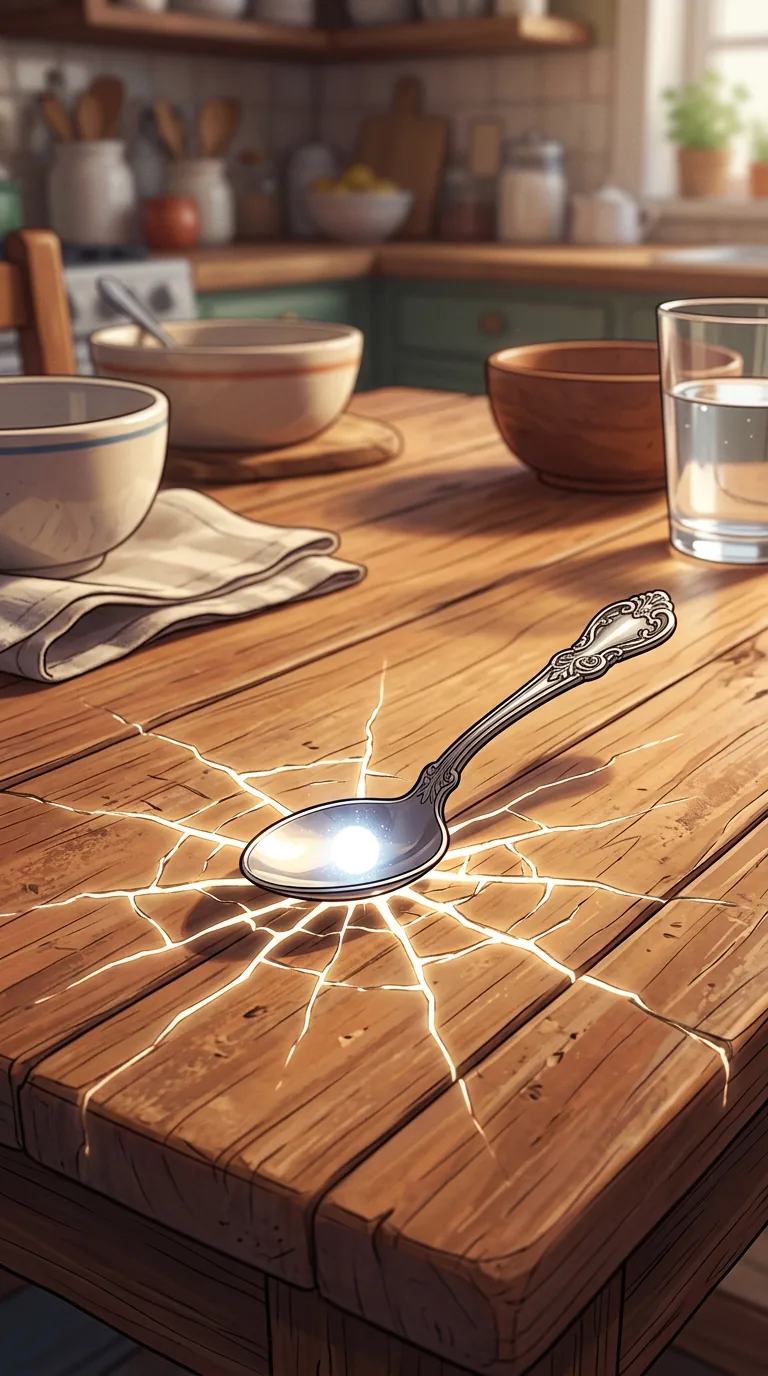
Neutron stars compress the mass of the Sun into a city-sized sphere. One teaspoon outweighs every car ever built — and pick it up, it would punch through the planet.
Sagittarius B2 contains enough ethyl alcohol for 400 trillion trillion pints. Astronomers detected it with radio telescopes. It is, alas, far away and full of dust.
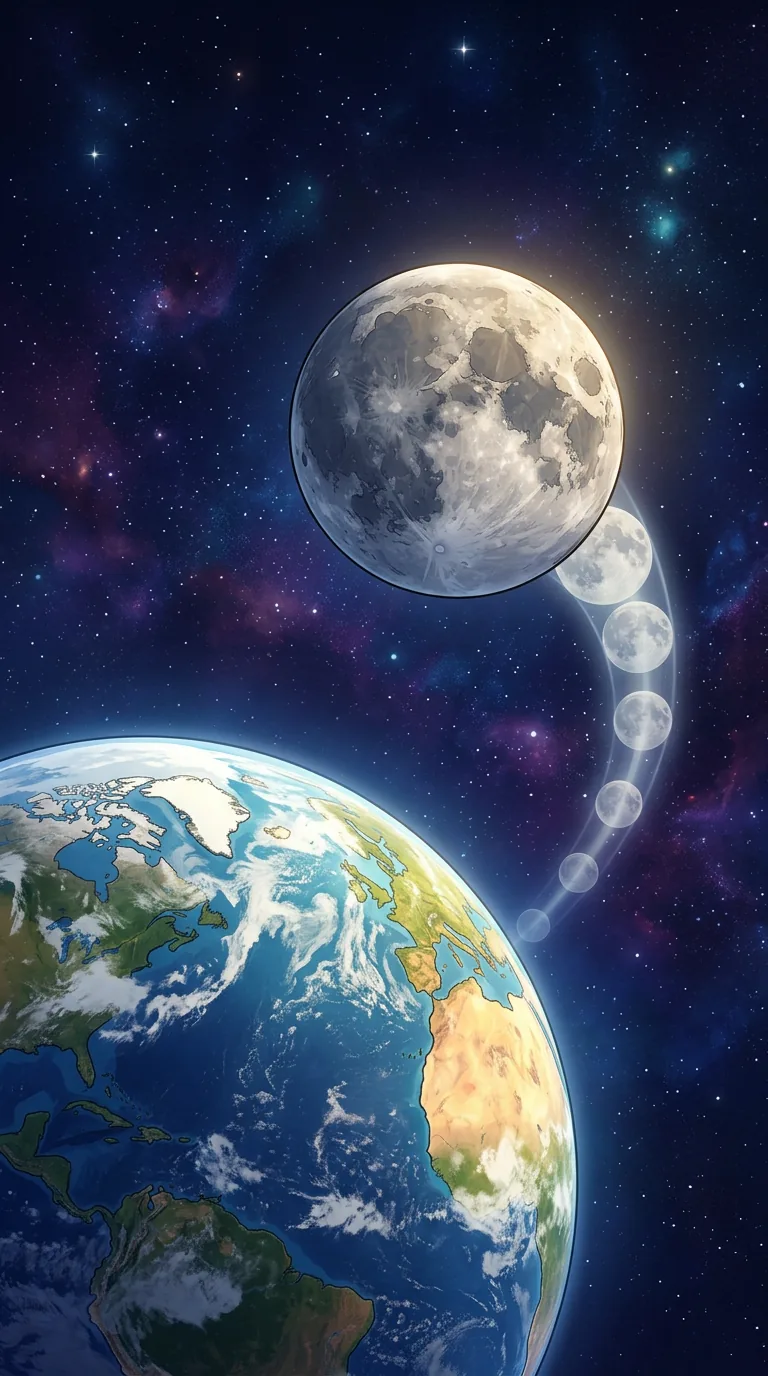
Tidal forces are robbing Earth of rotational energy and giving it to the Moon's orbit. In a billion years, total solar eclipses will no longer be possible.
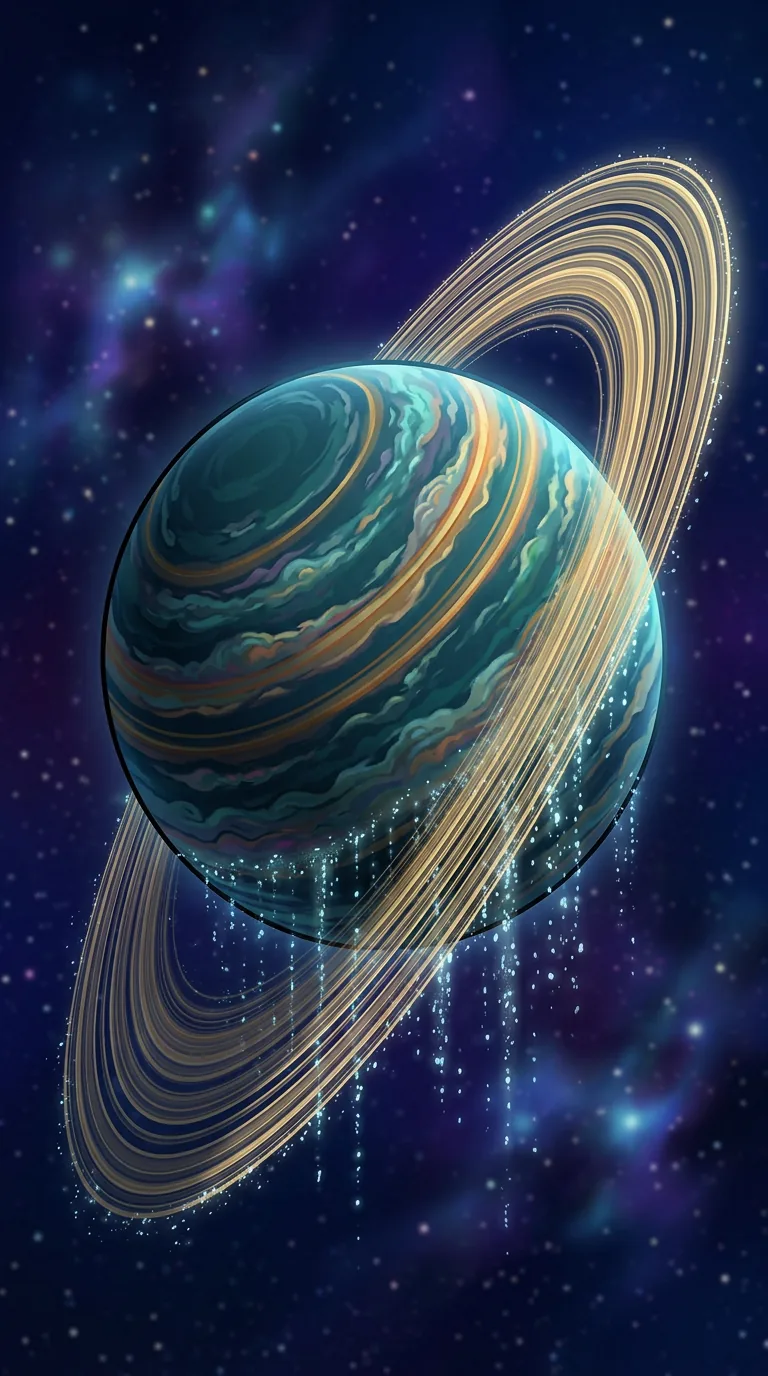
Cassini measurements show 10 tons of ring-ice falling onto Saturn every second — the rings are dying in cosmic time.
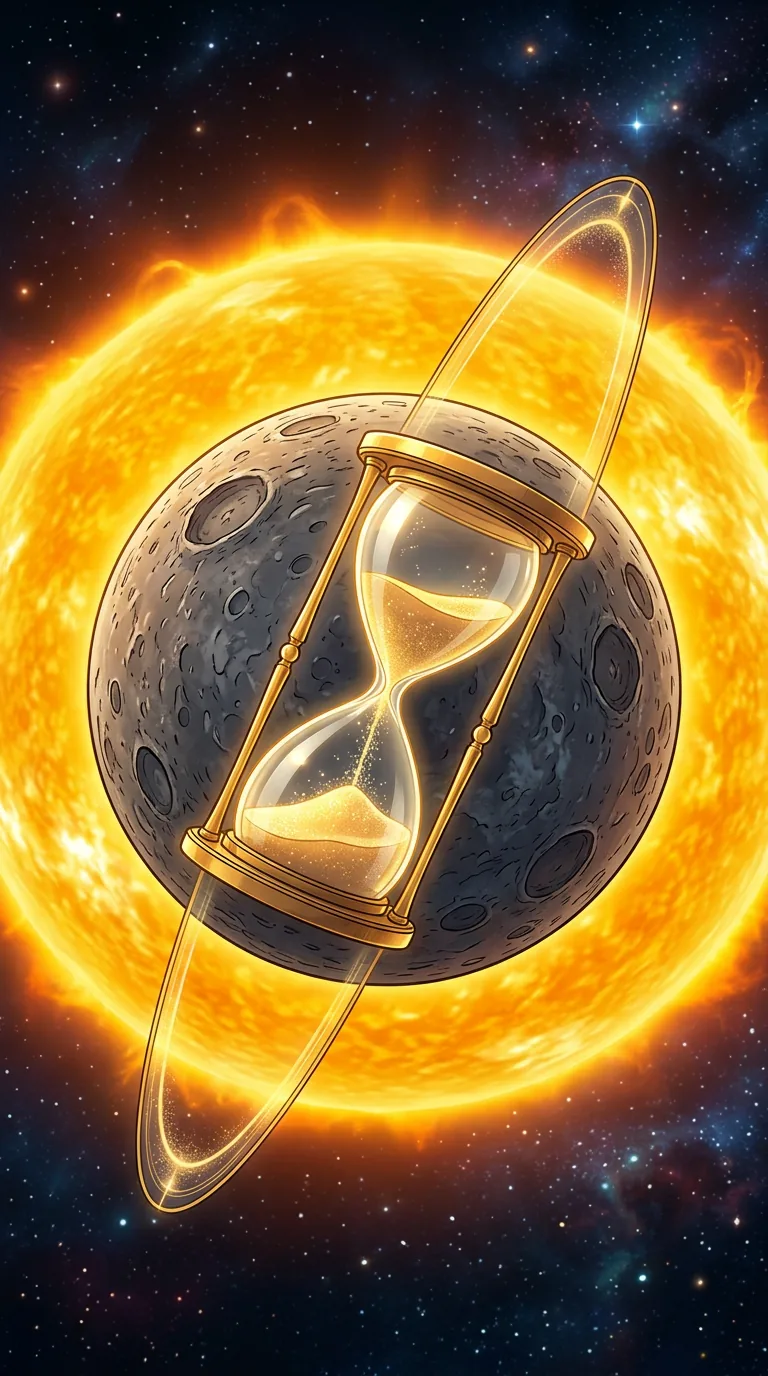
Mercury rotates so slowly on its axis that you would live through one and a half whole years between sunrises.
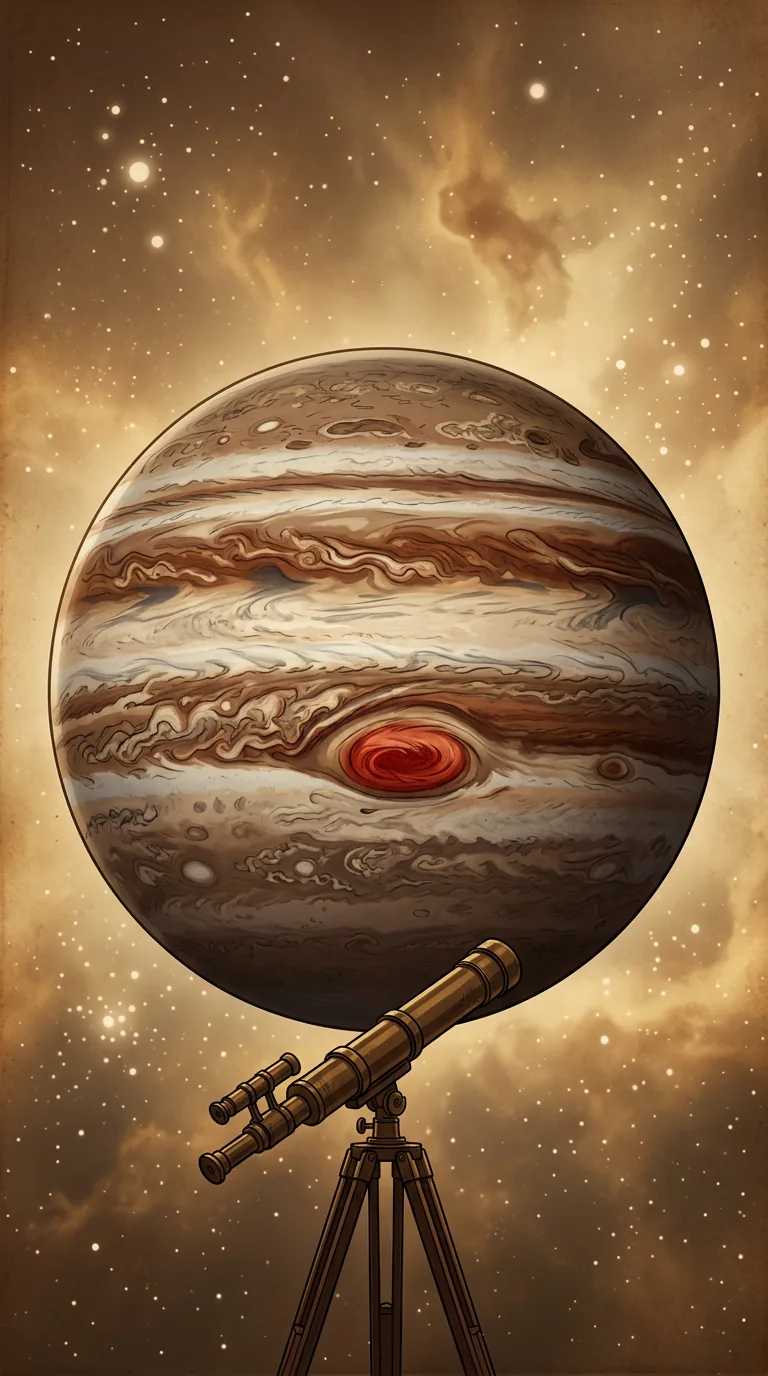
The hurricane is twice as wide as Earth and Galileo may have spotted it in 1665 with one of the first telescopes.
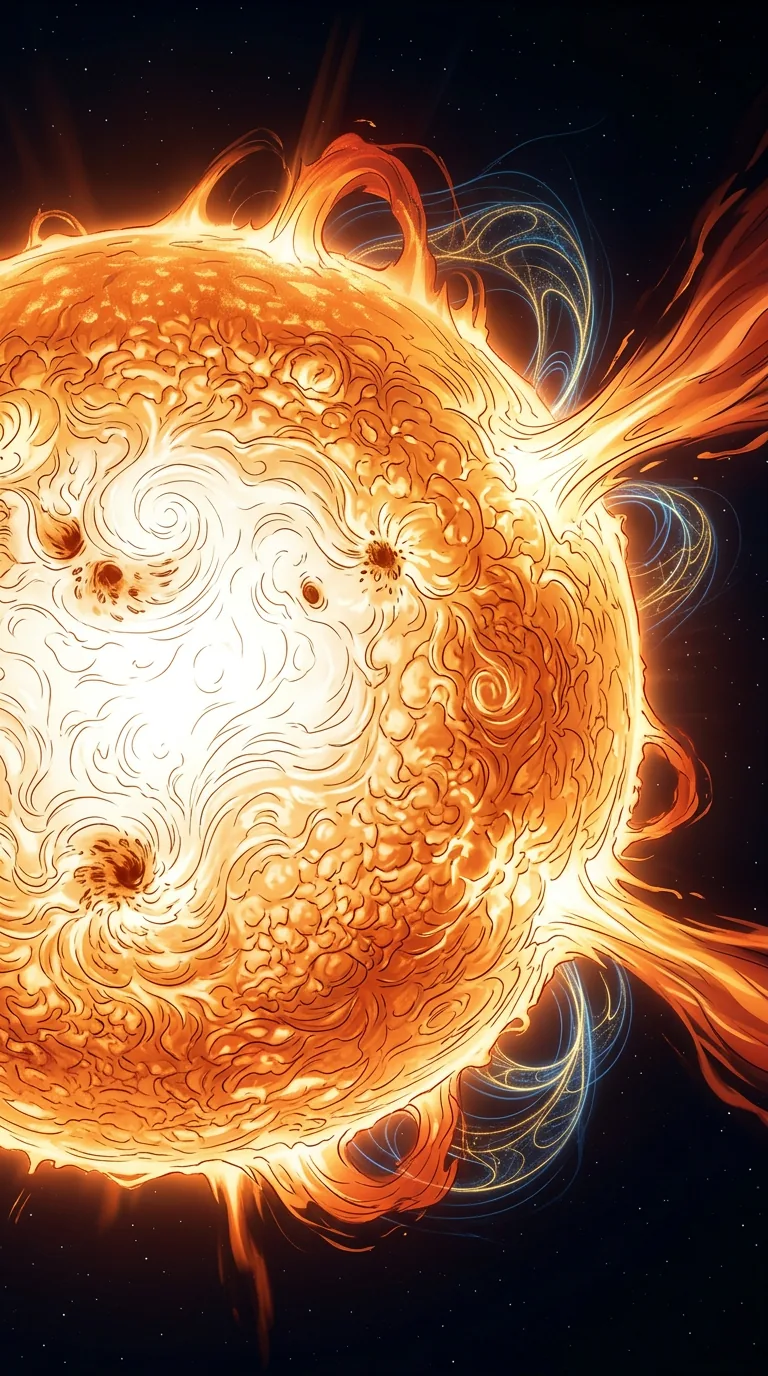
That much matter gets converted to pure light and energy — yet the Sun has barely shrunk over billions of years.
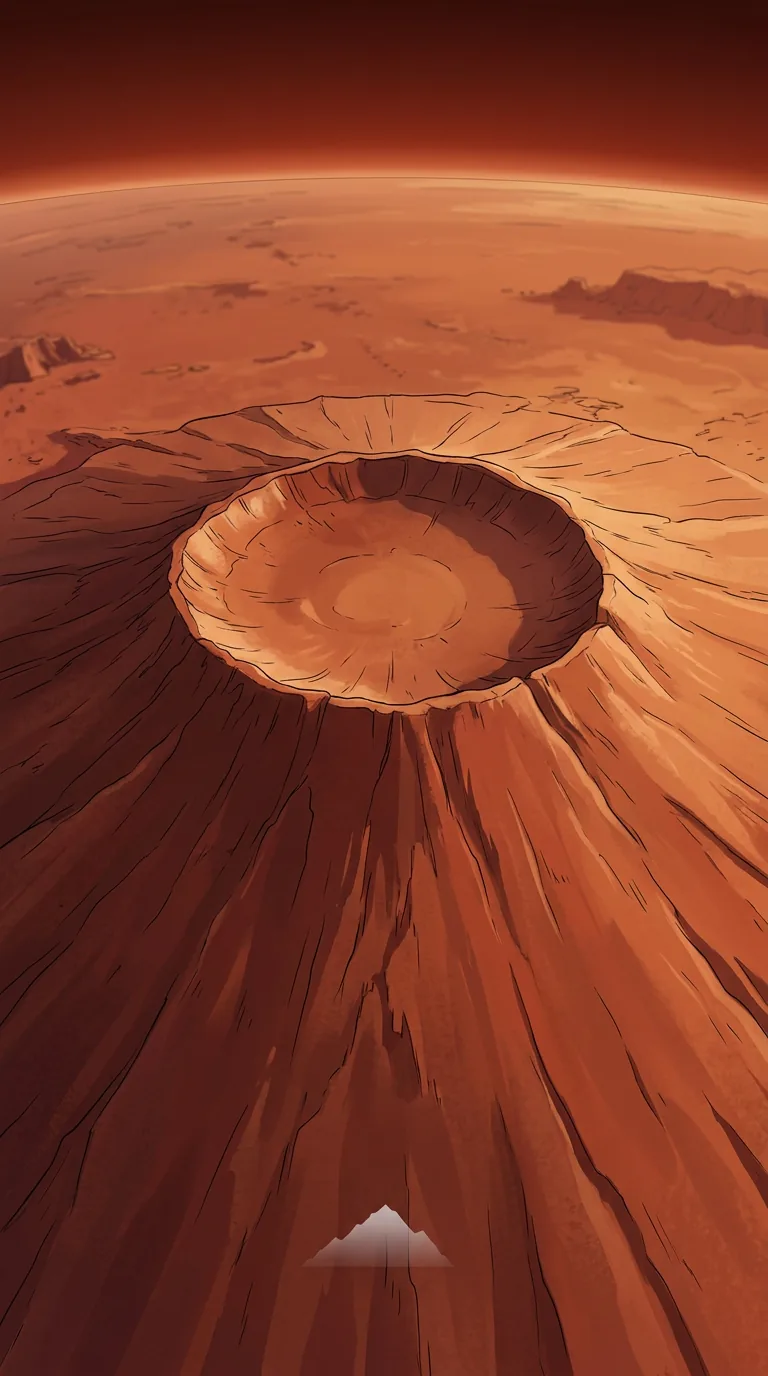
The largest known volcano in the solar system is so wide that standing on it, you cannot see the slope curve down.
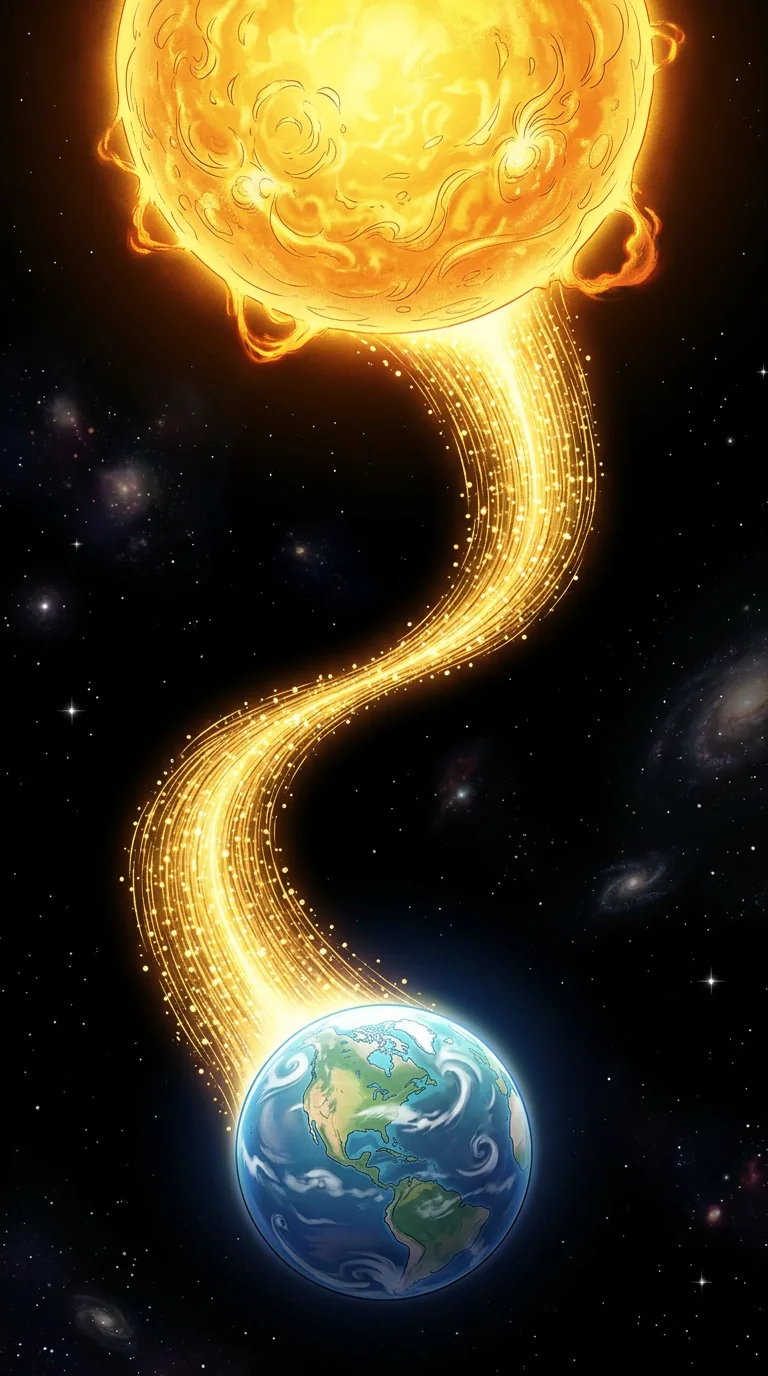
If the Sun vanished right now, we would not know for over 8 minutes — life would continue normally until then.
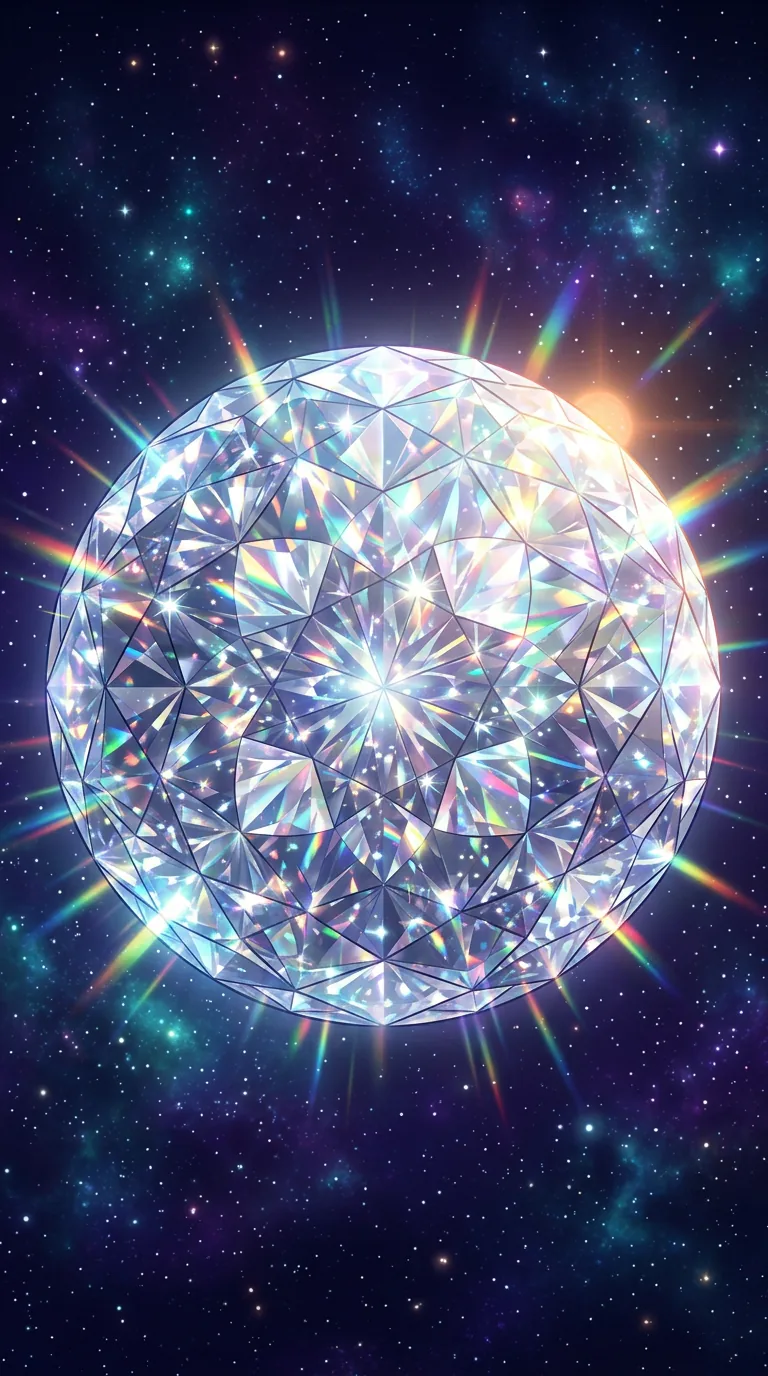
55 Cancri e is a carbon-rich super-Earth where extreme pressure has turned much of the planet into solid gemstone.
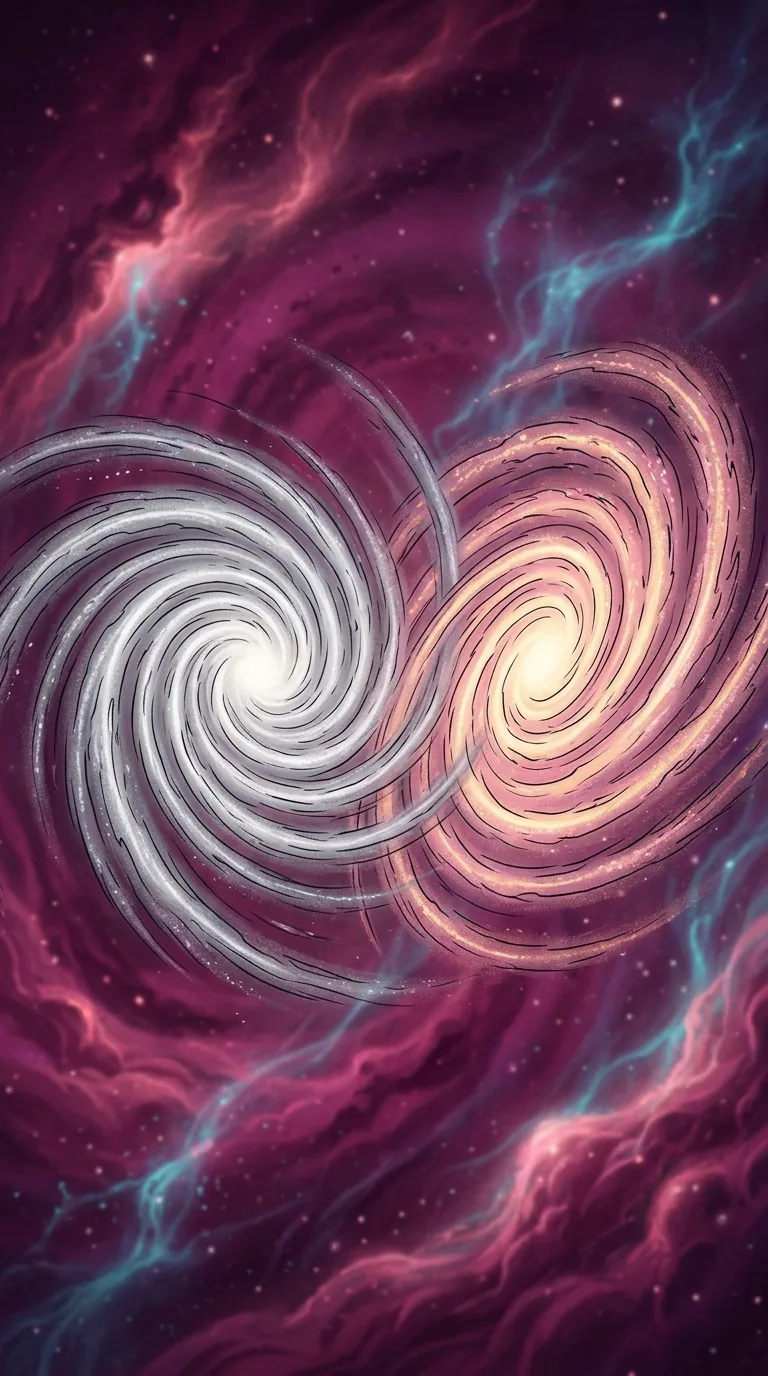
The two spirals are speeding toward each other at 400,000 km/h — they will merge into a single giant elliptical galaxy.
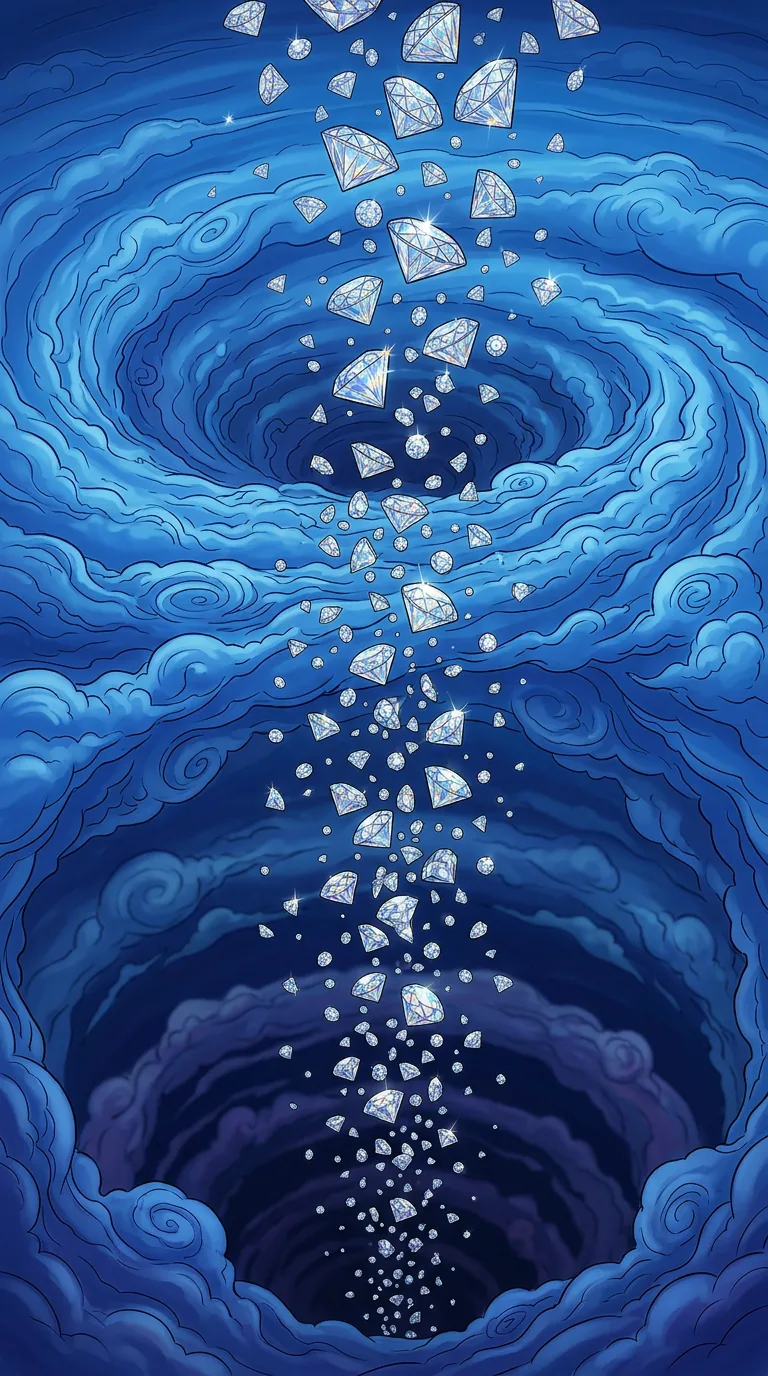
The icy giants have storms of methane gas where pressure separates carbon into a constant downpour of pure diamonds.
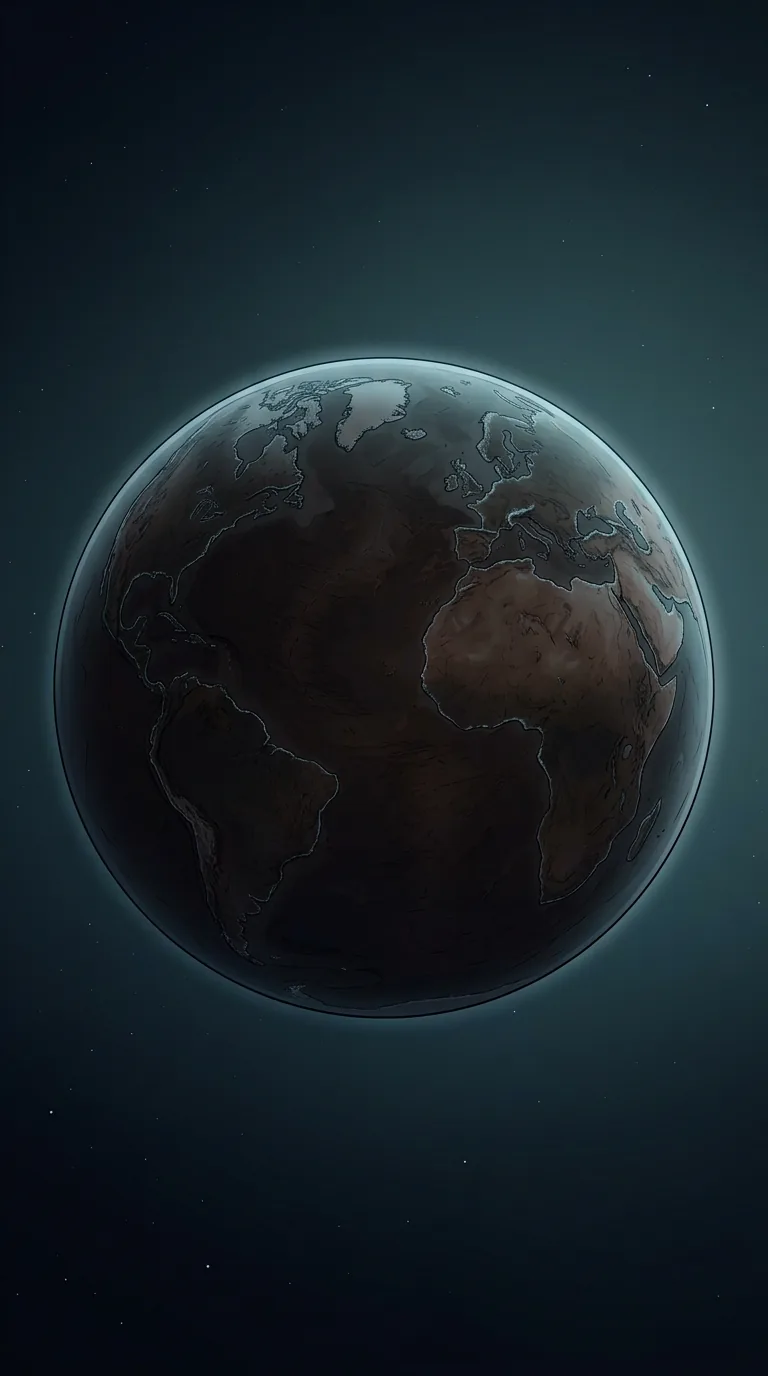
Astronomers estimate there are more starless planets in the Milky Way than there are stars themselves.
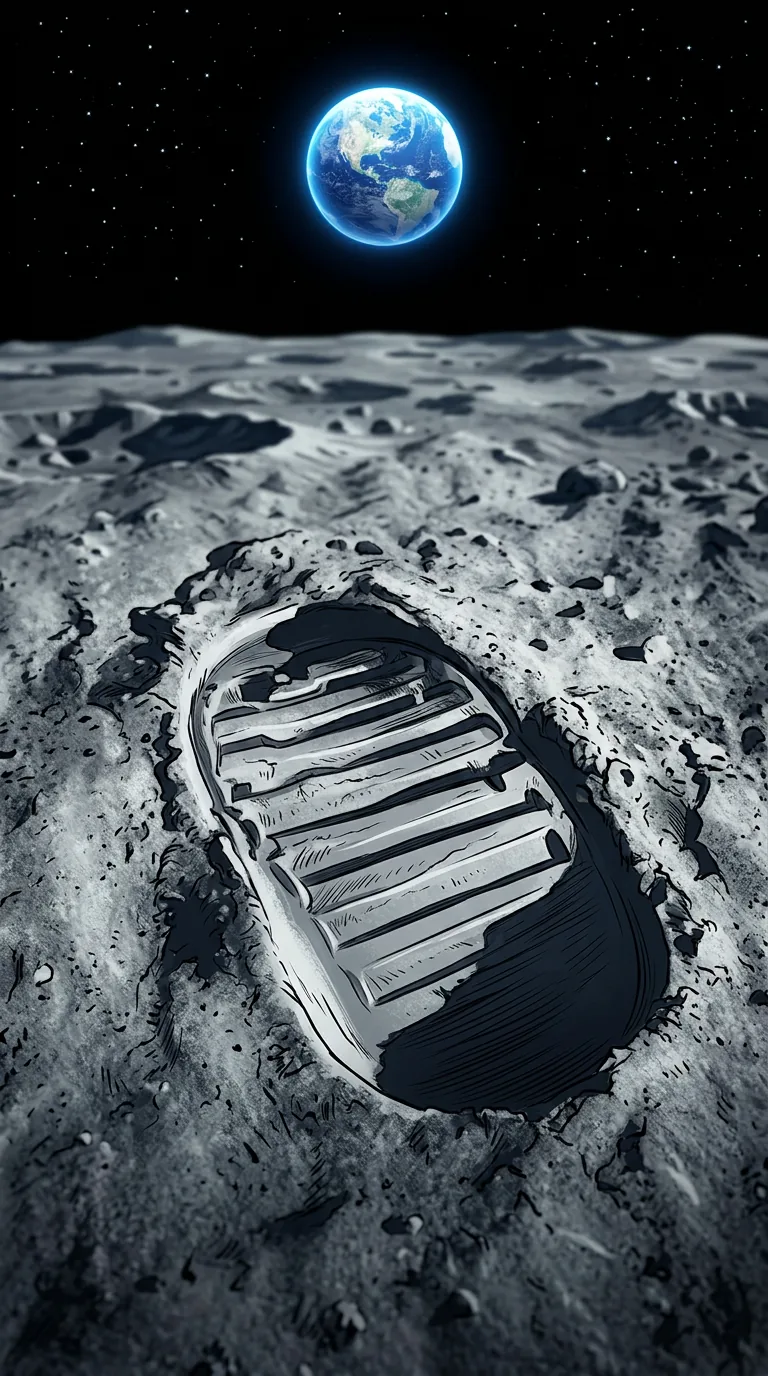
No wind, no water, no weather — the imprints in lunar dust are essentially eternal monuments to humanity.
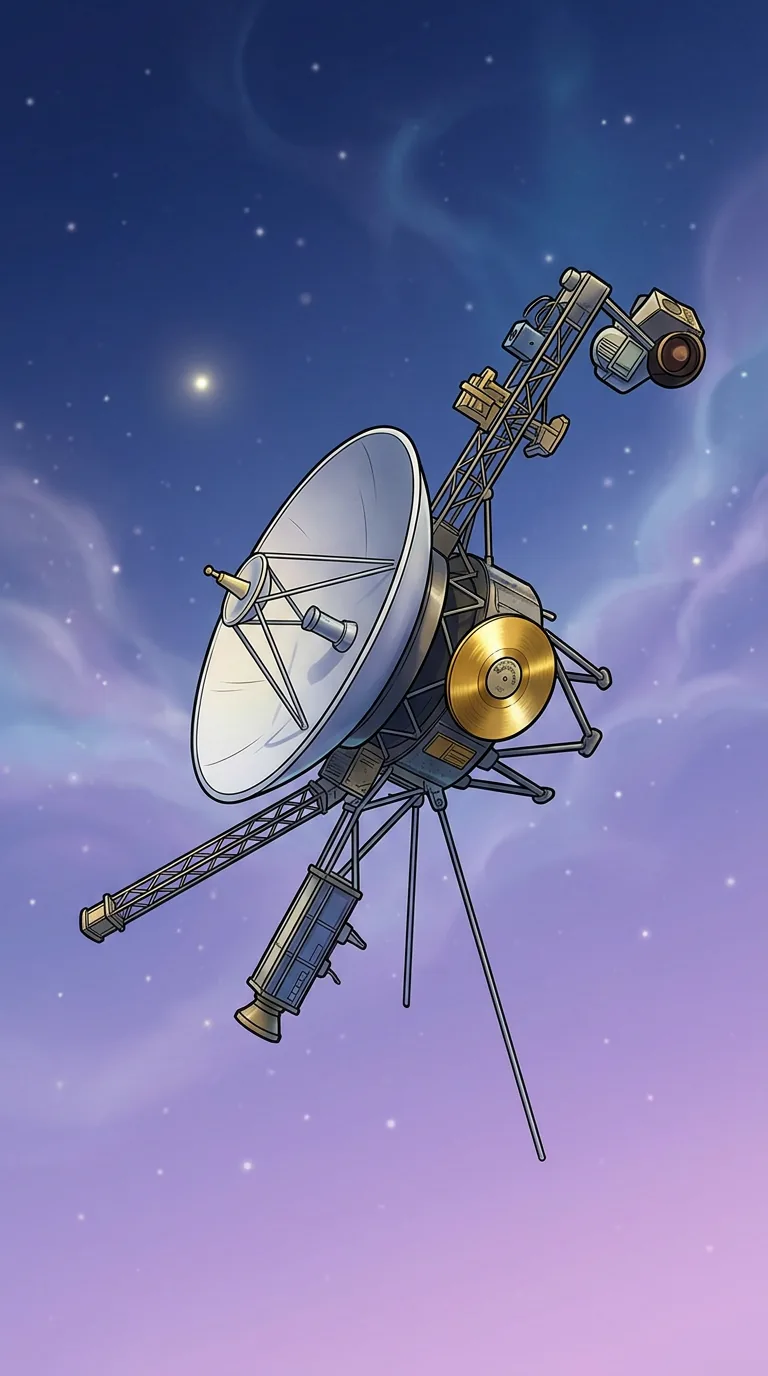
Launched in 1977, it now drifts in interstellar space and will not reach another star for 40,000 years.
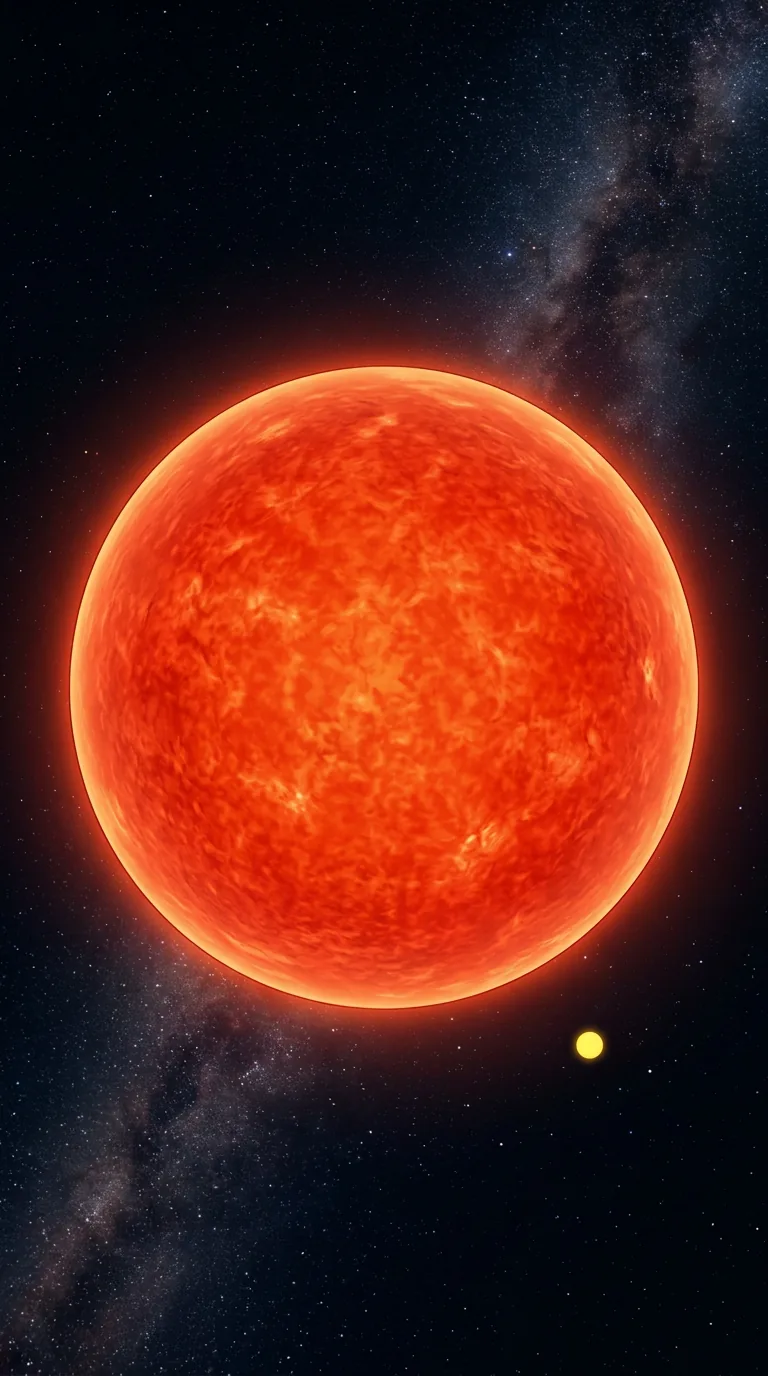
If you placed it at the center of our solar system, its surface would extend out past the orbit of Jupiter.
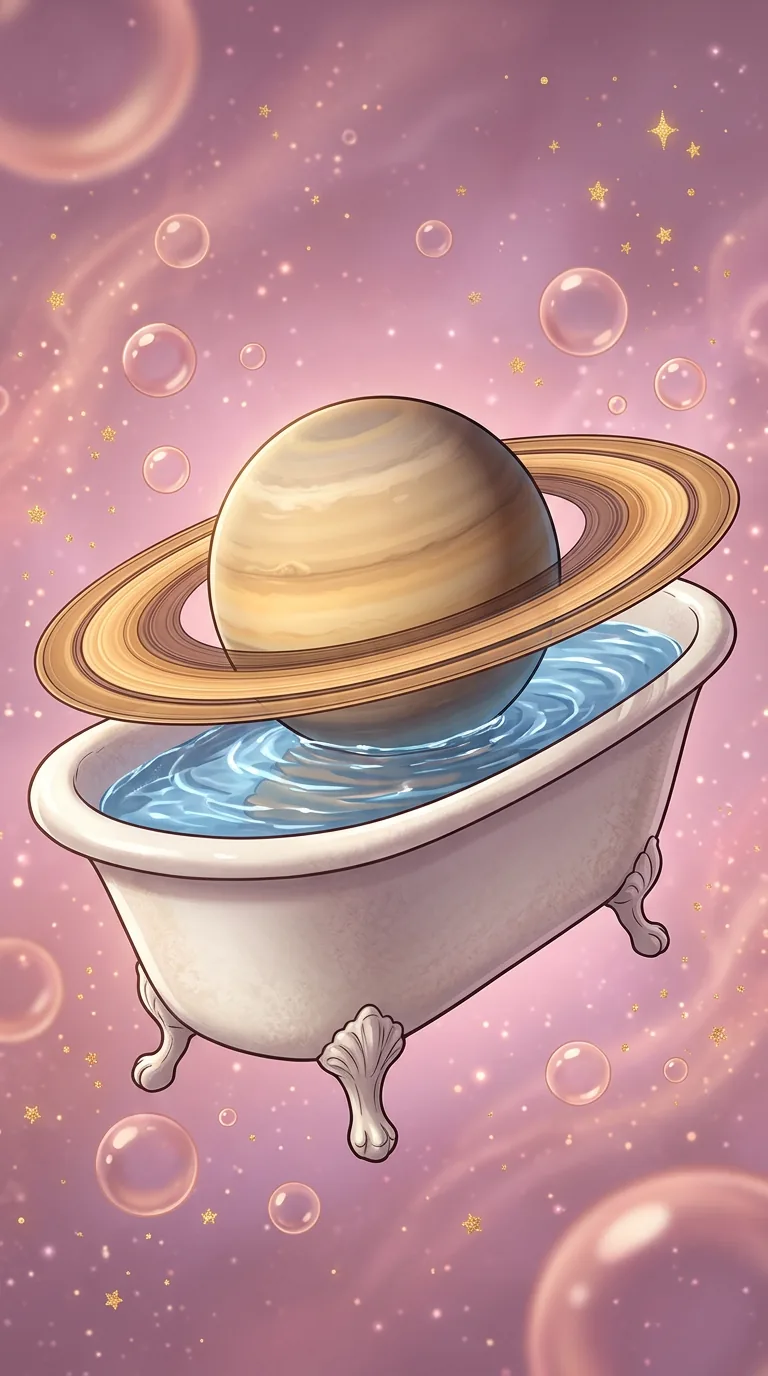
Its density is just 0.69 g per cubic cm — less than water itself, because the planet is mostly gas with a small dense core.
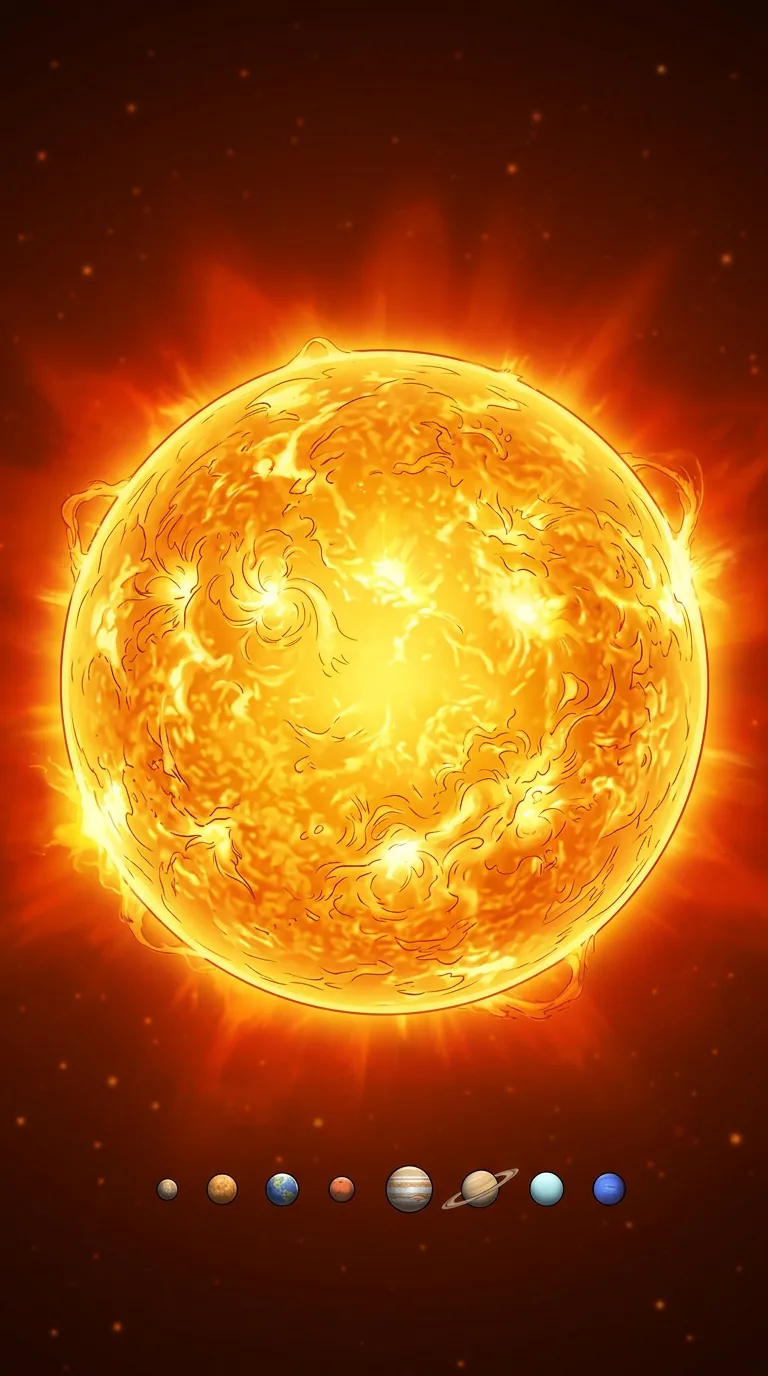
Every planet, moon, asteroid and comet combined accounts for just 0.14% — everything else is a rounding error.
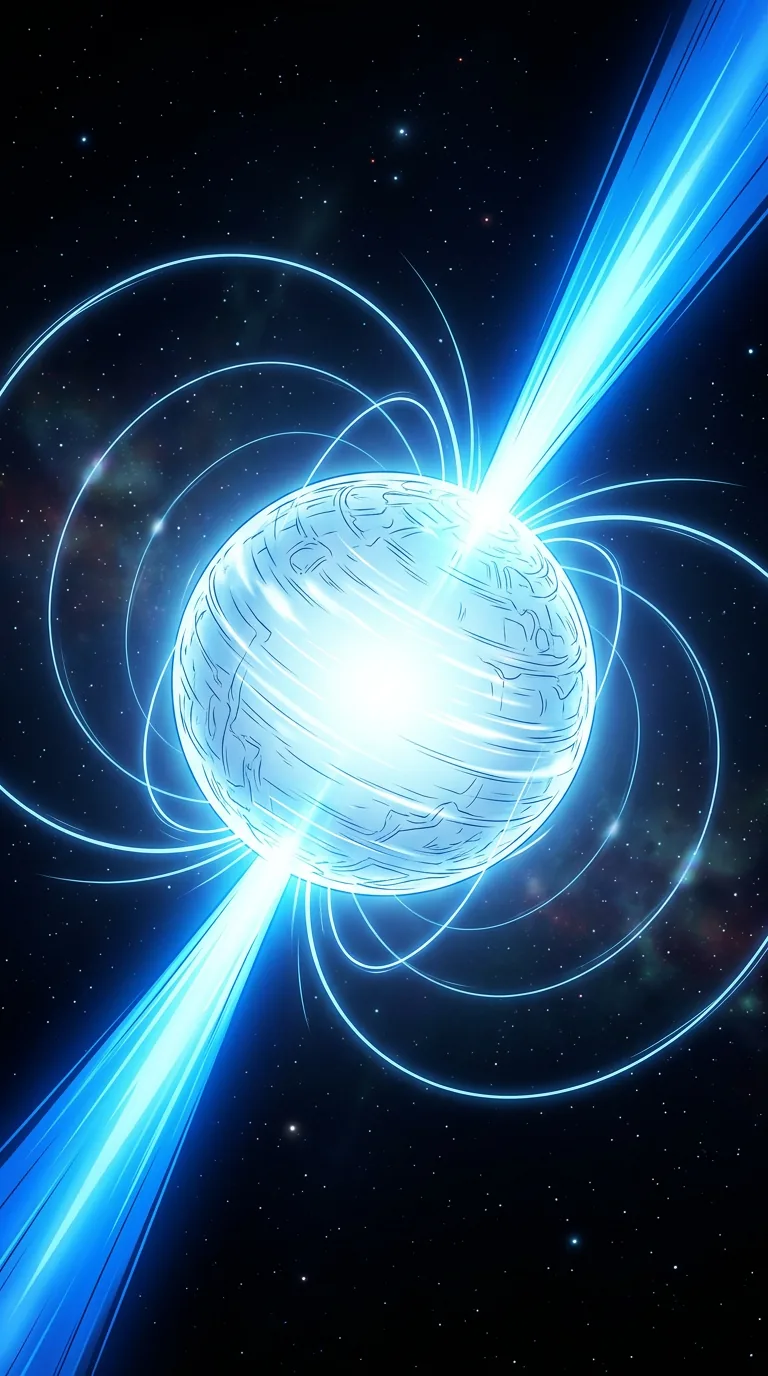
The fastest pulsars are city-sized objects spinning faster than a kitchen blender, beaming radio waves like lighthouses.
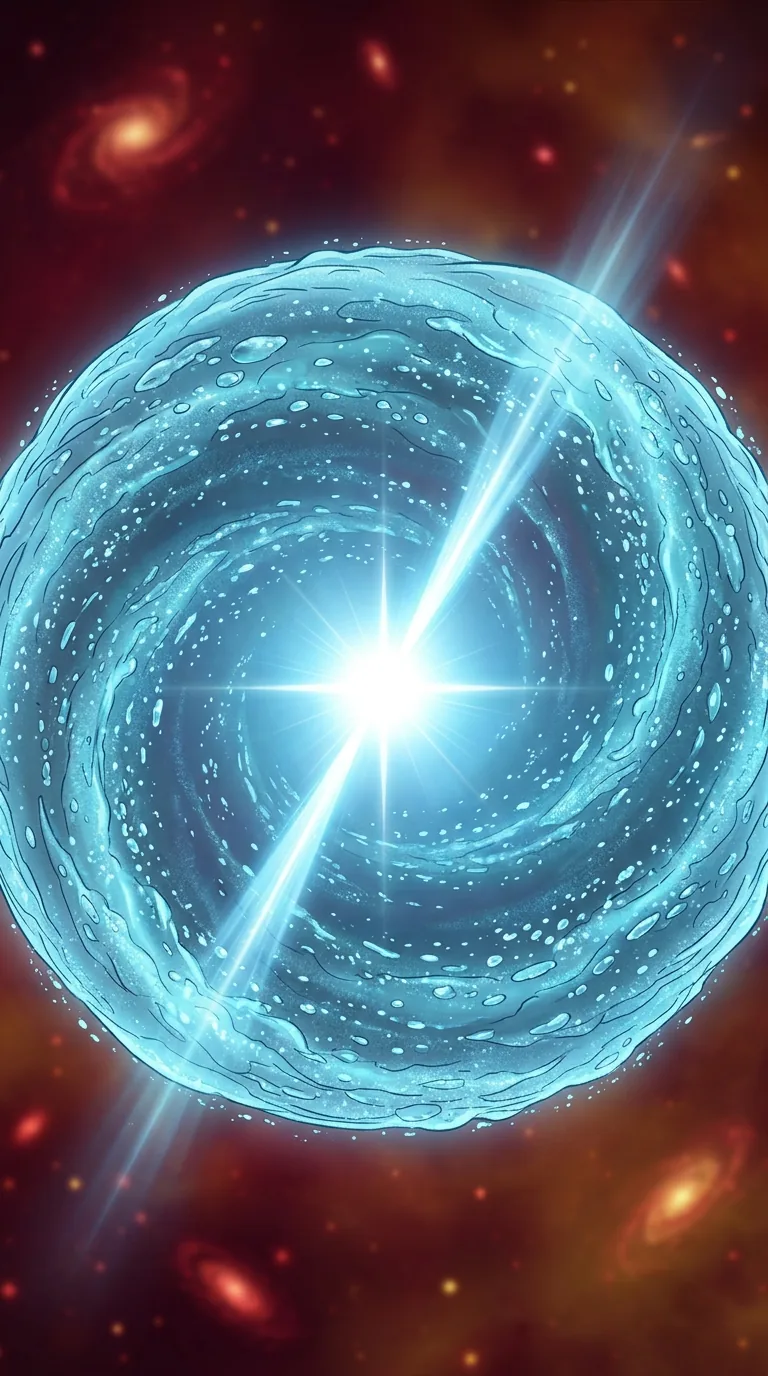
Astronomers found it surrounding a quasar 12 billion light-years away — it formed when the universe was very young.
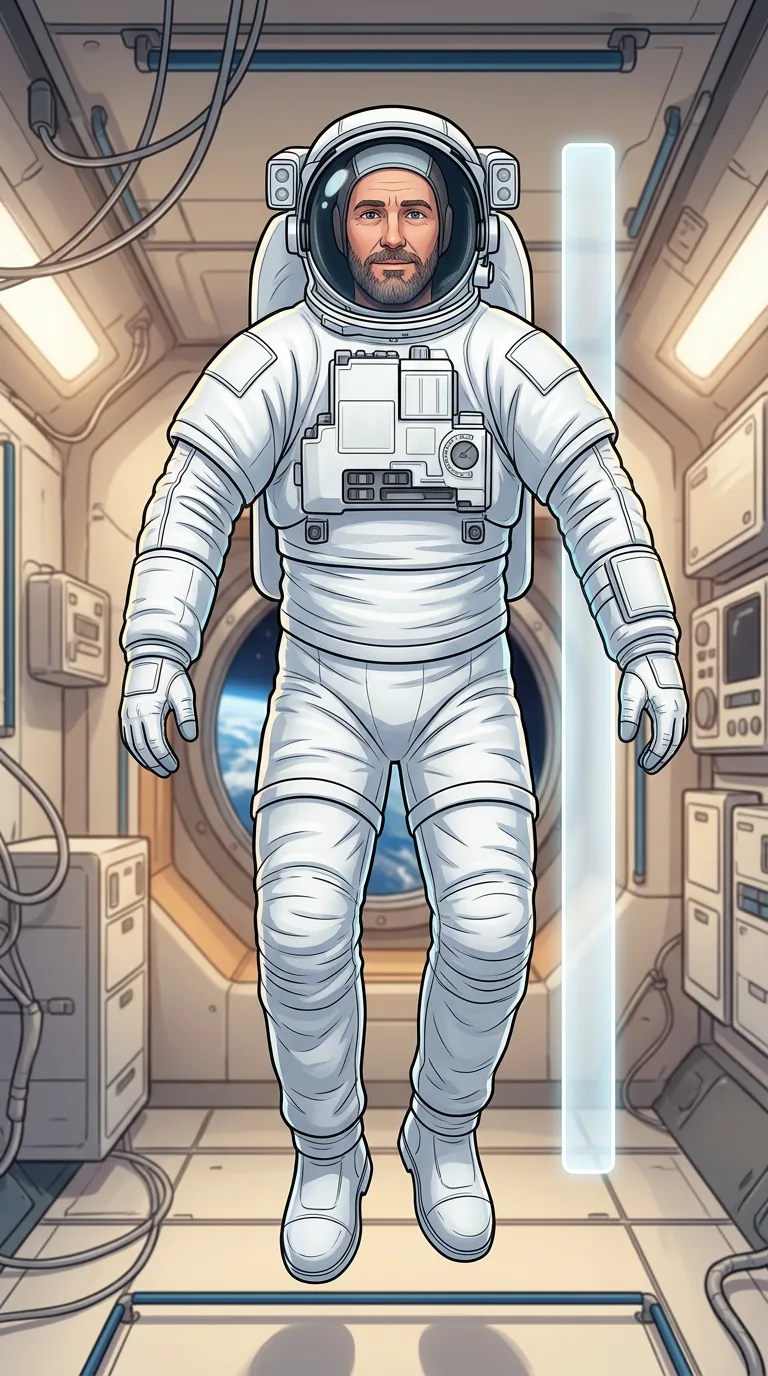
The added height vanishes within days of returning to Earth — gravity quickly squashes their vertebrae back down.
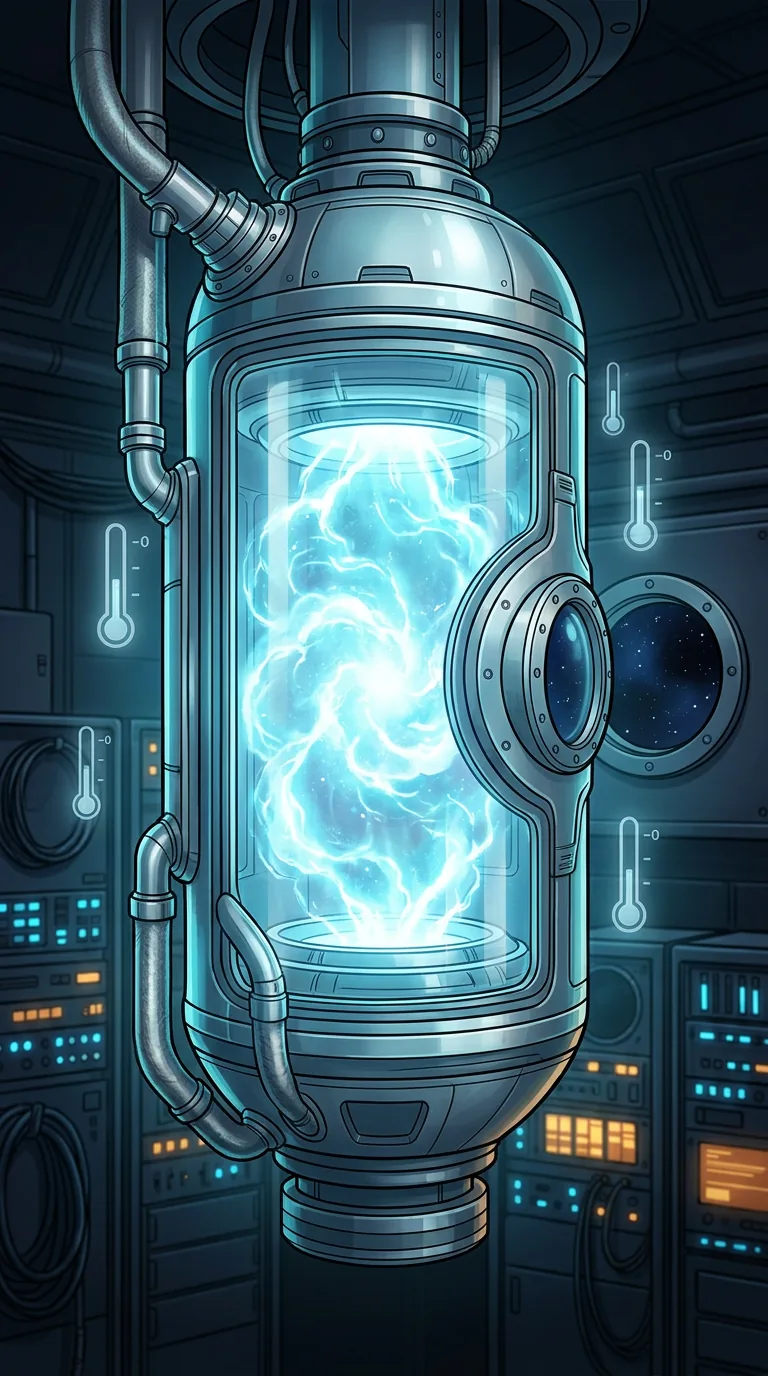
Quantum researchers have chilled atoms to just billionths of a degree above absolute zero — beating the cosmos by far.
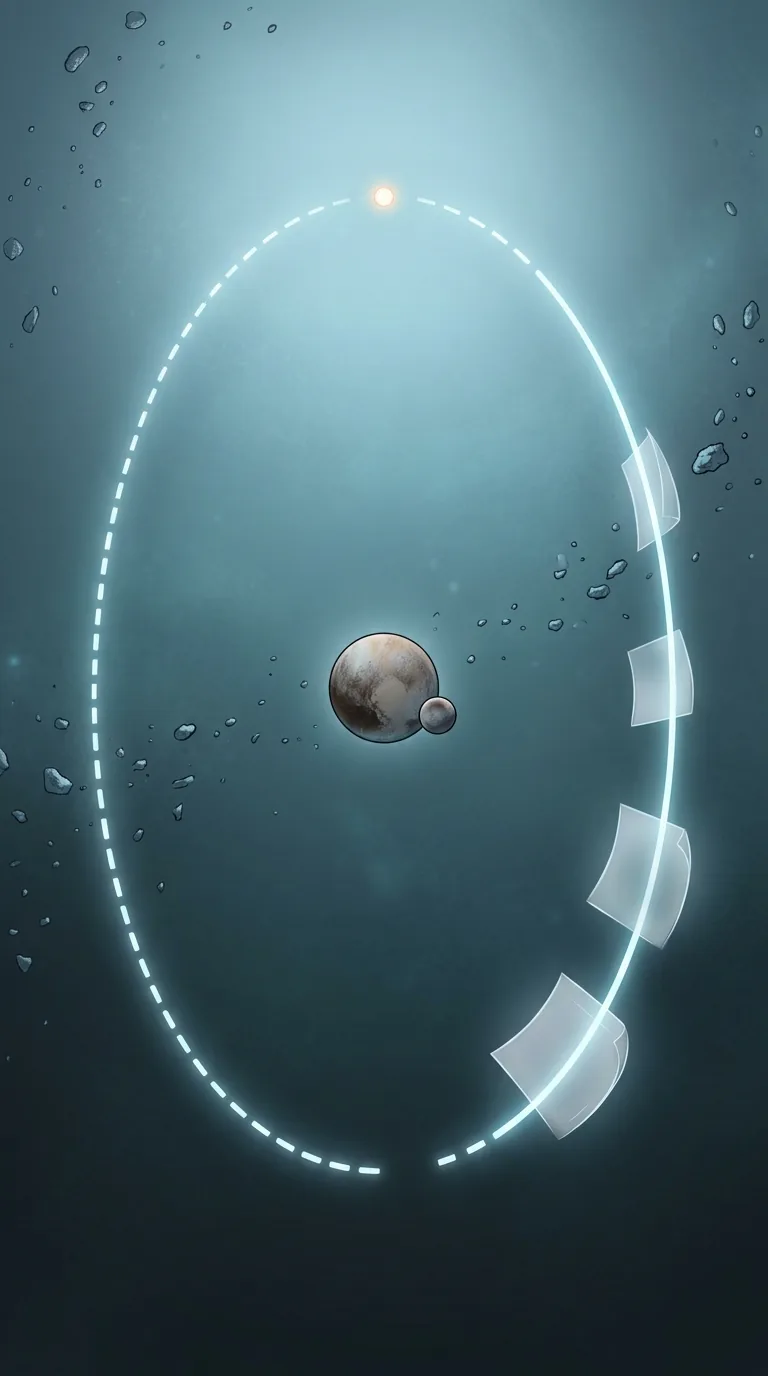
One Plutonian year lasts 248 Earth years — Pluto first full lap since discovery will not finish until the year 2178.