
3.7kShare
Biology
An octopus has three hearts and bright blue blood.
Two hearts pump blood through its gills, one to the body — and the copper inside its blood turns it blue, not red.

NOW WATCHING
Biology · Facts
Two hearts pump blood through its gills, one to the body — and the copper inside its blood turns it blue, not red.
 Swipe up or down to explore more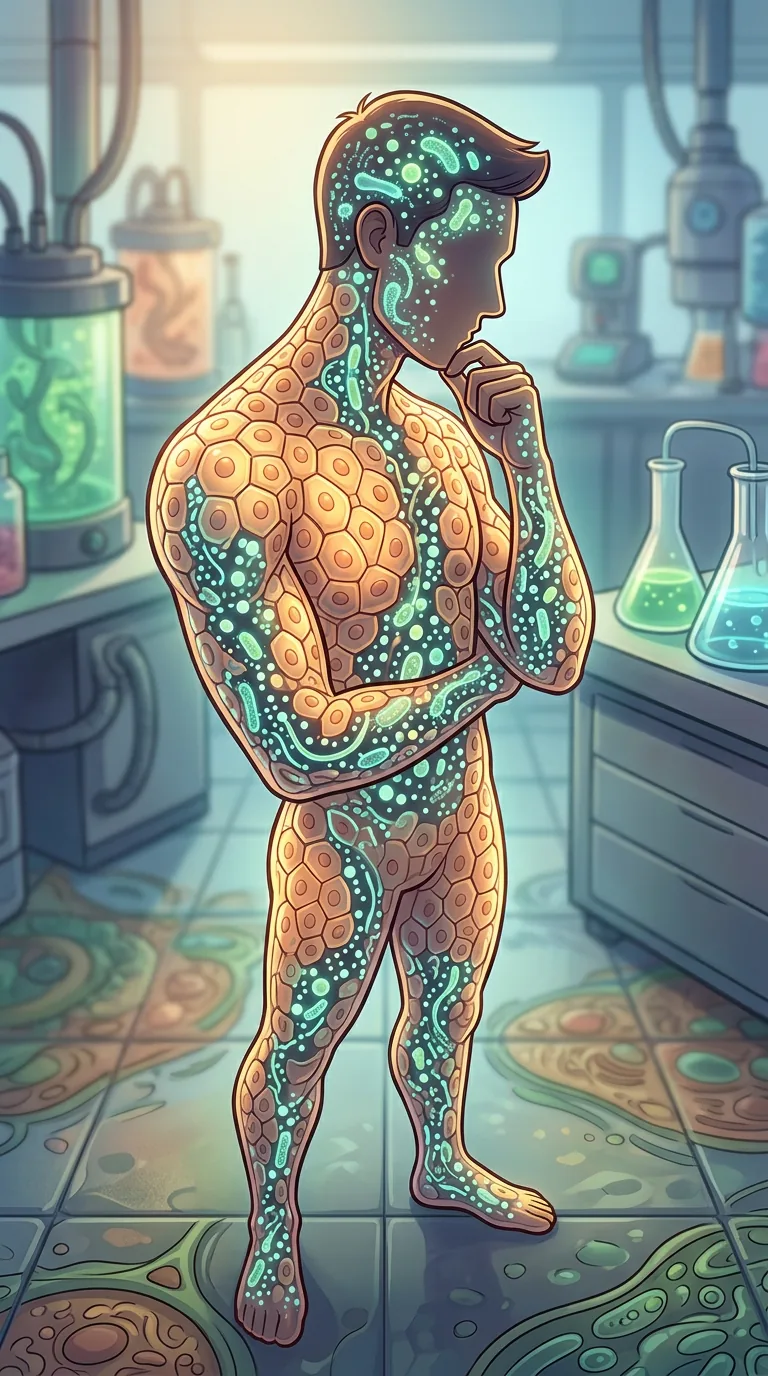
Recent estimates put the ratio close to 1.3:1. You are, by cell count, slightly more microbe than person — and the microbes carry 100× more genes than your own DNA.
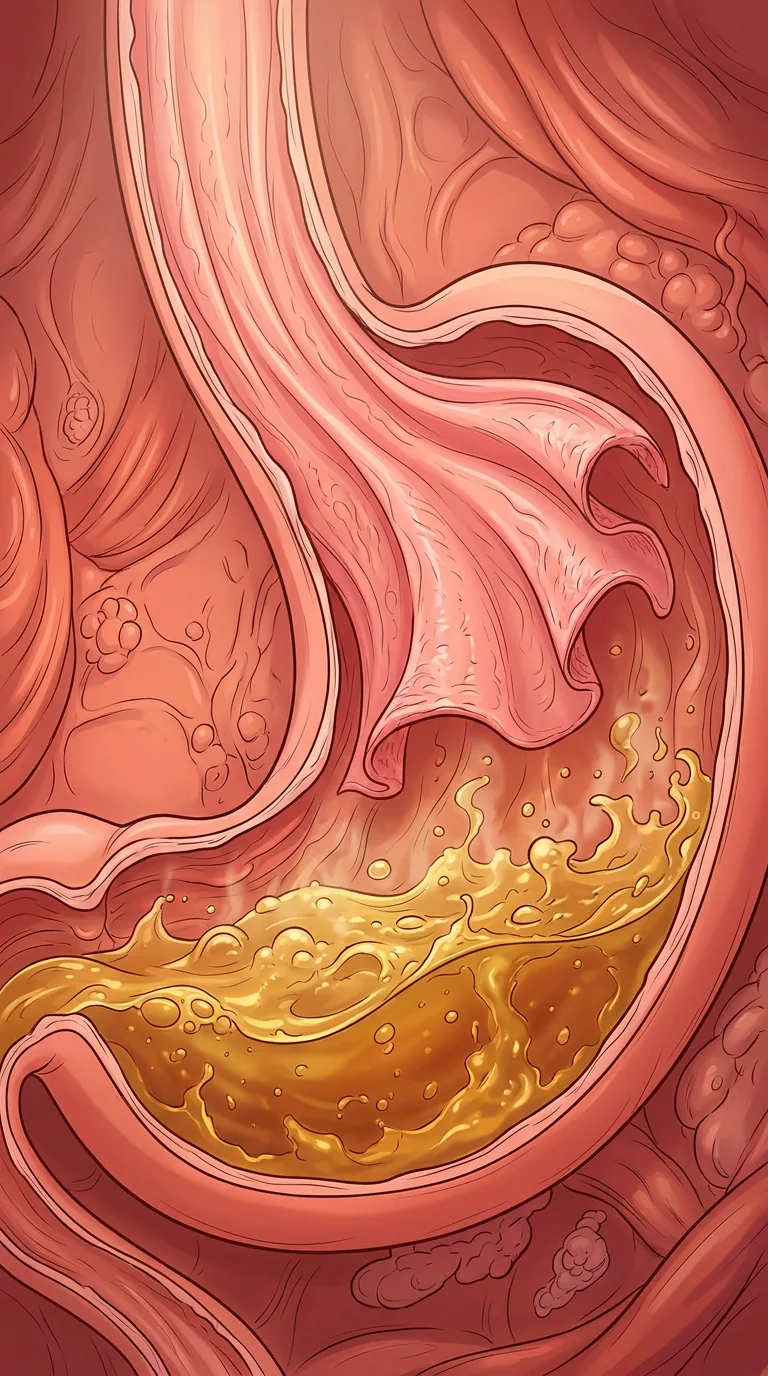
Stomach acid is strong enough to dissolve metal. The lining renews every 3–5 days. Slow that renewal and the stomach genuinely begins digesting its own walls — that's an ulcer.
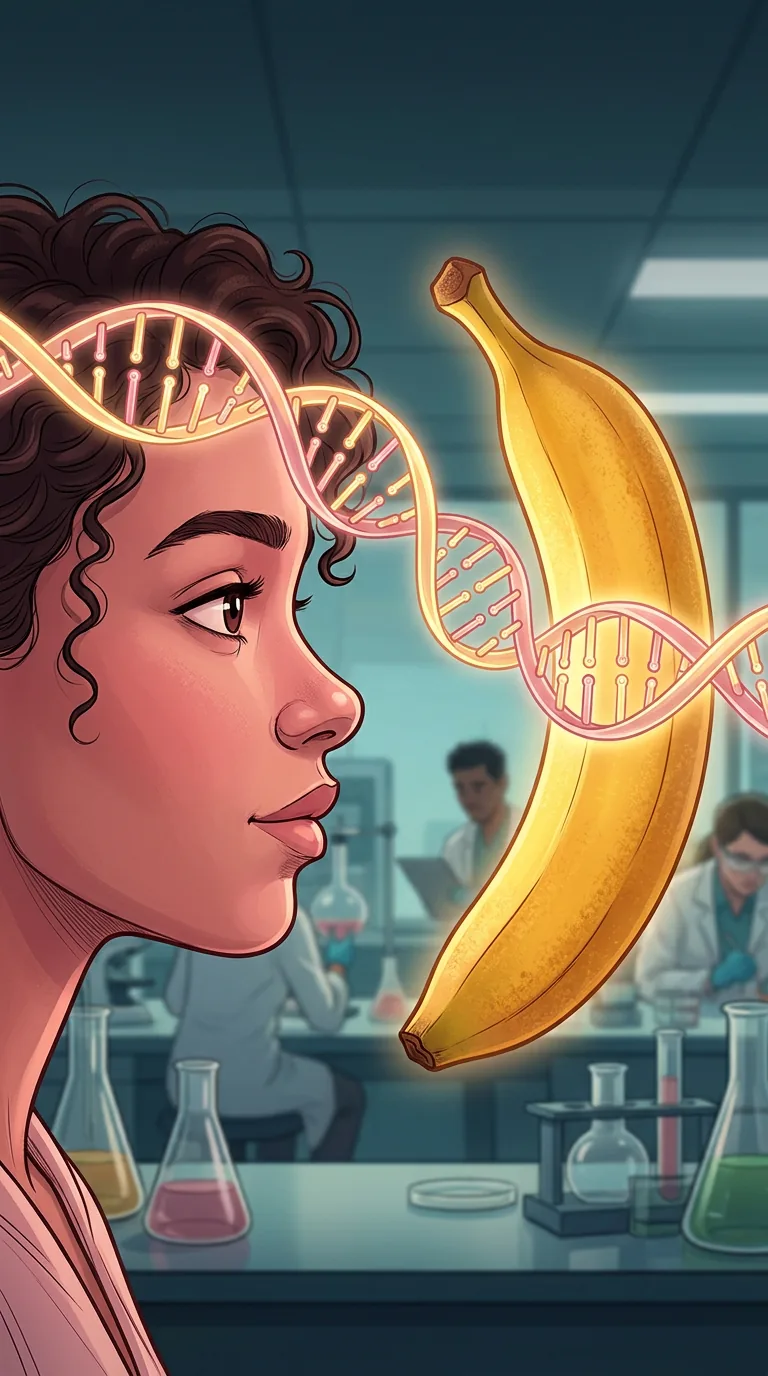
Most fundamental cellular machinery is ancient and shared across all life. The 60% banana number is a real measure of just how universal basic biology is.
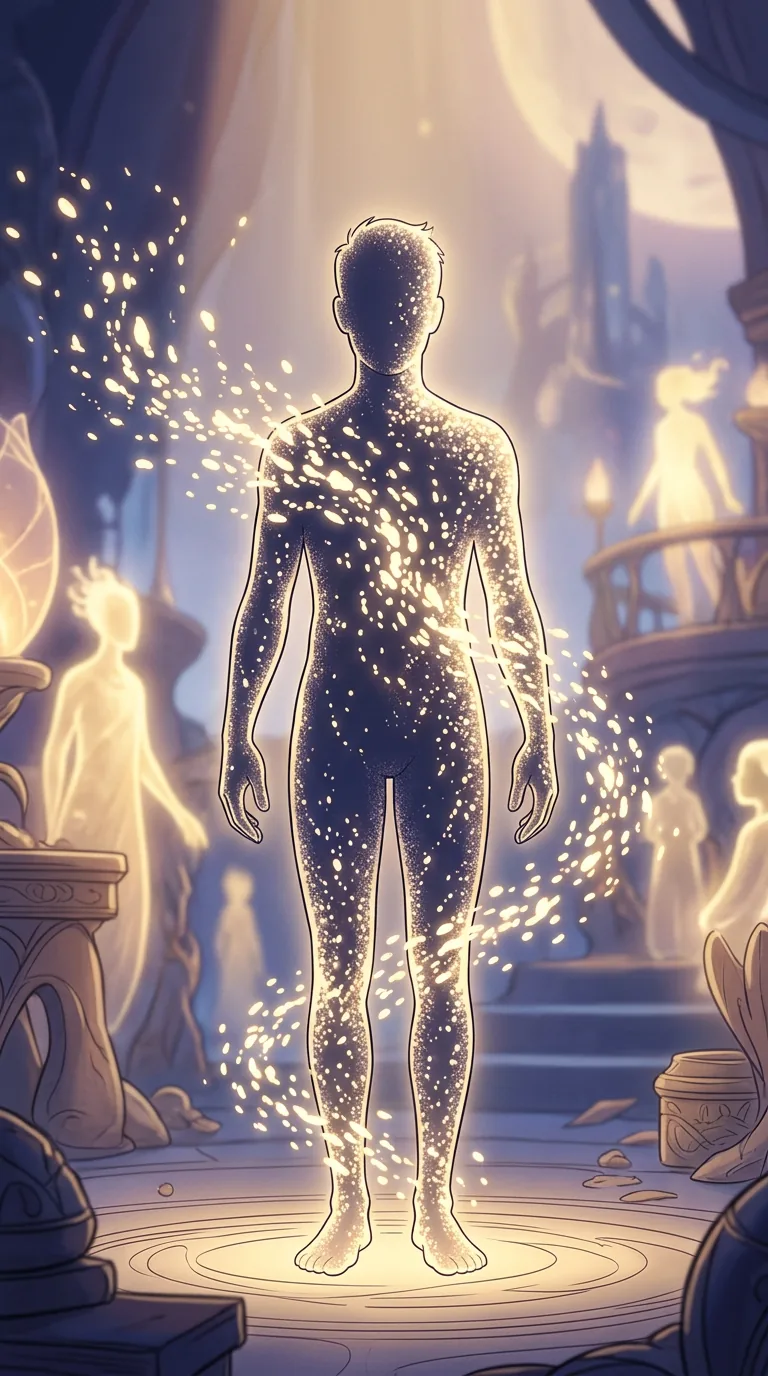
Bone, skin, gut and blood cells turn over constantly. The 'you' a decade ago is, atom for atom, mostly gone — yet the pattern of you persists.
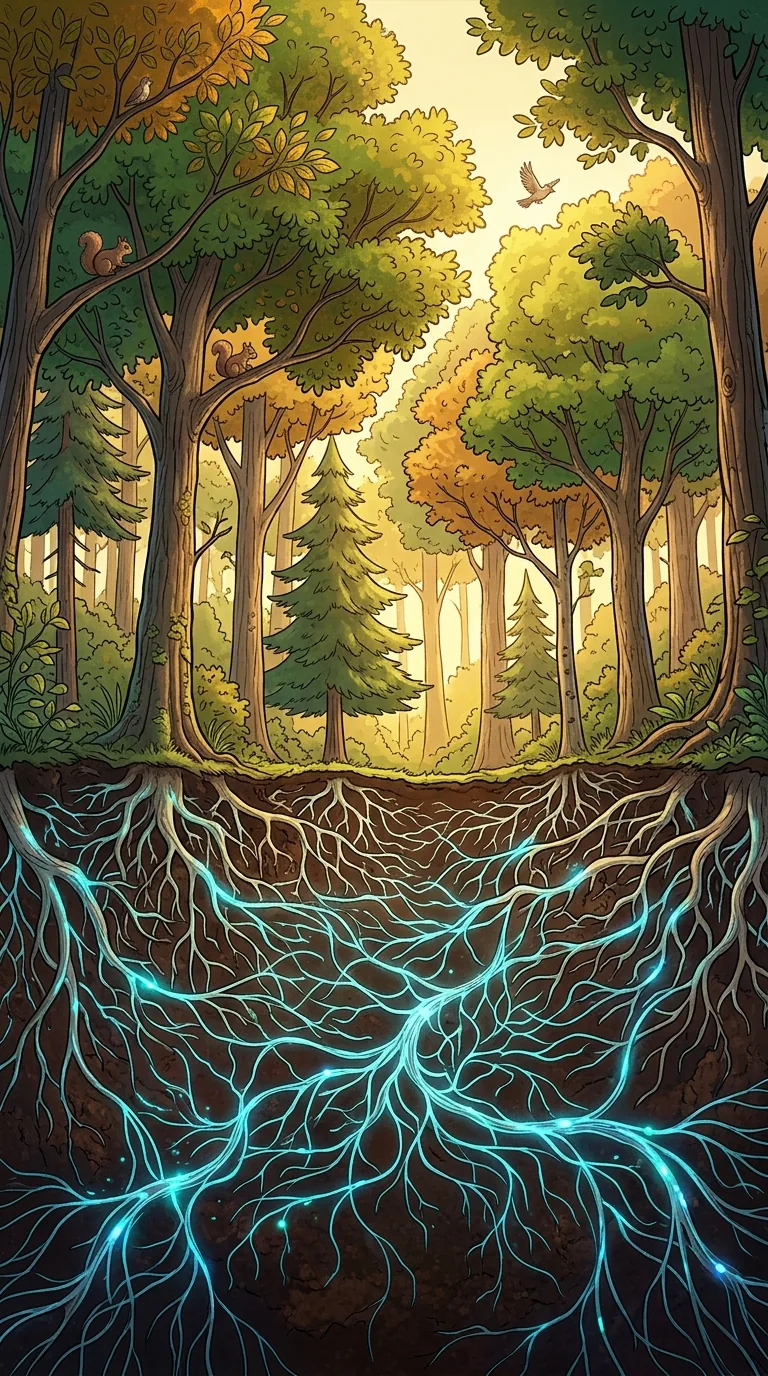
The 'wood wide web' lets trees feed sick neighbours and signal pest attacks. Forests behave less like collections of individuals and more like single distributed organisms.
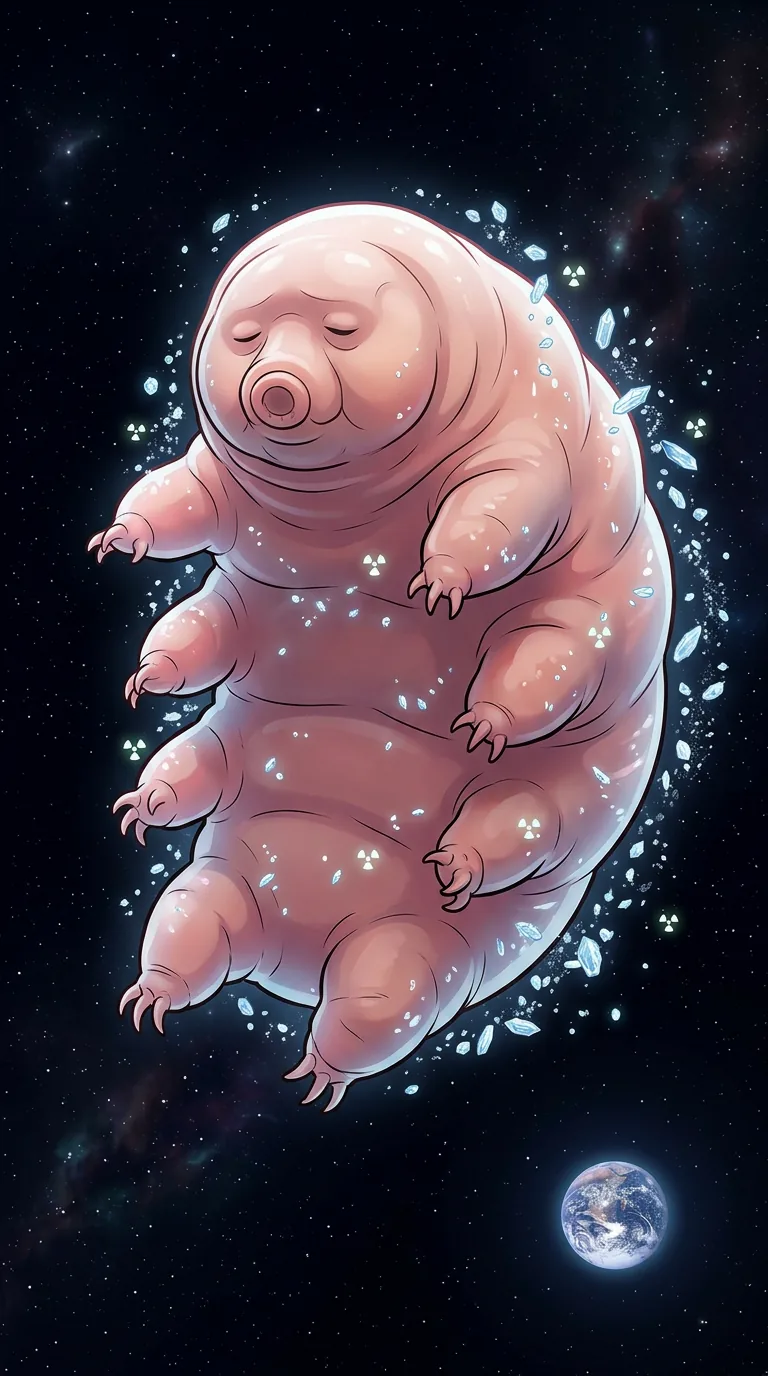
In 2007 ESA exposed water bears to raw orbit for 10 days. Most came back alive and laid viable eggs. Nothing else on Earth shrugs off cosmic conditions like a 1mm bug.
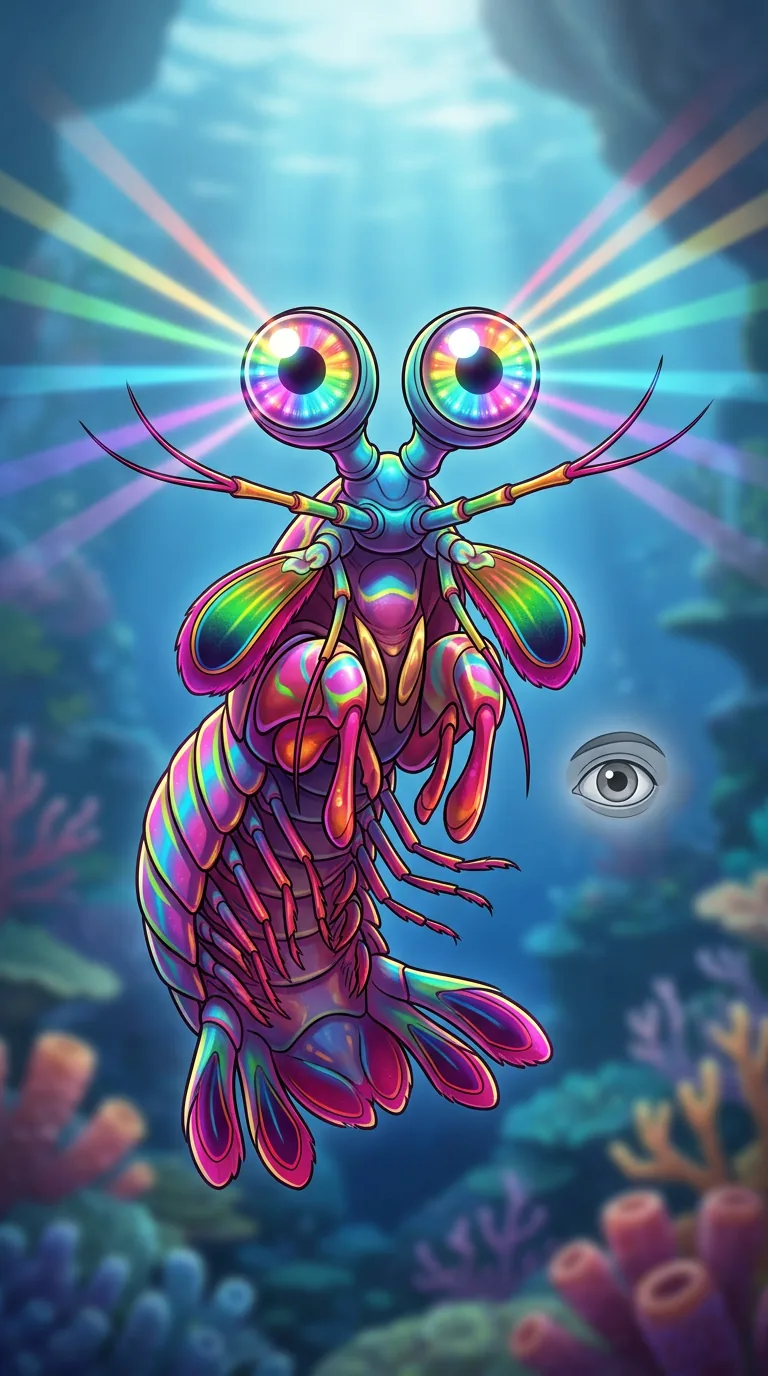
They also see linearly and circularly polarized light. We can't even imagine their visual world — and they punch with the acceleration of a 22-caliber bullet.
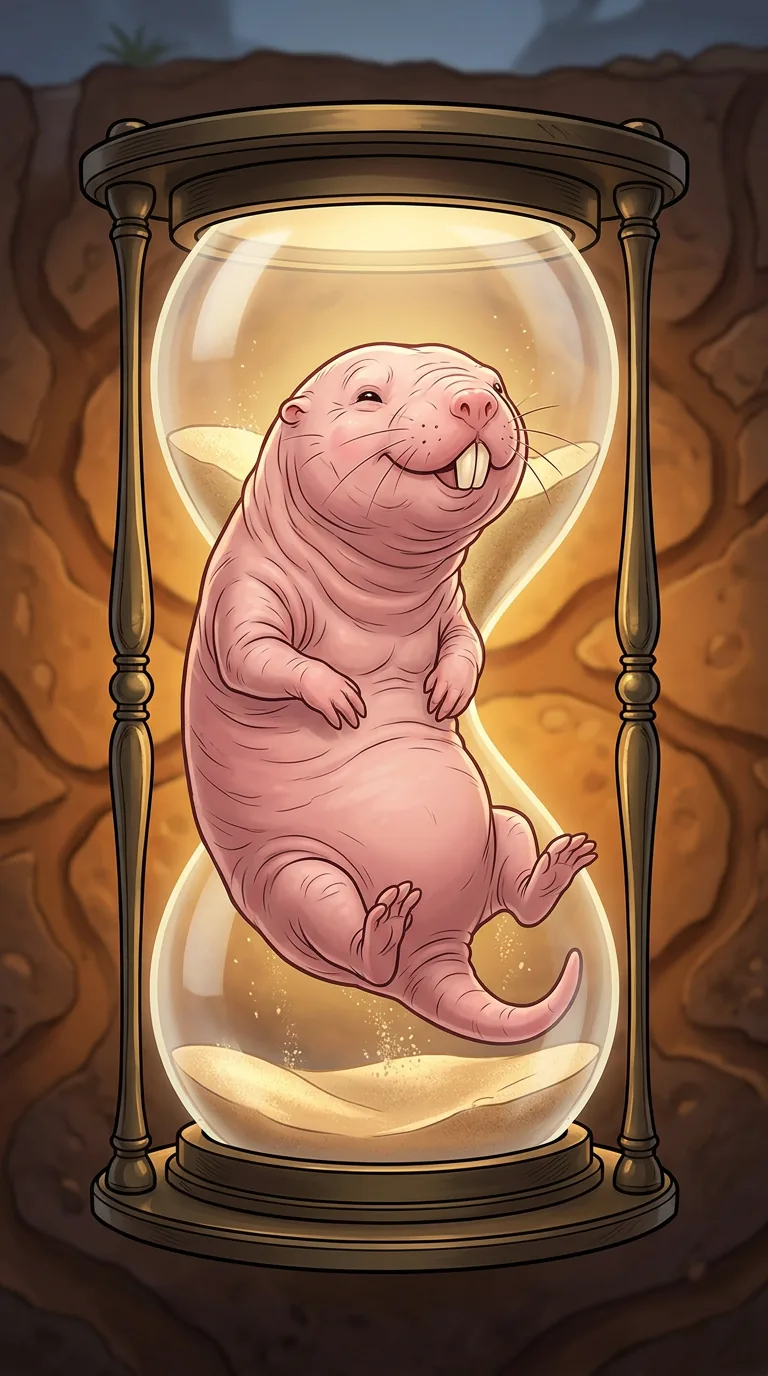
Their death rate stays flat with time, defying the Gompertz law. They live up to 32 years — ten times longer than other rodents — and survive on air with near-zero oxygen.
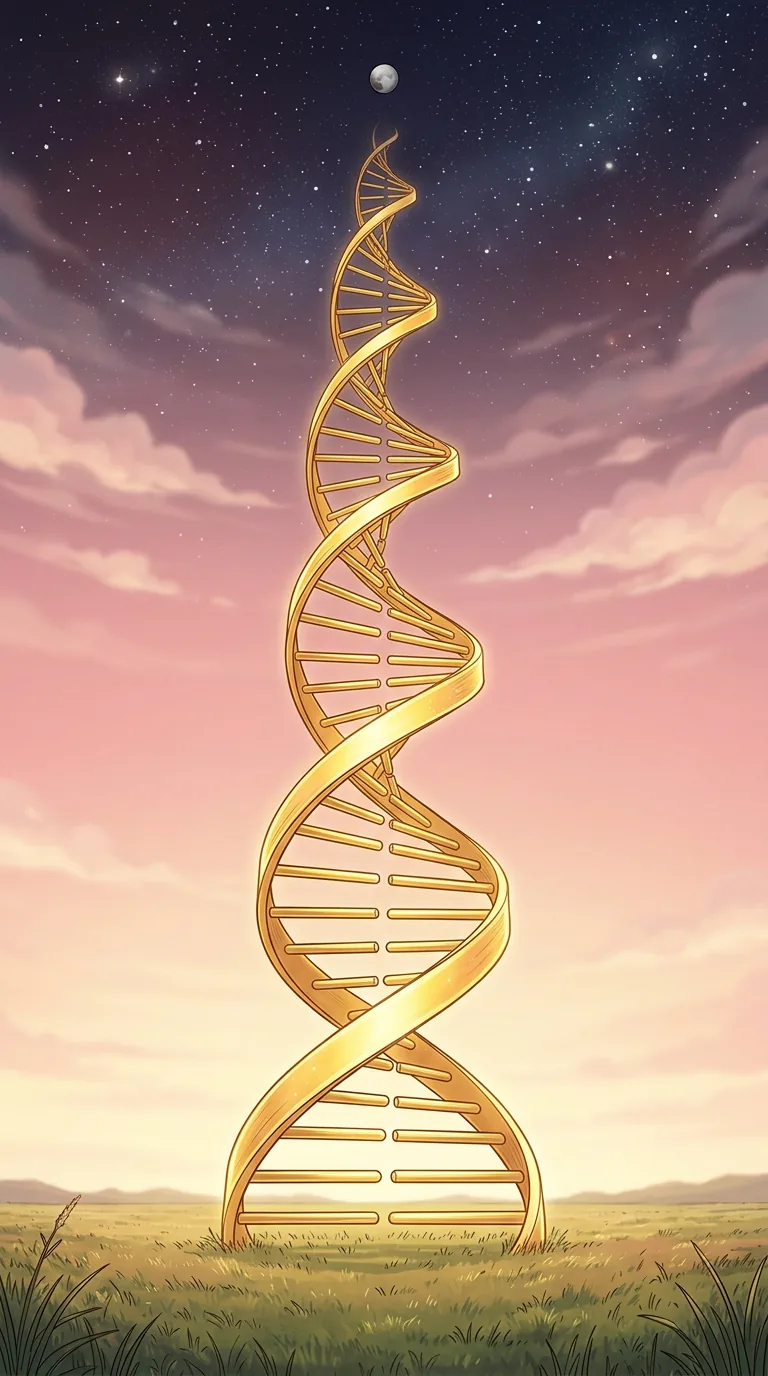
That's the Earth-to-Pluto distance, both ways, multiple times. Each of your ~30 trillion cells coils 2 m of genetic code into a nucleus 6 micrometres across.
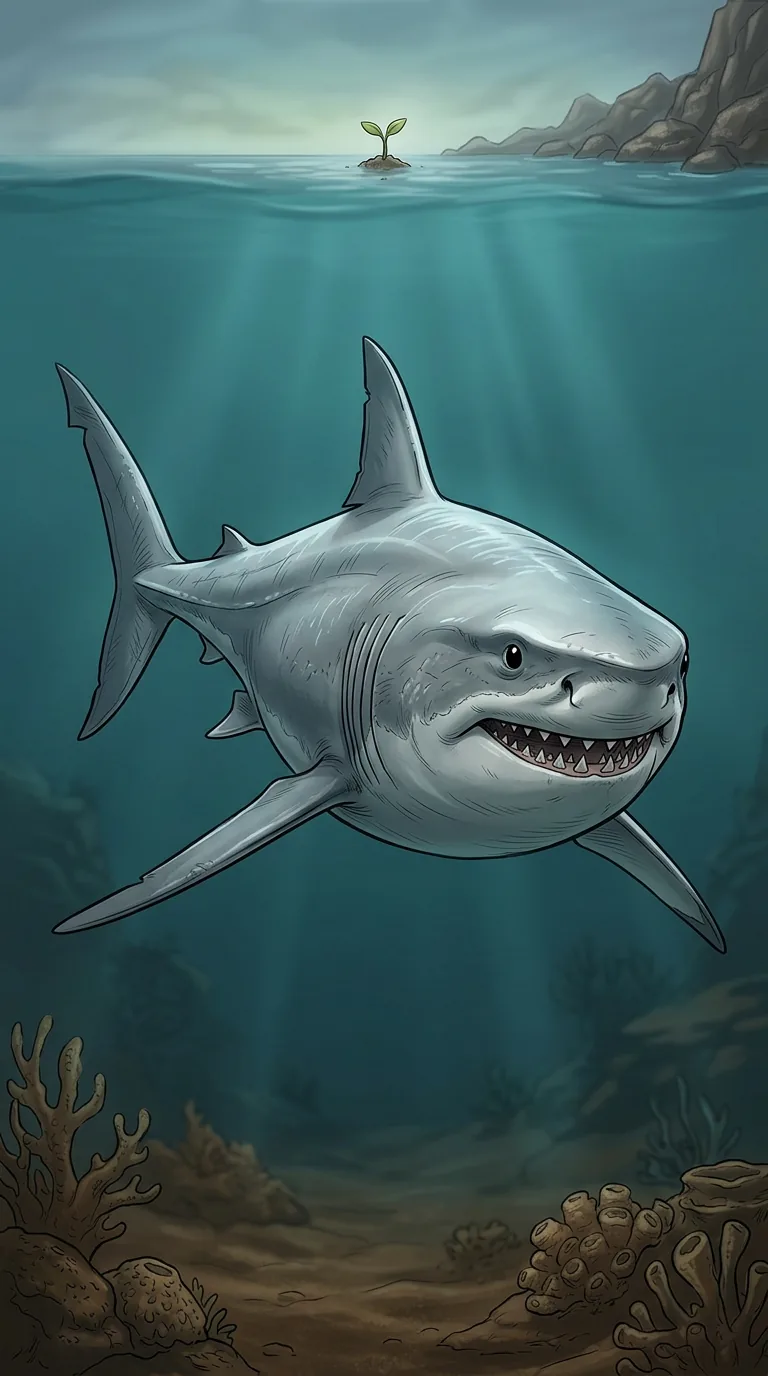
Sharks have been swimming for 450 million years. The earliest trees appeared 360 million years ago. A great white's lineage is 90 million years senior to anything growing in your yard.
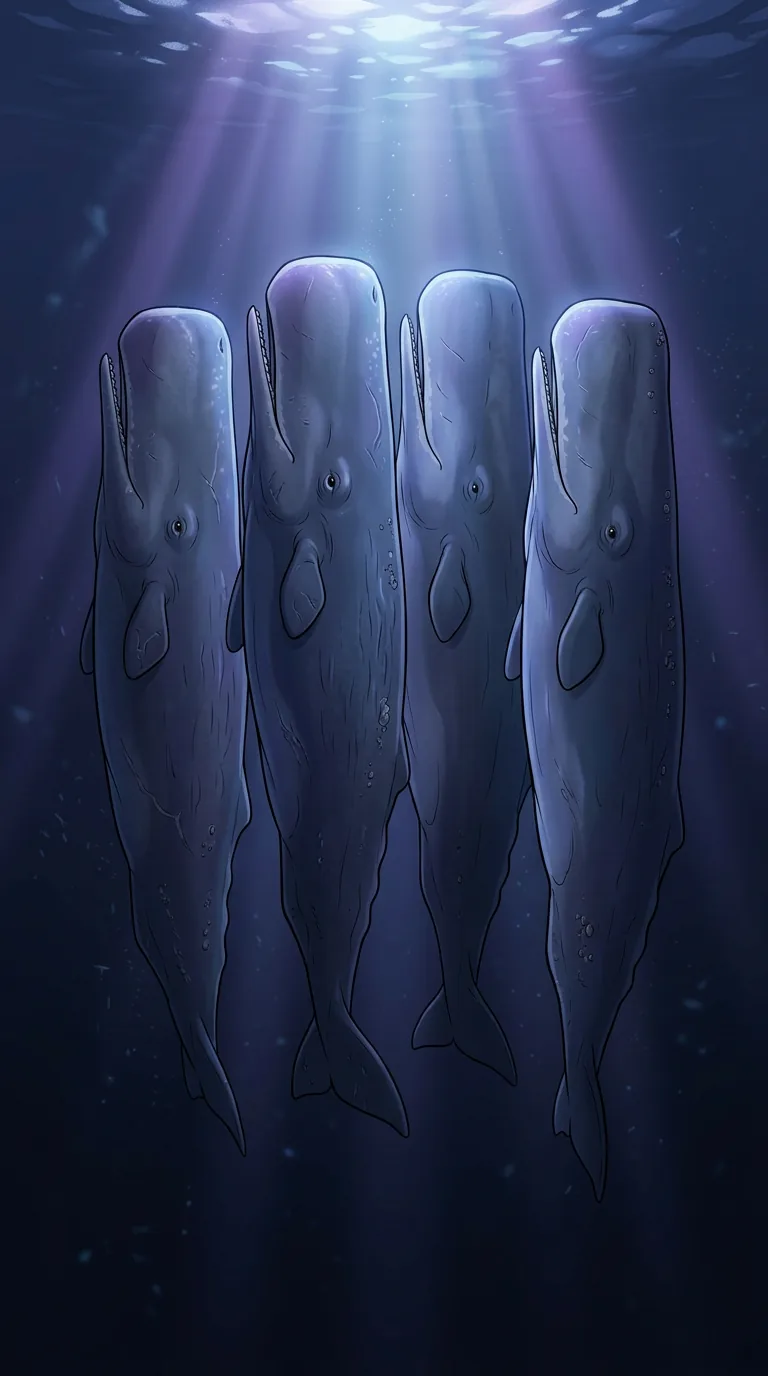
Whole pods drift motionless near the surface for ~7 minutes at a time, bodies aligned head-up. Drone footage caught it first in 2008. They sleep just 7% of their lives this way.
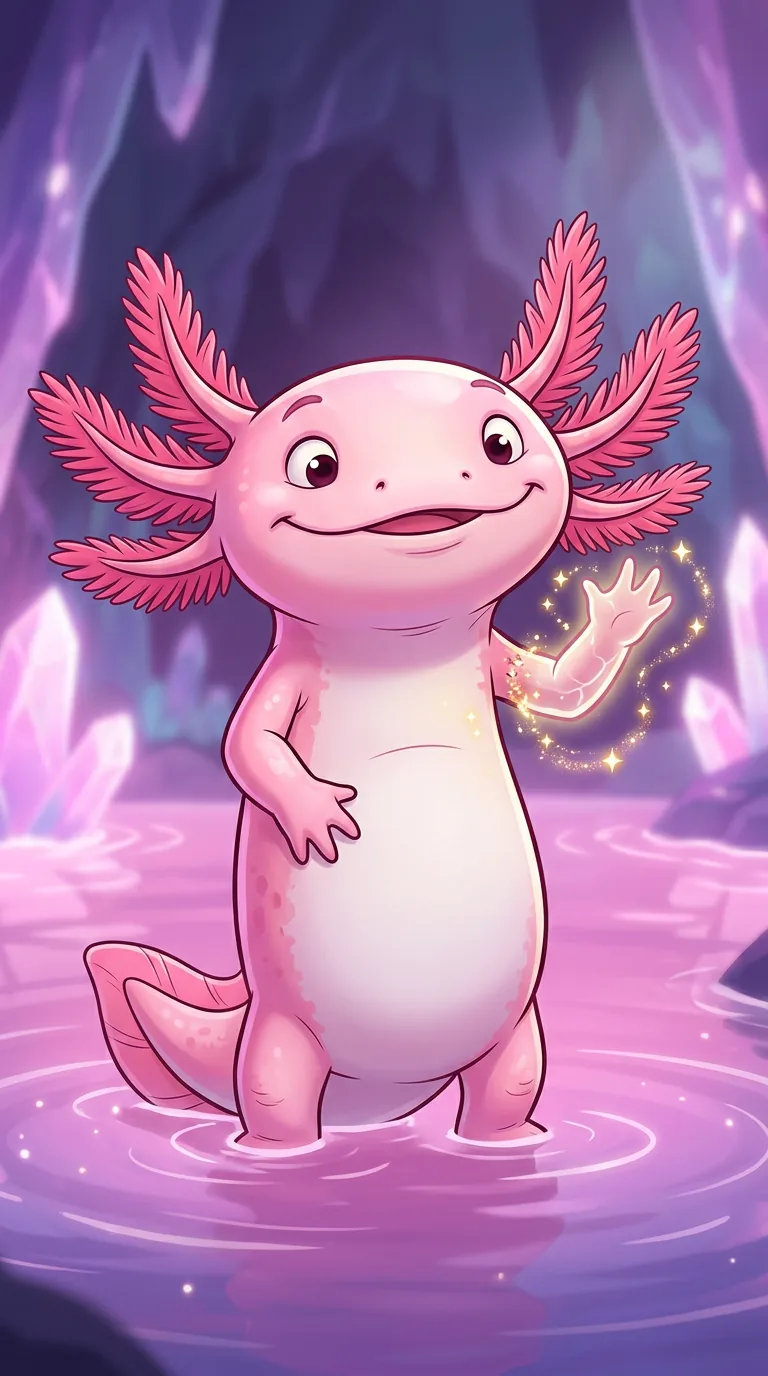
No scarring. The Mexican salamander rebuilds full appendages — bone, nerve and blood — in weeks. Researchers chase its genes hoping to unlock the same trick in mammals.
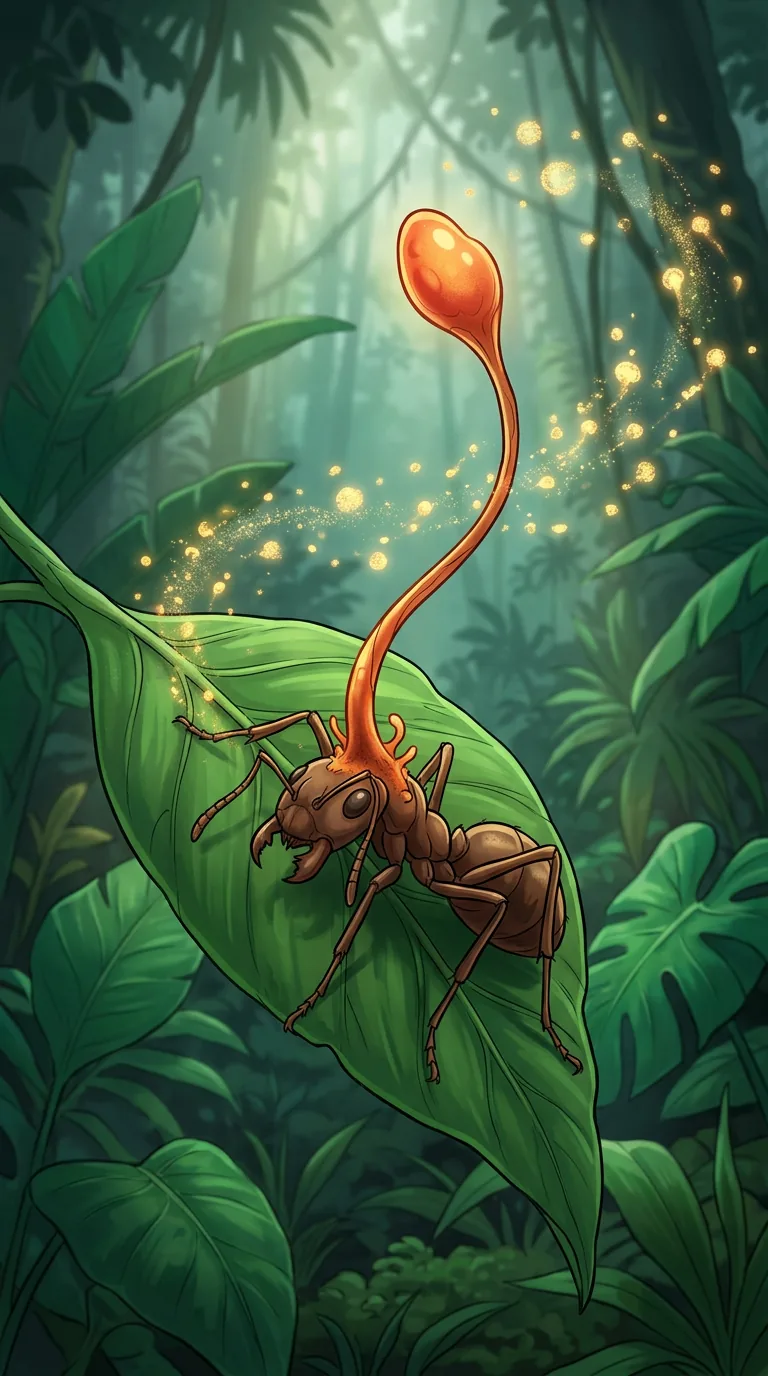
Spores hijack the ant's behaviour, force it to climb high, lock onto a leaf and die. A fruiting body then bursts from the skull to rain fresh spores onto the colony below.
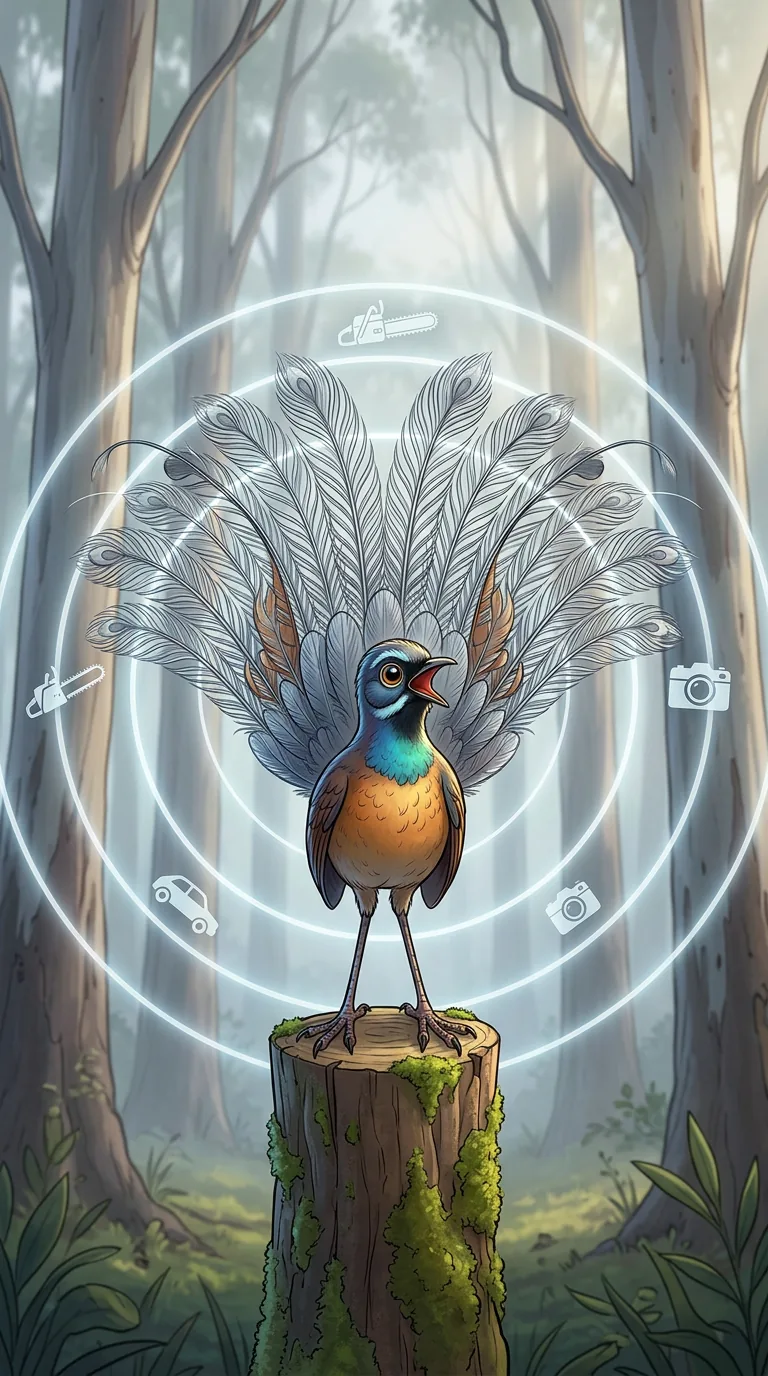
David Attenborough recorded one perfectly imitating a logger's saw, a film crew's clicks and a baby crying. Their syrinx is the most complex vocal muscle in any bird.
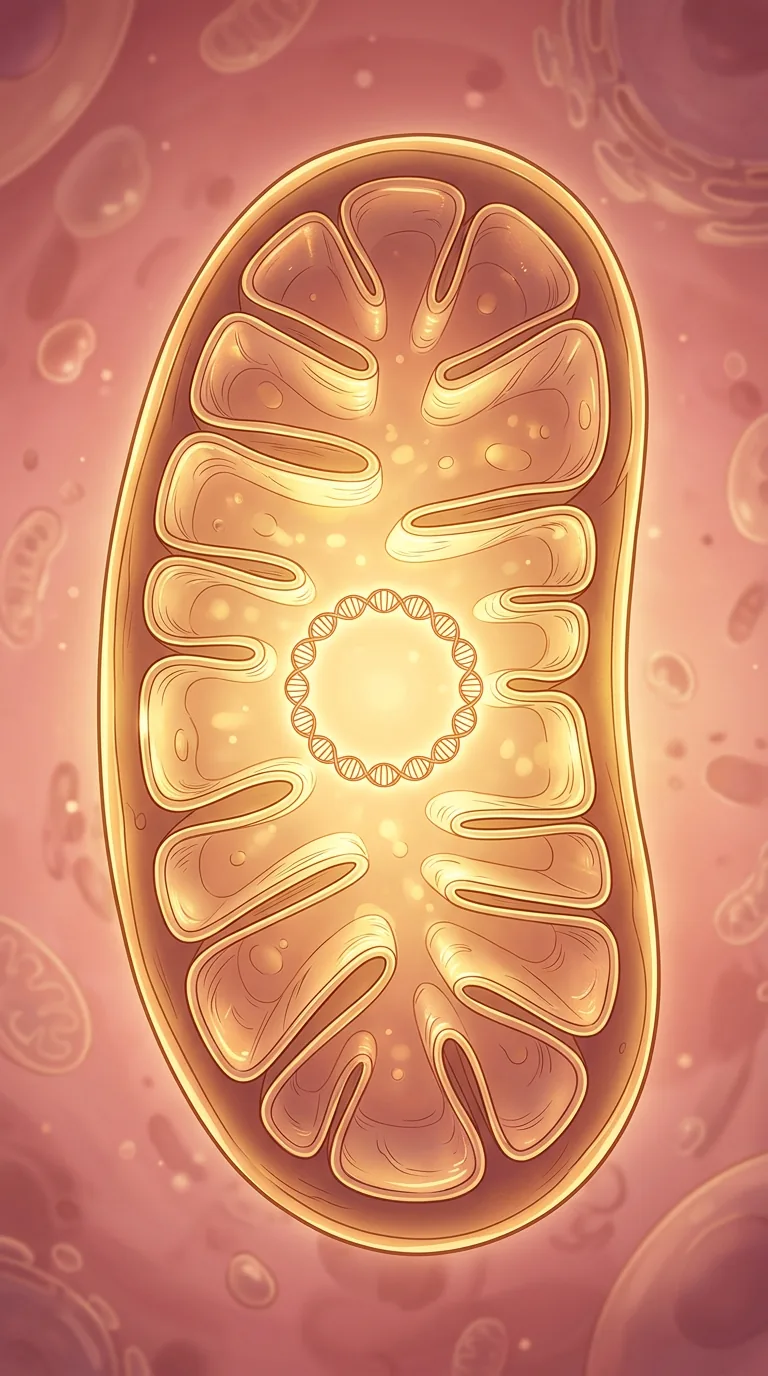
About 1.5 billion years ago a primitive cell swallowed a bacterium and never digested it. The descendants still split independently, with circular genomes you inherit only from your mother.
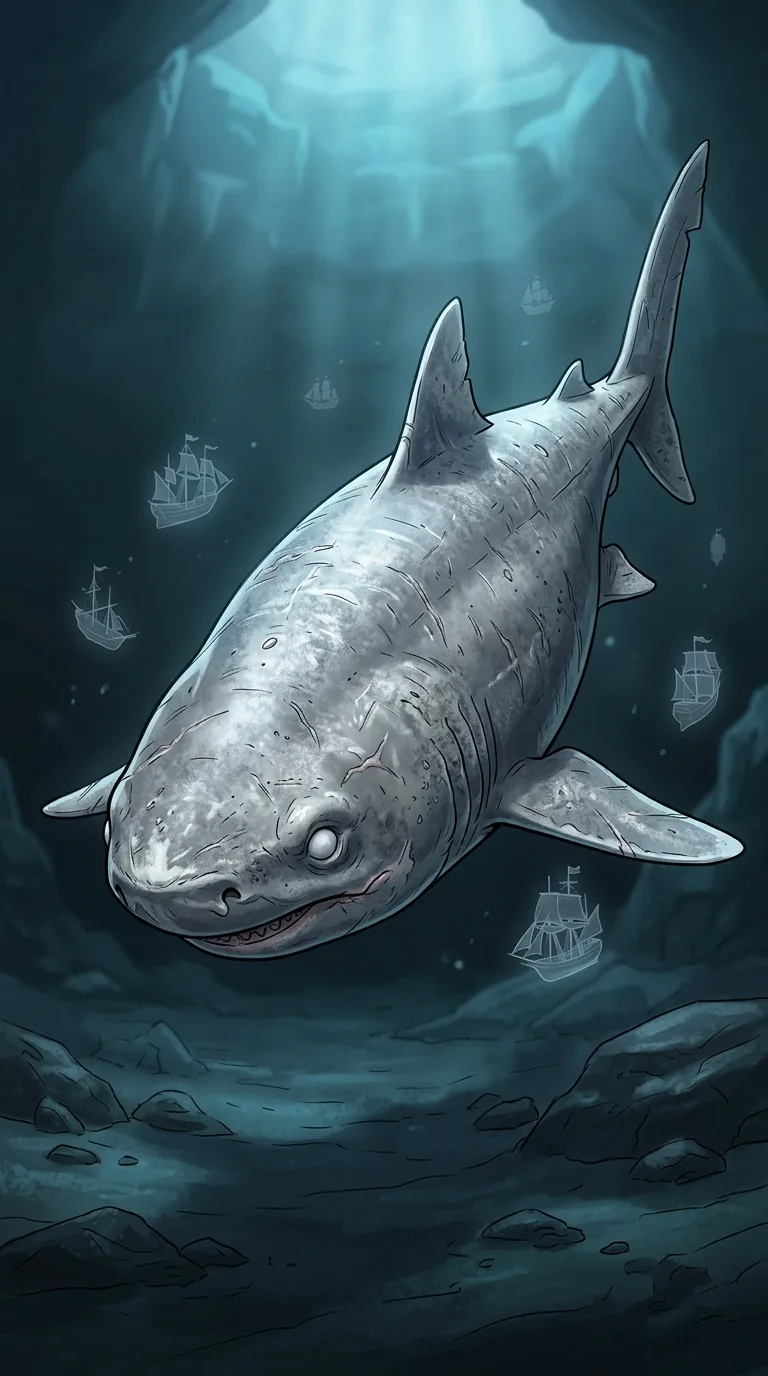
Eye-lens carbon dating in 2016 pegged her age between 272 and 512 years. She predates the Pilgrims. The species grows 1 cm a year and reaches sexual maturity at age 150.
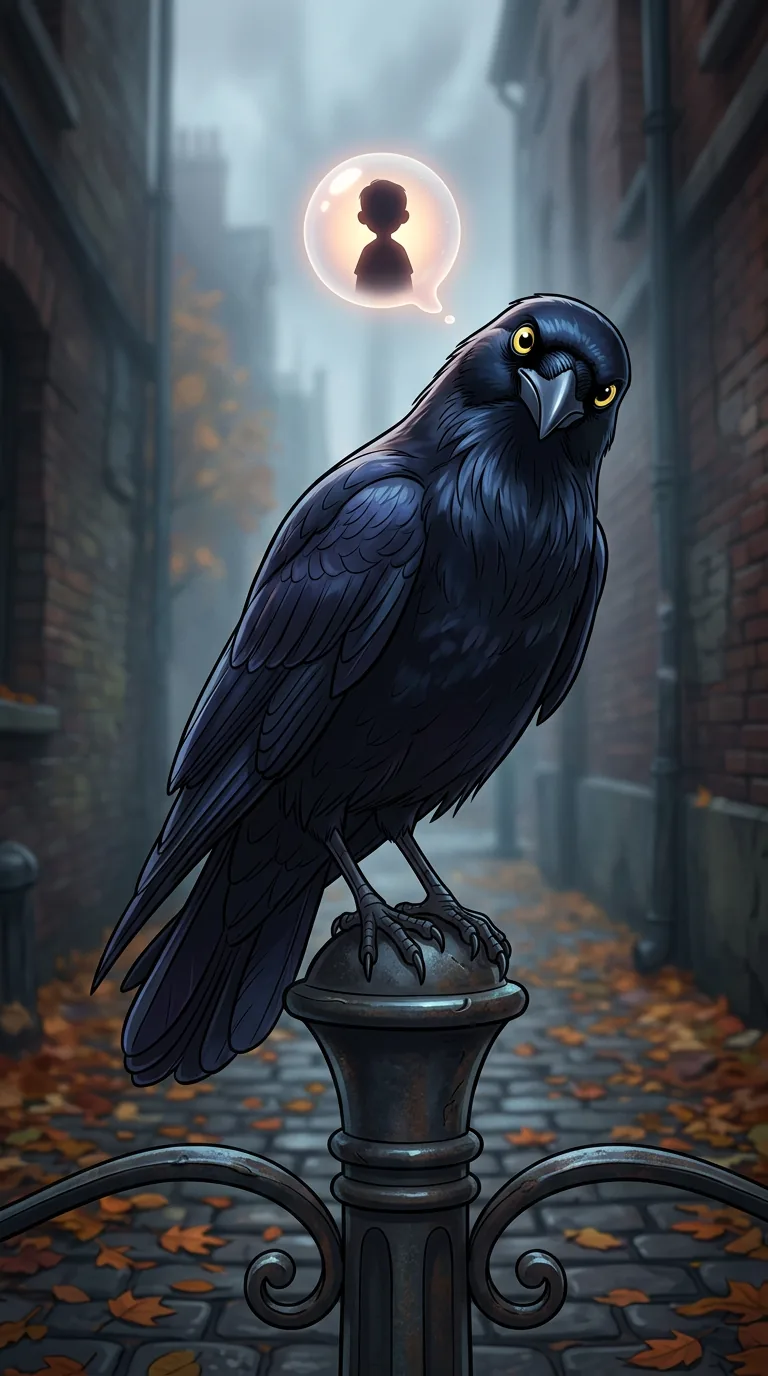
Researchers wearing "dangerous" masks at the University of Washington were scolded by entire crow flocks years later — even by birds born after the original incident.
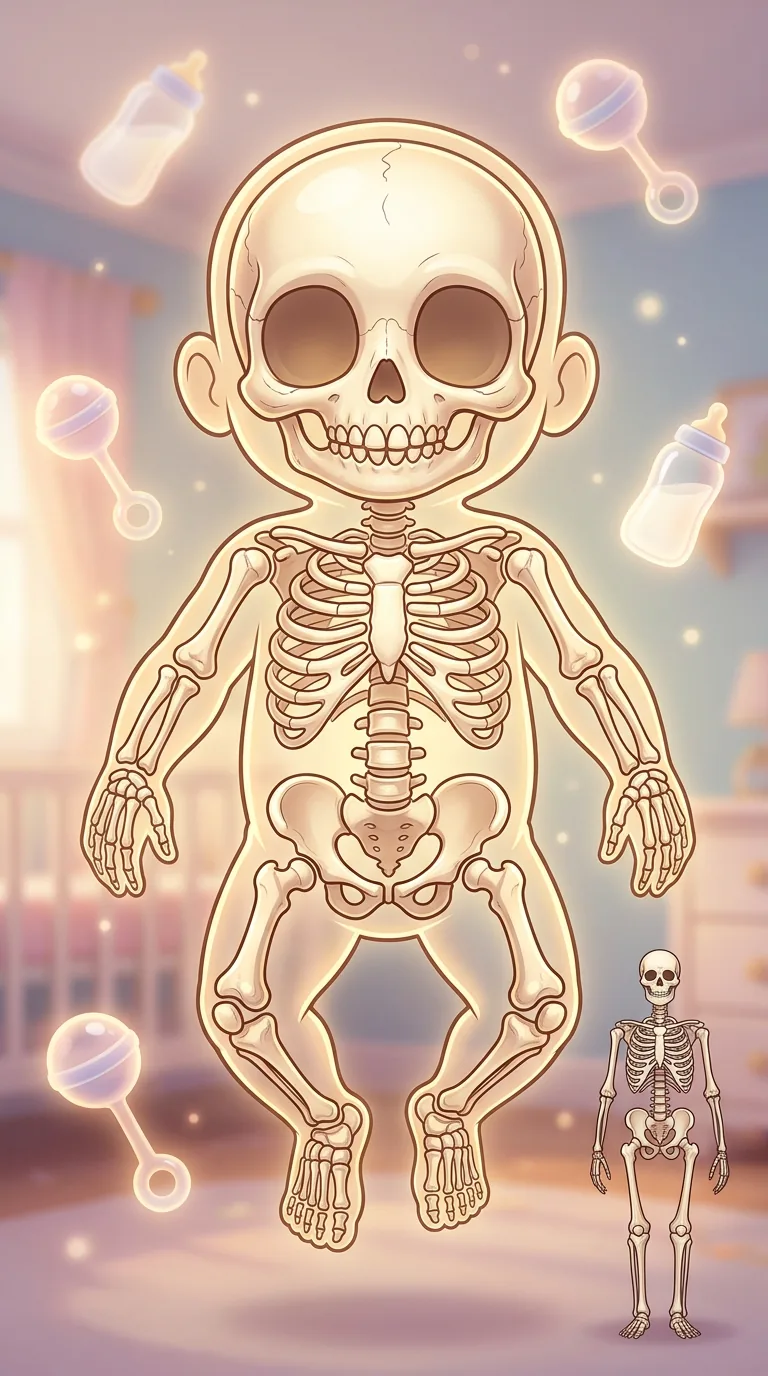
Many cartilage segments fuse during growth. The skull alone consolidates from 45 separate plates into 22. You don't lose bones over time — you merge them.
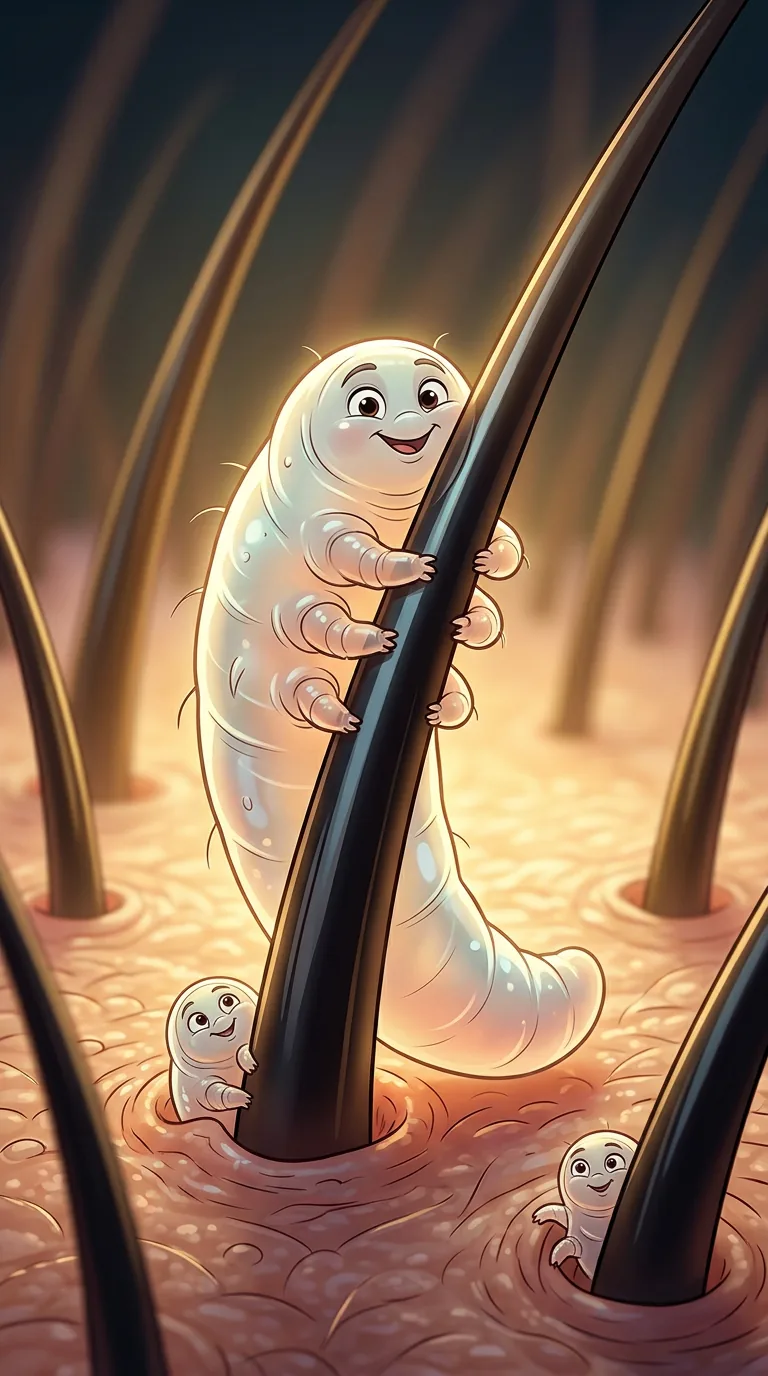
Demodex folliculorum is mostly harmless and feeds on dead skin and sebum. They have no anus: waste accumulates until they die after about 14 days, releasing it all onto your face.
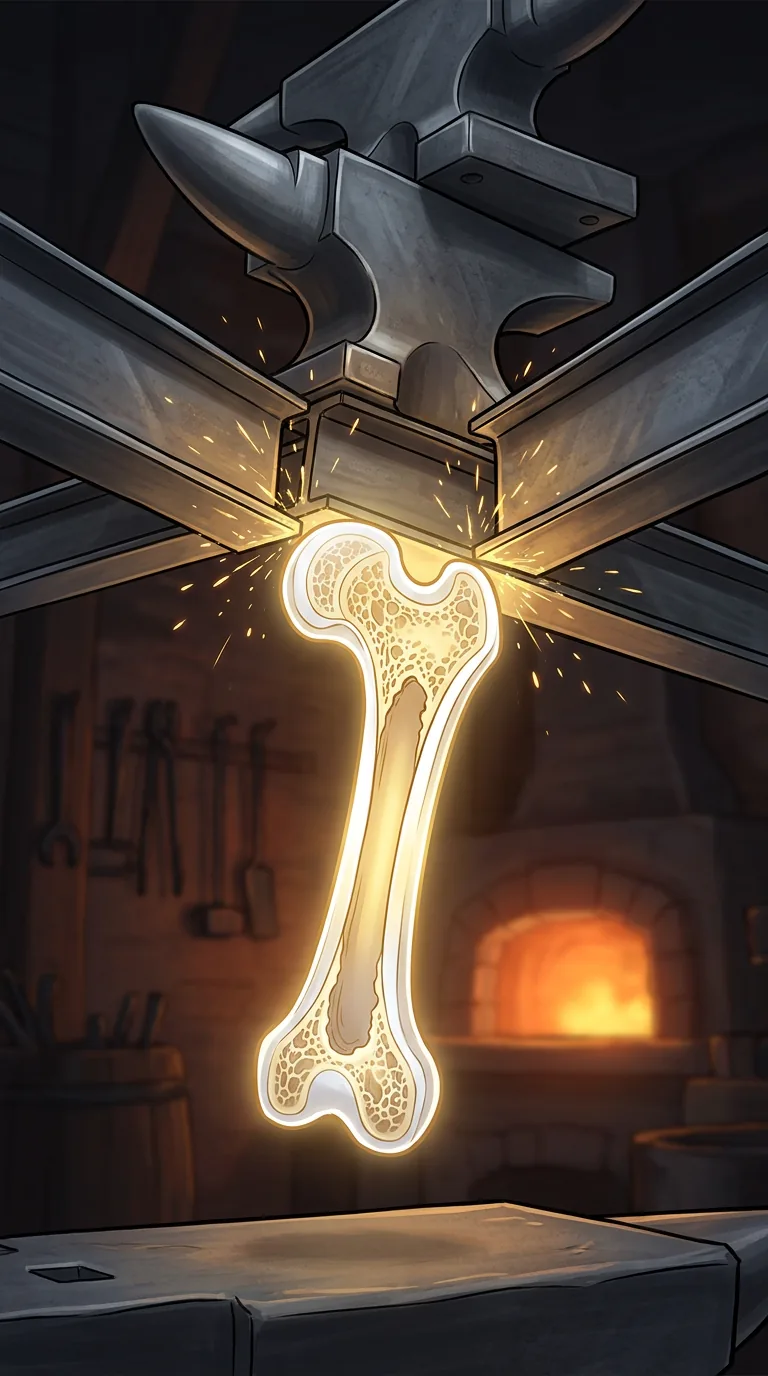
A cubic-inch chunk of bone can hold 19,000 lbs before breaking — roughly four pickup trucks. By mass, that's stronger than mild steel, and bone is alive and self-repairing.
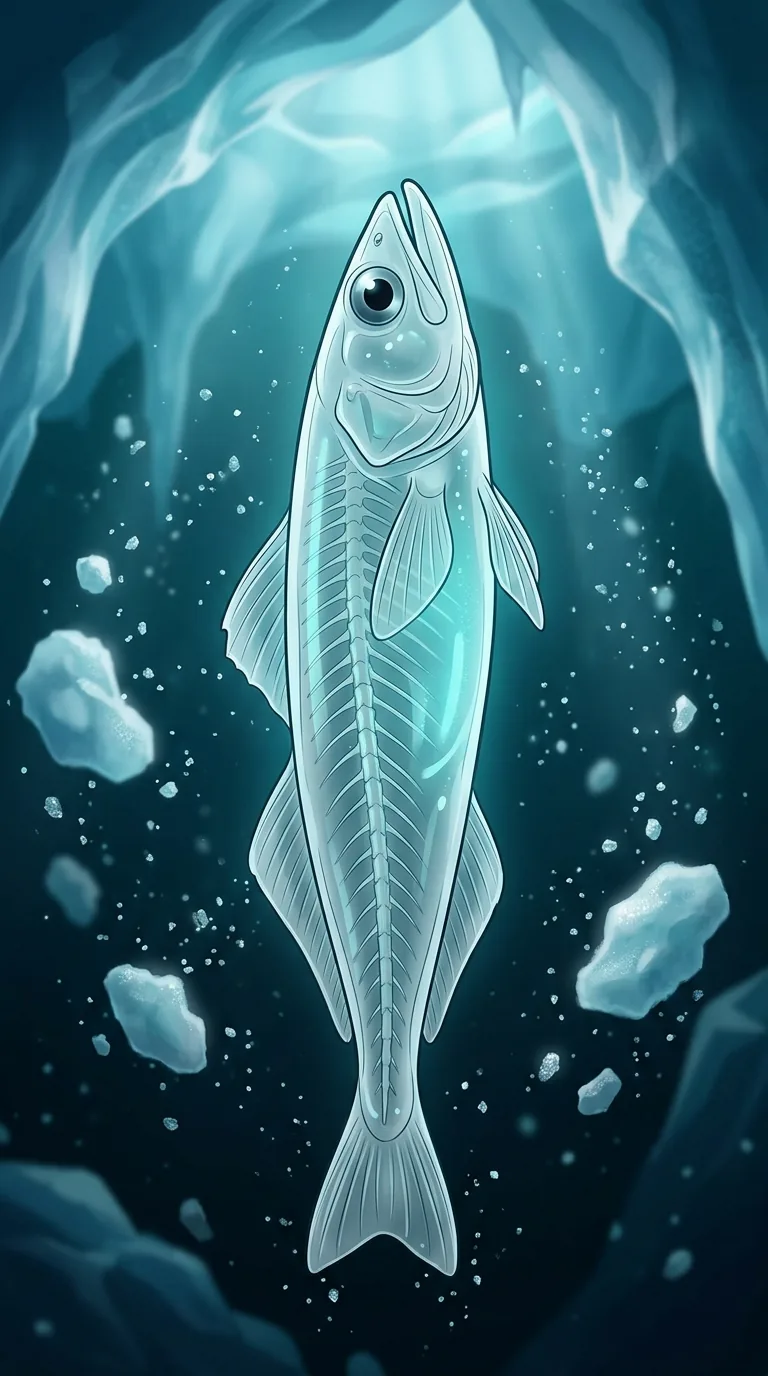
They evolved in -2°C water where oxygen dissolves directly into plasma. They're the only known vertebrates without red blood cells; their hearts are oversized to compensate.
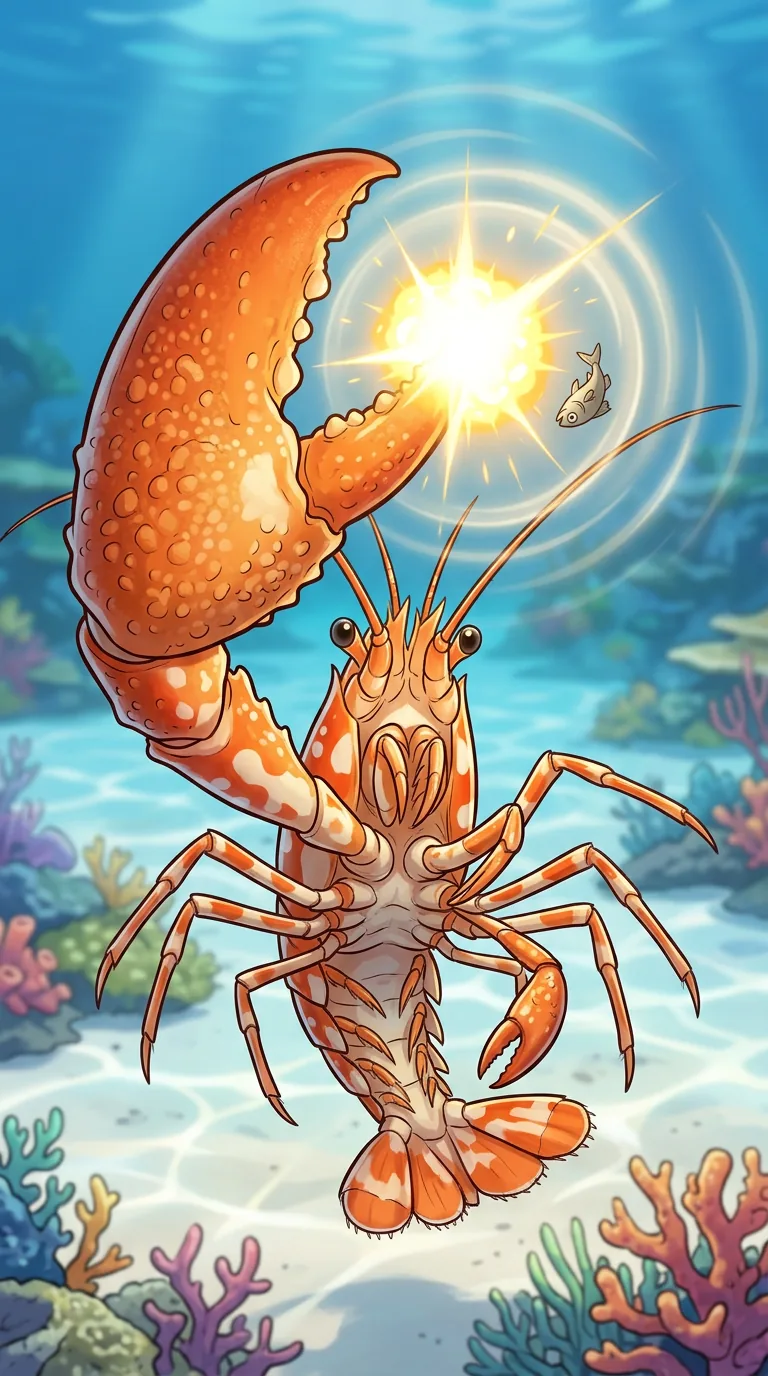
The cavitation bubble reaches the surface temperature of the Sun with a flash of light. The shockwave alone stuns or kills prey from a centimetre away — no contact needed.

A 2014 Rockefeller study upended the old "10,000 odours" figure. With ~400 olfactory receptors, the combinatorial math gives you a vastly richer scent world than anyone realised.
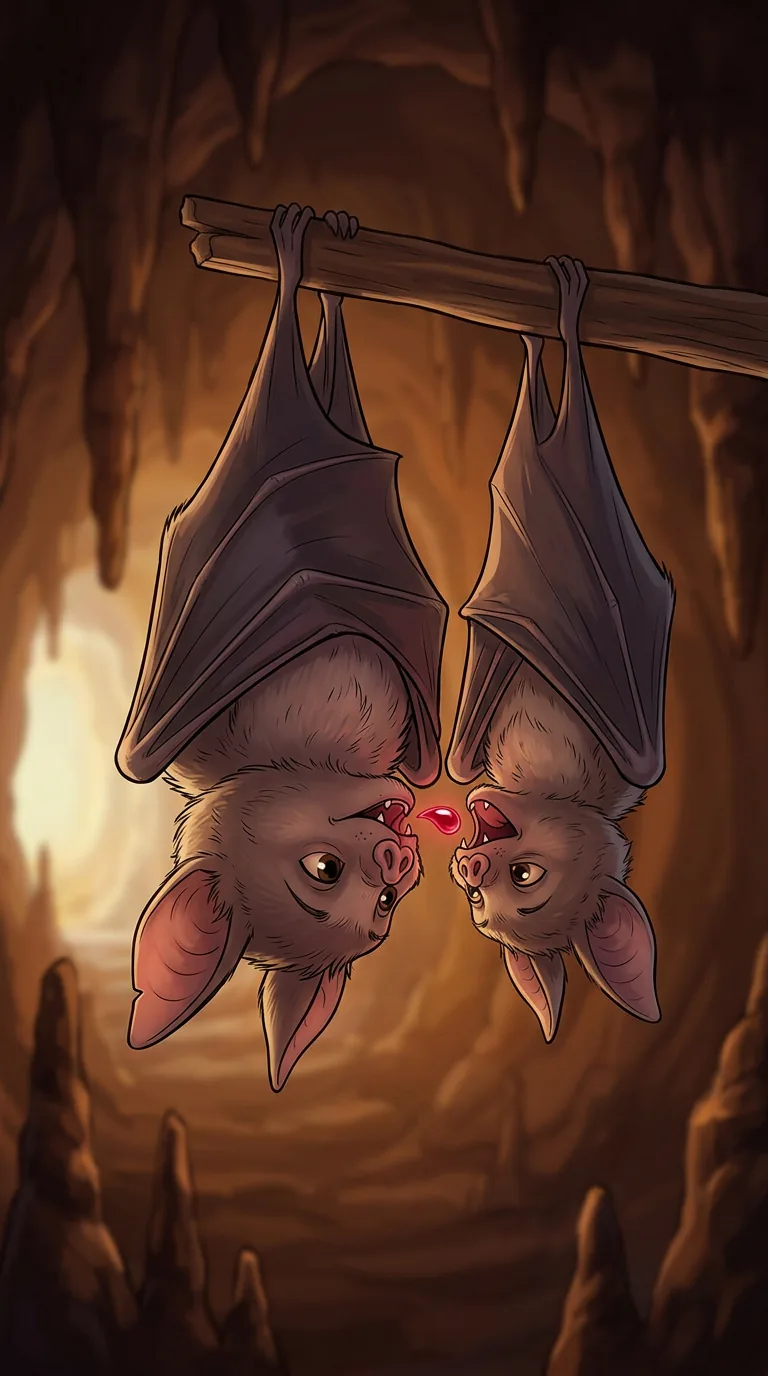
Lab studies show bats remember who fed them and return the favour. It's the clearest documented case of reciprocal altruism outside primates.
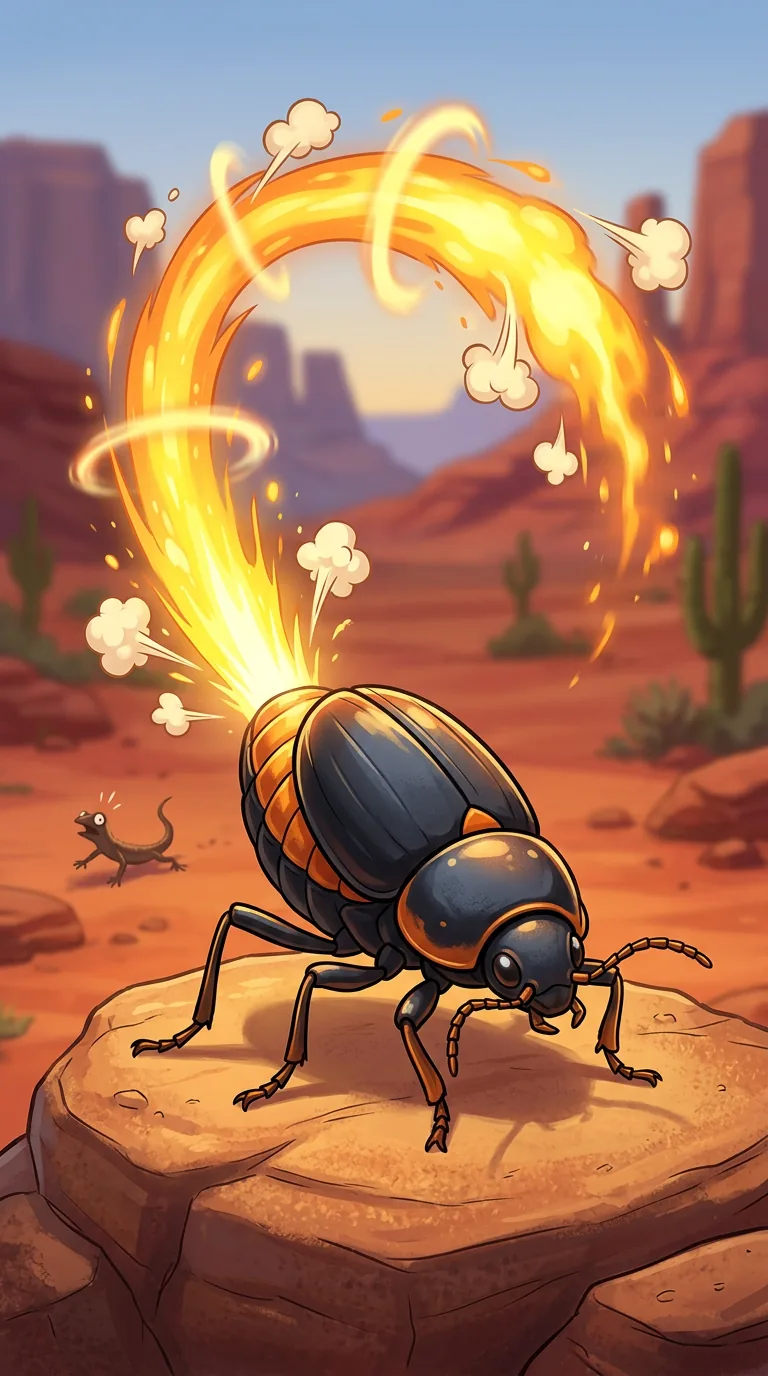
Two precursor chambers mix on demand into a violent exothermic jet that pulses 500 times a second. The beetle aims with sniper accuracy and can fire in any direction.