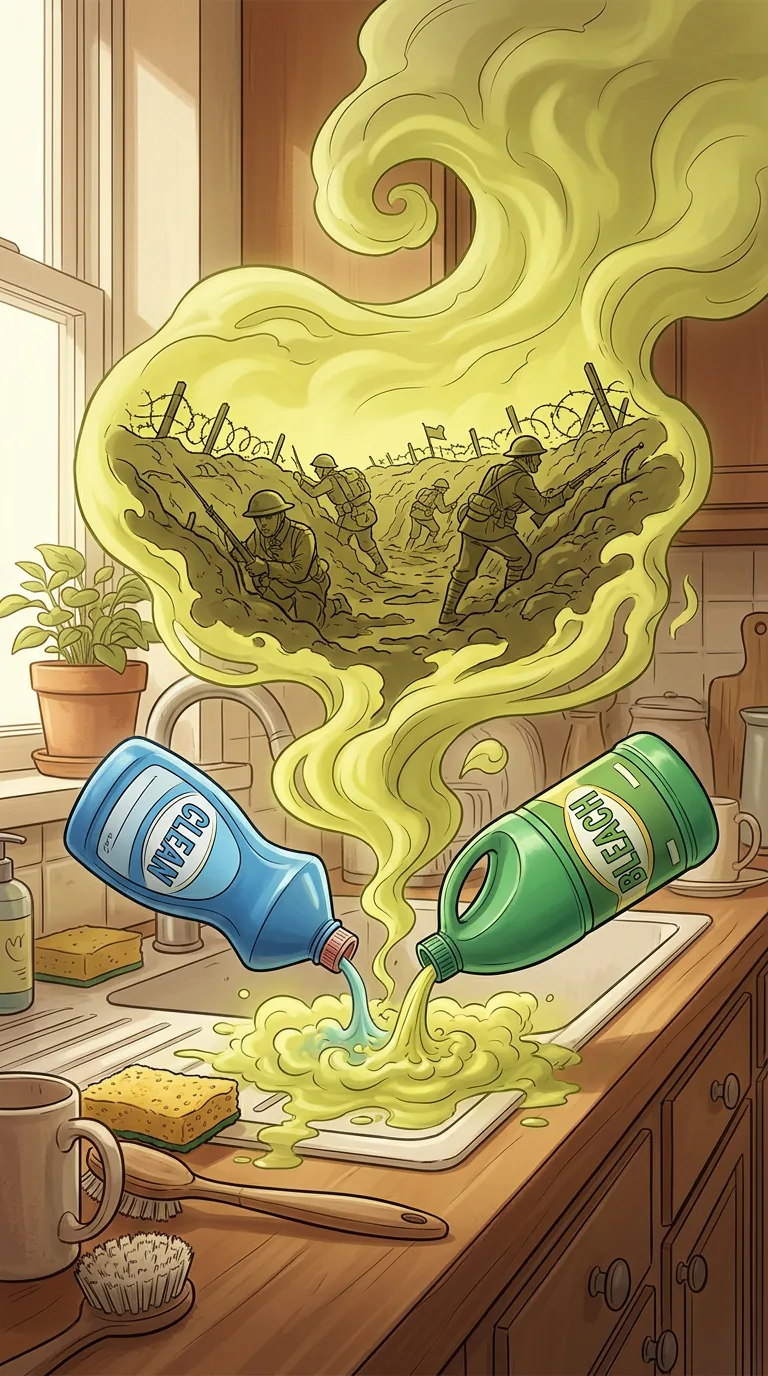
Mixing bleach and ammonia in cleaning products produces a gas used in World War I.
Bleach plus ammonia releases chloramine vapours — same family as the lethal chlorine gas of 1915. Never mix household cleaners — warning labels are not decoration.

NOW WATCHING
Chemistry · Facts

Bleach plus ammonia releases chloramine vapours — same family as the lethal chlorine gas of 1915. Never mix household cleaners — warning labels are not decoration.
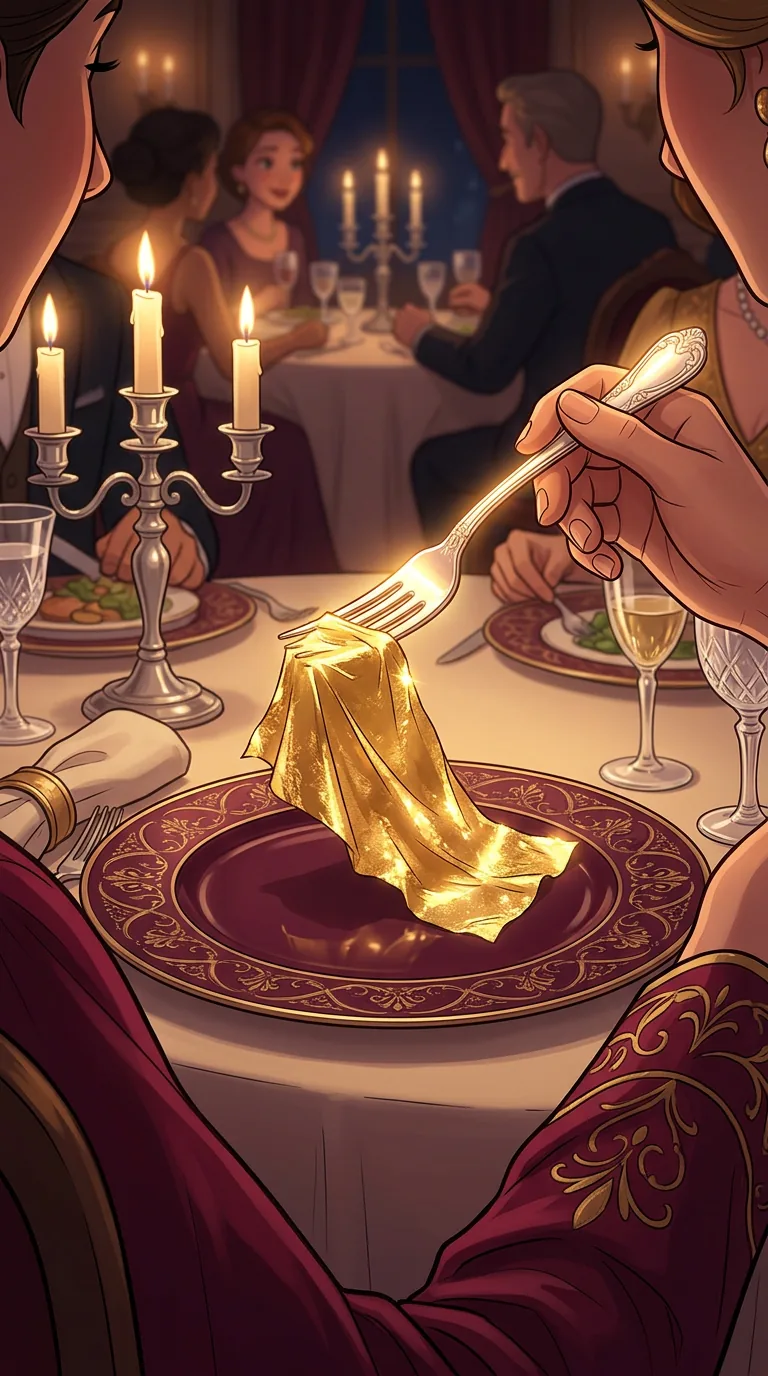
Edible gold leaf passes through unchanged because gold is inert. It interacts with almost nothing biological, which is also why it has remained valuable for 5,000 years.

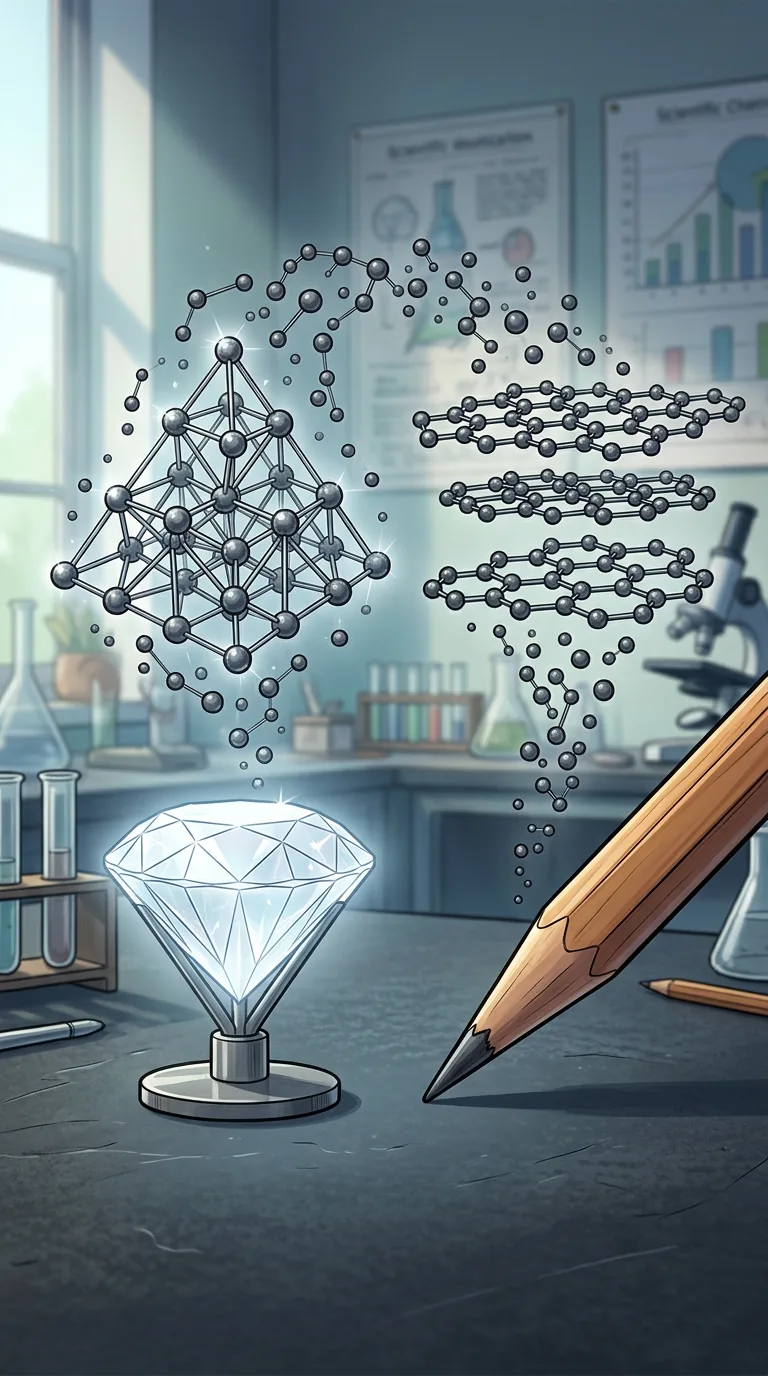
Both are pure carbon. Diamond's tetrahedral lattice makes it the hardest natural material; graphite's loose sheets make it one of the softest. Same atom, opposite properties.

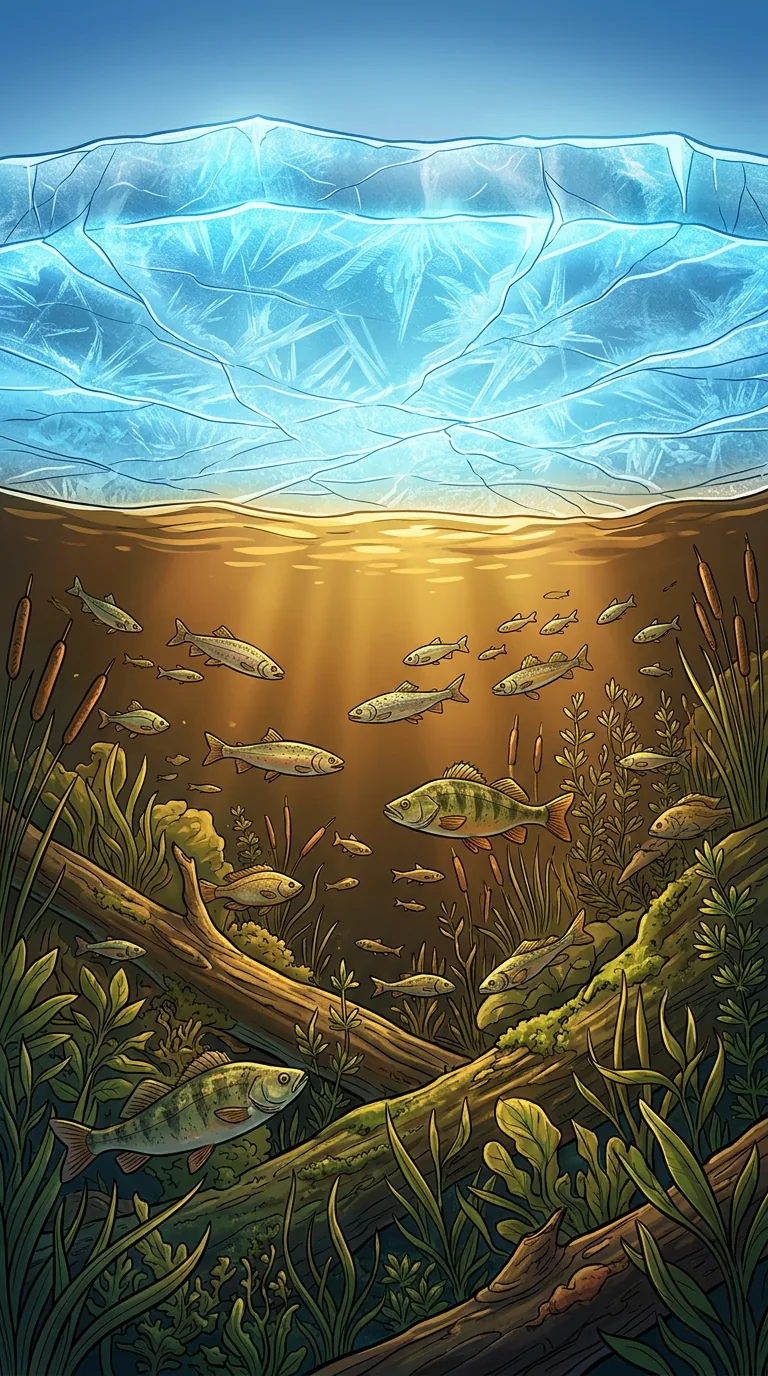
Most liquids contract on freezing. Water's hydrogen bonds force ice into an open lattice. Without this quirk, lakes would freeze bottom-up and life as we know it couldn't exist.

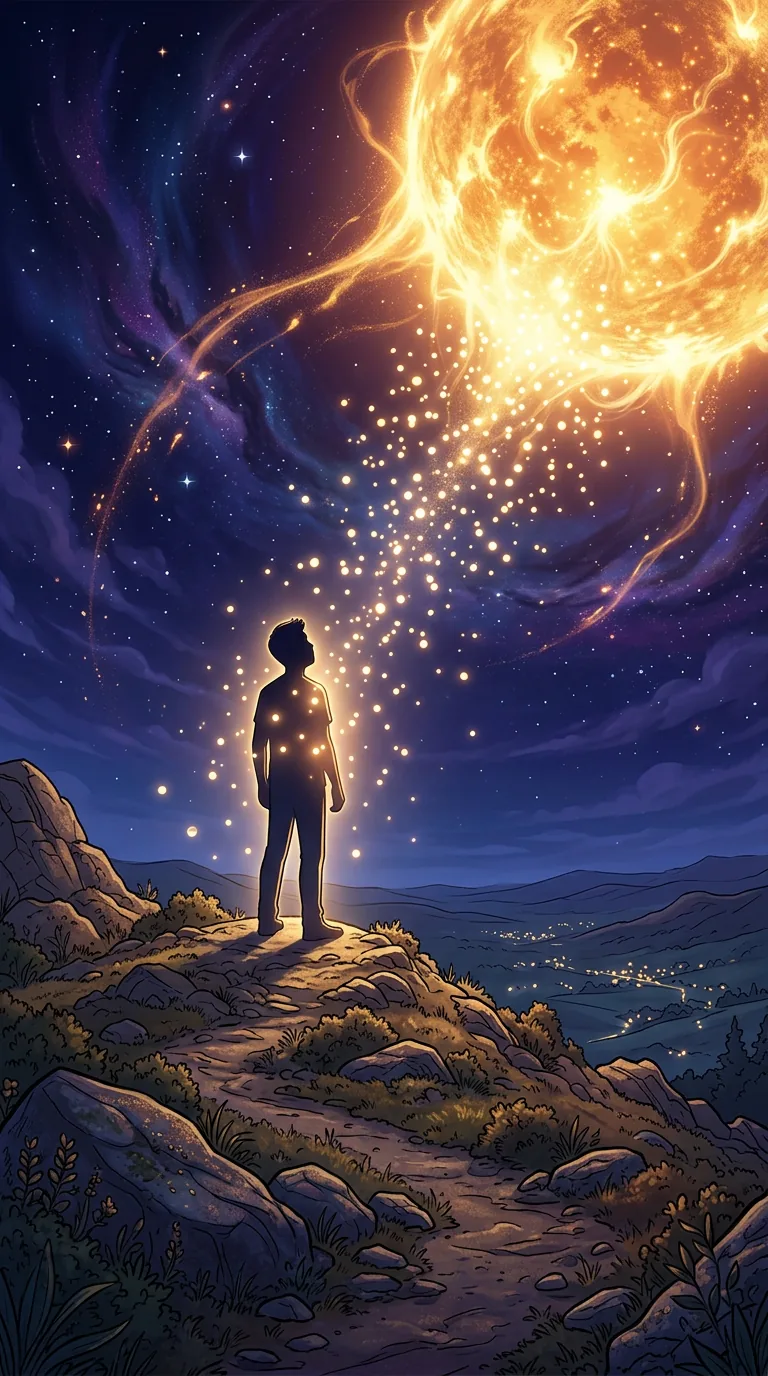
Stellar nucleosynthesis built carbon, oxygen, iron and the rest in stellar cores, then scattered them in supernovae. Your atoms are recycled from stars that exploded billions of years ago.

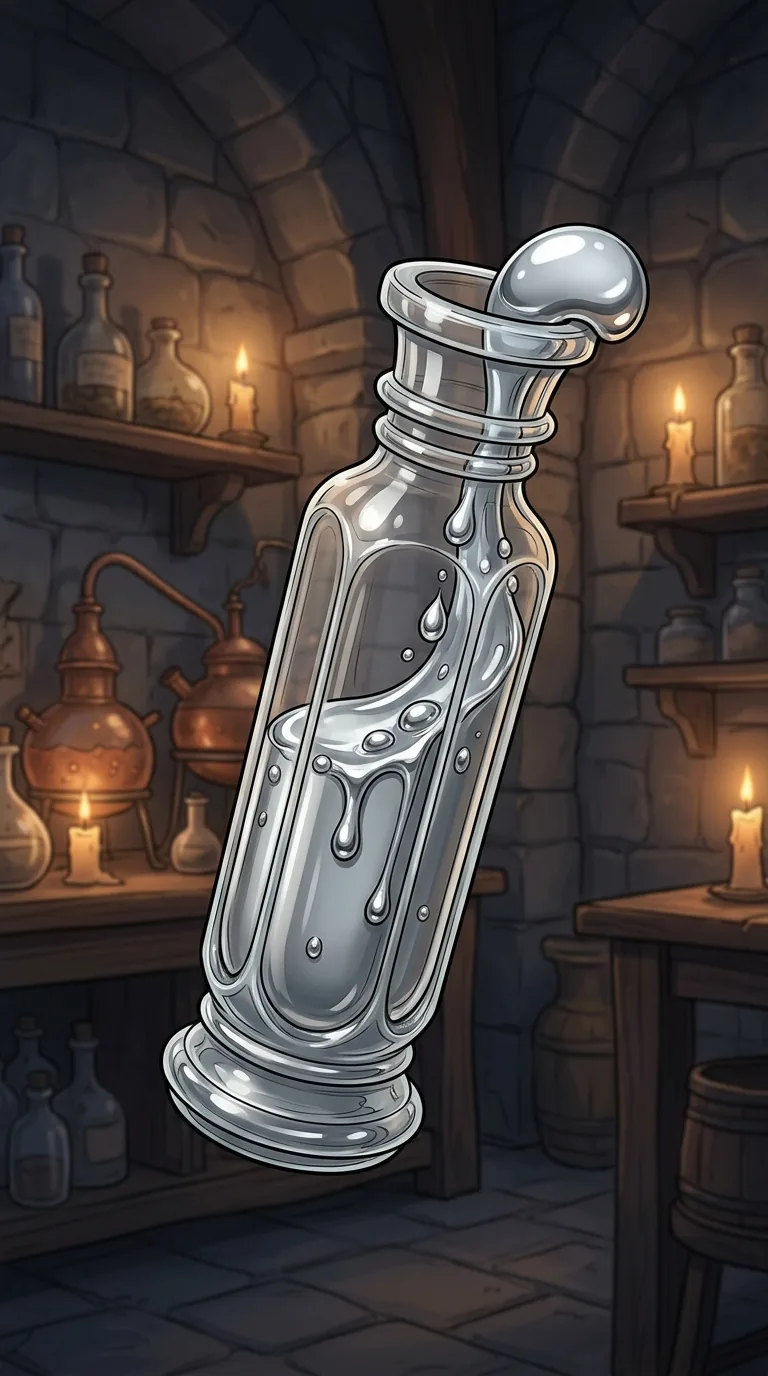
It melts at -39°C. Drop a bead on a desk and it rolls in shiny silver pools. It's also 13.5 times denser than water — one litre weighs as much as a large dog.

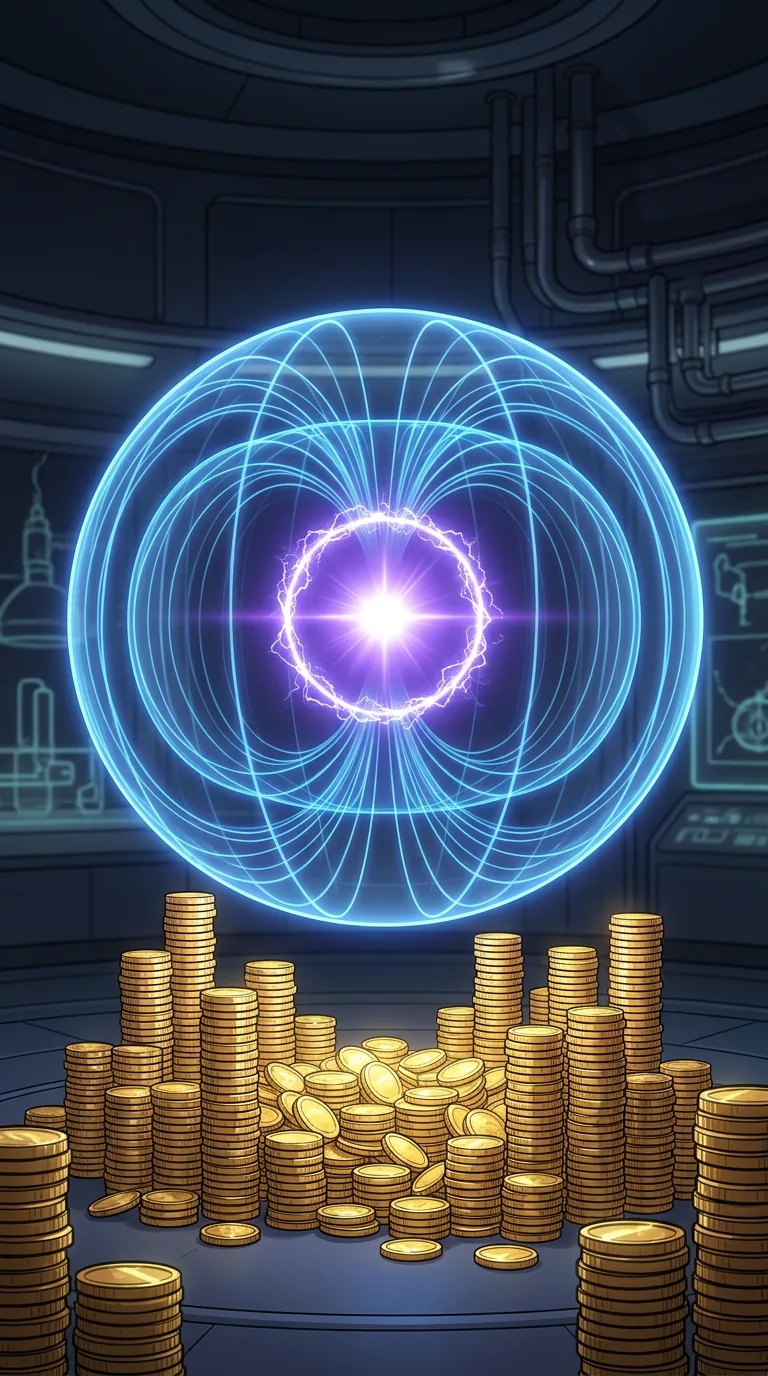
CERN makes only a few atoms per year. Mixed with normal matter, antimatter annihilates into pure energy — the most efficient fuel possible, and the most expensive substance ever priced.

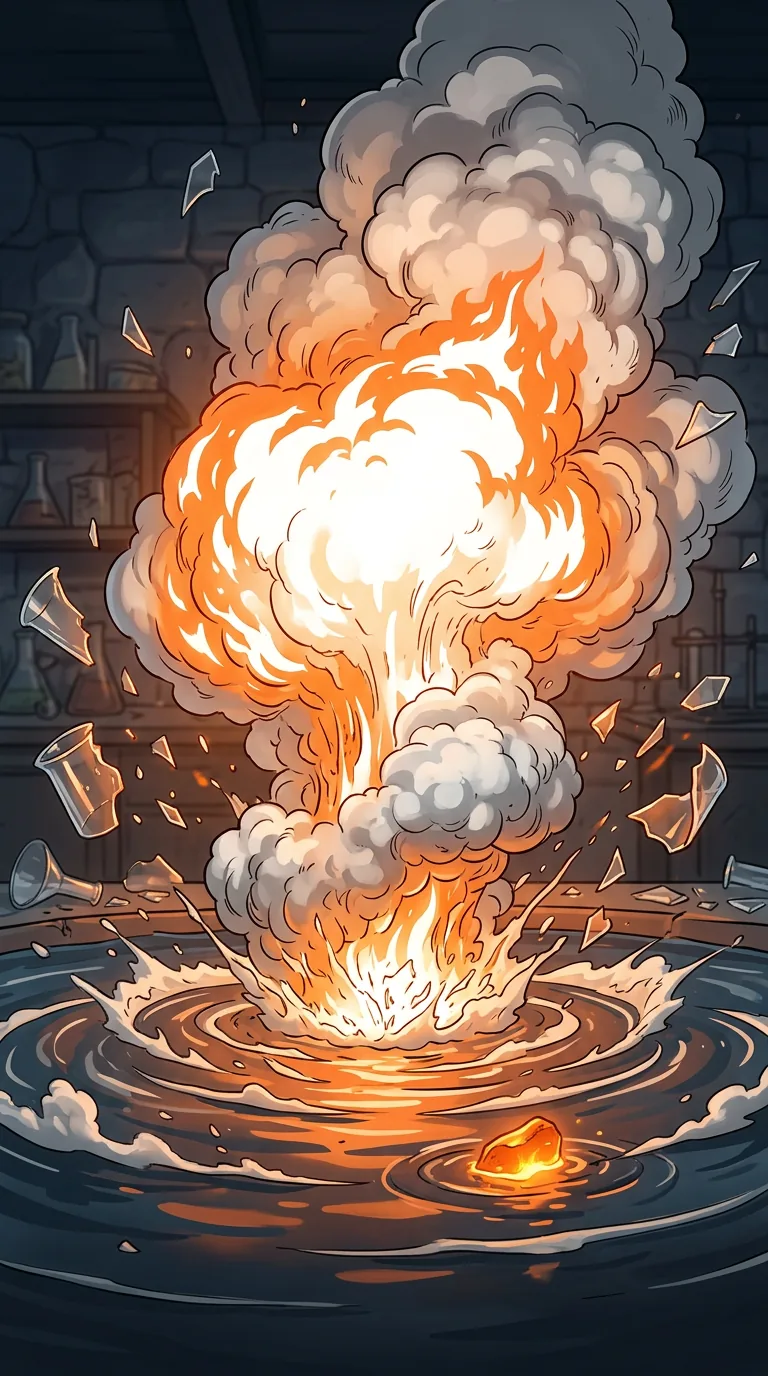
The alkali metal releases so much heat reacting with H₂O that hydrogen gas ignites mid-reaction. A pea-sized chunk turns a bathtub into a shrapnel-filled crater within milliseconds.

Everything else combined — all stars, planets, people, gold, oxygen — is the other quarter. Hydrogen is older than the first stars; it formed within minutes of the Big Bang.

You'd need to eat about 10 million in one sitting to die from the radiation. The "banana equivalent dose" is a real informal unit physicists use to compare radiation exposures.

In the 1850s Napoleon III served honoured guests on aluminium plates while lesser nobles ate from gold. The Hall-Héroult process in 1886 made it cheap; today we wrap leftovers in it.

Streptomyces release geosmin when they perish. Your nose detects it at 5 parts per trillion — one of the most sensitive smells humans have, sharper than a shark's blood detection.

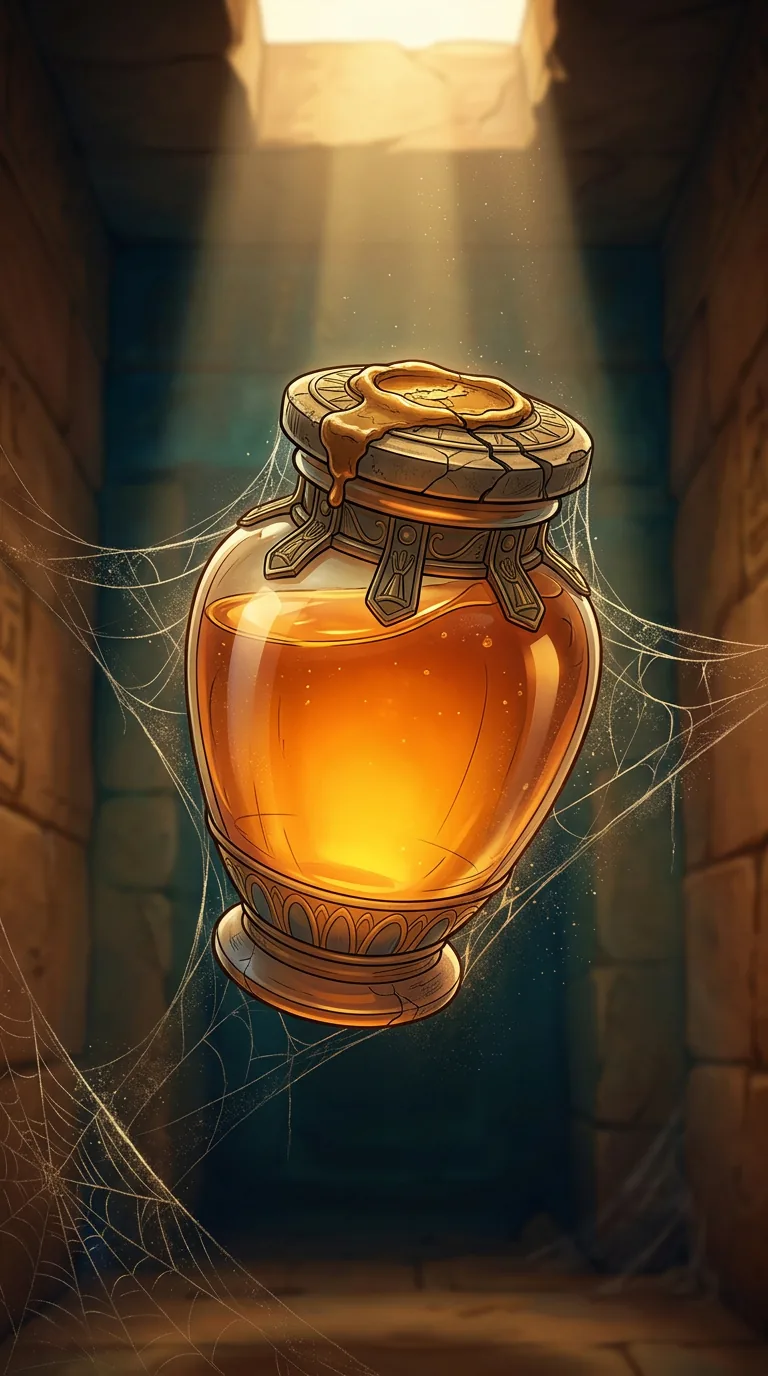
Honey's low water content and acidic pH make it a chemical hostile zone for microbes. Jars sealed since the pharaohs have been opened and tasted, perfectly preserved.

French astronomer Pierre Janssen spotted its spectral line during the 1868 solar eclipse. The element was named after Helios — the Sun — long before chemists could isolate it from rocks.

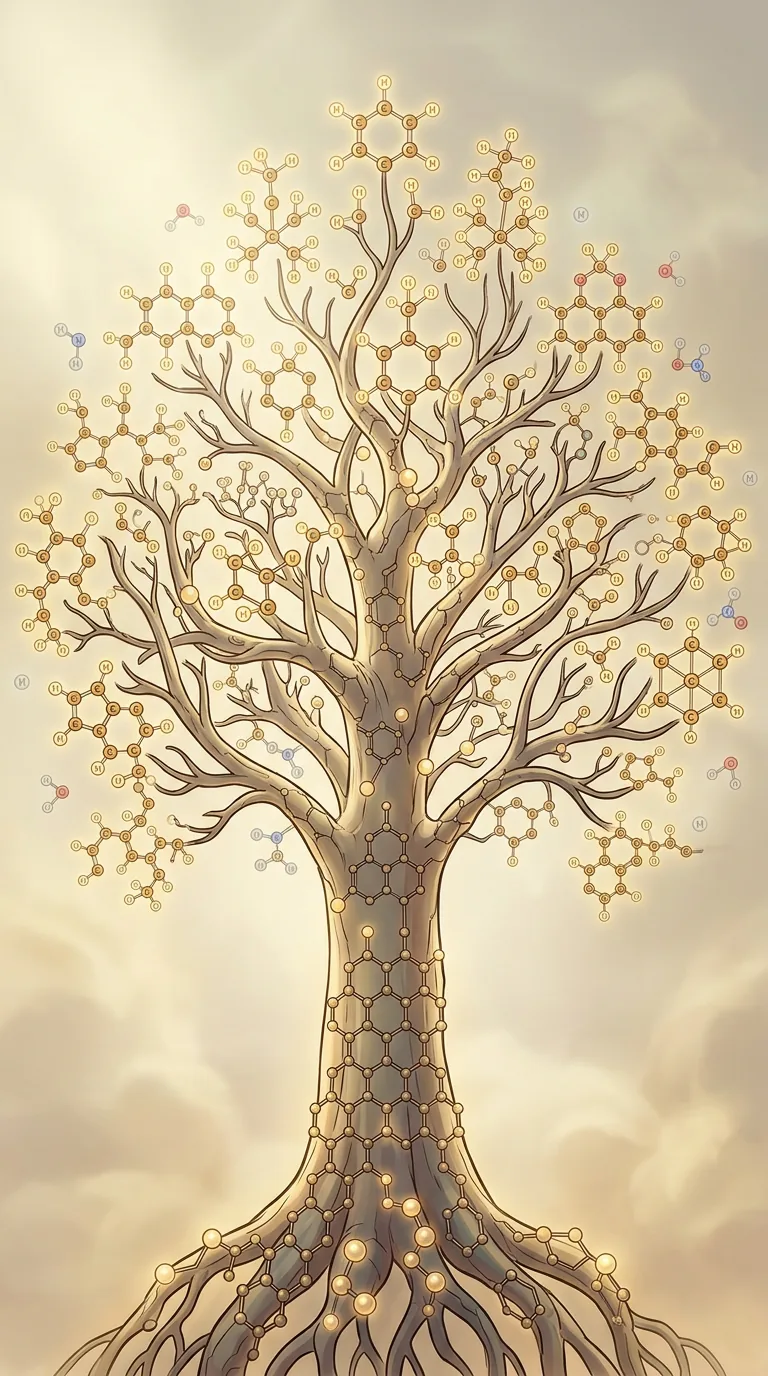
Over 10 million carbon-based molecules are known, versus roughly 200,000 inorganic ones. The flexibility of its four bonds is the entire reason organic chemistry — and life — exists.

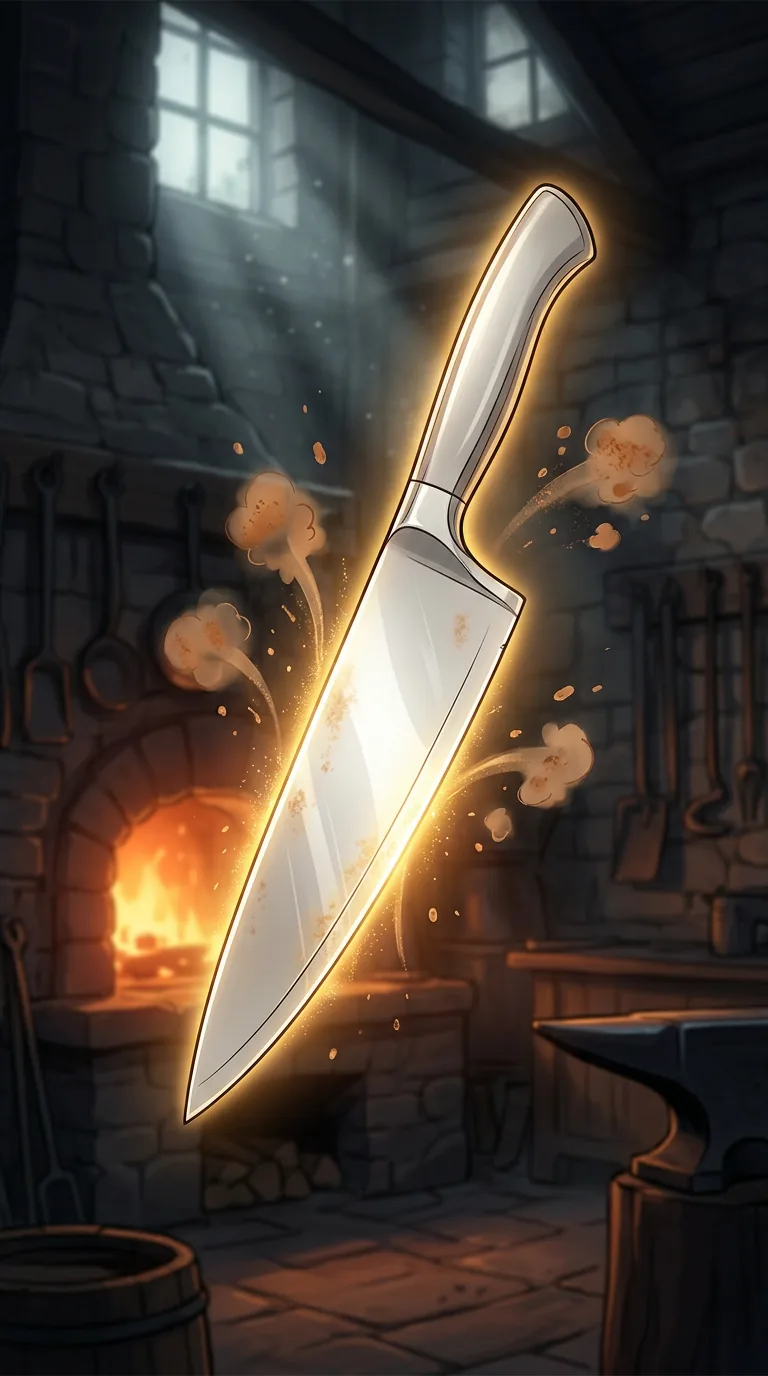
Harry Brearley was testing rifle barrel alloys in Sheffield when a chromium experiment refused to rust no matter what he did. He recognised what he had stumbled onto — and changed cutlery forever.

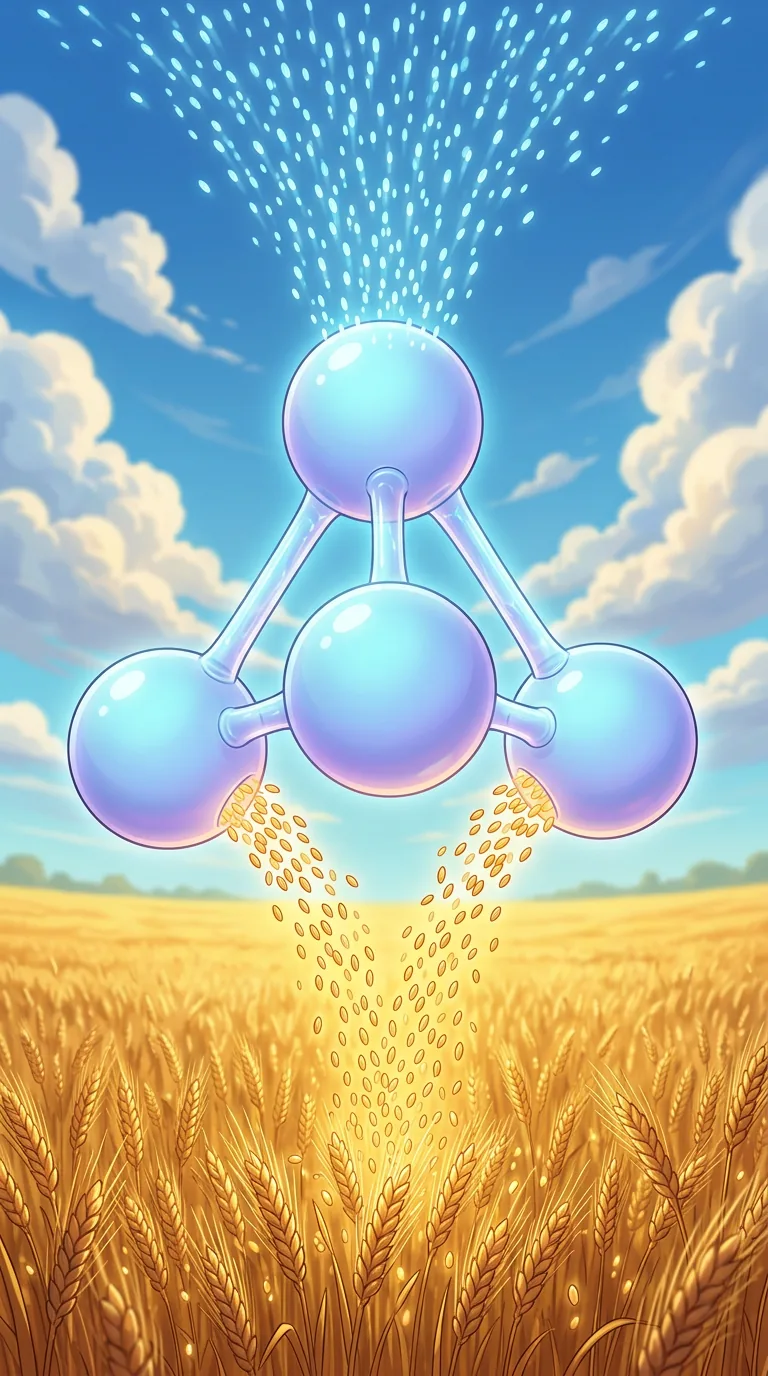
Pulling nitrogen from air to make ammonia fertilizer fixed about half the nitrogen now flowing through crops worldwide. An estimated 4 billion people would not exist without it.

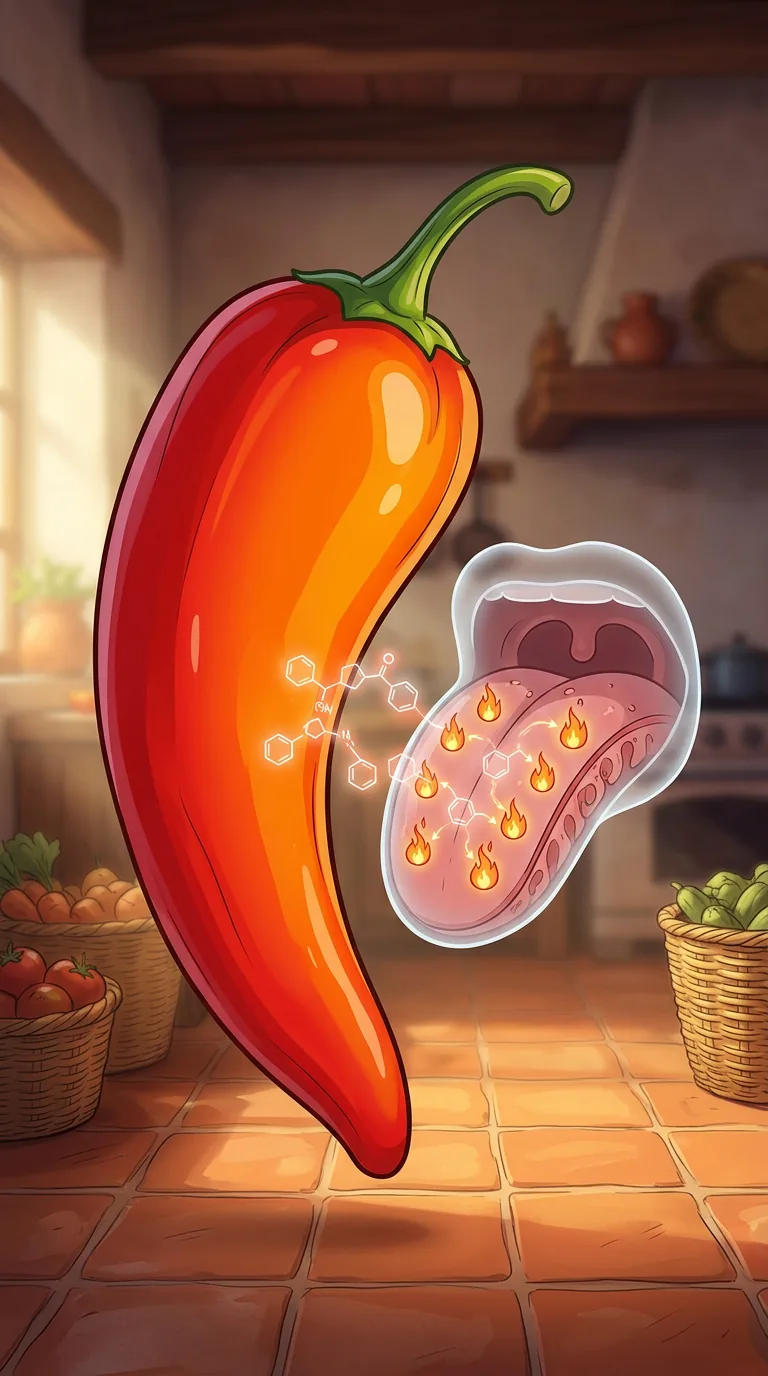
Your tongue's TRPV1 receptors normally fire at temperatures above 43°C. Capsaicin binds them directly. No actual heat exists in a chili — your nerves just think there is.

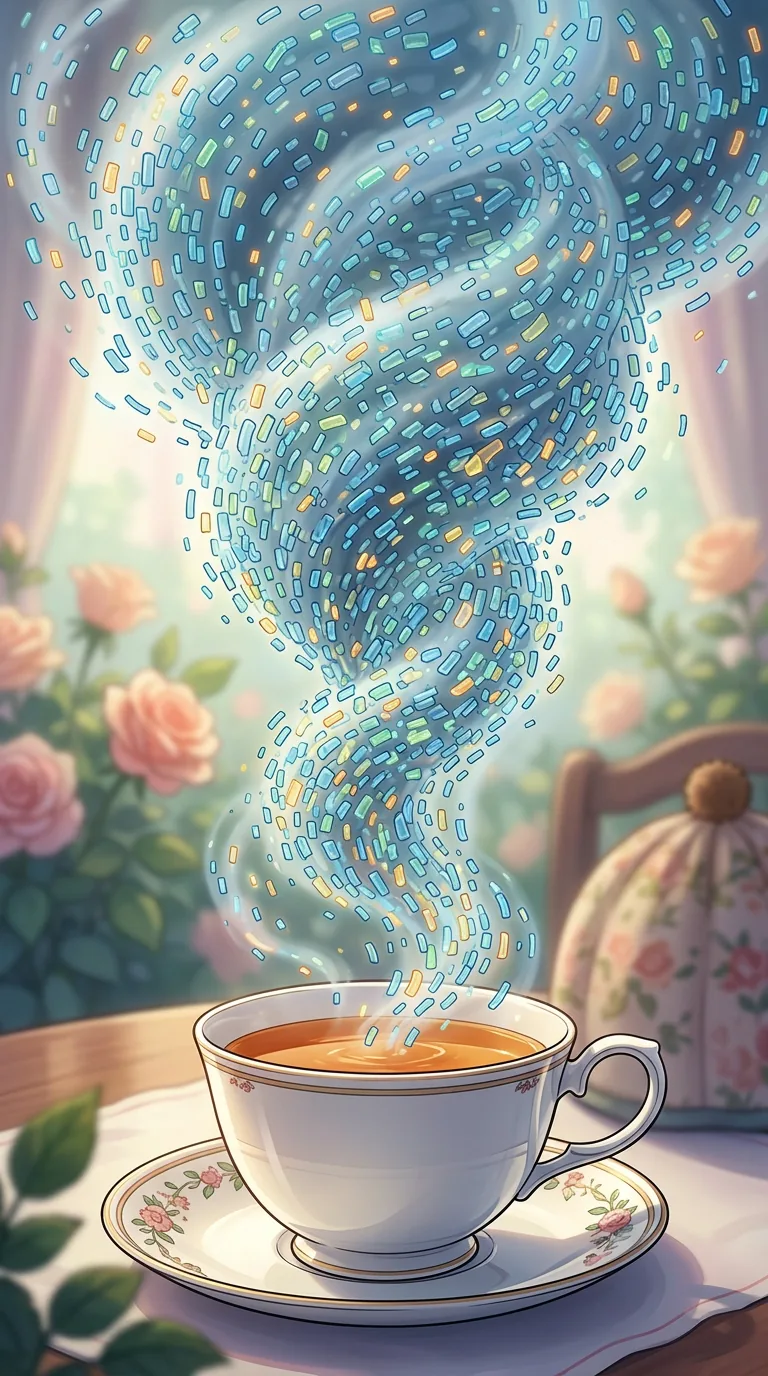
A 2019 McGill study showed a single steeping at 95°C sheds 11 billion plastic micro-particles and 3 billion nano-particles into the brew. Even paper bags contain plastic mesh seals.

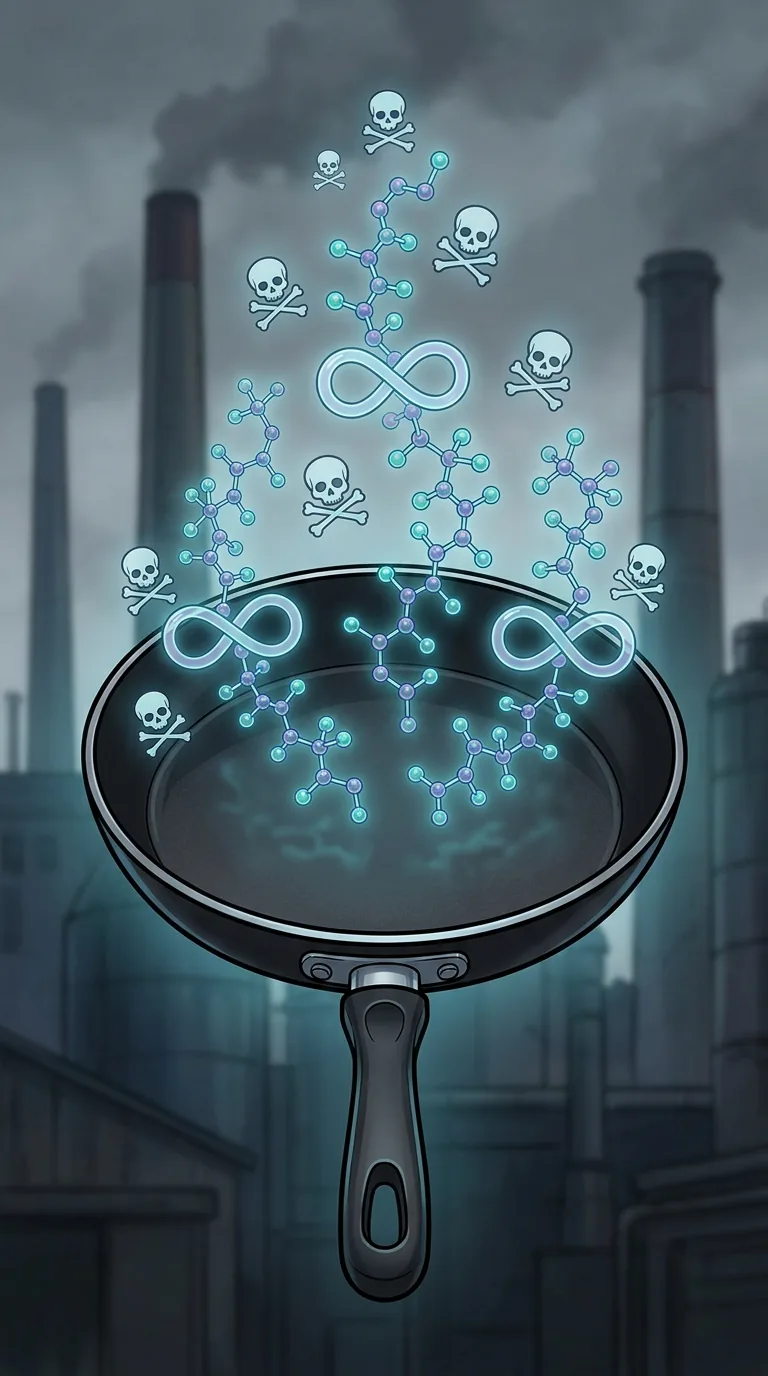
Used in non-stick pans and rain jackets, they contain carbon-fluorine bonds — the strongest in organic chemistry. Found in rain across Antarctica, in newborns' blood, in essentially every animal.

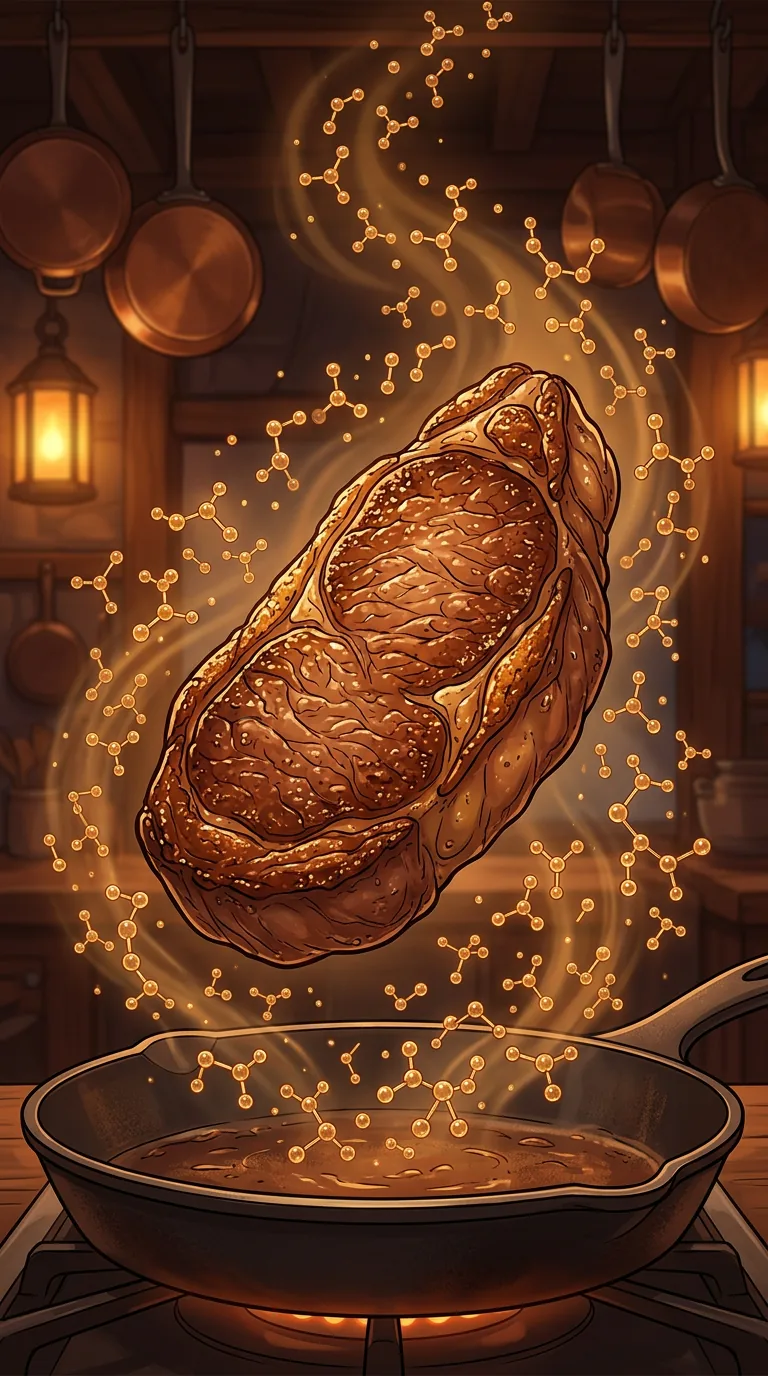
The crust on bread, the sear on a steak, the dark of fried onions — all the same chemistry between amino acids and sugars at 140-165°C. Discovered in 1912 and still incompletely mapped.

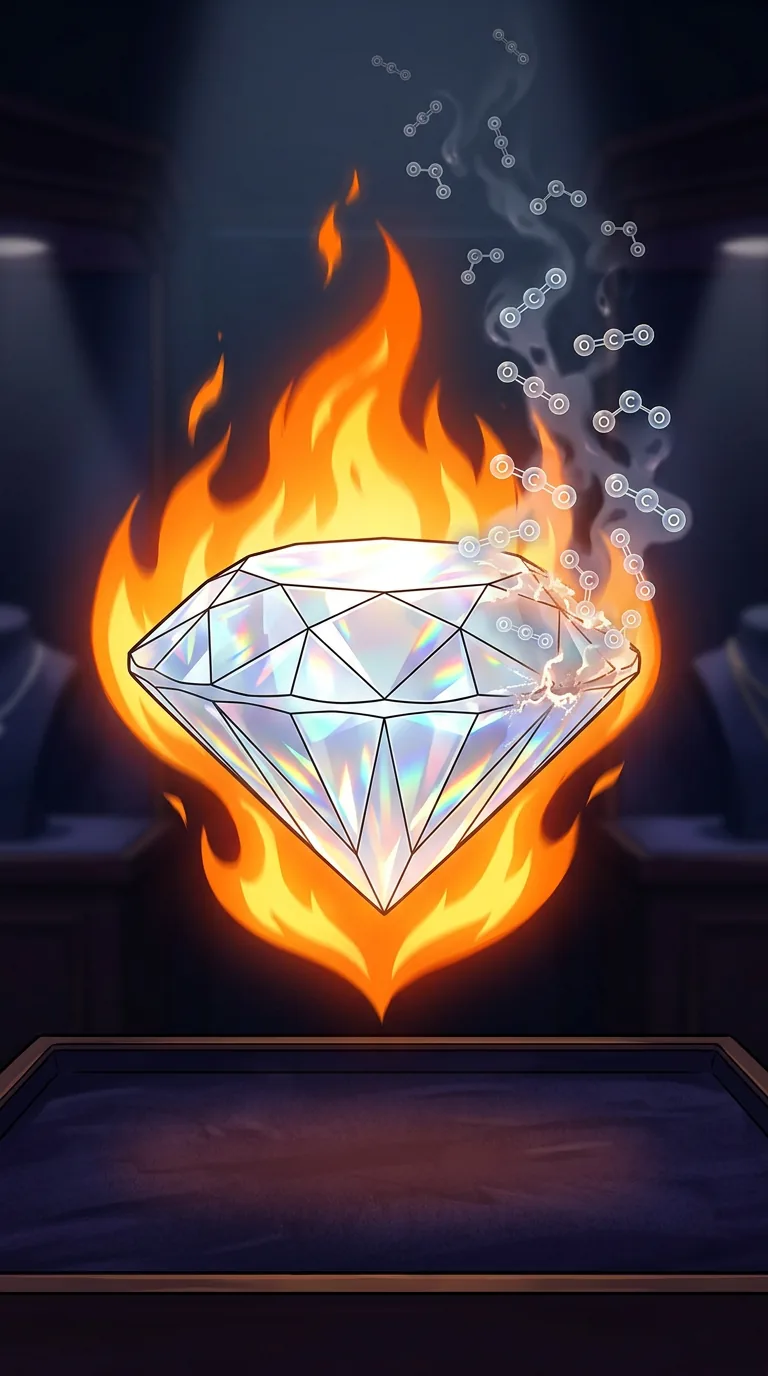
Pure carbon ignites in pure oxygen and disappears completely. Lavoisier proved it in 1772 using a giant magnifying lens to focus sunlight. The most valuable gem on Earth is briefly fuel.

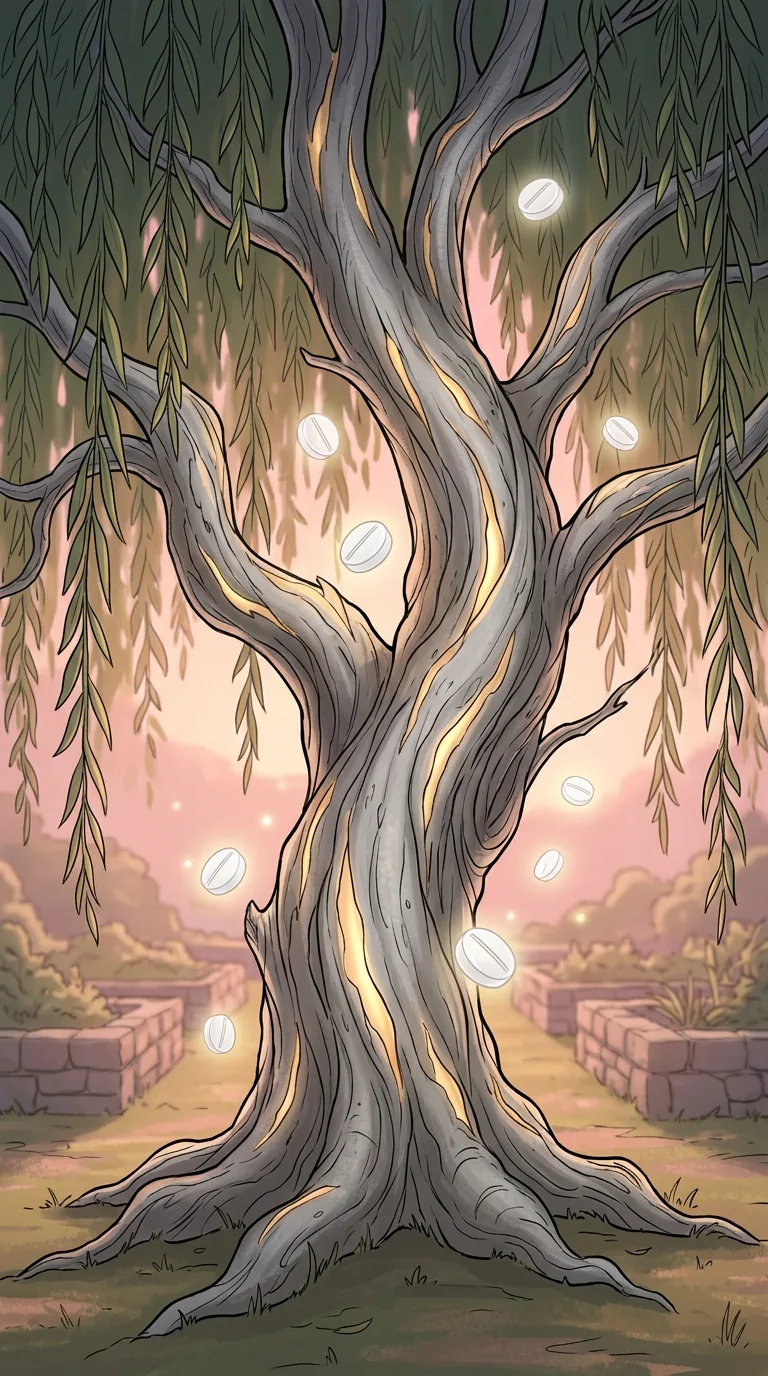
Sumerian clay tablets prescribed willow extract for pain. Bayer synthesised the active compound — acetylsalicylic acid — in 1897. We still take a 5,000-year-old recipe with a chemistry upgrade.

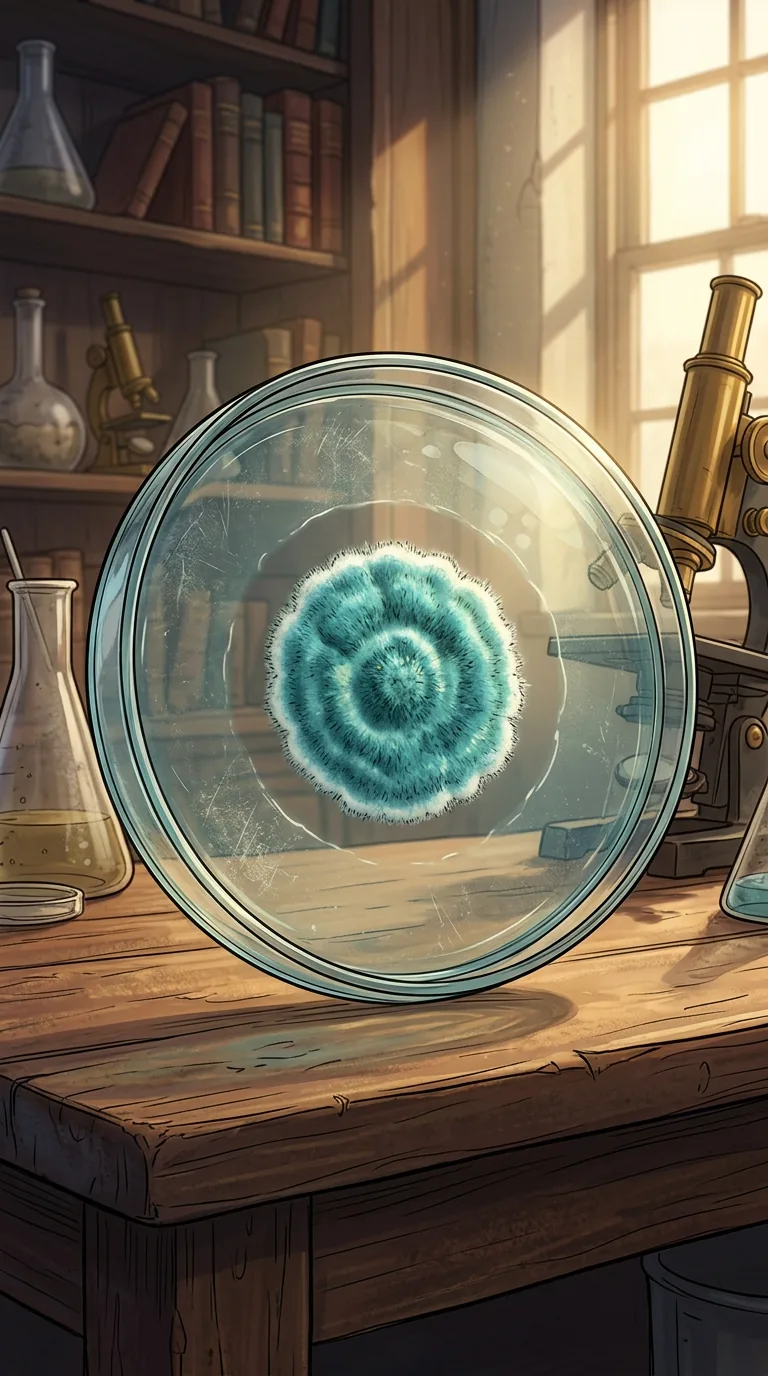
Returning from holiday in 1928, Fleming found mould killing the staphylococcus around it. That accidental discovery has saved an estimated 200 million lives and counting.

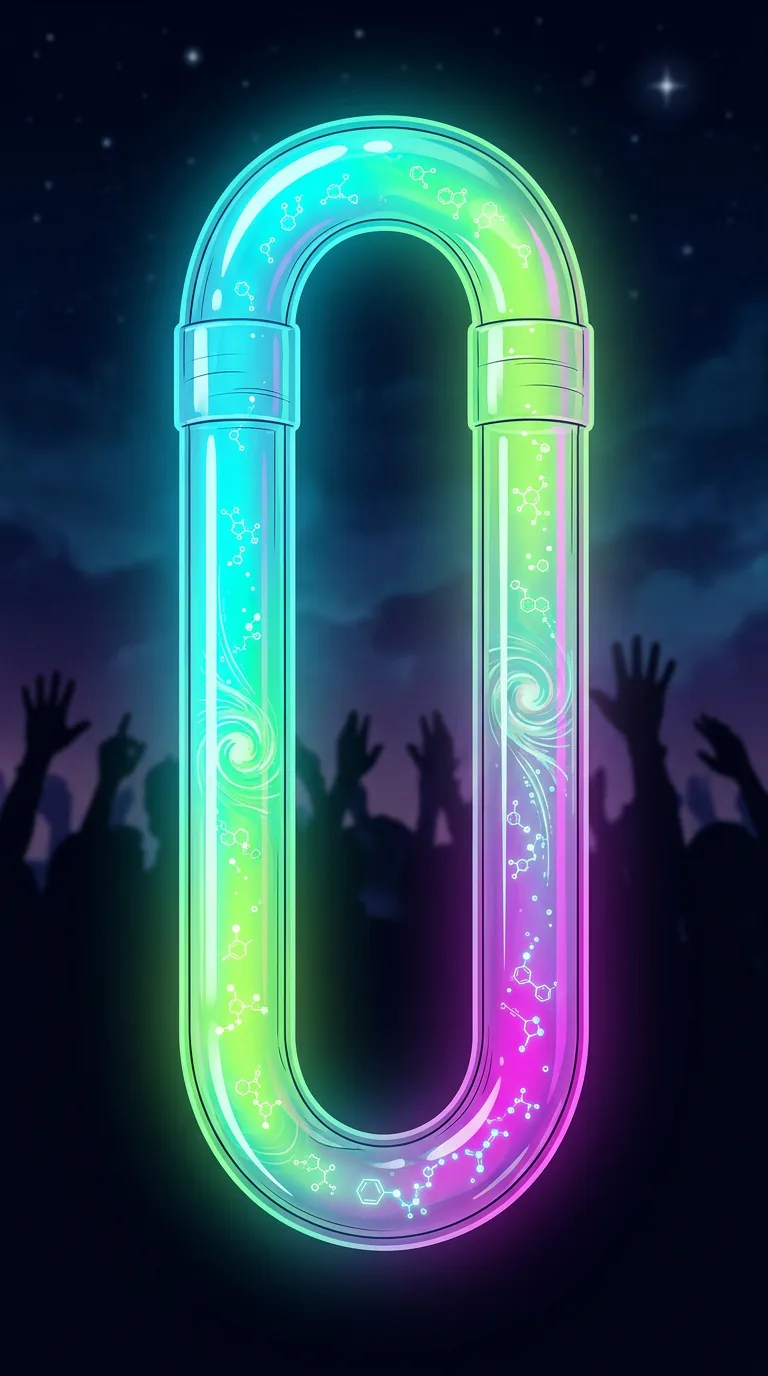
Snapping the inner glass vial mixes phenyl oxalate ester with hydrogen peroxide. The reaction excites a fluorescent dye, releasing photons cold. The same mechanism fireflies use.