NOW WATCHING

Decision Making · Facts

Switch
1.6kShare
Decision Making

Decisions made hungry, tired or angry are made by a different person than the calm one.

Studies on the 'hot-cold empathy gap' show your sober self literally cannot predict what your hungry, exhausted or furious self will pick. The two are different decision-makers.

Swipe up or down to explore more
820Share
Decision Making

Judges grant parole more often right after eating than at the end of a long session.

An Israeli study found favourable rulings dropped from ~65% to near 0% across a session — and reset after food breaks. Decision fatigue is real and brutal.

273Share
Decision Making

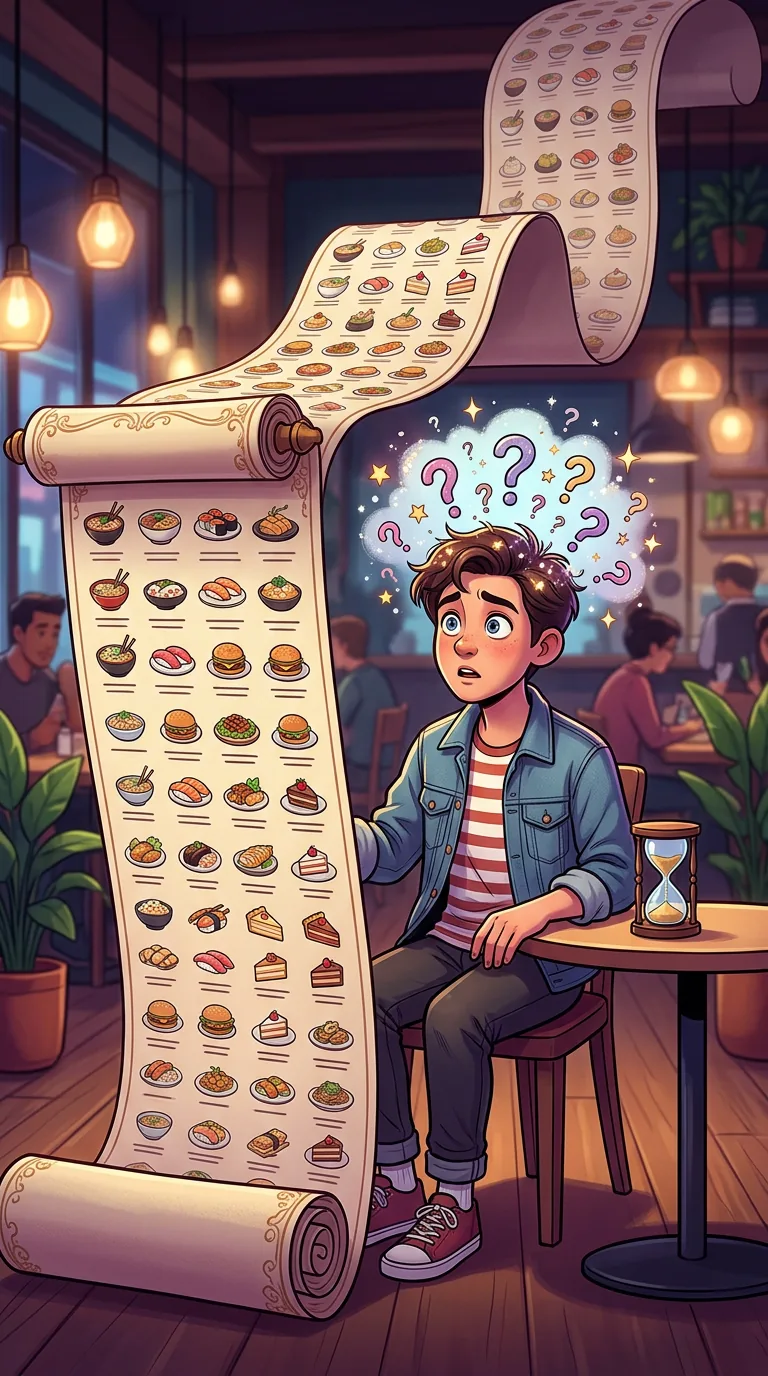
More options usually means worse decisions and lower satisfaction.

The 'paradox of choice' shows people facing 24 jam flavours buy less and feel worse than those facing 6. Beyond a small number, options paralyse instead of empower.

150Share
Decision Making

If you can't decide between two options, you've already lost — they're equally good.

Philosopher Ruth Chang argues prolonged ties signal equivalence. The cost of deliberation usually exceeds the difference between the choices.

1.2kShare
Decision Making

Sleeping on a hard decision really does change what you pick — and usually for the better.

Unconscious processing during sleep integrates information your awake brain couldn't hold simultaneously. Studies find post-sleep choices are rated higher months later.

4.4kShare
Decision Making

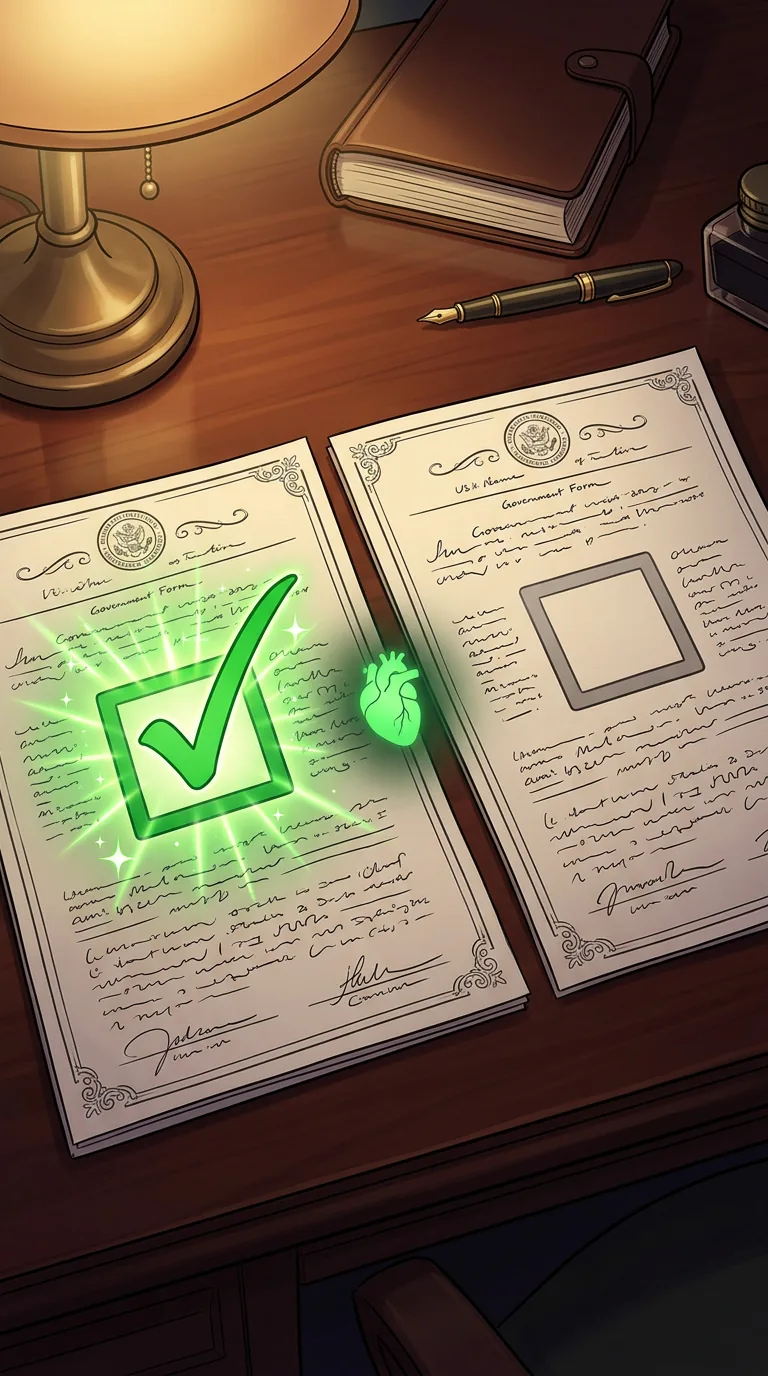
99% of Austrians are organ donors. 12% of Germans are. The form decides.

Same Western culture, similar wealth and laws — but one country lists 'donor' as the default and the other doesn't. Pre-checked boxes quietly run the world.

2.6kShare
Decision Making

Brian Tracy's rule: do the ugliest task first, before your willpower runs out

Decision quality drops a measurable 30% after each big call you make. By 4pm your CEO brain is making 9am-intern decisions. Front-load the hard stuff.

226Share
Decision Making

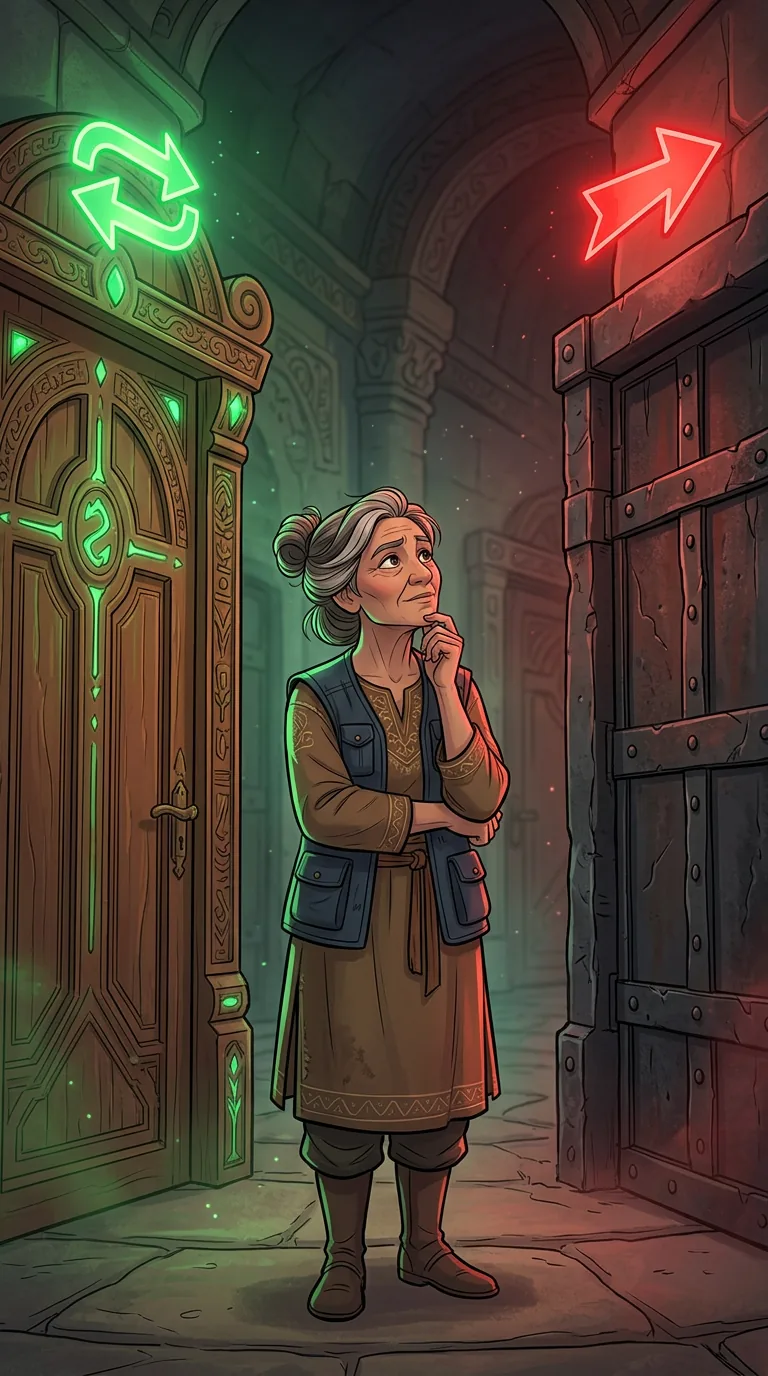
Amazon's Bezos splits choices into one-way doors and two-way doors

Reversible decisions deserve speed, not deliberation. Irreversible ones deserve obsession. Confusing the two — slow on small calls, fast on permanent ones — sinks careers.

155Share
Decision Making

Flip a coin for the hard choice. Watch which side you secretly hoped for.

You don't decide with the coin — you decide in the half-second after it lands, when relief or disappointment surfaces. The coin is just a brain-scan tool.

380Share
Decision Making

Walking through a doorway erases 25% of your short-term memory

The brain segments memory by location, so crossing thresholds quietly clears the buffer. That is why you forget what you came in for — the room, not your age.

2.5kShare
Decision Making

Steve Jobs wore the same black turtleneck every day to spend zero brain on clothes

Decision fatigue is a finite budget. Obama wore only blue or grey suits; Zuckerberg owns a closet of identical T-shirts. Trivial choices steal big-choice fuel.

420Share
Decision Making

Brainstorming alone produces 30% more usable ideas than the same people in a group

Group brainstorms suffer from production blocking, evaluation anxiety and social loafing. The fix: write silently first, share second. Almost no team does this.

330Share
Decision Making

In a meeting, whoever speaks first anchors the next four people

First framing dominates. Smart leaders ask the most junior person to speak first — opposite of natural order — to keep the room's thinking from collapsing too fast.

980Share
Decision Making

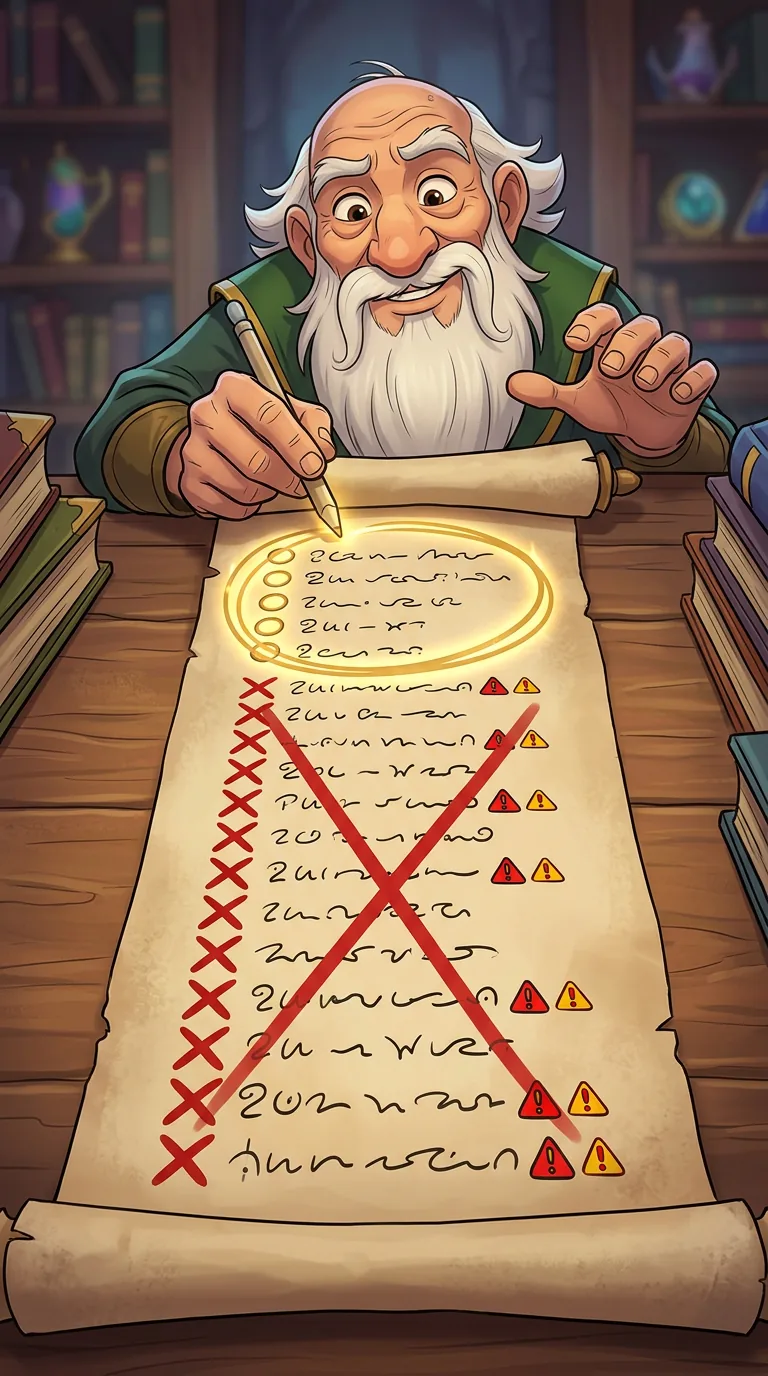
Buffett's 5/25 rule: list 25 goals, circle the top 5, avoid the other 20 like the plague

The trap isn't bad goals — it's medium-good ones quietly stealing time from great ones. The discarded 20 are the dangerous ones, not the rejected hundred.

1.1kShare
Decision Making

Putting cookies on a high shelf cuts how many cookies you eat by half

Choice architecture beats willpower every time. Moving the salad to eye level and the fries behind glass changes cafeteria orders by 30-50% without a single rule.

2.8kShare
Decision Making

Bezos at age 25 asked: 'will I regret NOT trying this when I'm 80?'

His regret-minimization framework asks future-you, not current-you. The 80-year-old never says 'I wish I'd stayed at the safe job'. They always say the opposite.

2kShare
Decision Making

Pilots stay in failing landings because they've already committed — Plan Continuation Bias

Once a plan is announced, abandoning it feels worse than crashing. The bias has a name in aviation because it keeps killing pilots who 'should have gone around'.

2.5kShare
Decision Making

Hick's law: every option you add to a menu costs 150 milliseconds of decision time

Decision time grows with the logarithm of options. Real-world consequence — restaurants with 8 mains earn more than ones with 30. Cognitive cost is real money.

2.7kShare
Decision Making

Maximizers (always want the best) report lower life satisfaction than satisficers

Trying to find THE optimal apartment, partner or laptop guarantees regret — there's always a hidden better one. Satisficers pick 'good enough' and move on.

980Share
Decision Making

A pros-and-cons list is one of the worst ways to make a hard decision

It treats one reason as one weight, ignoring that a single huge factor outweighs ten tiny ones. Imagining the best-case and worst-case scenarios outperforms it.

174Share
Decision Making

10/10/10 rule: how will I feel about this in 10 minutes, 10 months, 10 years?

The 10-minute view exposes flinching. The 10-year view exposes drifting. Most choices that feel hard now will feel either obvious or invisible by year ten.

750Share
Decision Making

Sleep on any decision involving more than $1,000 of your money

Cognitive load drops impulsive spending by 40% across a single night. Retailers know this — that's why every checkout page has a flashing countdown timer.

184Share
Decision Making

People who set arbitrary deadlines finish 2× faster than those who don't

Parkinson's law: work expands to fill available time. A self-imposed Friday cutoff for a 'sometime next month' task is worth more than any productivity app.

2.4kShare
Decision Making

Years later, people regret things they DIDN'T do twice as much as things they did

Gilovich's regret studies find action-regrets fade with time as we rationalize them. Inaction-regrets quietly grow — every year adds another version of 'what if I had'.

860Share
Decision Making

Pre-mortem: imagine the project failed badly, then list every reason why

Kahneman calls it the single most useful planning tool. Imagining failure unlocks doubts the team is too polite to raise — surfaces 30% more risks than optimism.