600Share
Dog Training
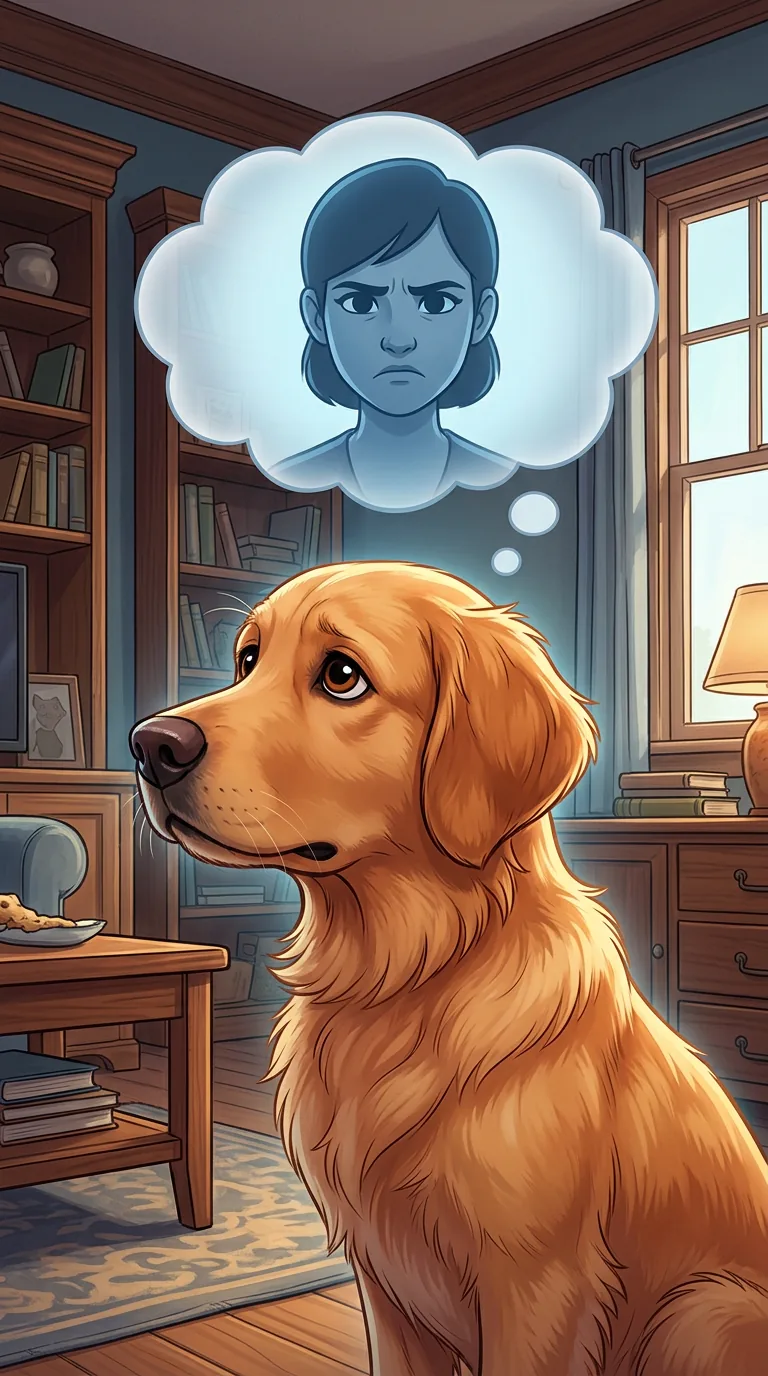
Dogs don't feel guilt — that 'guilty look' is fear of your reaction.
Studies showed dogs gave the same 'guilty face' when owners scolded them for things they didn't do. They read your tone, not their own crime.

NOW WATCHING
Dog Training · Facts
Studies showed dogs gave the same 'guilty face' when owners scolded them for things they didn't do. They read your tone, not their own crime.
 Swipe up or down to explore more
Canine memory associates consequence with the last few seconds. A scolding even one minute after the chewed shoe simply teaches the dog to fear you returning.
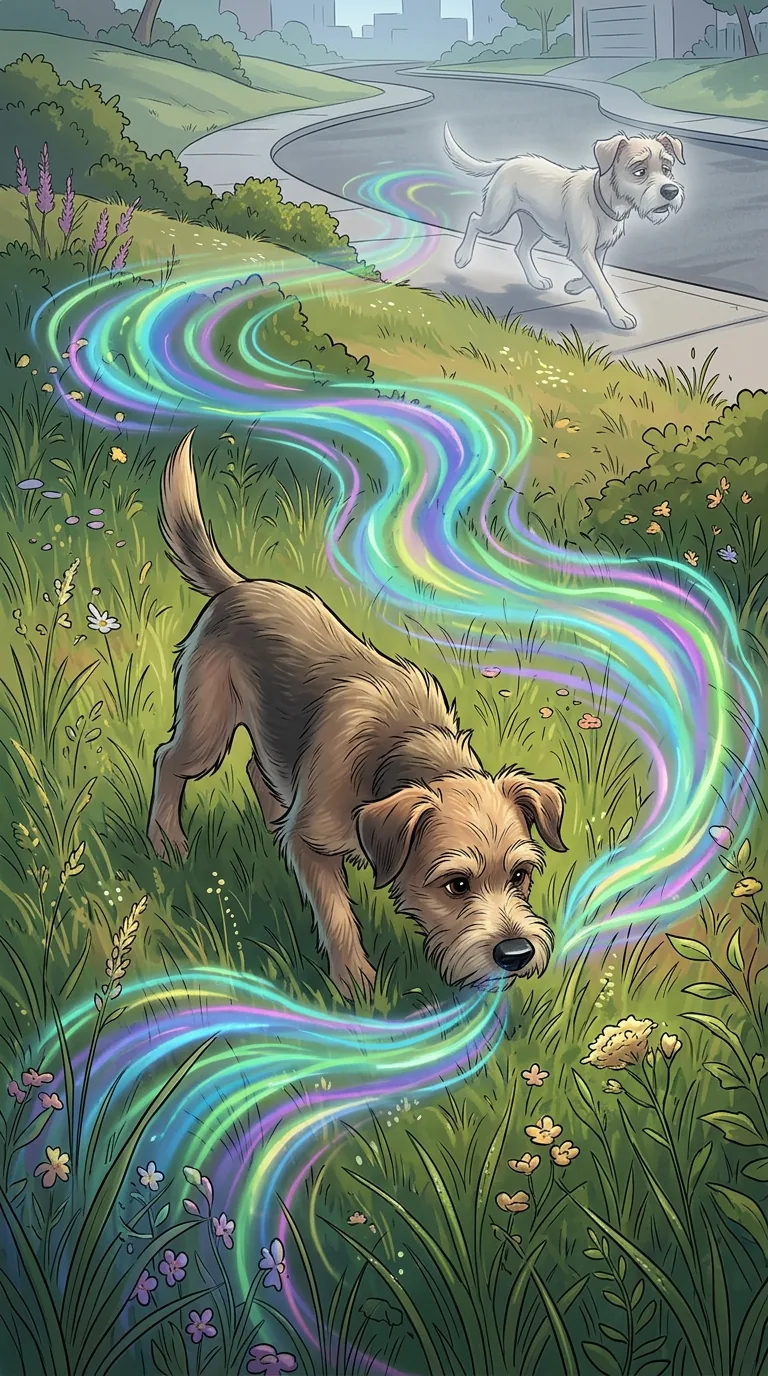
Sniffing for 10 minutes exhausts a dog more than running for 30. Scent processing burns enormous cognitive energy and meets a need walks alone don't.
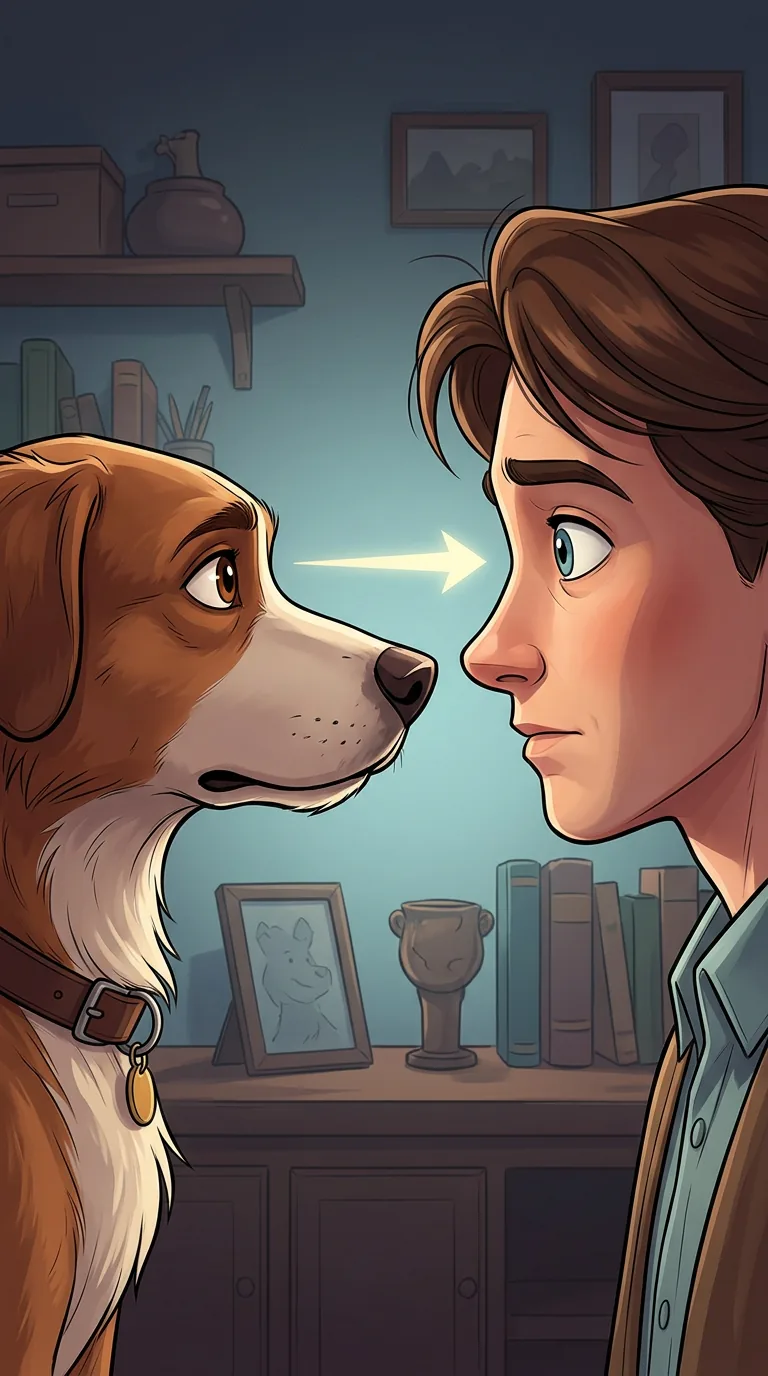
When looking at humans, dogs perform a 'left gaze bias' — scanning the right side of your face (your left) for emotion. They evolved this only with humans, not other dogs.
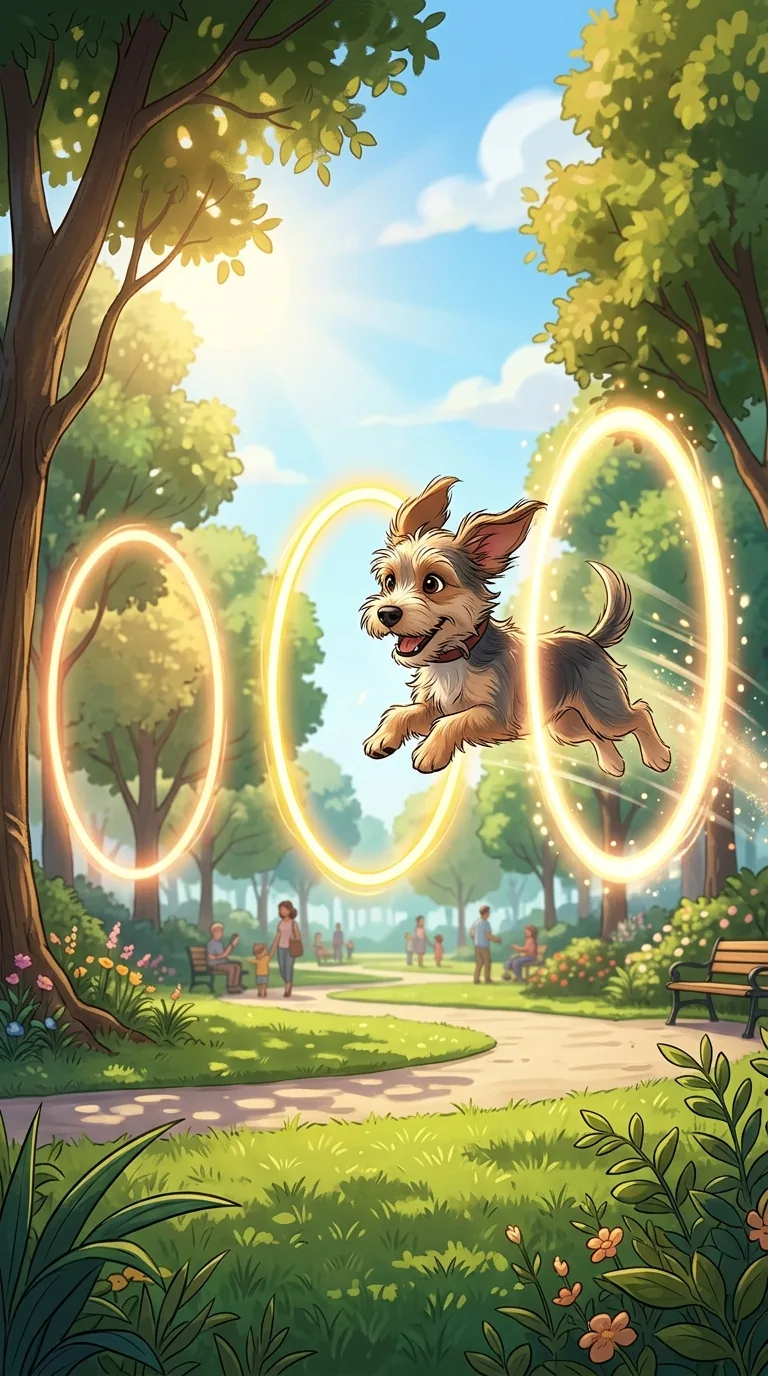
Canine cognitive endurance is short. Three 5-minute sessions across a day produce far better learning retention than one long drill — and stay enjoyable for the dog.

David Mech’s 1960s captive-wolf study coined the “alpha pair.” By the 1990s he was begging publishers to stop selling it: wild wolves are family units, not dominance ladders.
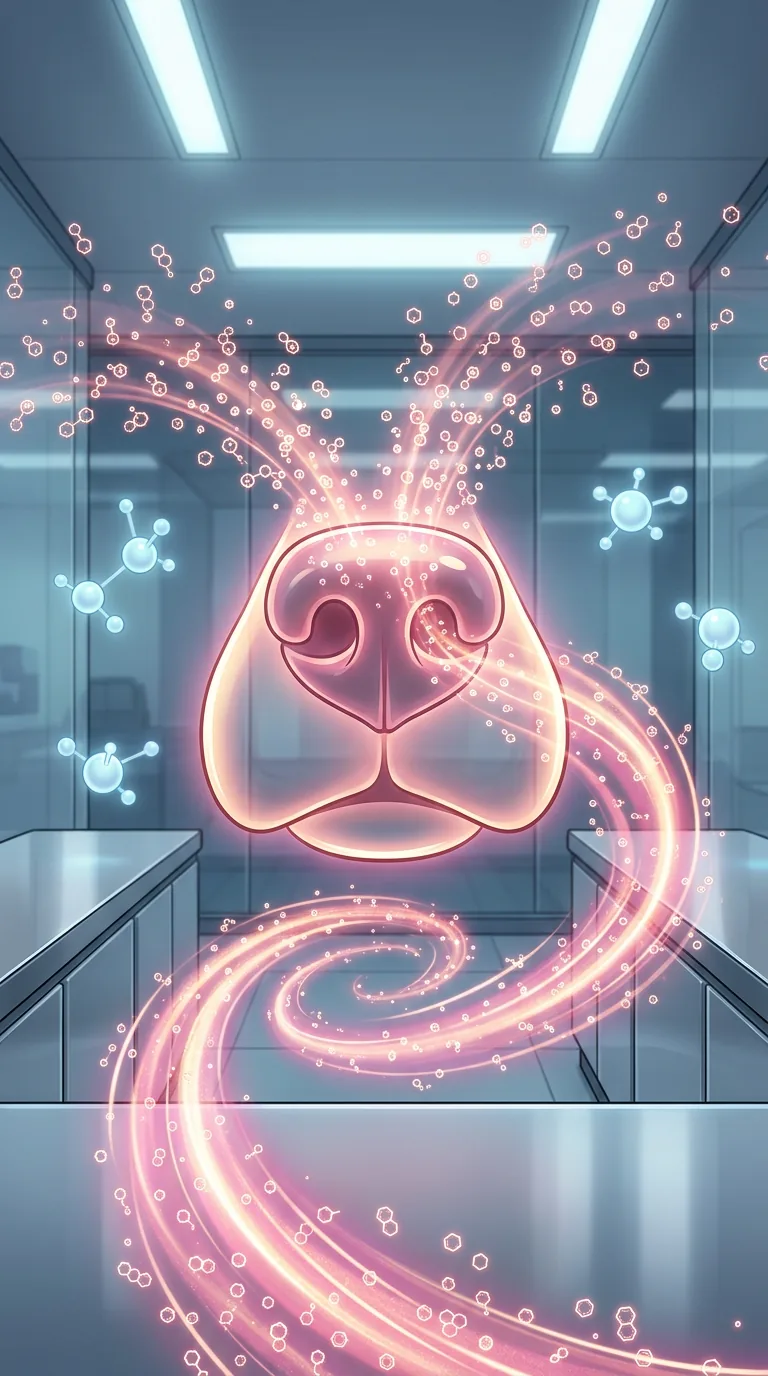
That’s roughly 50 times more, with a brain region for scent 40 times larger. Working dogs detect substances at parts per trillion — molecules in an Olympic pool.

Italian neuroscience labs measured the asymmetry: dogs greeting their owners wagged rightward; dogs seeing a dominant stranger wagged leftward. Brain hemispheres show up in the tail.
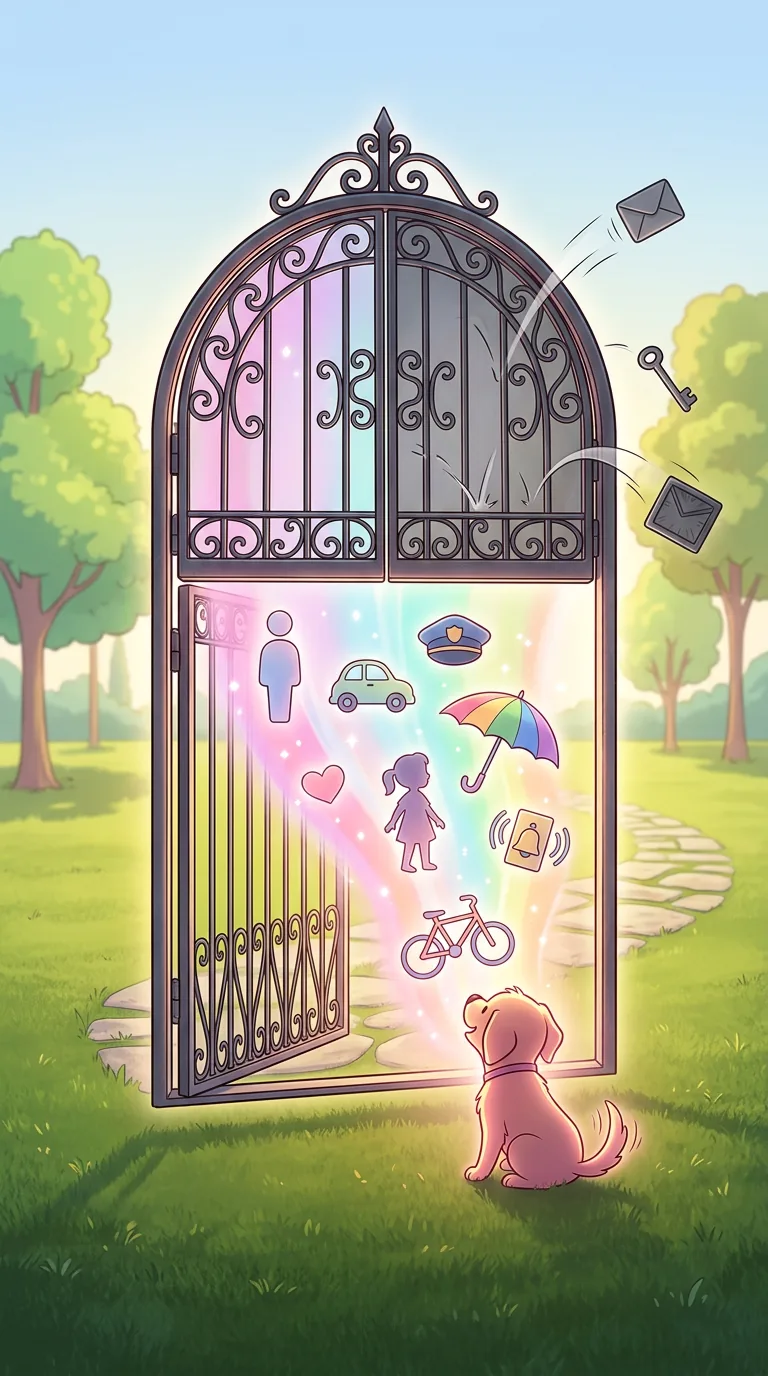
Before that age, novel humans, sounds and surfaces register as “normal.” After it, the same things may register as threats — and that wiring is hard to undo.
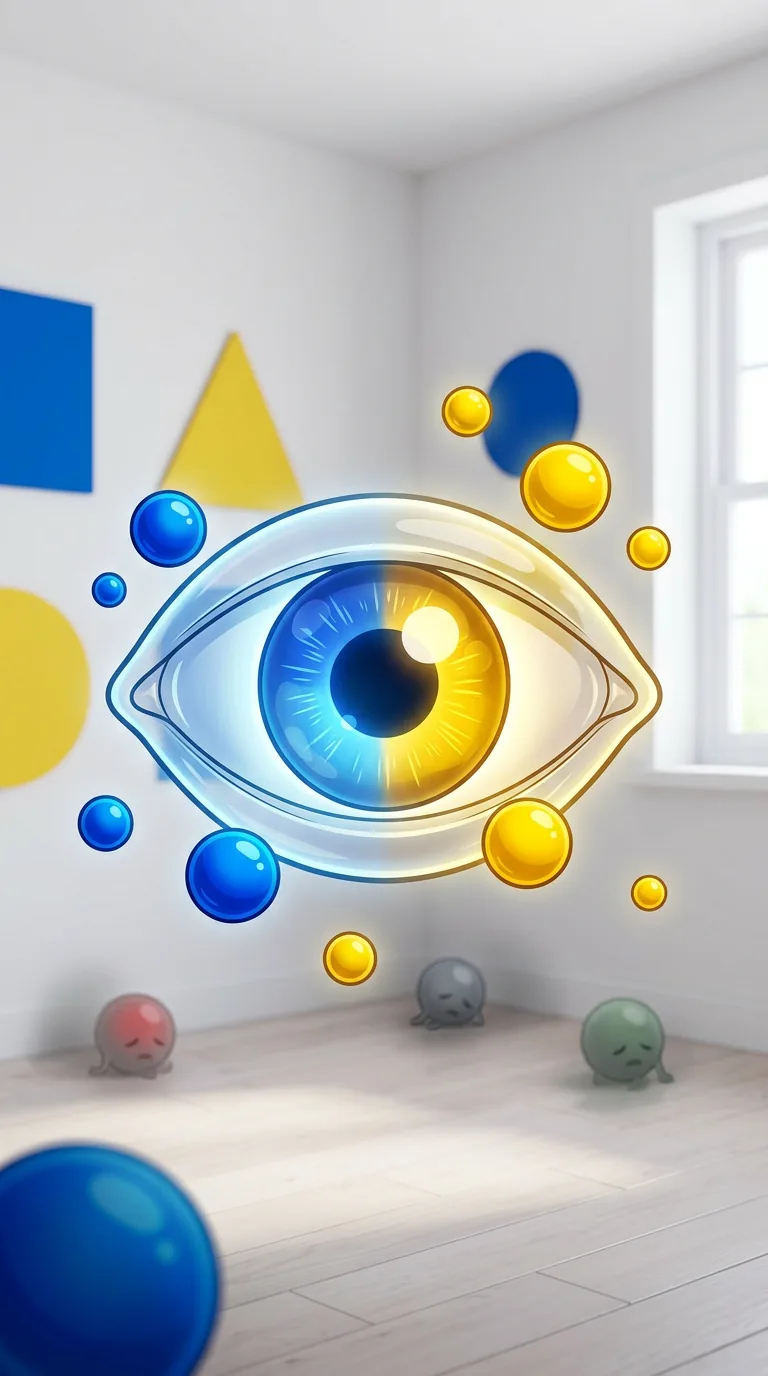
Their retina has only two cone types, making them functionally red‐green colorblind. A bright red ball on green grass simply blends in. Choose blue or yellow toys.

Even hand-raised wolves fail at this task. Domestication wired dogs to read human cues — they look at your finger and check your face for confirmation.

The instinct is to seek small enclosed safe spaces. Dogs crated voluntarily as a calm refuge sleep deeper there than on the couch. Punishment crating poisons that instinct.

Chronic sleep loss in dogs raises cortisol, reactivity and bite risk. The “always-on” rescue or shelter dog isn’t well-rested — it’s overstimulated and exhausted.
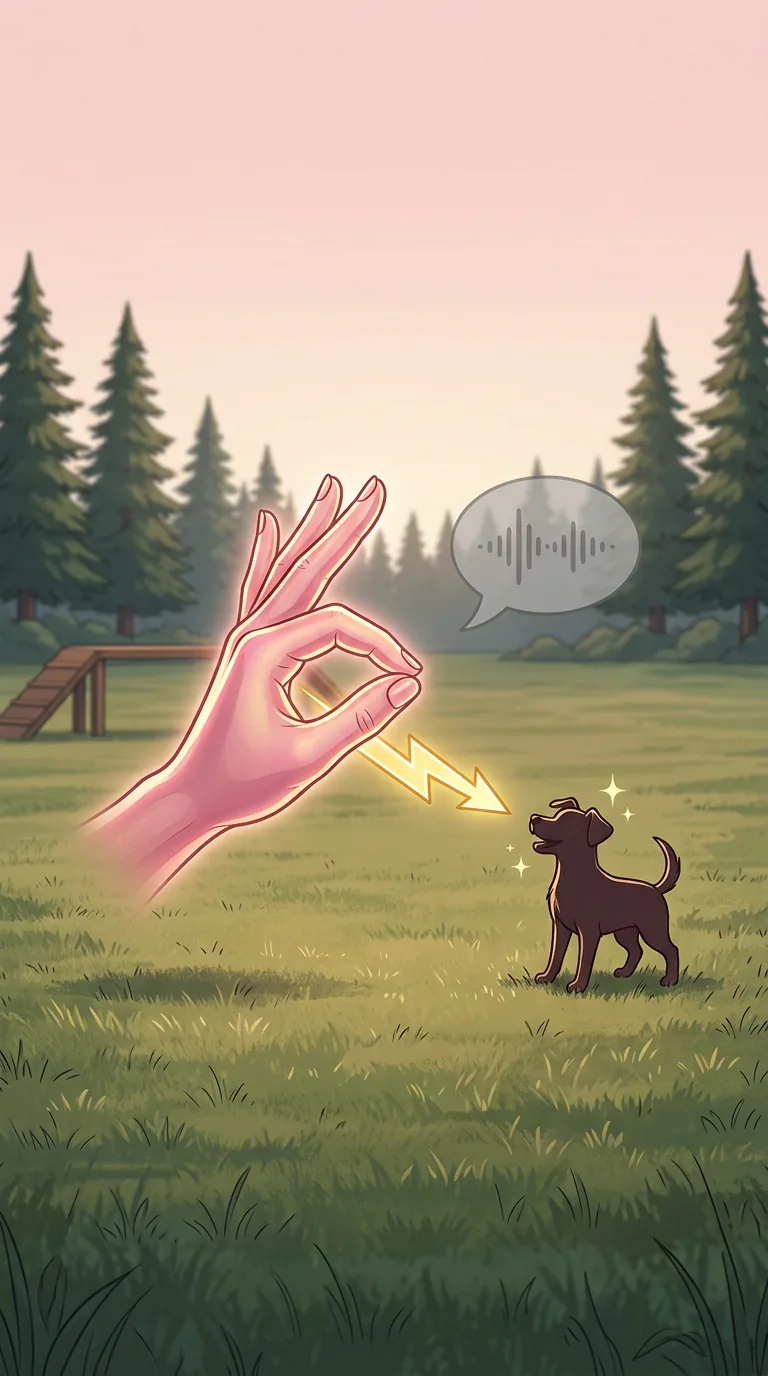
Visual cues land before verbal ones in the canine brain. Most professionally trained dogs learn the hand signal first, with the verbal cue added later as a backup.

Lab studies showed dogs caught yawns from their owners far more than from strangers. The closer the bond, the higher the yawn‐transfer rate — emotional sync in real time.

Front legs down, rear up — this universal canine gesture frames hard biting and chasing as games, not attacks. Removing it from puppy life damages adult social skills.
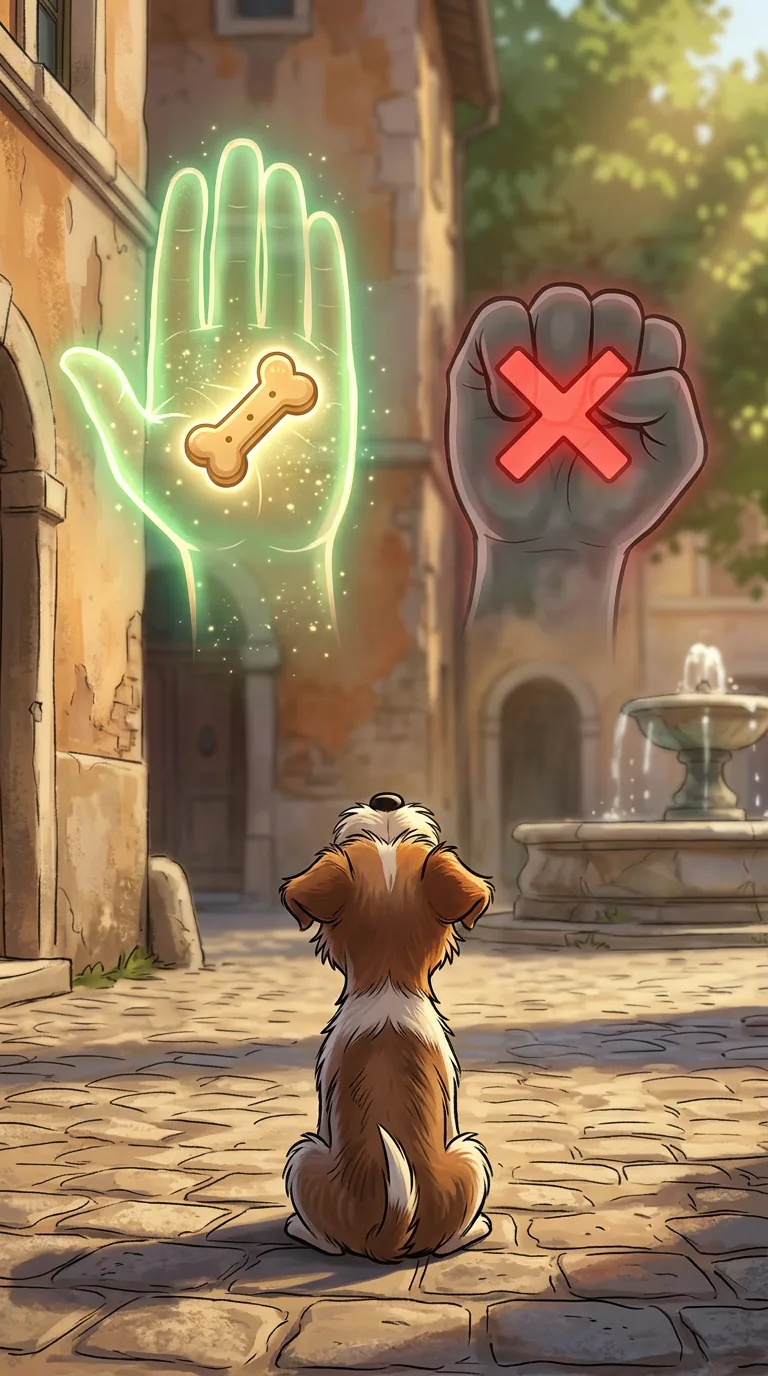
In food experiments, dogs who saw a person trick them with empty hands later refused that person and walked to honest strangers. They track reputation, not just history.

Most house dogs build a vocabulary of about 165 commands and object names. Chaser, trained over years, knew over a thousand distinct toy names and proved dogs can categorize.

Learned helplessness in dogs looks peaceful: low tail, slow movement, no demands. Researchers see it as canine depression masquerading as obedience. Calm isn’t always content.
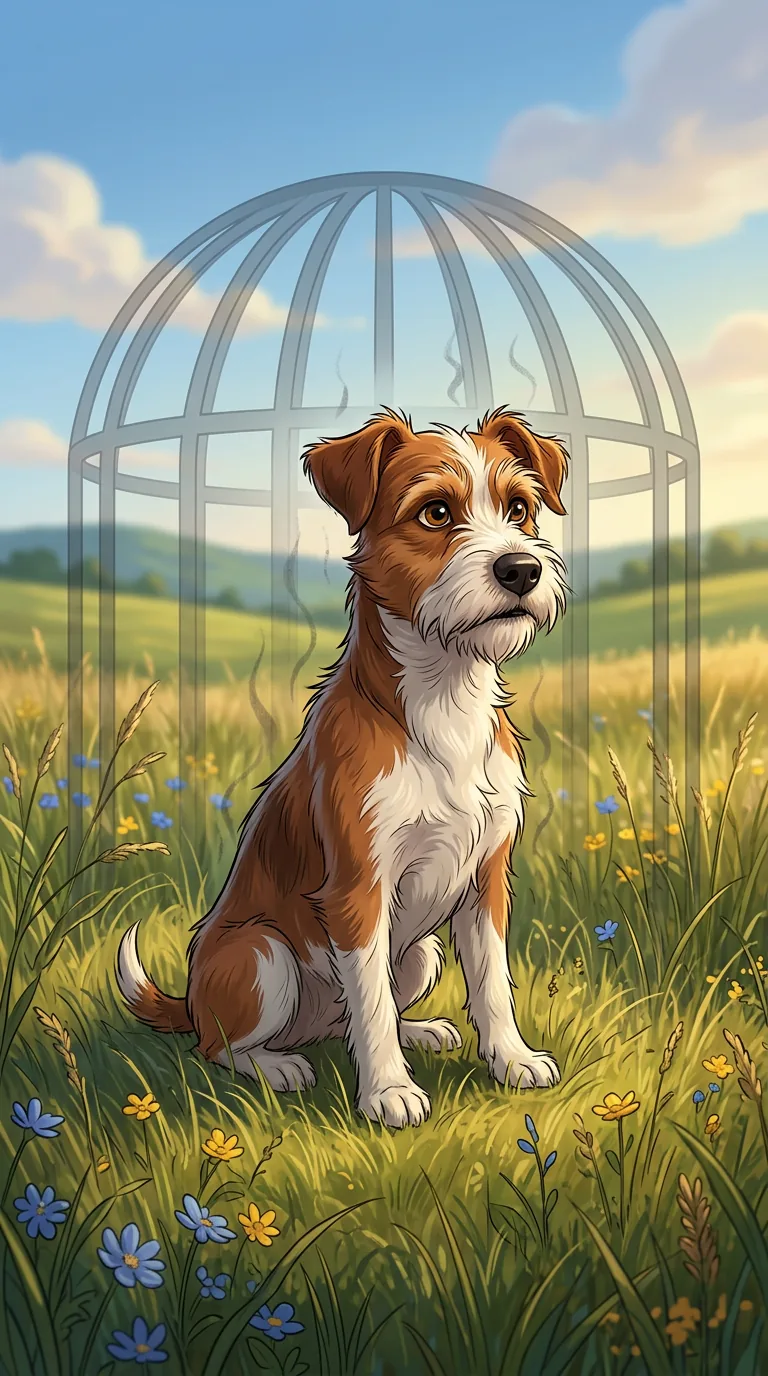
Years after rescue, ex-mill dogs still show elevated stress hormones, reduced exploration, sleep disturbance and startle response — the same profile seen in traumatized humans.
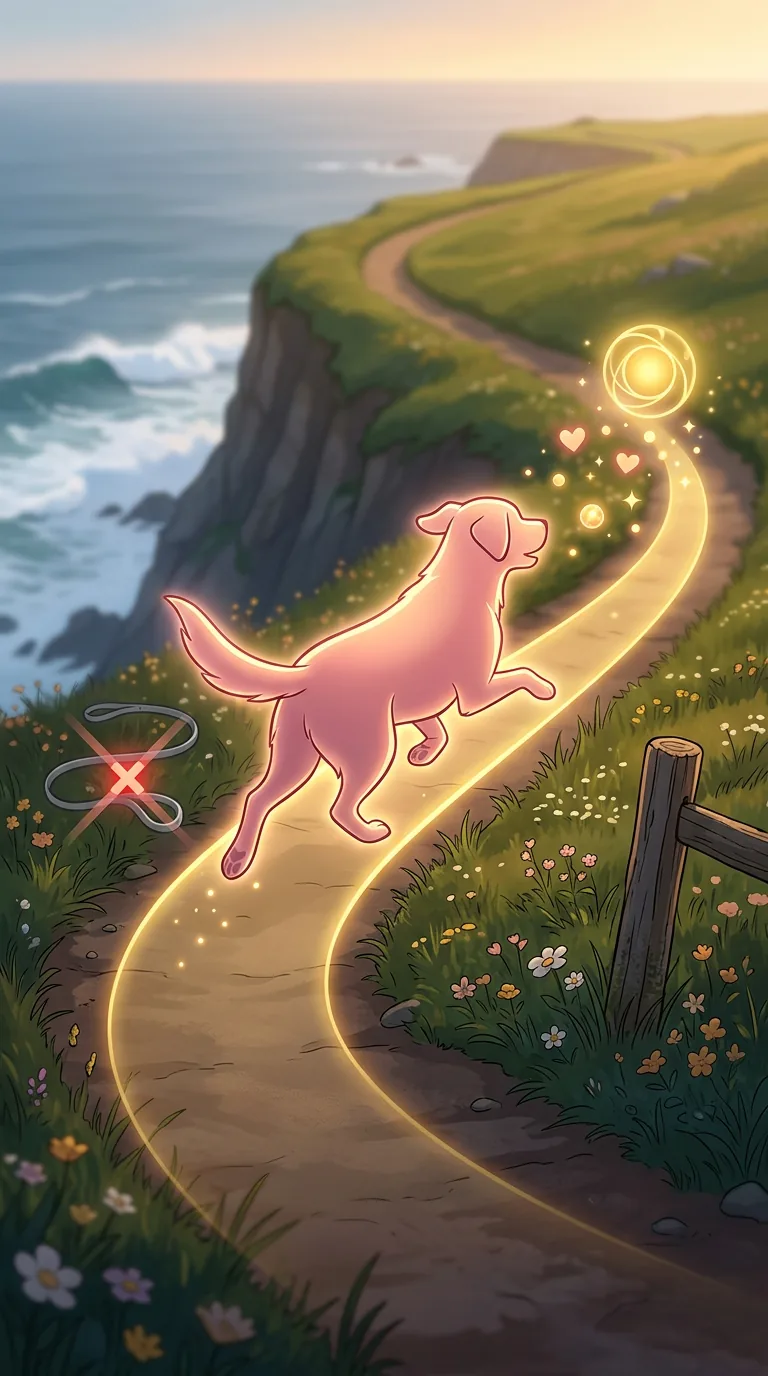
Calling a dog only to leash, scold or end the fun teaches “come = bad.” Properly trained recall pays out treats, freedom and praise on arrival, and never marks the end of fun.

The click marks the exact behavior the trainer is paying for. Without a marker, the dog guesses what earned the treat. With one, the message is unambiguous and the loop is fast.
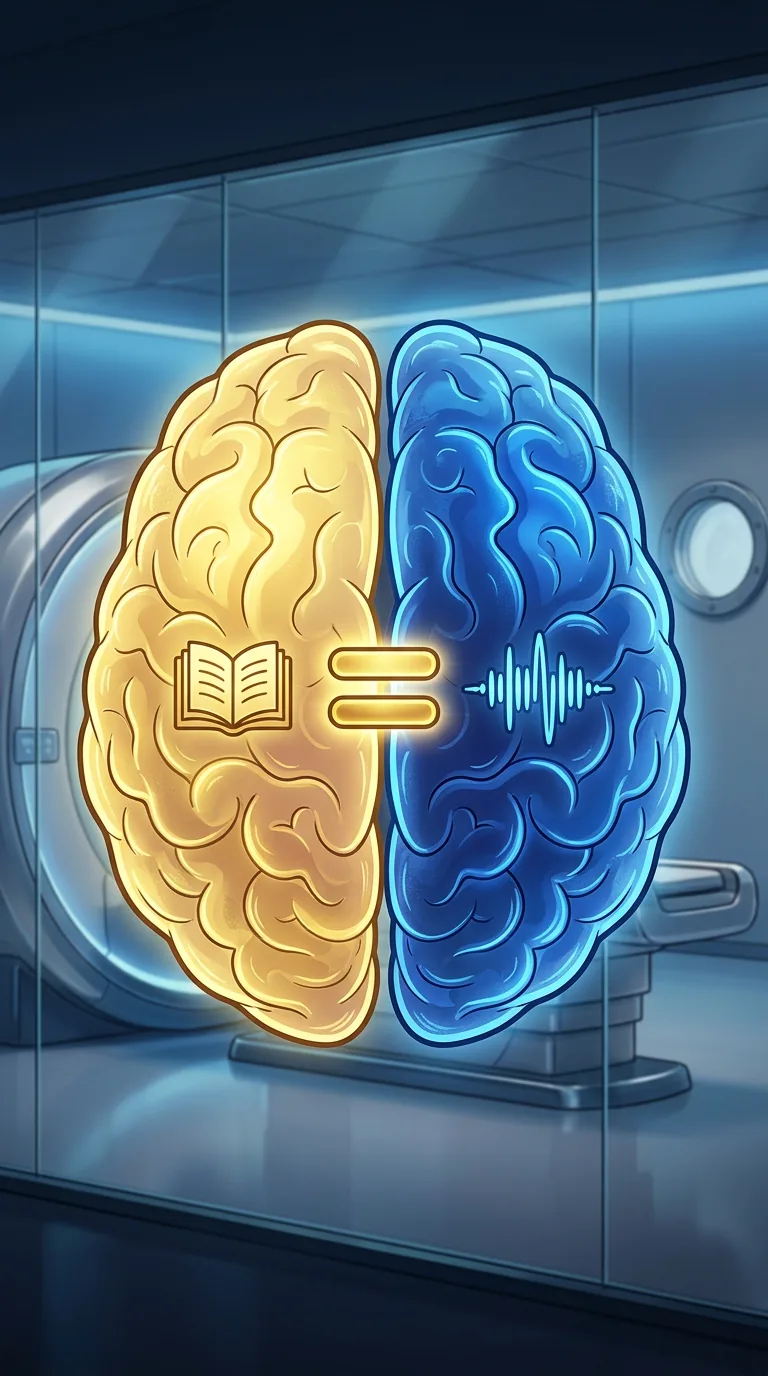
Hungarian researchers scanned awake dogs hearing praise and neutral words in different tones. Left hemisphere tracked meaning, right tracked tone — the same split as humans.
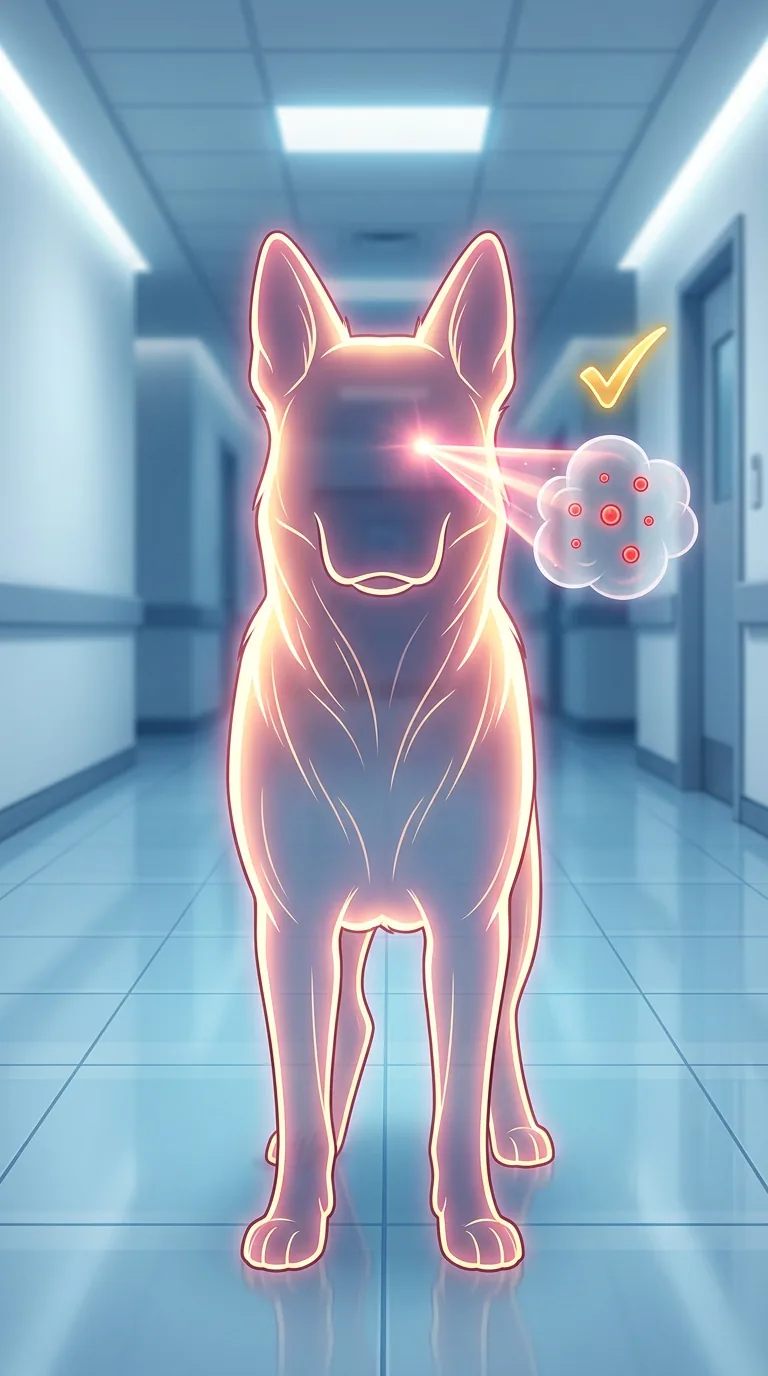
Bio-detection dogs flag lung, breast, prostate and colorectal cancers from exhaled volatile compounds, reaching diagnostic-grade accuracy that some lab instruments cannot match.

Other dogs read posture from ear position and tail carriage. Surgically altered dogs send broken signals and are more often misread as threatening — and bitten as a result.