NOW WATCHING

Ecology · Facts

Switch
2.3kShare
Ecology

A single mature tree releases enough oxygen for two people for a year.

A mature tree produces roughly 120 kg of oxygen annually. The math behind 'plant a tree' campaigns is real — and most cities are catastrophically below replacement rates.

Swipe up or down to explore more
2.5kShare
Ecology

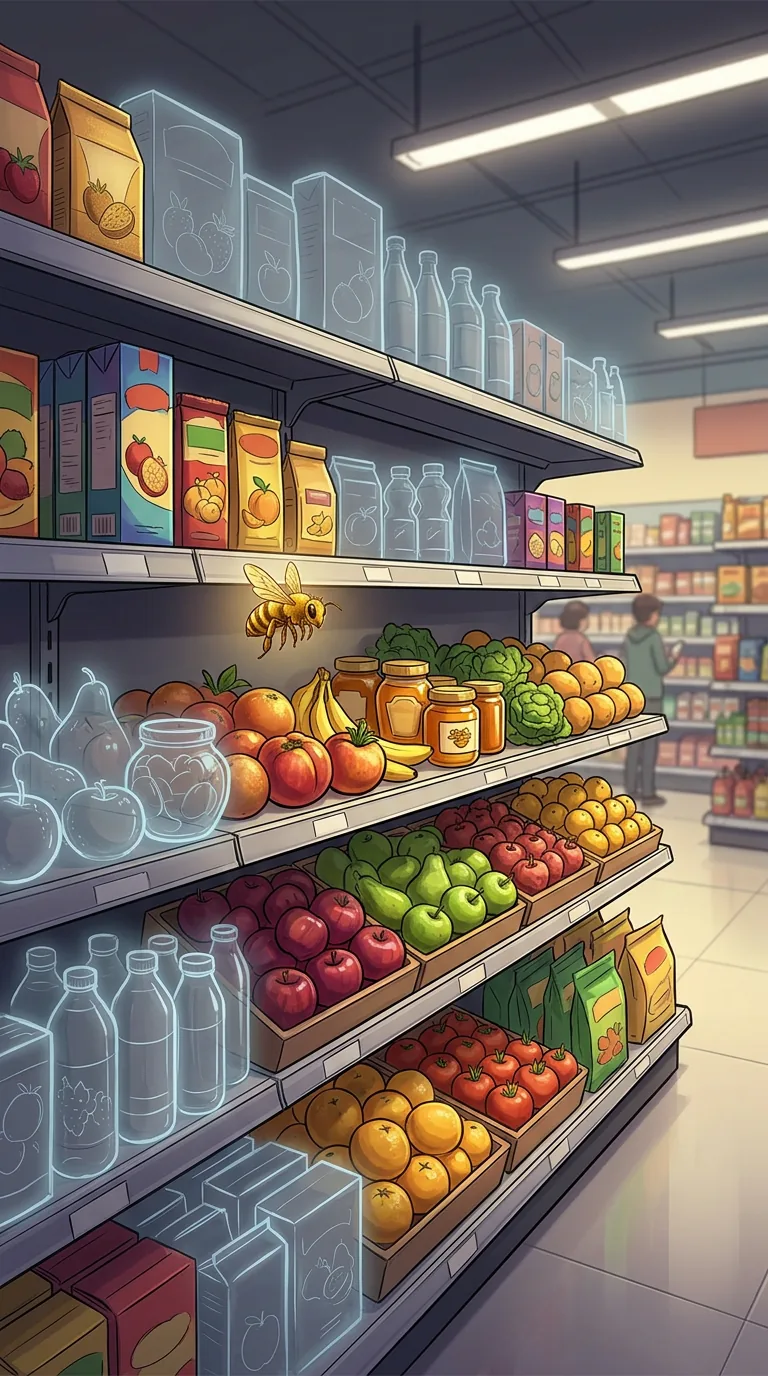
Bees account for about a third of every bite you eat.

Roughly 75% of crops depend on pollinators. Without bees, the supermarket shrinks dramatically — coffee, almonds, apples, blueberries and most fruit collapse.

2.1kShare
Ecology

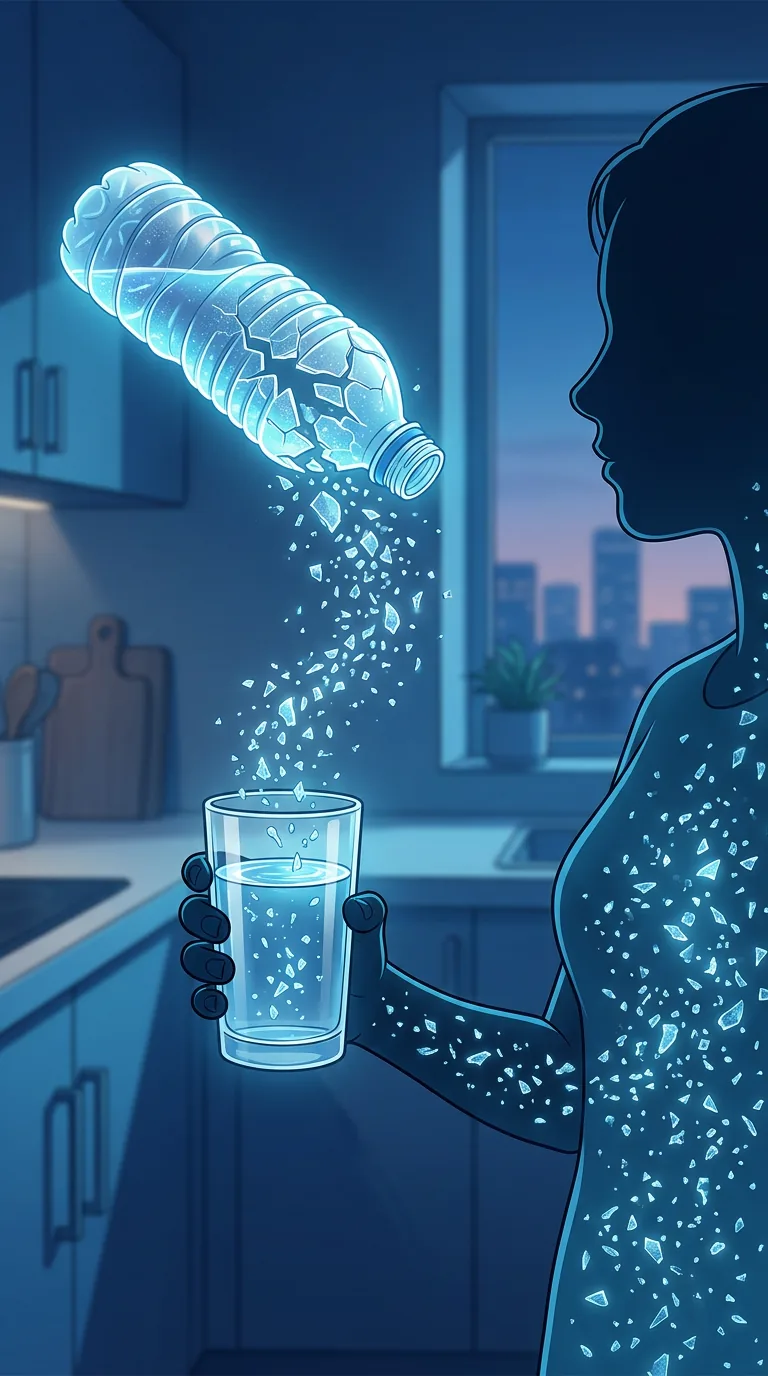
Plastic doesn't biodegrade — it breaks into microscopic pieces and stays forever.

Plastic photodegrades into microplastics, which then enter water, soil, fish and ultimately blood. Recent studies found microplastics in human placentas and arteries.

2.5kShare
Ecology

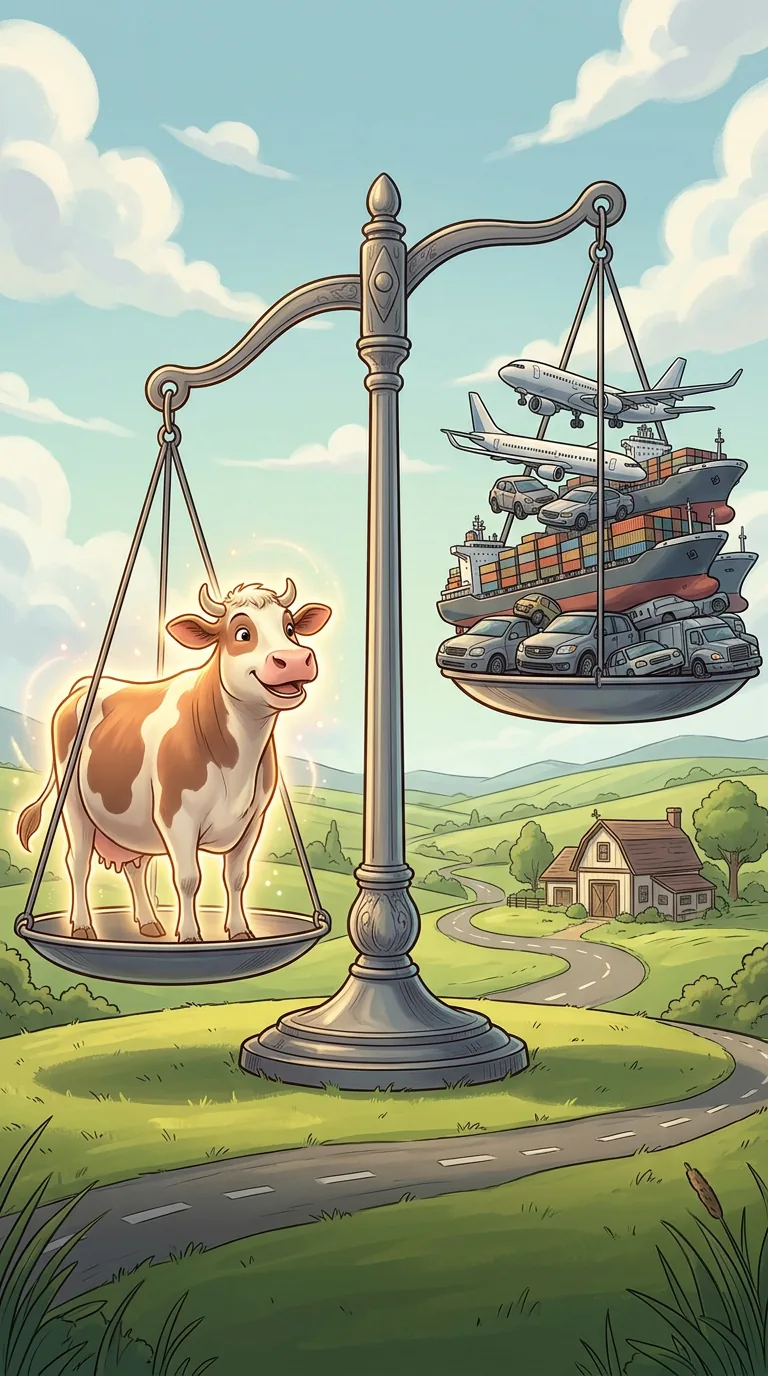
Cows produce more greenhouse gas than every car, plane and ship combined.

Livestock methane and CO₂ outweigh all transportation emissions globally. Eating one fewer beef meal per week measurably lowers your carbon footprint more than driving electric.

150Share
Ecology

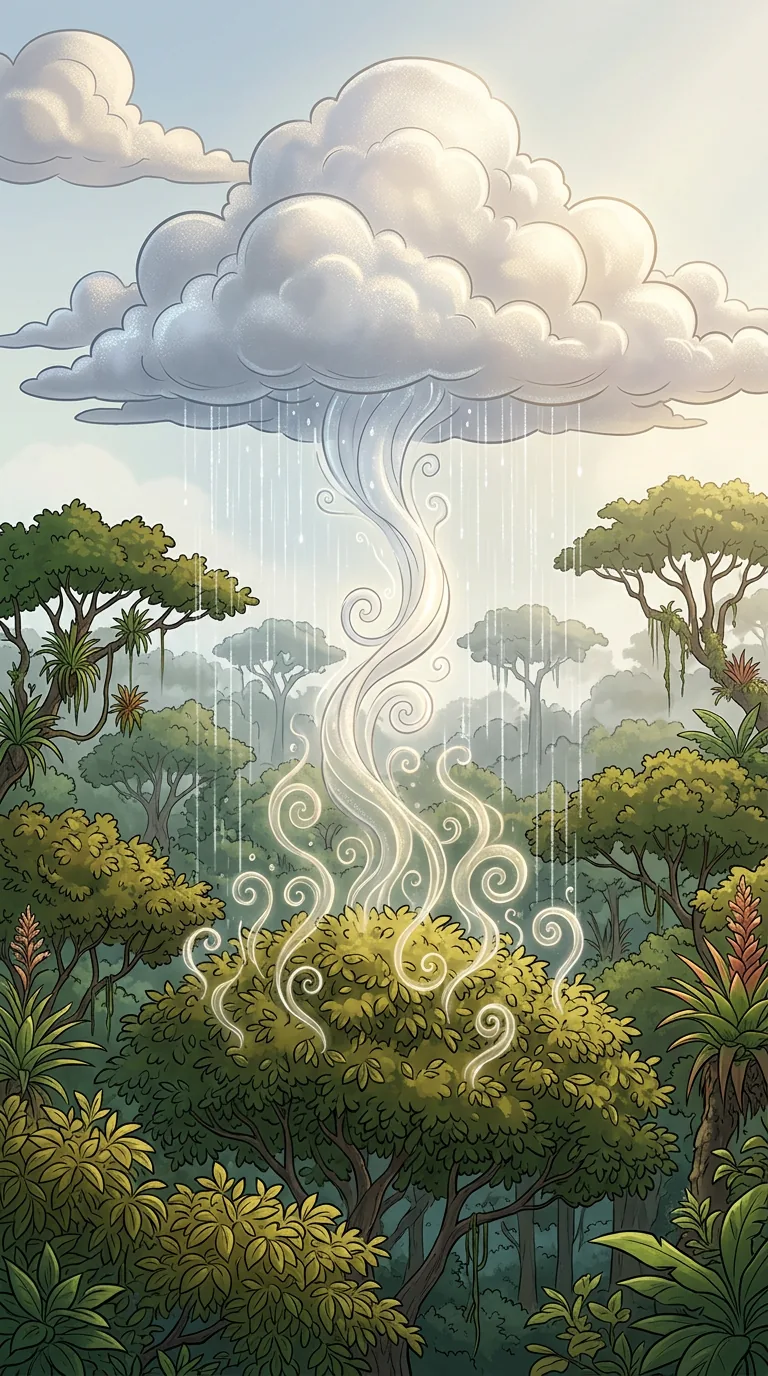
The Amazon makes its own rain — about half its rainfall comes from itself.

Trees release water vapour that forms clouds that fall as rain that feeds trees. Cut enough of it down and the loop snaps — the forest dries out and the system collapses.

710Share
Ecology

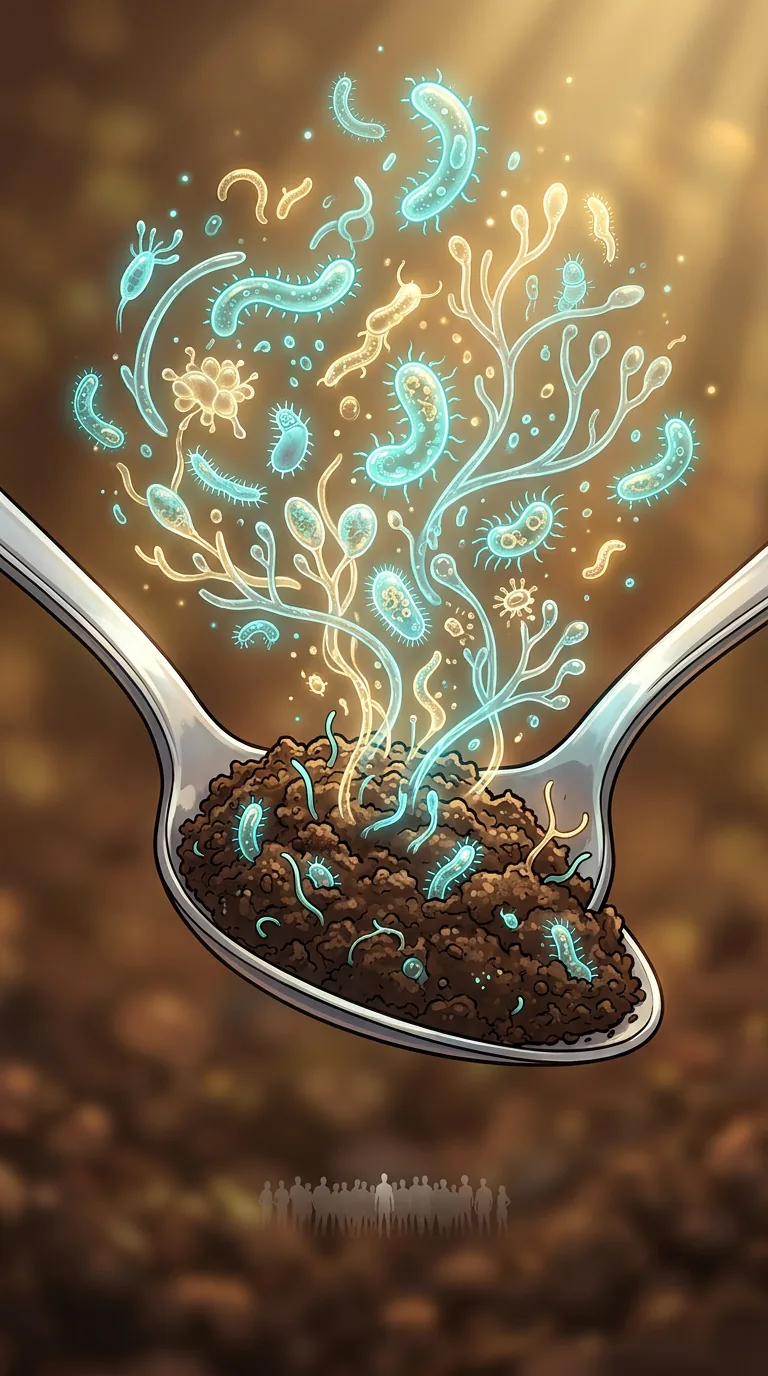
A teaspoon of soil contains more living organisms than there are humans on Earth.

Bacteria, fungi and microbes in one gram of healthy soil number in the billions. The biggest community on Earth is right under our feet.

4.5kShare
Ecology

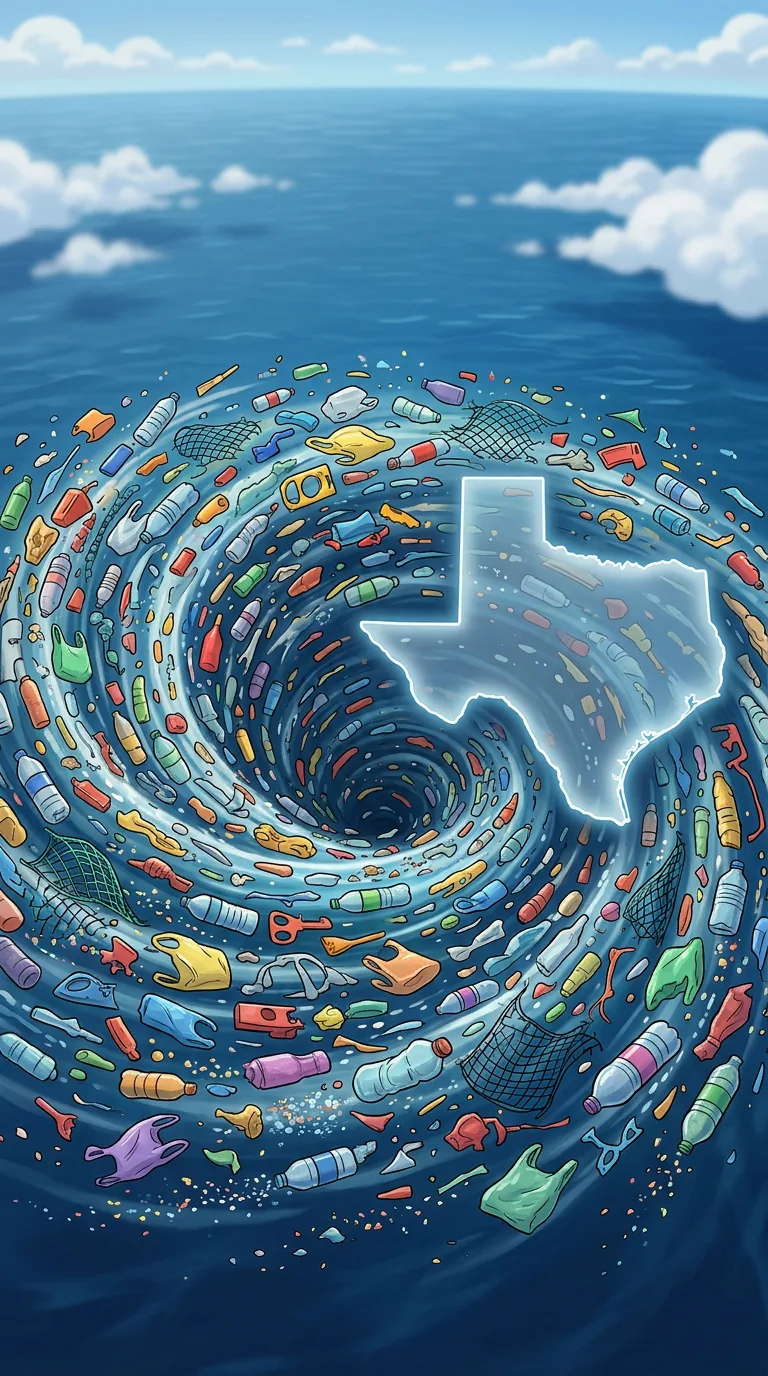
The Great Pacific Garbage Patch is twice the size of Texas.

A swirling mass of plastic debris floats between California and Hawaii — ~80,000 tonnes of it, mostly invisible microplastics, not bottles.

650Share
Ecology

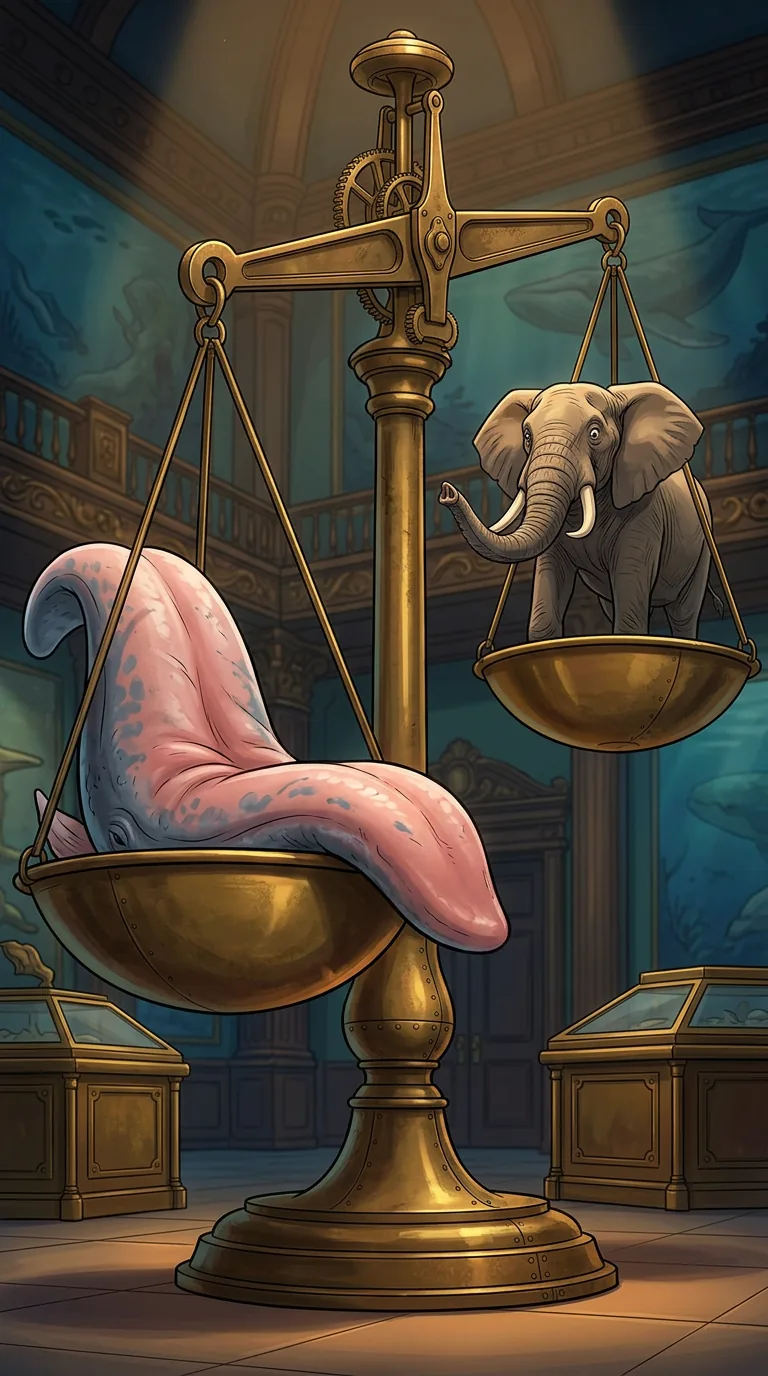
A blue whale's tongue weighs more than an elephant.

Around 2.7 tonnes. Its heart is the size of a small car and beats just once every 10 seconds when diving.

770Share
Ecology

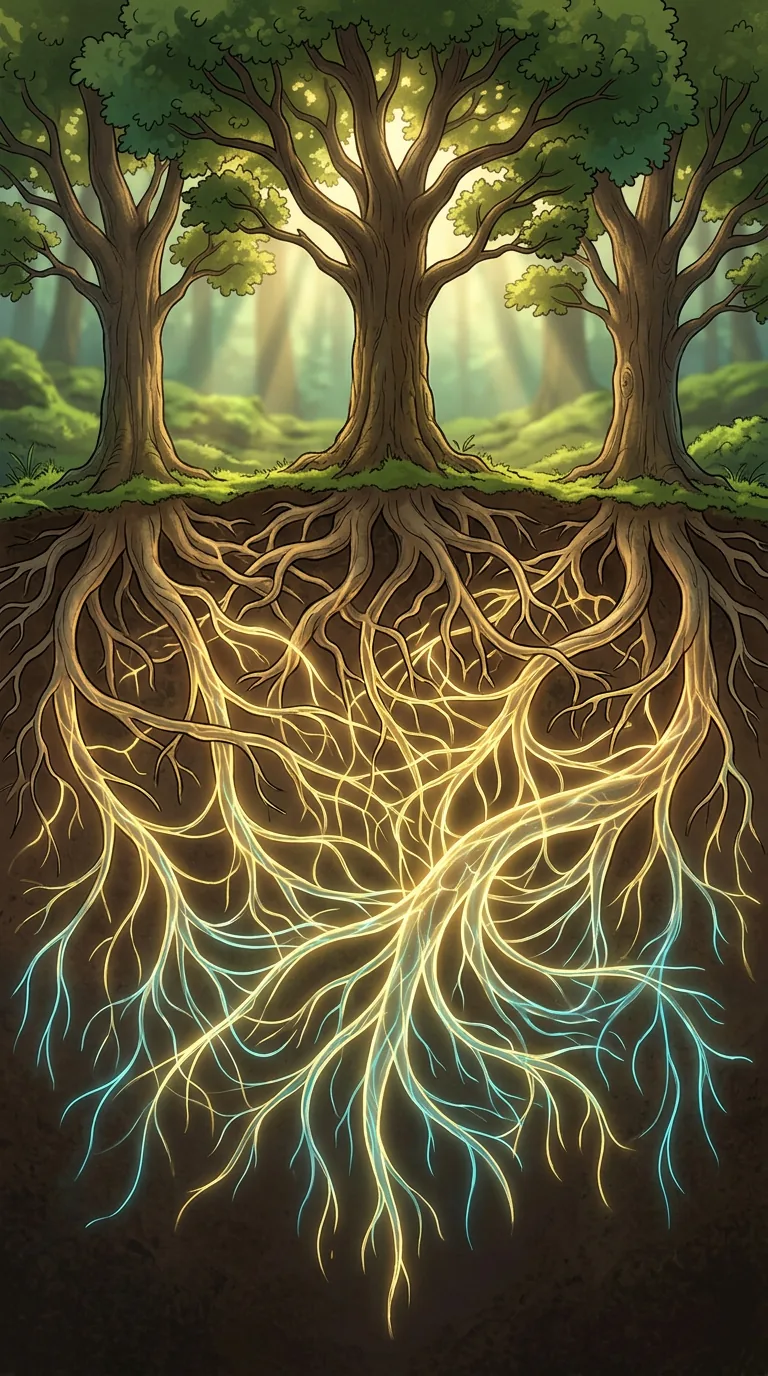
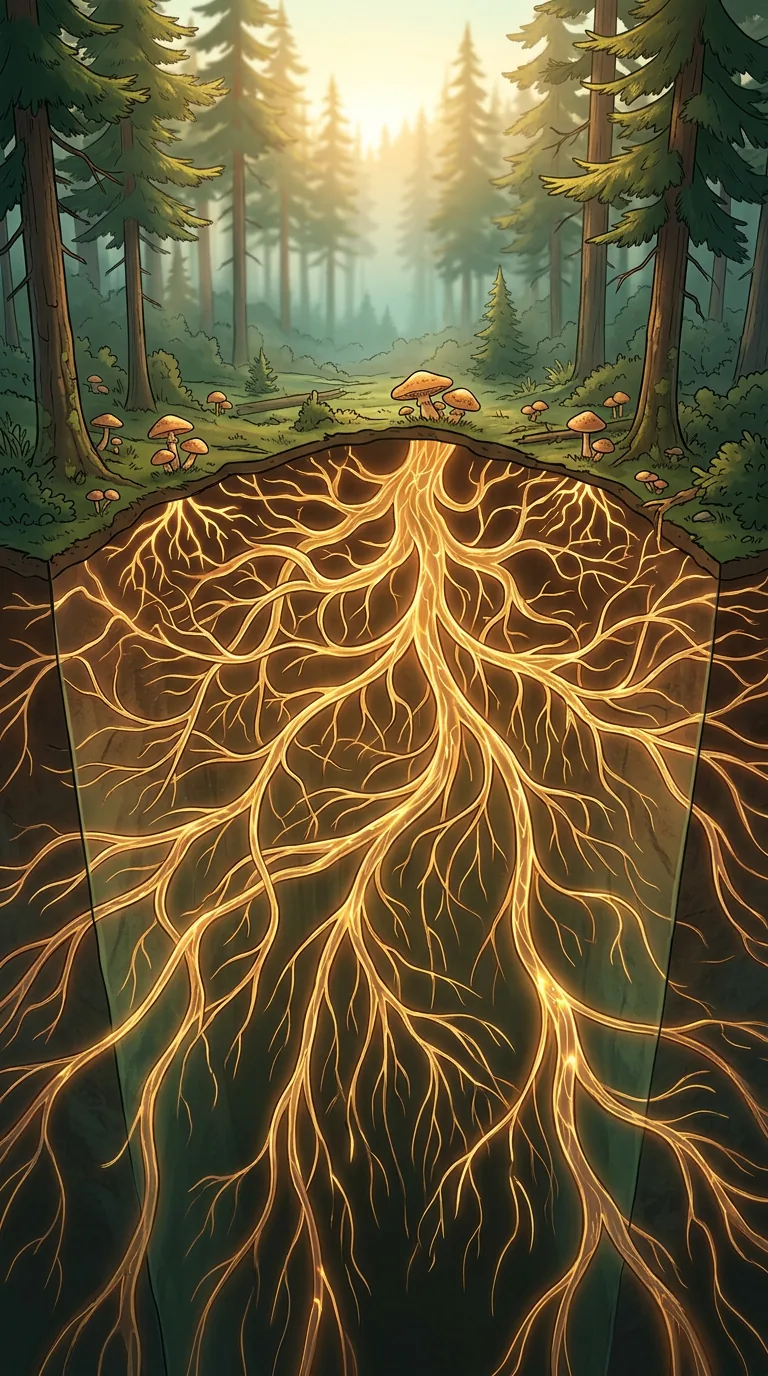
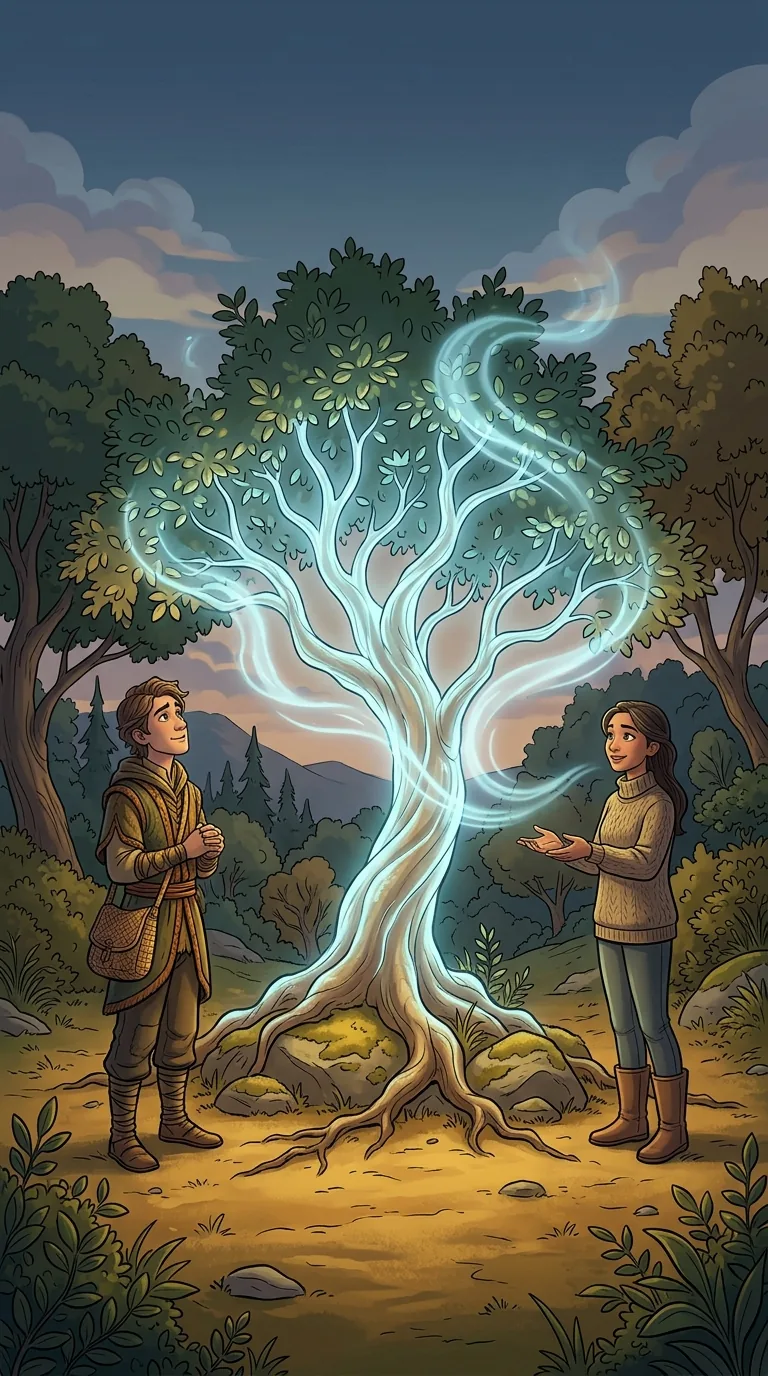
Trees talk to each other through underground fungal networks.

Mycorrhizal fungi connect forest roots in what biologists call the "wood wide web". Trees share nutrients, send pest warnings, and feed sick saplings.

230Share
Ecology

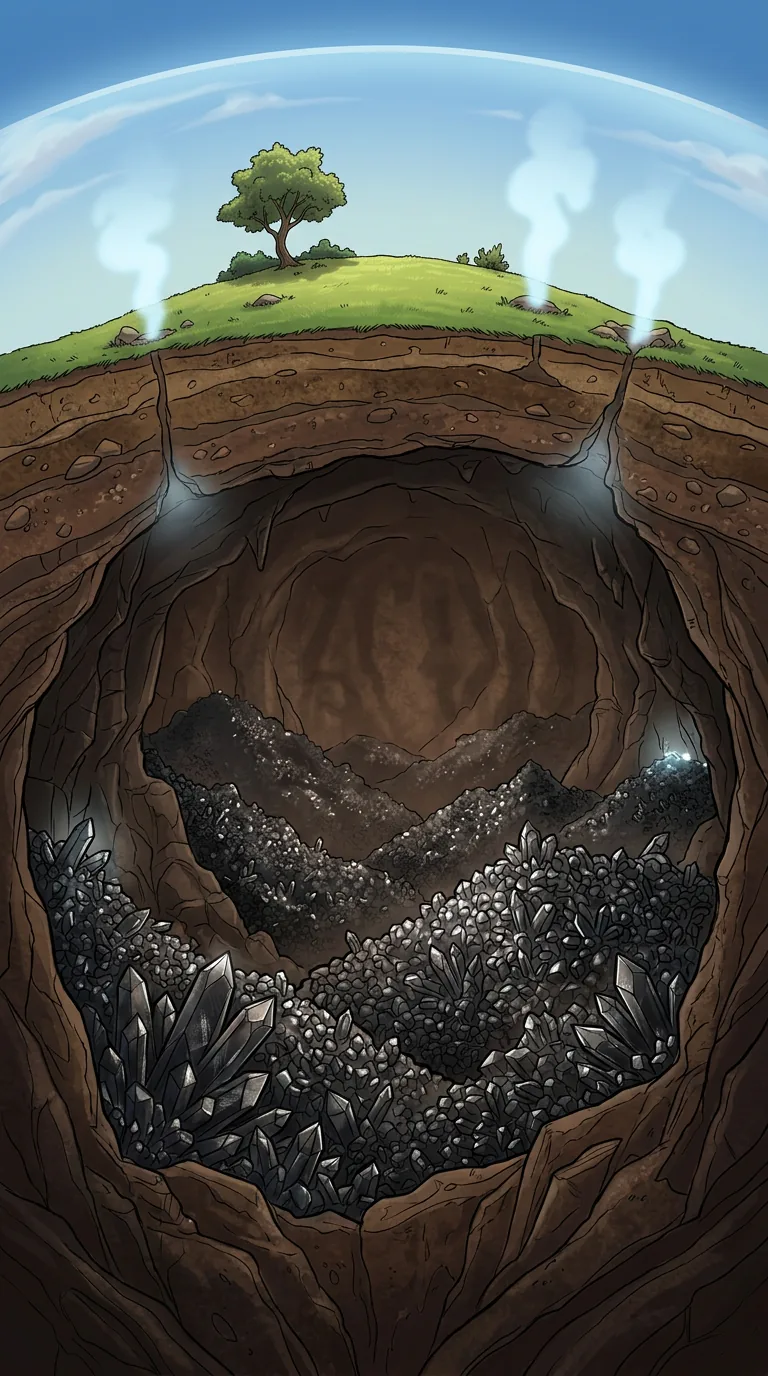
Soil stores more carbon than all plants and atmosphere combined.

Roughly 2,500 gigatonnes locked underground. Plowing or deforestation releases more CO₂ per acre than burning gasoline.

1.3kShare
Ecology

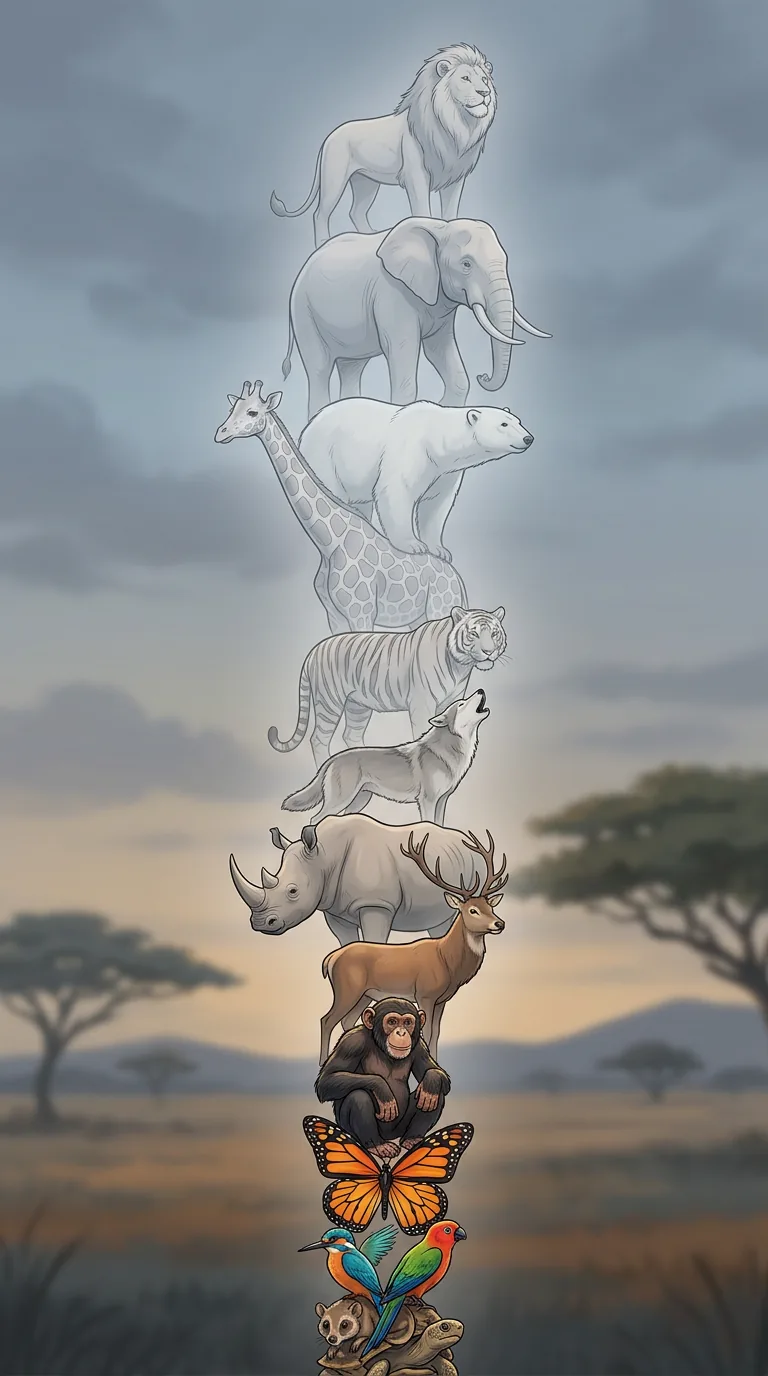
Earth has lost 68% of wildlife populations since 1970.

WWF's Living Planet Index shows monitored animal populations shrank by more than two-thirds in just 50 years. A single human lifetime erased two-thirds of vertebrate abundance.

1.3kShare
Ecology

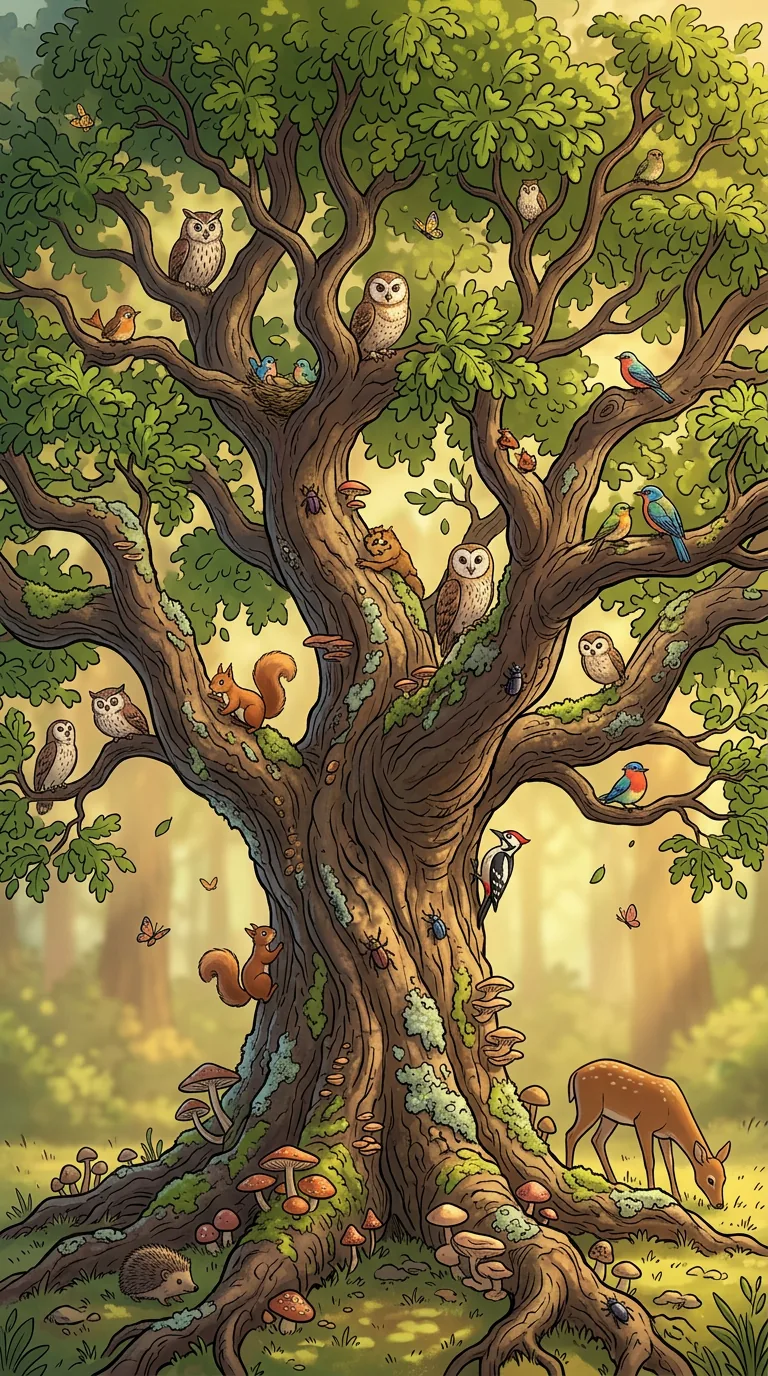
A single mature oak tree supports over 2,000 species.

Birds, insects, mammals, fungi, lichens, mosses. Cutting one oak isn't losing a tree — it's collapsing an entire small ecosystem.

3kShare
Ecology

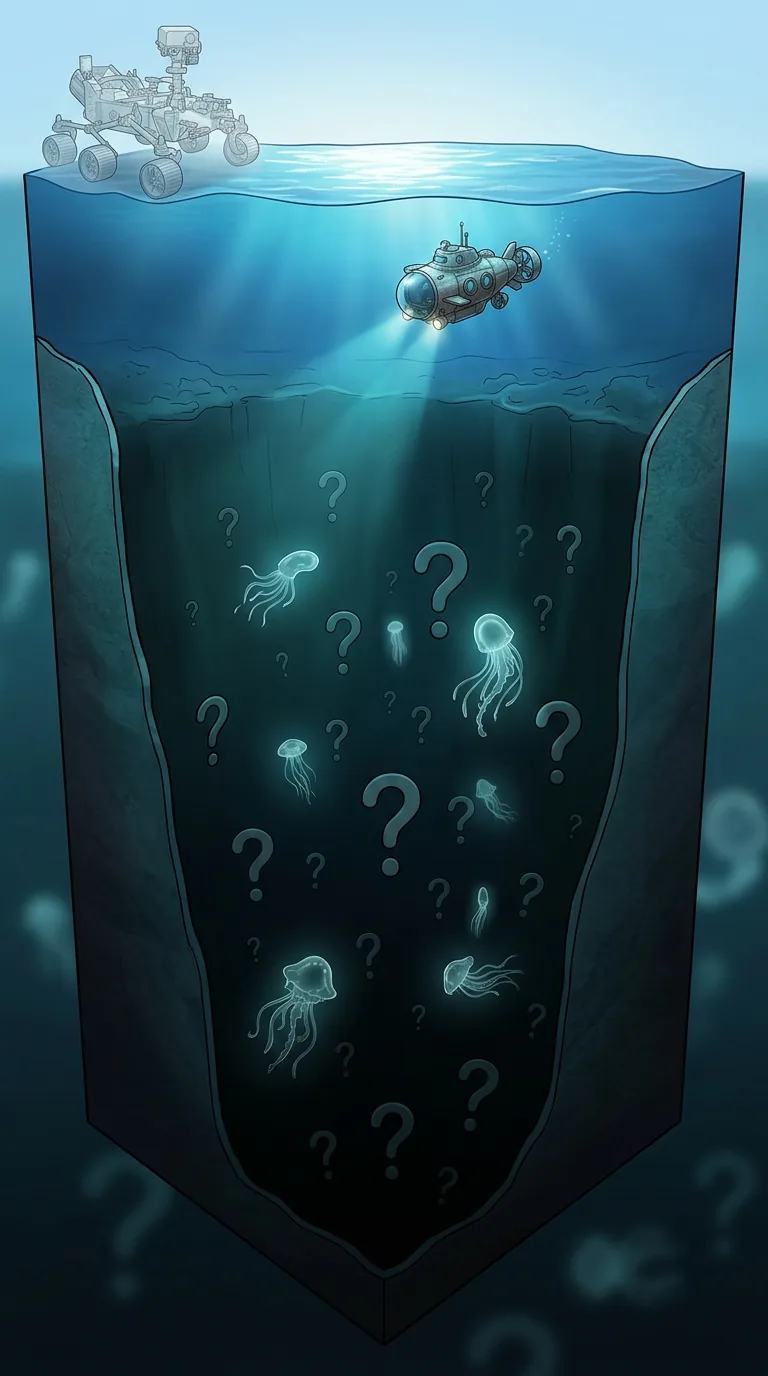
80% of the ocean is unmapped and unobserved.

We have better maps of Mars and the Moon than of our own seafloor. Most of Earth's largest ecosystem is invisible to humans.

380Share
Ecology

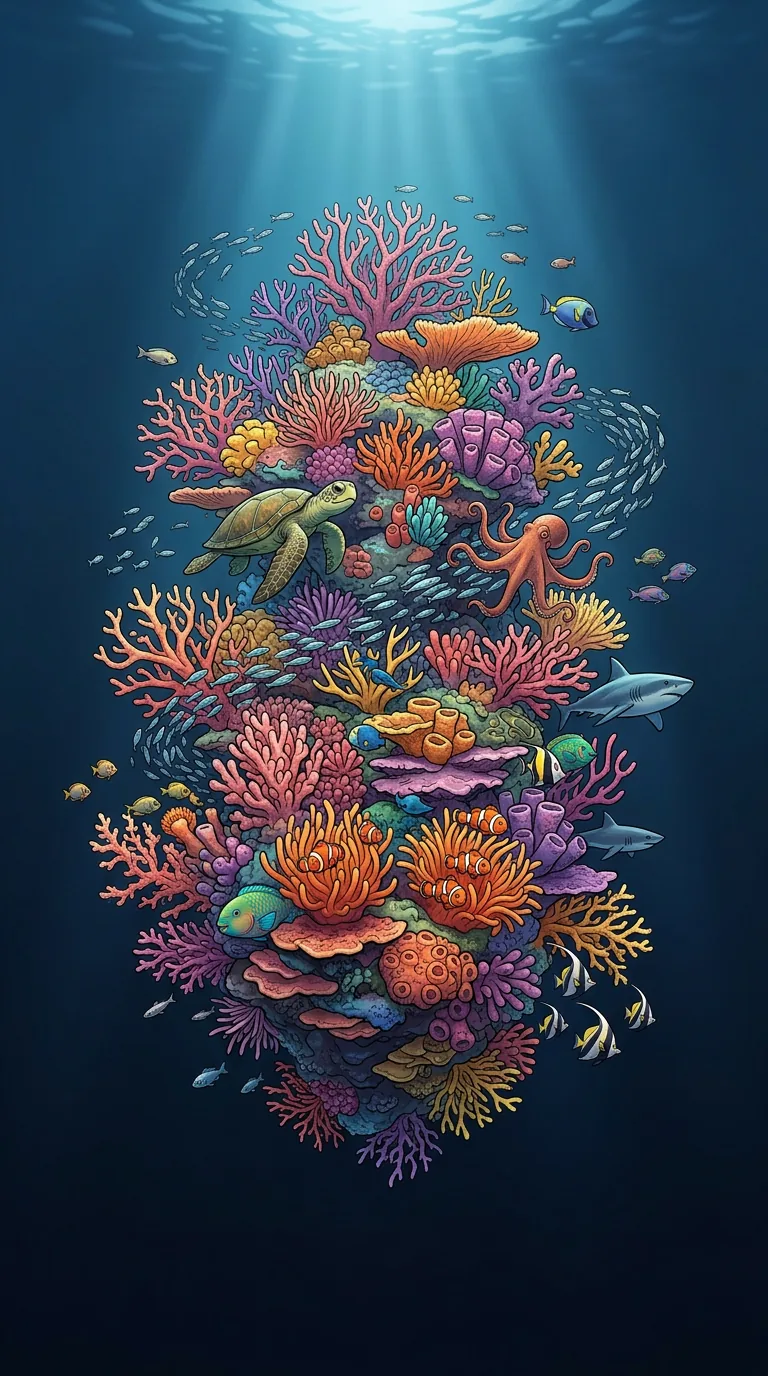
Coral reefs cover less than 1% of the ocean but host 25% of all marine species.

They're the rainforests of the sea. Half of them have already died this century from warming and acidification.

3.4kShare
Ecology

You eat about a credit card's worth of plastic every week.

Microplastics in seafood, salt, bottled water and tap water. Studies estimate ~5 grams of plastic ingested per person weekly.

820Share
Ecology

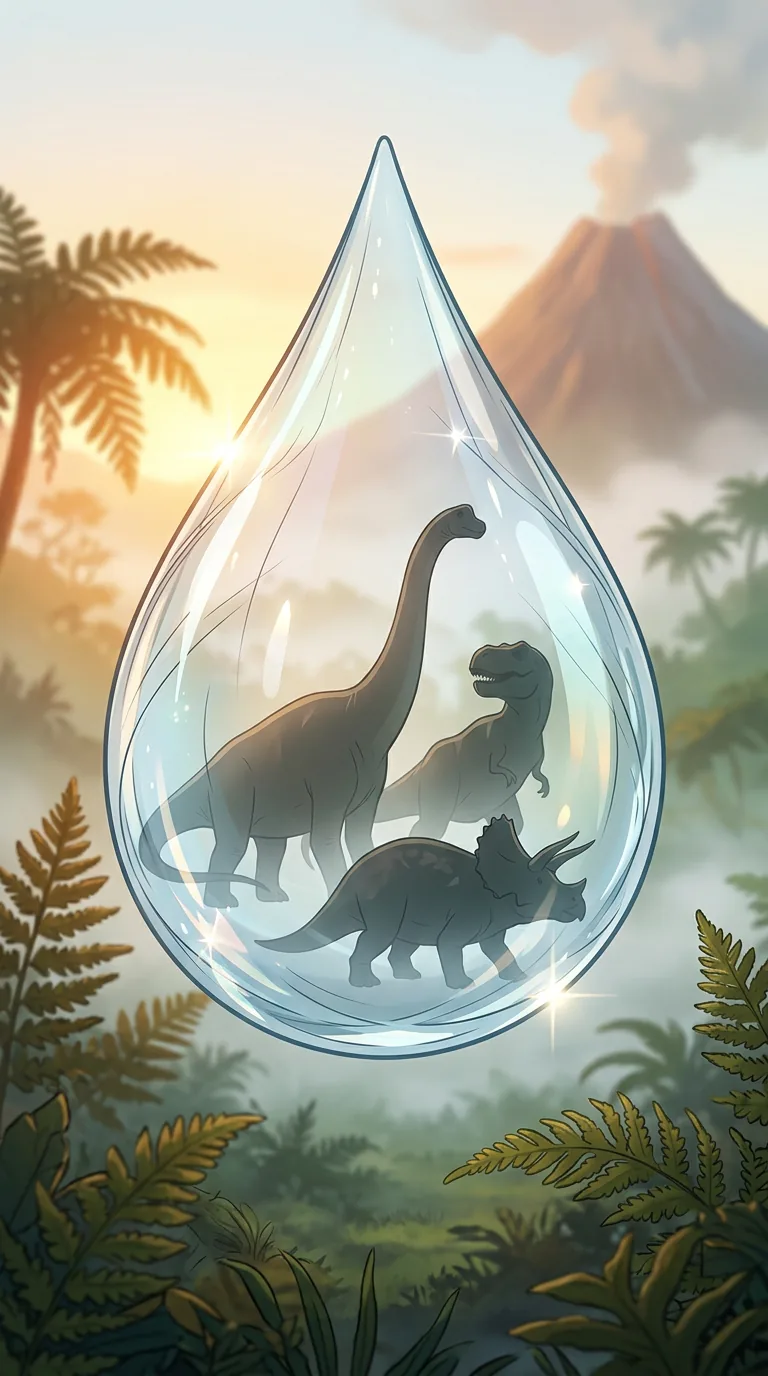
A drop of rainwater can be older than the dinosaurs.

Water cycles through atmosphere, oceans and deep aquifers for millions of years. The drink in your glass may have last fallen as rain 200 million years ago.

2.9kShare
Ecology

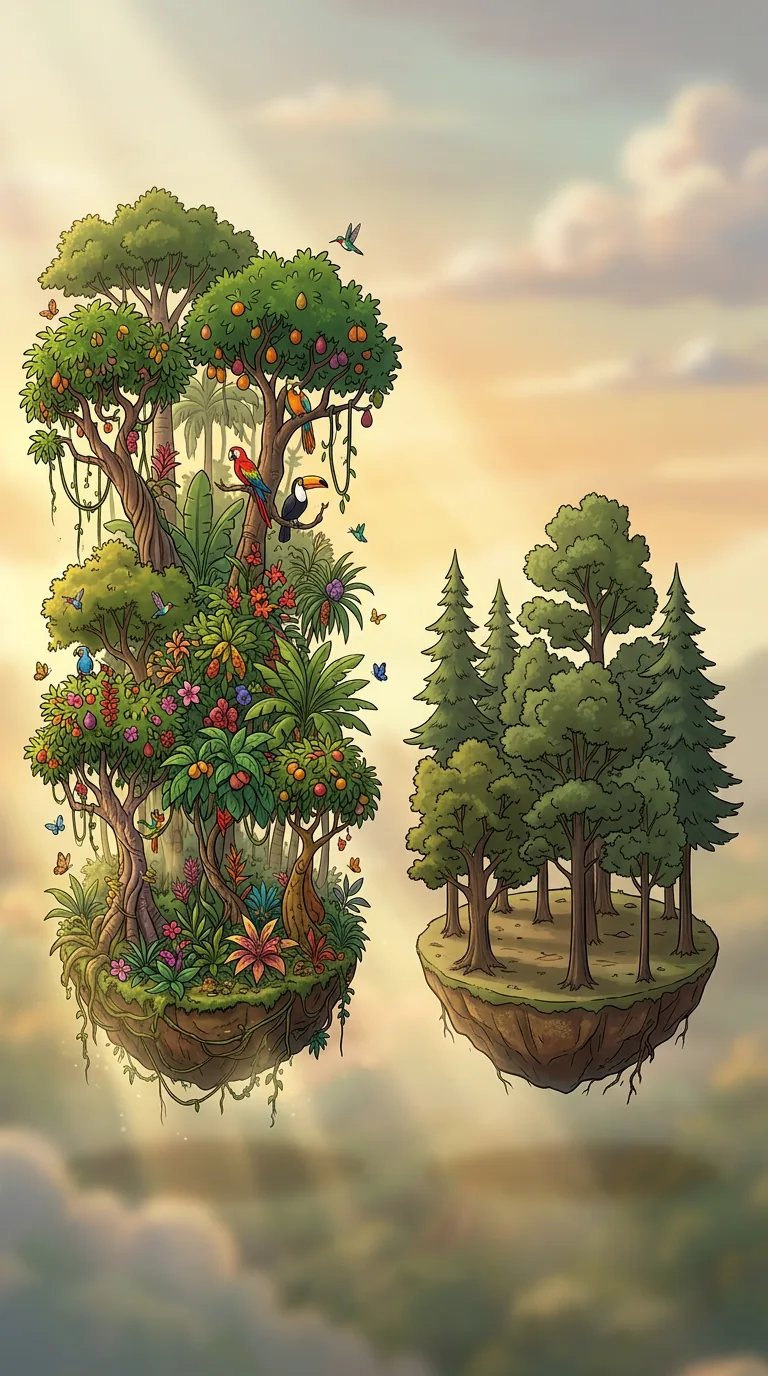
One acre of Amazon rainforest has more tree species than all of North America.

A typical Amazon hectare contains ~300 species. The entire North American continent has roughly 700 native tree species in total.

370Share
Ecology

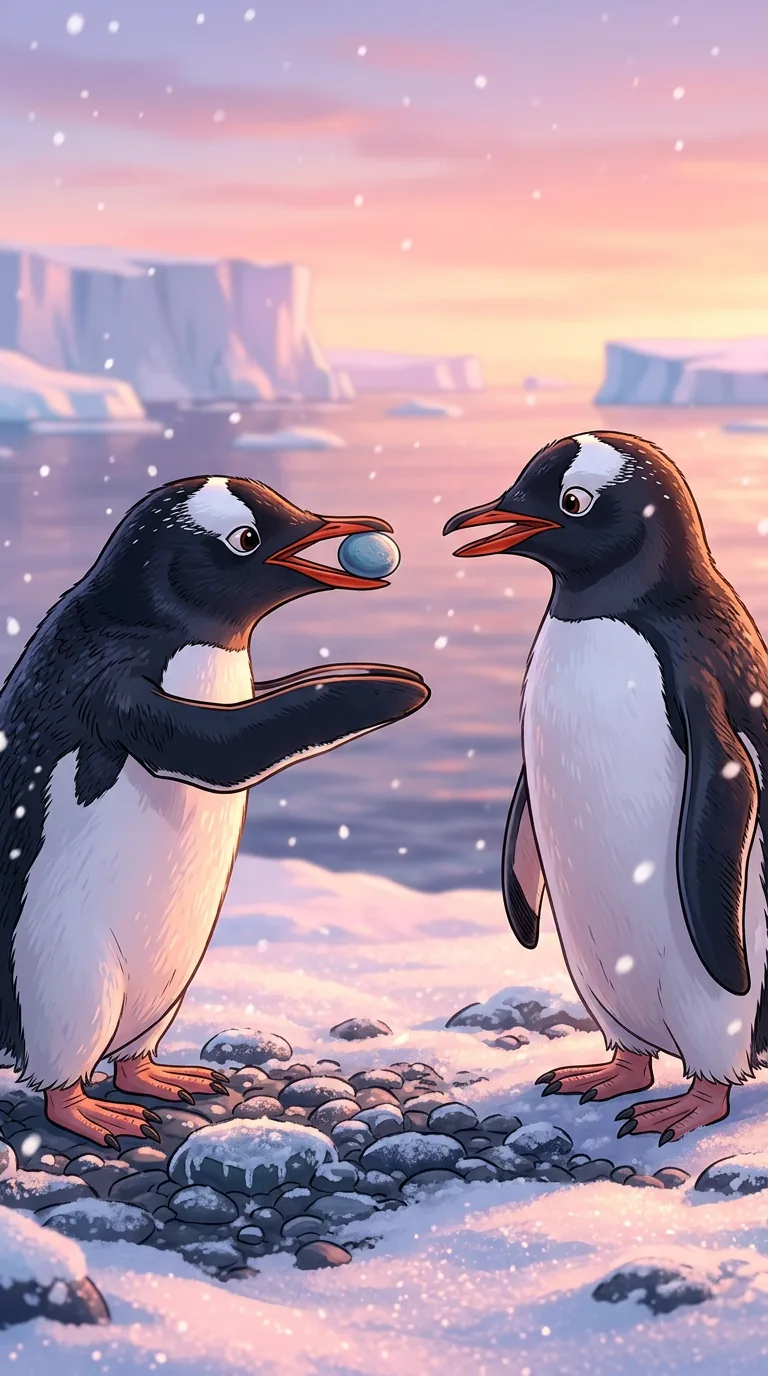
Penguins propose with a pebble.

Gentoo and Adélie penguins search for the smoothest perfect pebble on the beach and present it to a chosen mate. If accepted, they bond for life.

1.7kShare
Ecology

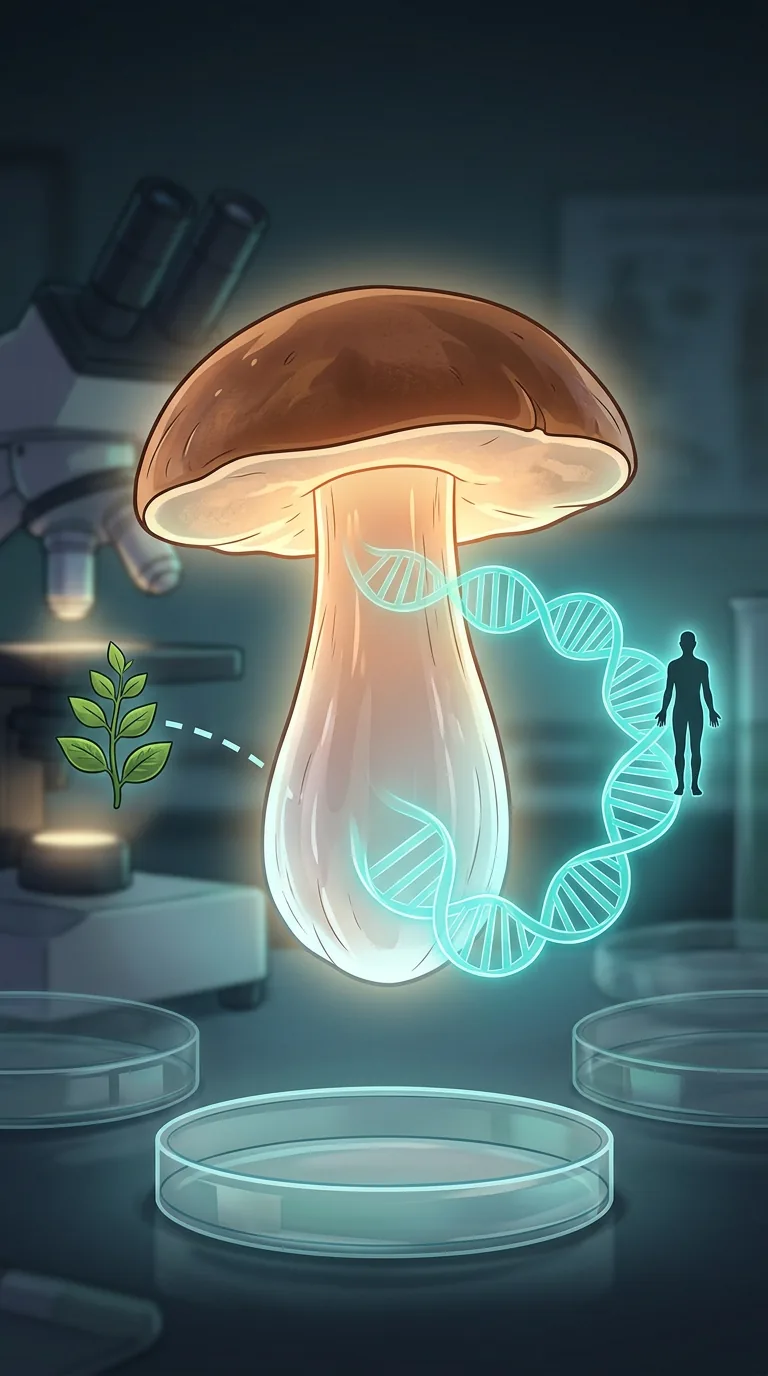
Mushrooms are more closely related to humans than to plants.

Fungi share a common ancestor with animals about 1 billion years ago. They breathe oxygen, exhale CO₂, and digest food with enzymes — just like us.

840Share
Ecology

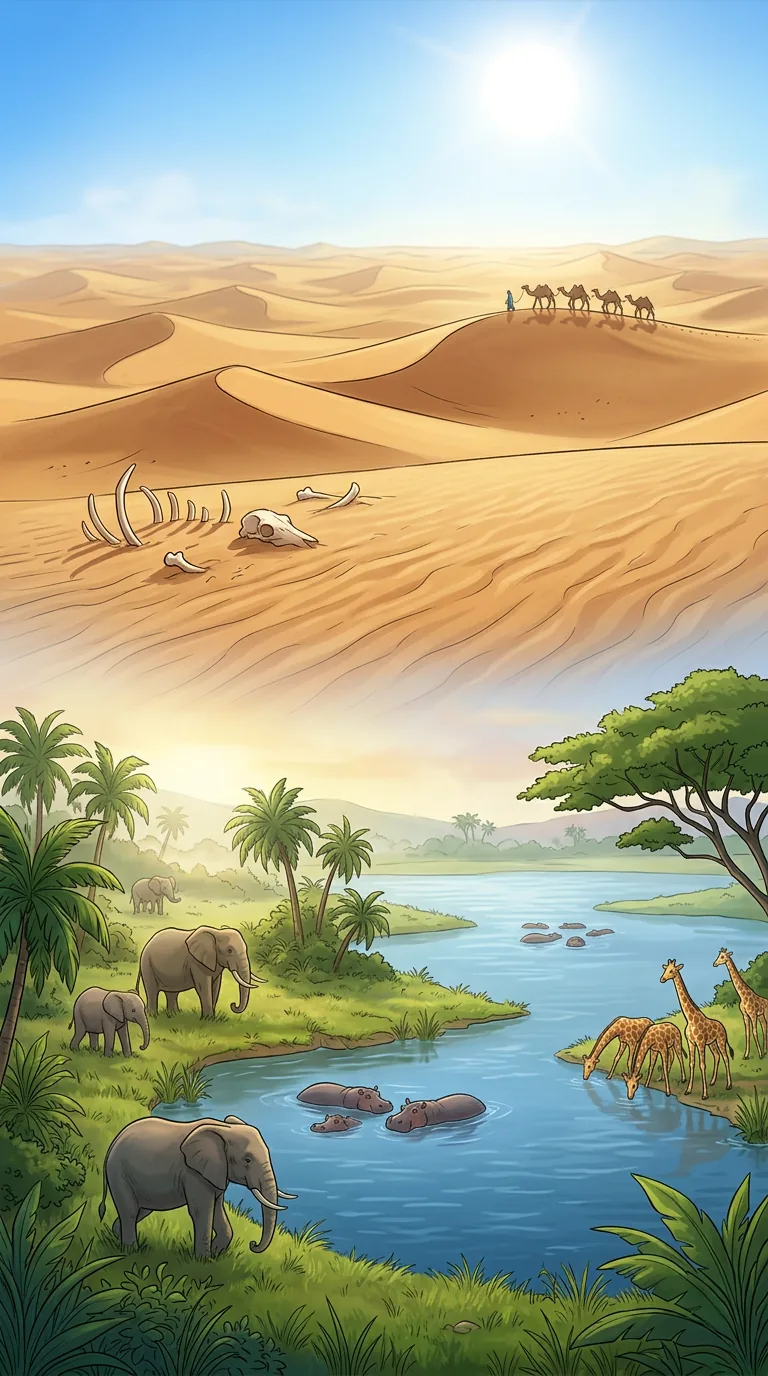
The Sahara was a tropical forest 6,000 years ago.

Cave paintings show hippos, giraffes and great lakes where there's now sand. The same patch of Earth has flipped between savanna and desert at least seven times.

1.7kShare
Ecology

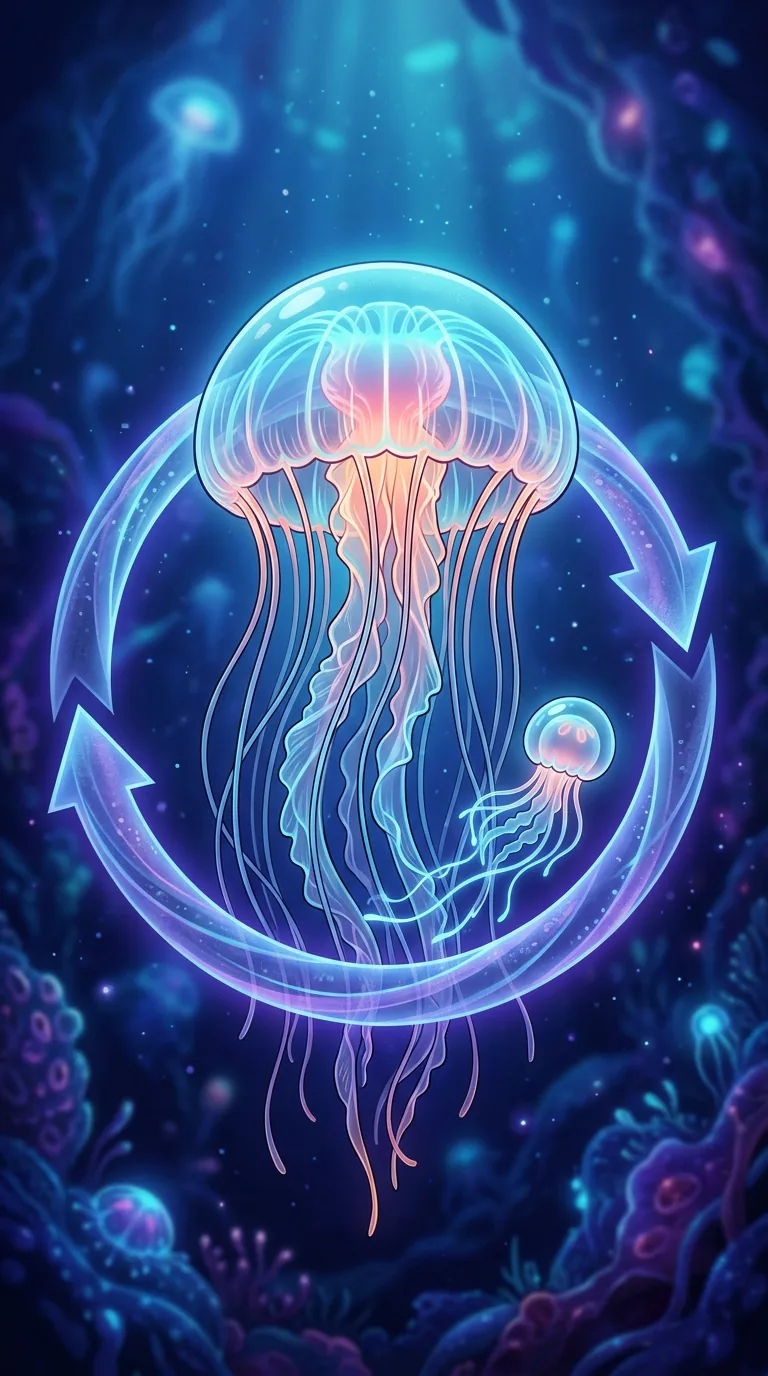
One jellyfish species is biologically immortal.

Turritopsis dohrnii can revert to its juvenile stage when injured or aged. In theory it never has to die — though most get eaten long before they prove it.

161Share
Ecology

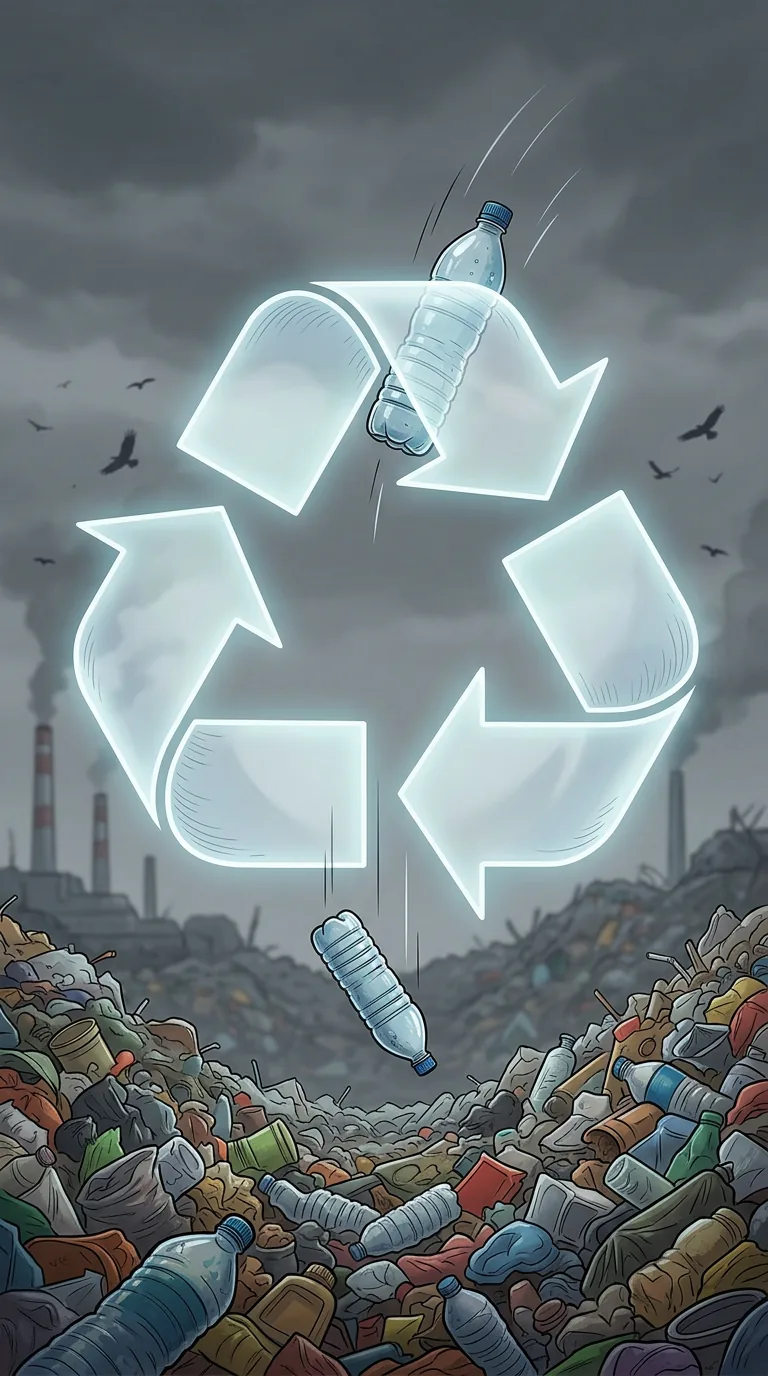
Only 9% of all plastic ever made has been recycled.

Of total global plastic production: 9% recycled, 12% incinerated, 79% sits in landfills or pollutes nature. The recycling triangle was largely an industry PR campaign.

460Share
Ecology

The largest organism on Earth is a fungus.

A honey fungus in Oregon's Blue Mountains covers 9.6 km² underground. It's ~2,500 years old and one single genetically identical individual.

840Share
Ecology

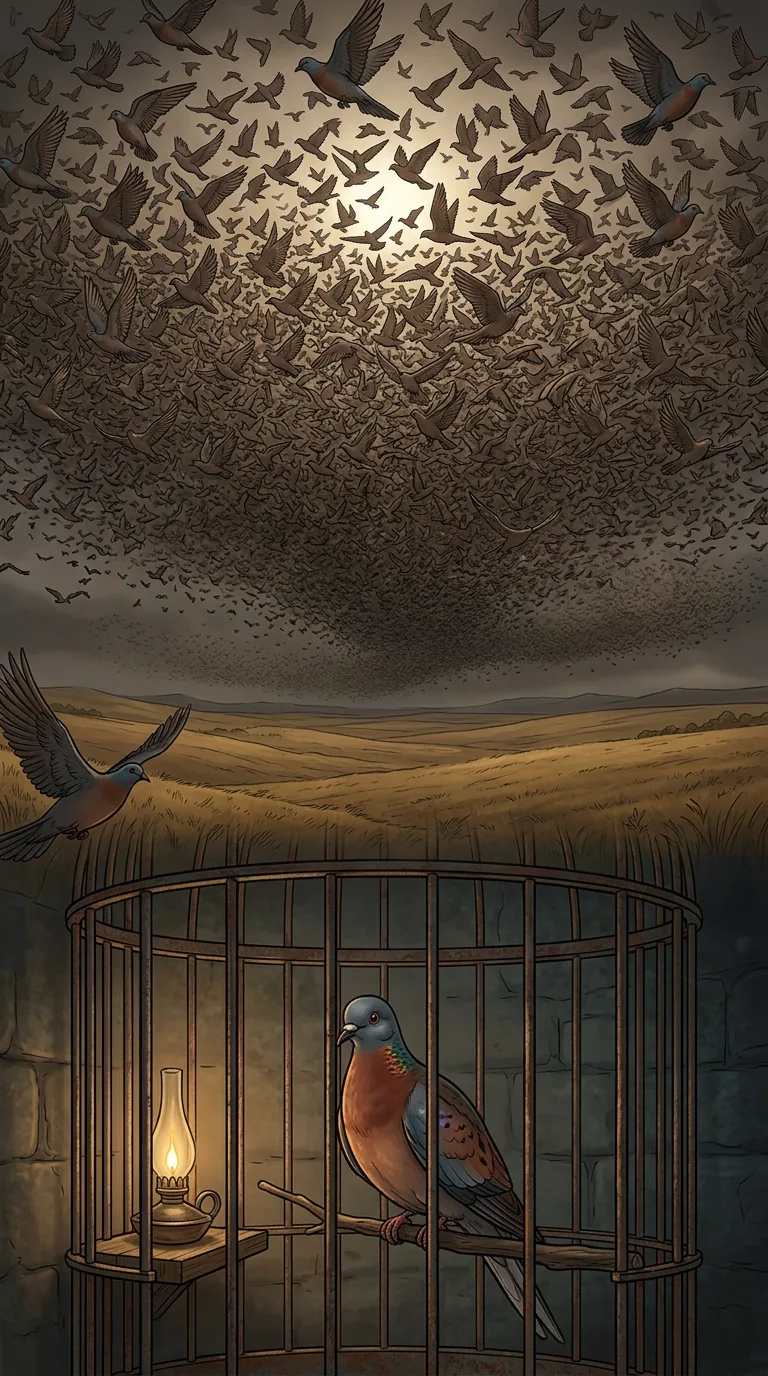
There were once more passenger pigeons than humans alive today.

Up to 5 billion in North America in the 1800s. Within decades, hunting drove them to extinction — the last individual died in a zoo in 1914.

790Share
Ecology

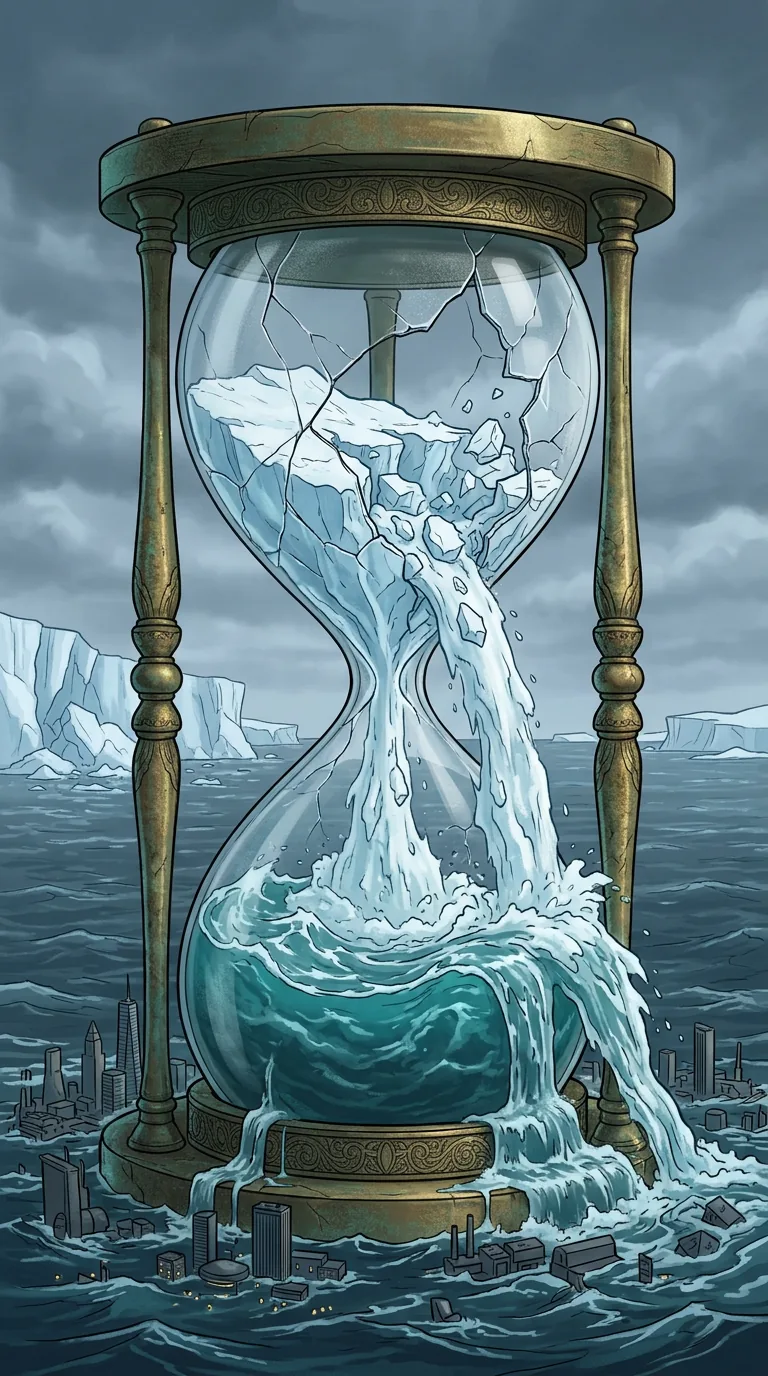
Antarctica is melting six times faster than 30 years ago.

Ice loss accelerated from 40 billion tonnes per year in the 1980s to 252 billion tonnes per year by the 2020s. Sea level is rising in lockstep.