
1.3kShare
Economics
About 90% of the world's millionaires made their fortune in real estate.
Andrew Carnegie's quote still holds today. Property leverage, appreciation and tax advantages out-compound most other wealth paths.

NOW WATCHING
Economics · Facts
Andrew Carnegie's quote still holds today. Property leverage, appreciation and tax advantages out-compound most other wealth paths.
 Swipe up or down to explore more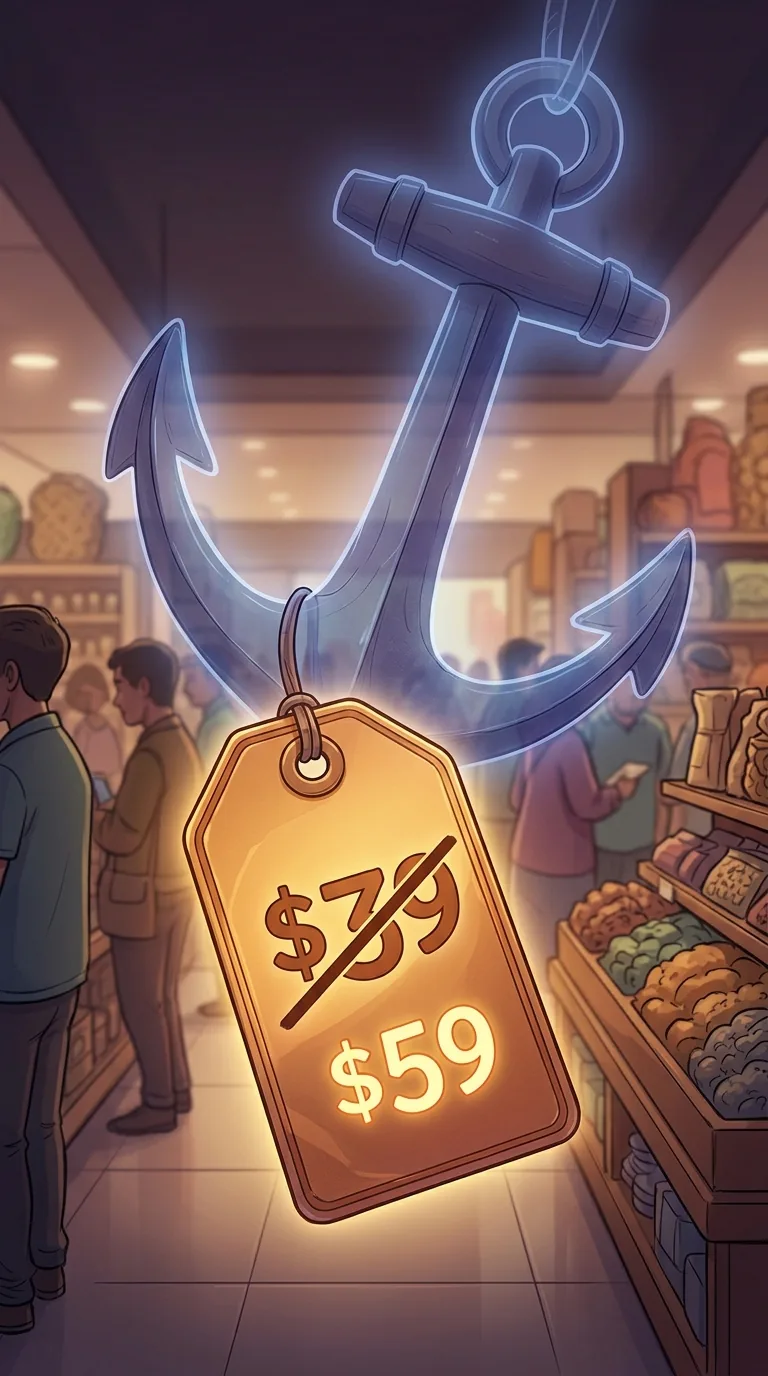
Show people a high 'original price' first, and they'll perceive the actual price as a bargain regardless of value. Retail is built on this trick.
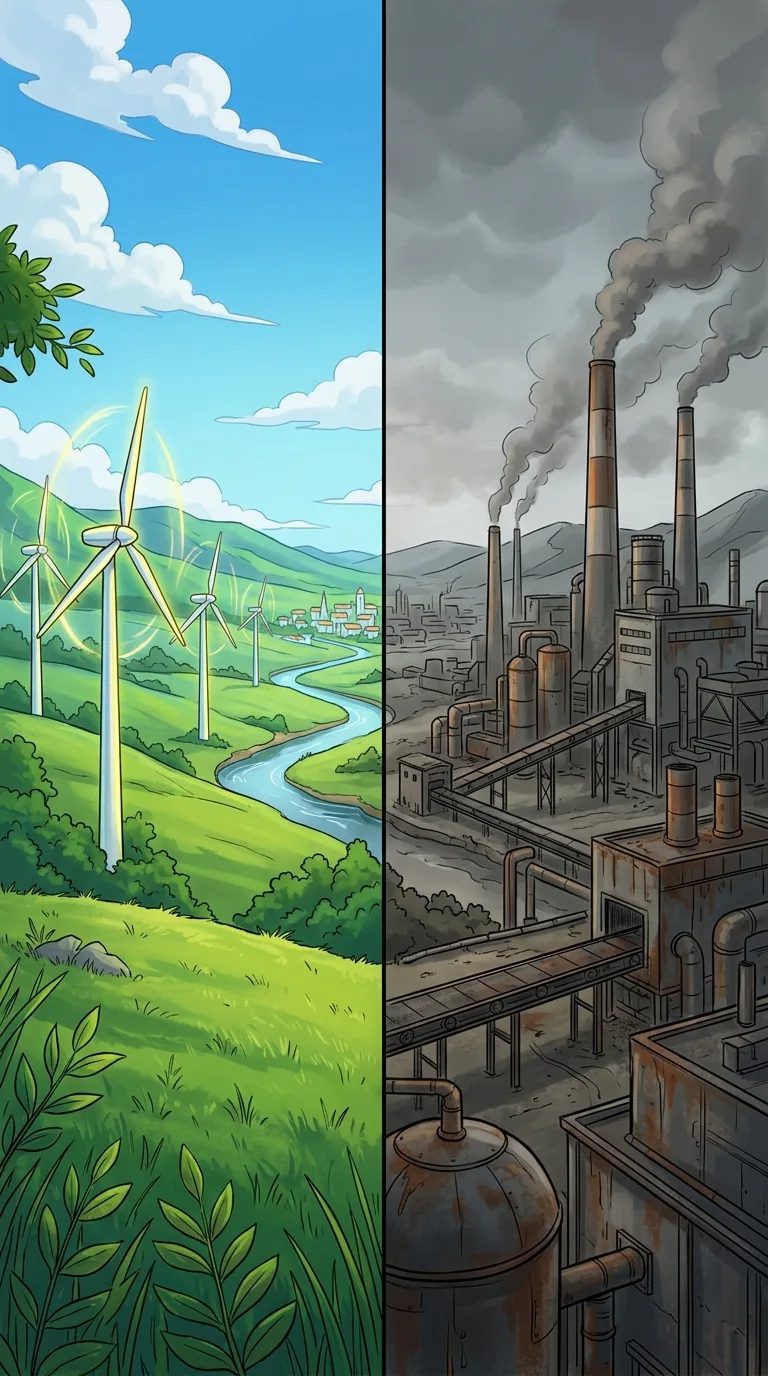
Despite the stereotype, rich free-market economies invest heavily in environmental regulation. The most polluted places on Earth are mostly closed centrally-planned ones.
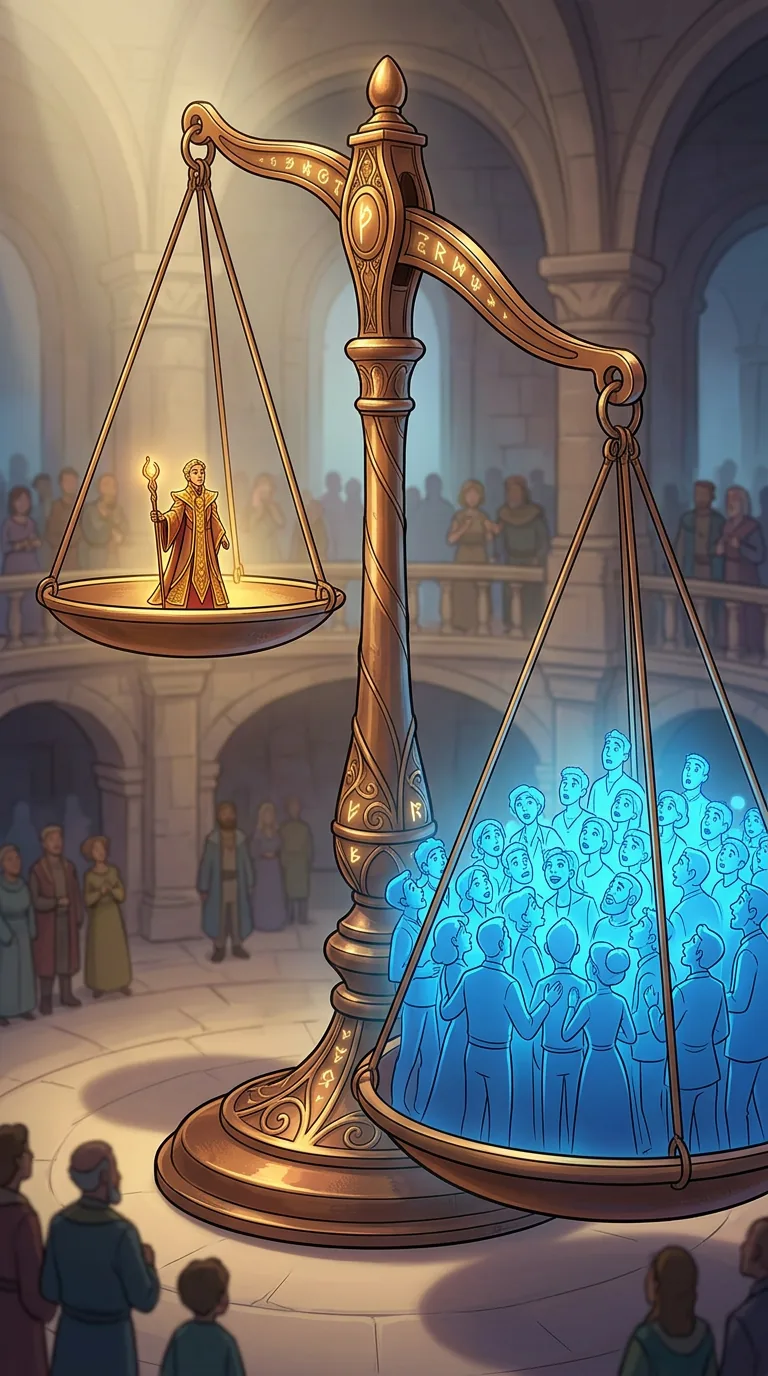
Global wealth data shows extreme concentration at the top. The gap has widened in nearly every country over the past 30 years.
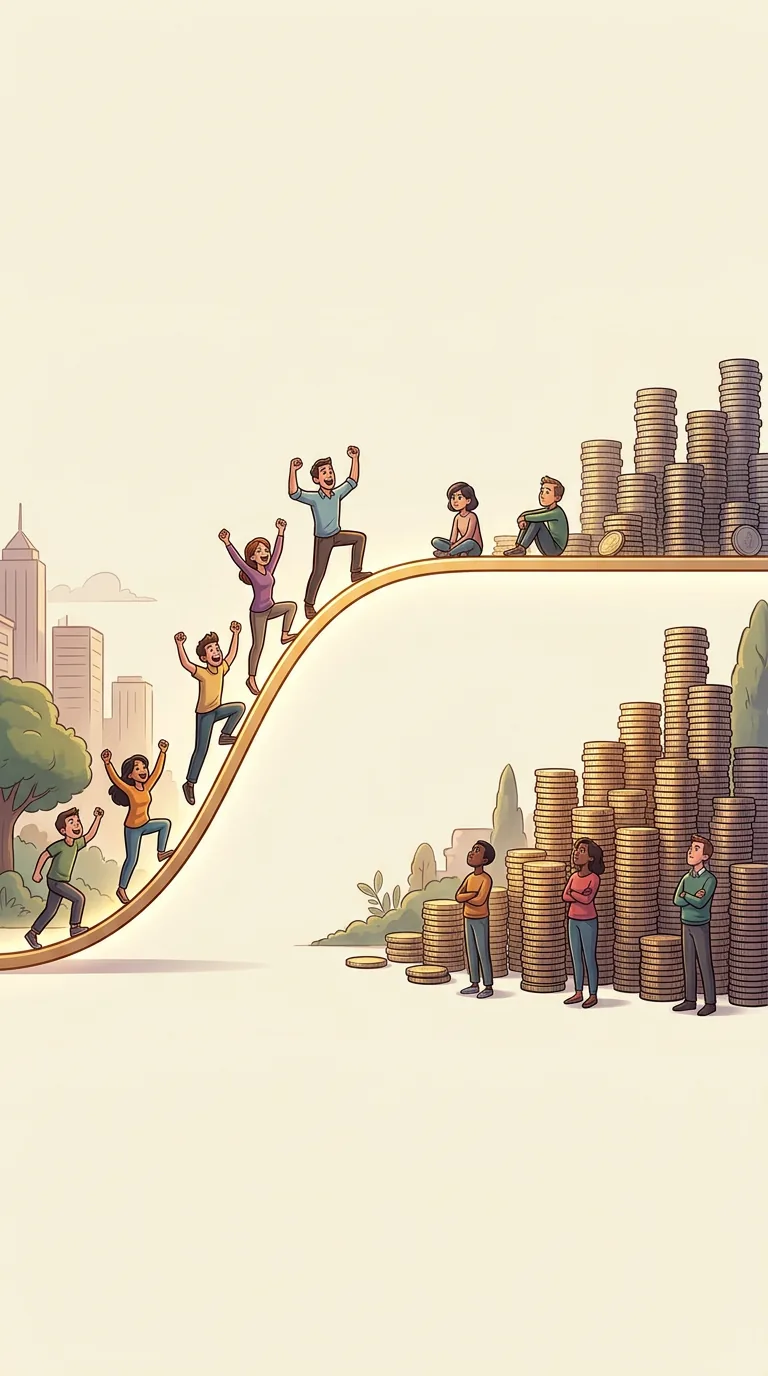
Easterlin's paradox: once a household passes a moderate threshold, additional income produces diminishing returns on life satisfaction. Money matters most when there isn't much.
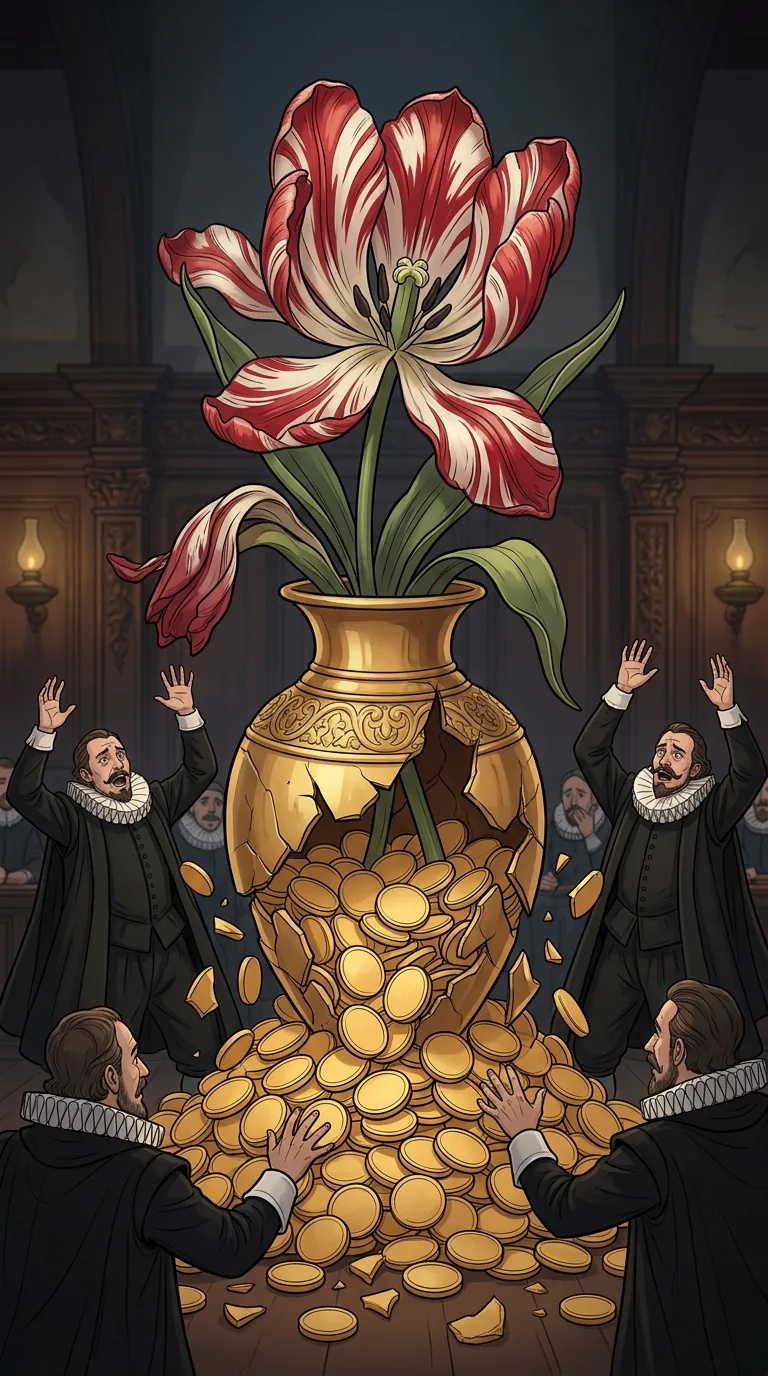
In 1637, a single tulip bulb sold for 10x a craftsman's annual salary. When prices collapsed in February, Dutch traders refused to pay, triggering the first recorded asset bubble.
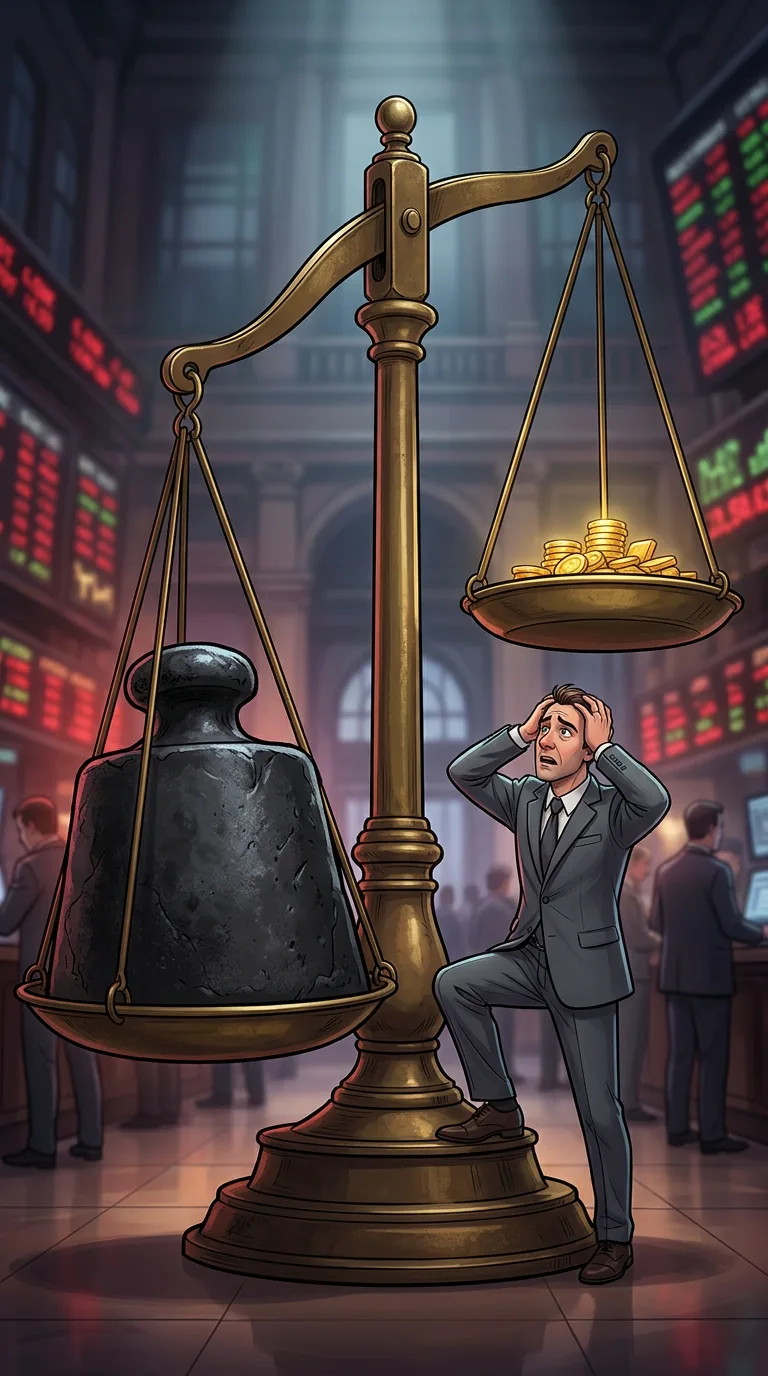
Kahneman and Tversky proved "loss aversion" in 1979. This single bias drives most retail trading mistakes — people sell winners early and hold losers far too long.
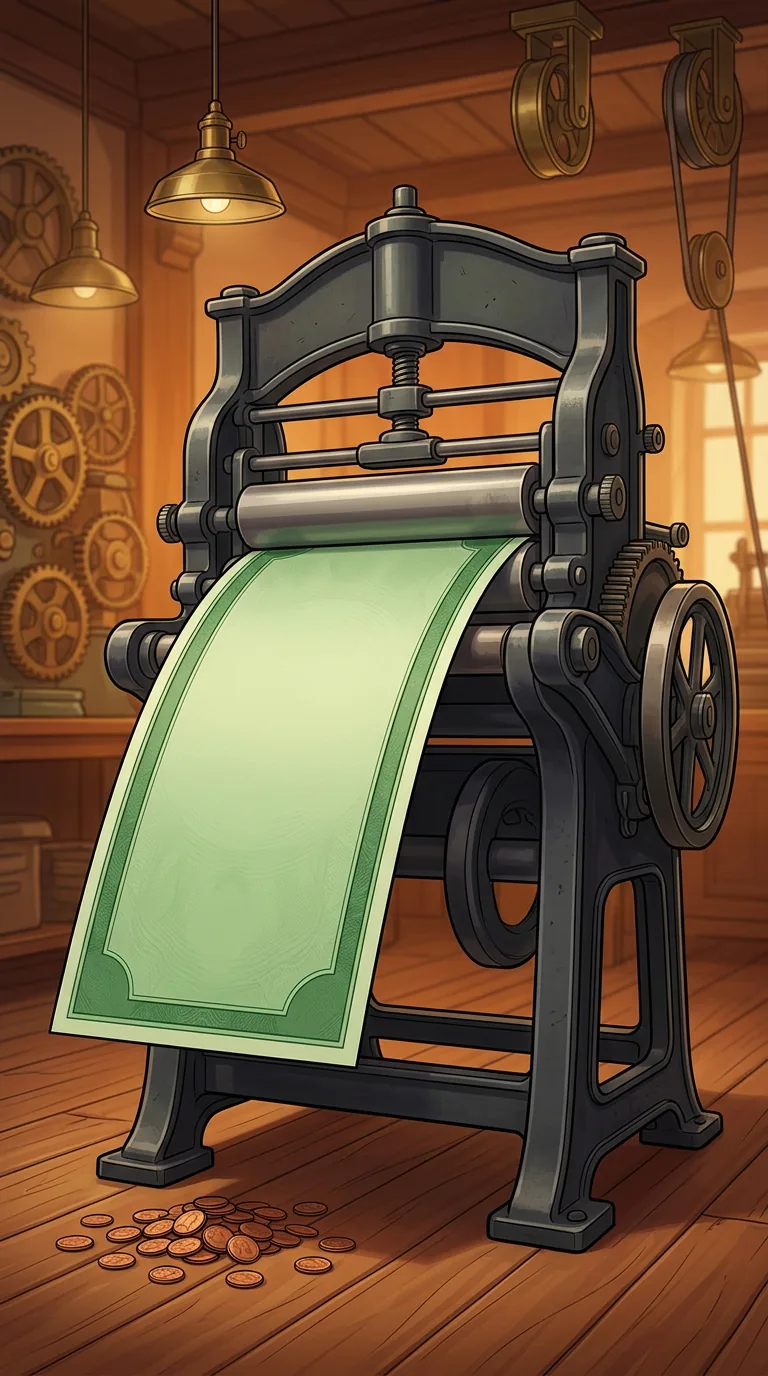
A $100 bill costs 14 cents. The profit on every banknote is called seigniorage and funds the government directly.

Sales of video game skins, currencies and digital goods exceeded $200 billion in 2023 — larger than the entire GDP of Hungary or Ukraine.

Refusing to pick sides in two world wars made it the safest banking jurisdiction on earth. Their wealth came from staying neutral when no one else could.

Harry Selfridge coined it in 1909 to teach employees to never argue with shoppers. Customers were never supposed to hear it.
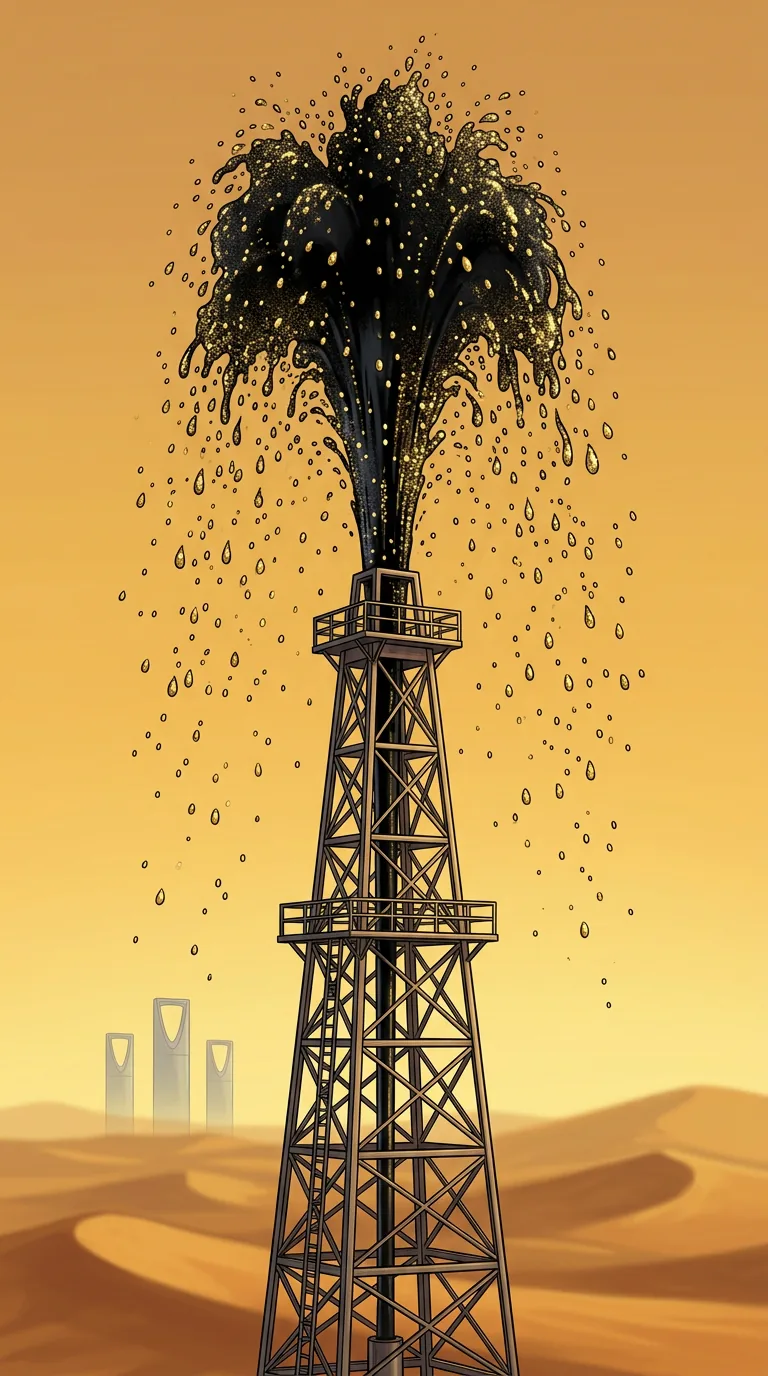
Its 2022 net profit was $161 billion — making it the most profitable company in recorded history.

Companies keep the price the same while shrinking the product. A bag of chips today contains ~30% less than ten years ago.

The Catholic Church called it usury and banned it. The Renaissance only happened once Italian banks quietly worked around the rule using clever loopholes.

With ~$6,000 owed at 22% APR, the typical family burns ~$110 per month on interest alone.
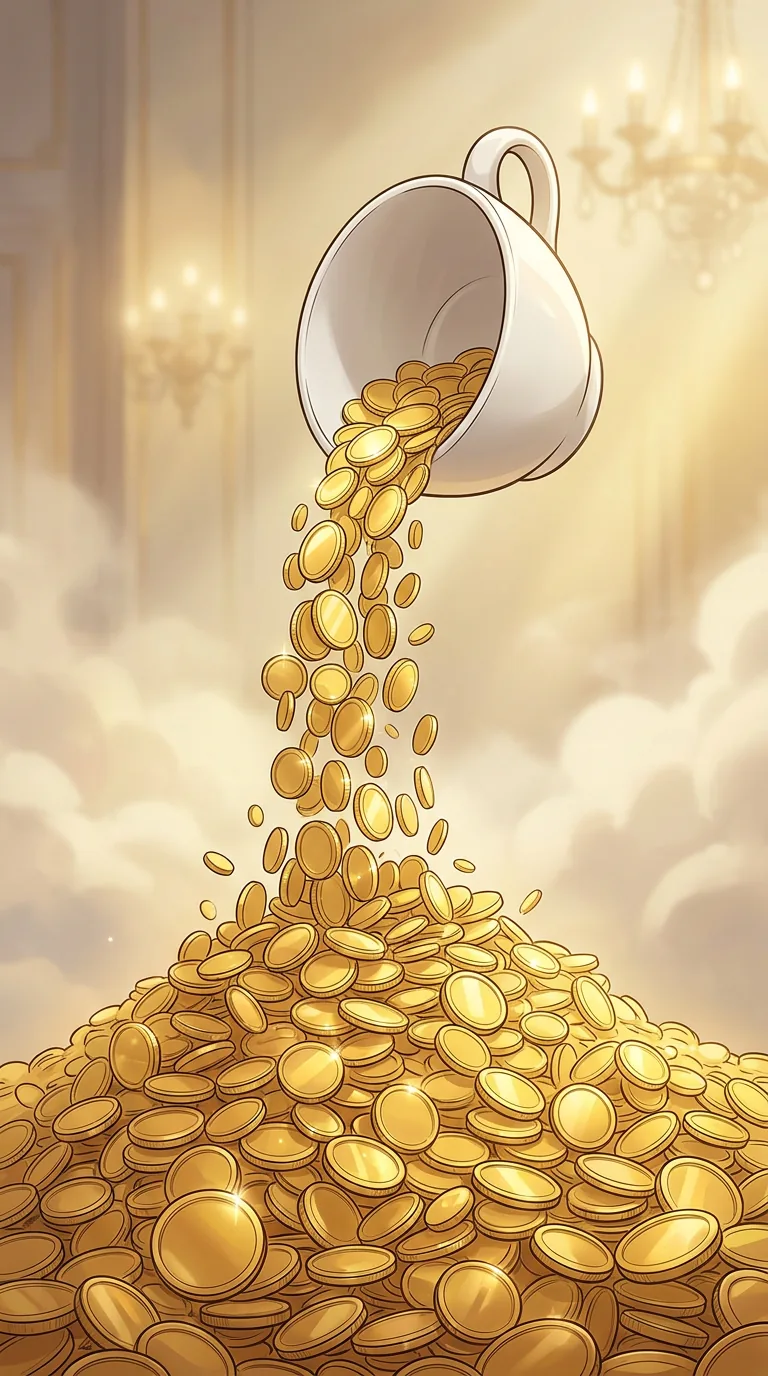
That's $1,825 per year. If invested instead at 7% market returns, the same money compounds to nearly $200K by retirement.
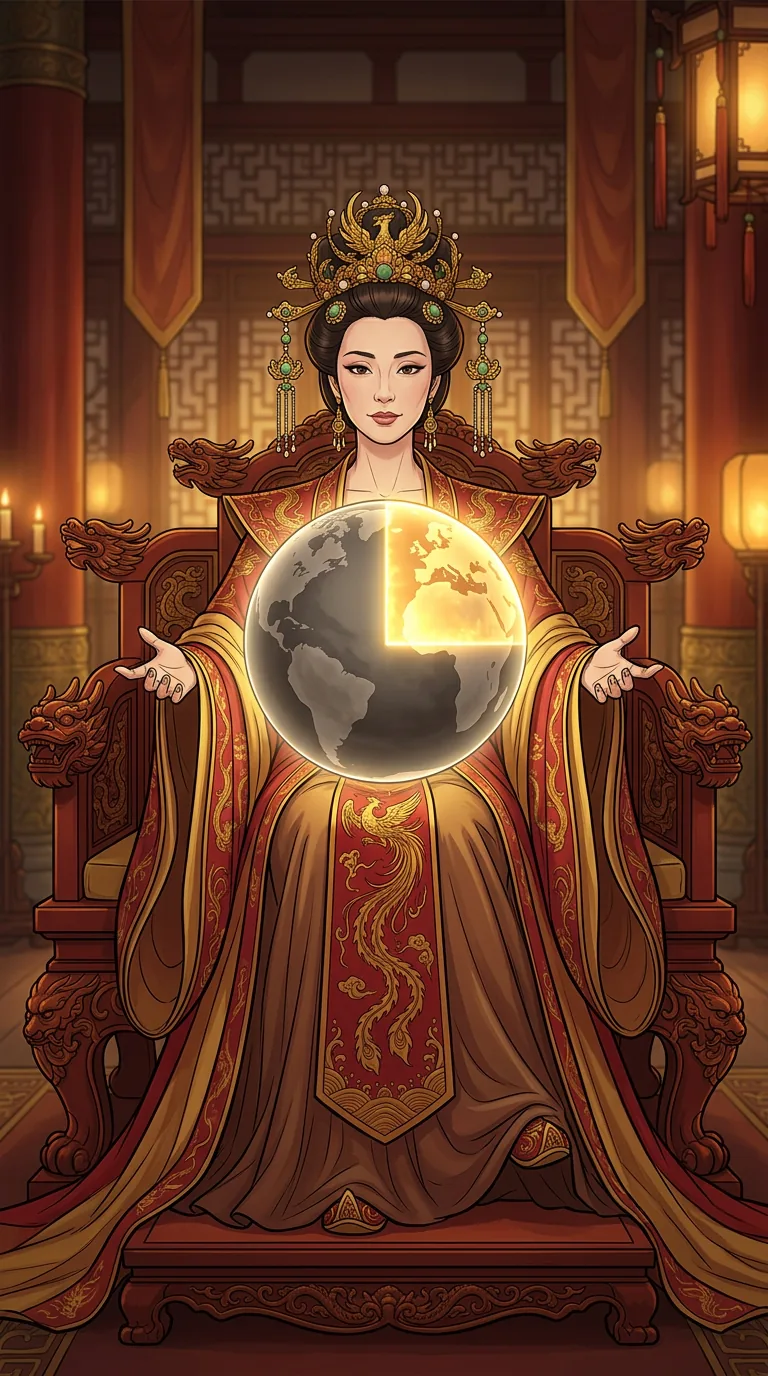
Wu Zetian, the only female emperor of China, controlled an empire that produced roughly a quarter of world GDP in the 7th century.
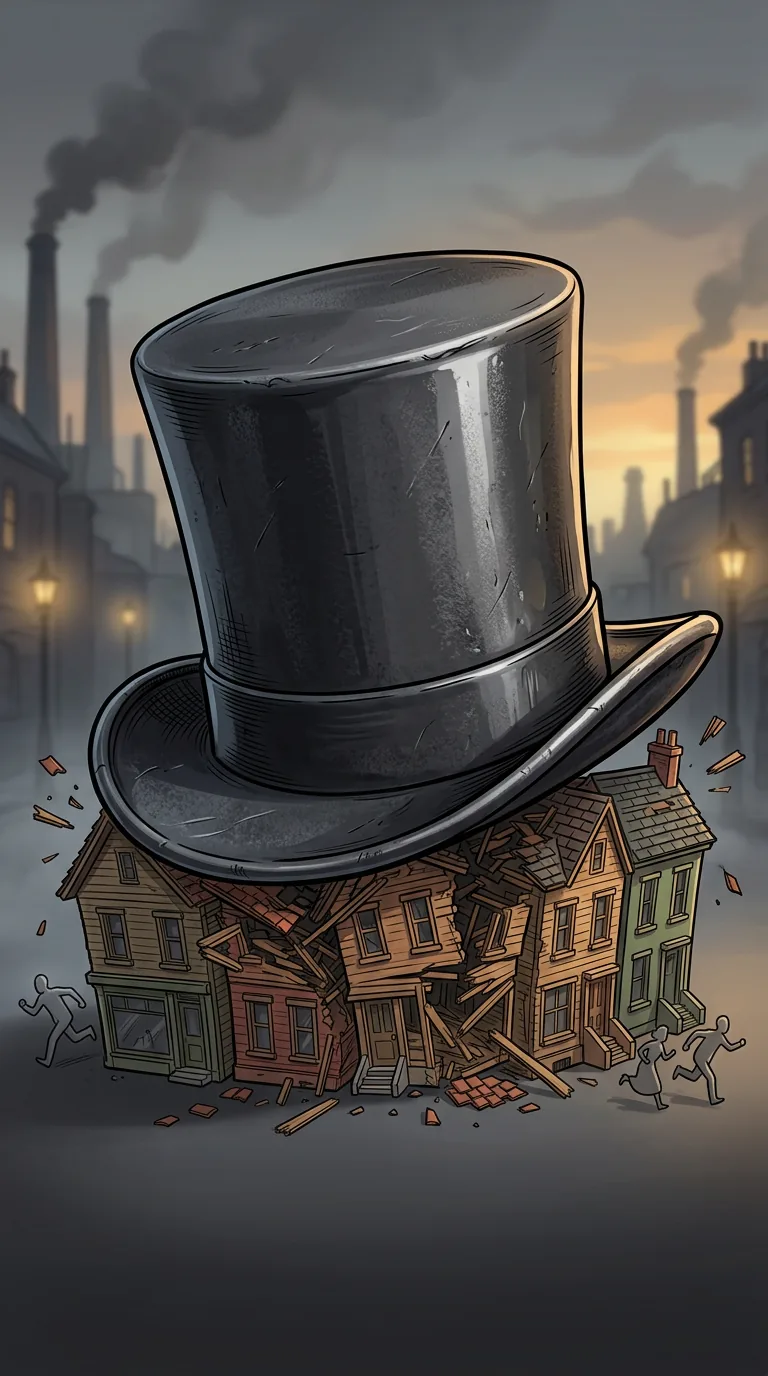
Elizabeth Magie created "The Landlord's Game" in 1903 to expose how landlords drained tenants. Parker Brothers later stripped out the anti-monopoly messaging.

It went for about 400 francs. Today his works sell for $80-250 million each. He died bankrupt and unknown.

The company cornered global supply in 1888 and engineered the "diamond engagement ring" tradition in 1947 to create artificial demand.

David Li's Gaussian copula let banks bundle and price risky mortgages as safe. When housing fell, the model — and the global economy — broke.

The rest are database entries at banks. Most of the "money" in the world has never been printed and never will be.

Aleksandr Menshikov accumulated ~$70 billion (today's value) under Peter the Great through forced labor and serf taxation. Stripped of titles and banished, he died in Siberia.
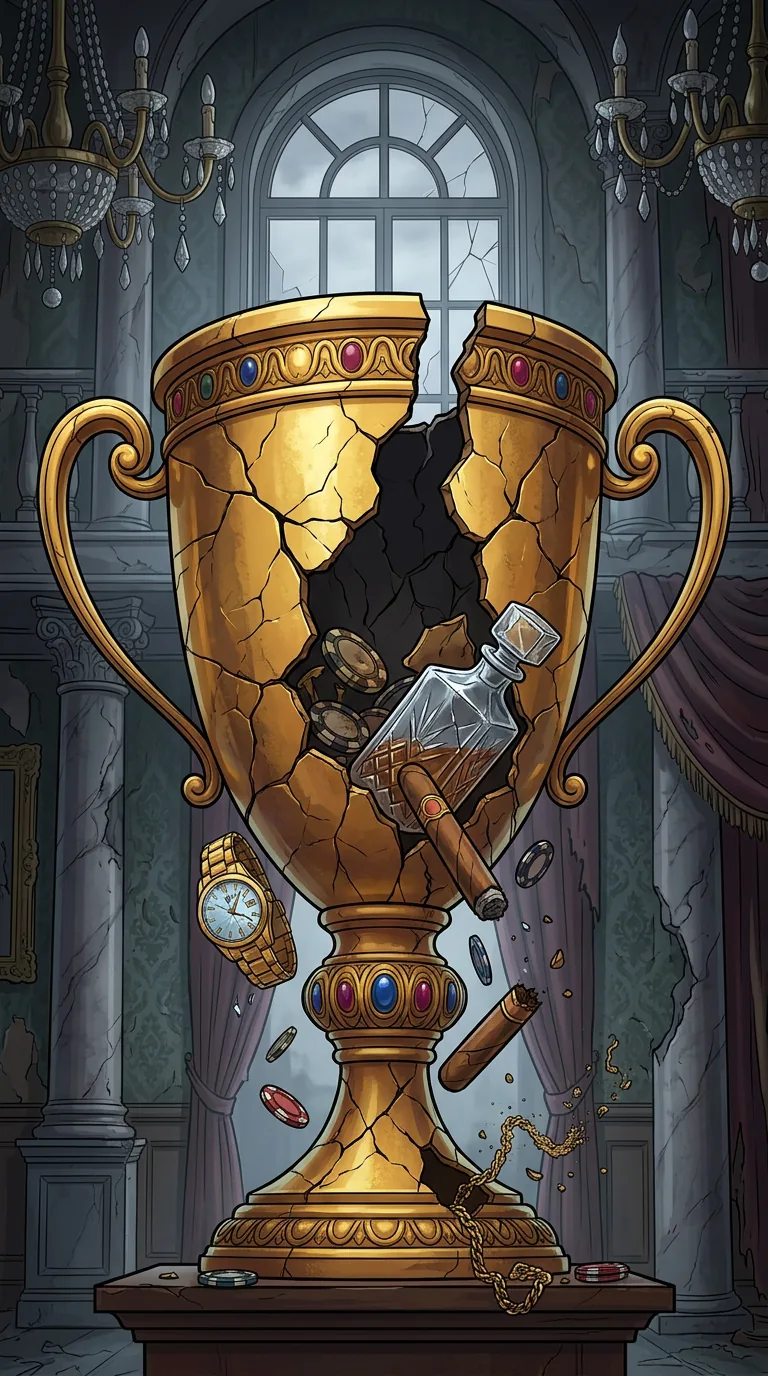
Studies of major winners show most blow through their winnings — sometimes ending poorer than before. Lifestyle inflation outruns the prize.

Japan's GDP that year was $5.5 trillion. Today it's the world's 4th biggest economy and produces less than China alone.