
2.4kShare
Finance
Starting to invest at 25 instead of 35 can leave you twice as rich at retirement — even if you save less.
Compound interest rewards time more than amount. A decade of early contributions usually beats decades of larger late ones.

NOW WATCHING
Finance · Facts
Compound interest rewards time more than amount. A decade of early contributions usually beats decades of larger late ones.
 Swipe up or down to explore more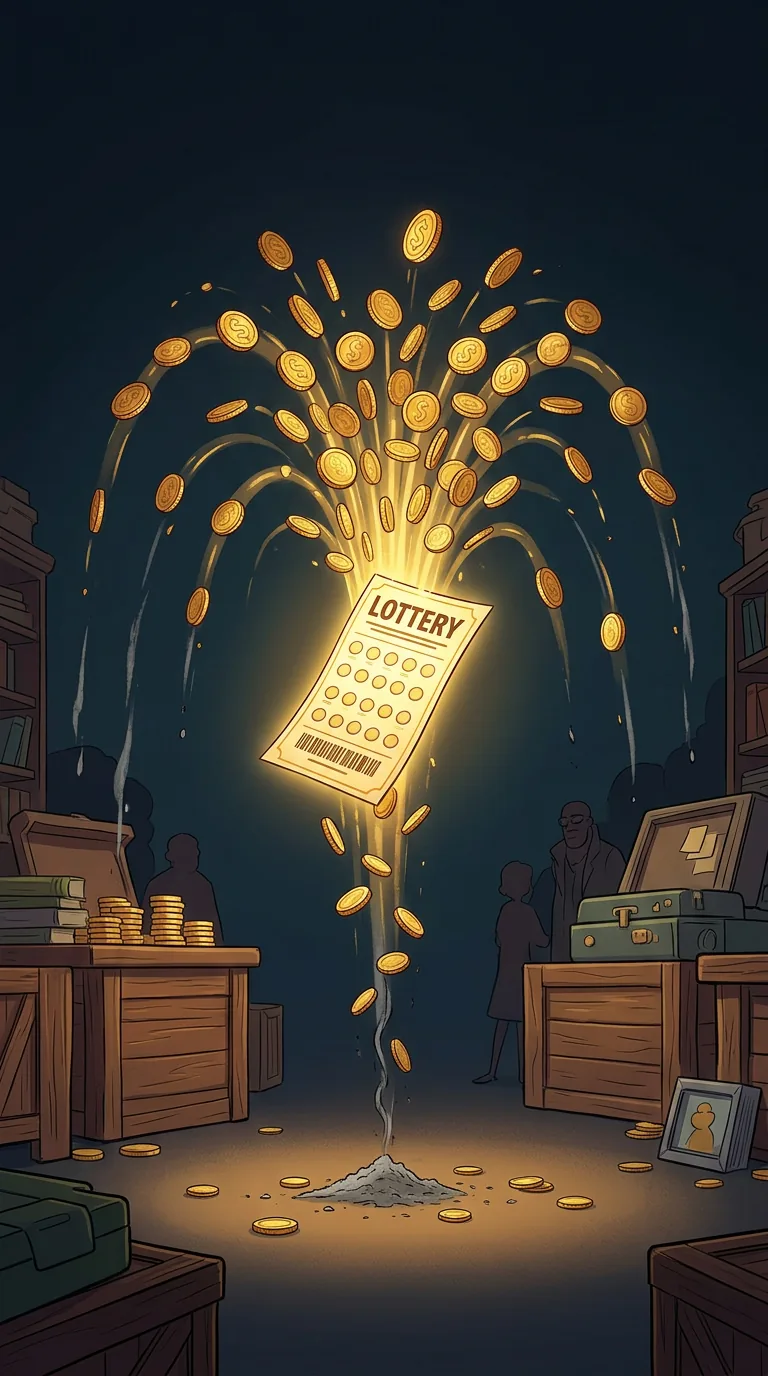
Studies of jackpot winners find about 70% lose everything. Without the slow learning curve of building wealth, sudden money mostly evaporates through bad decisions and predatory relatives.

Survey data from 'The Millionaire Next Door' shows the median millionaire drives a used Toyota or Honda. Visible luxury and real wealth rarely overlap.

At 3% annual inflation, $100 in cash becomes worth roughly $74 in ten years. Money sitting in a regular savings account is slowly evaporating.

Personal-finance math shows housing, car and mortgage choices outweigh small daily ones. Most people obsess over lattes and ignore the lever that matters.

Every rolling 20-year window — including ones holding the 1929 crash and 2008 — ended positive. Over 20+ years, staying invested has beaten timing the market.

On a $400,000 30-year mortgage, a 620 score versus 760+ can mean ~1.5% more interest — north of $100,000 extra across the loan, for the identical home.

Issuers pay points and cashback out of the 20%+ interest charged to revolvers plus swipe fees. Pay in full monthly and you're subsidized by those who don't.

As pay rises, spending quietly rises to match. Surveys find about a third of households earning over $250k a year still report living paycheck to paycheck.

A single bill reported 30+ days past due can drop a strong FICO score by 80–110 points and lingers for seven years — even after you've fully repaid it.

After property tax, upkeep (~1% of value a year), insurance and mortgage interest, buying usually only wins financially once you stay past roughly 5–7 years.

An internal Fidelity review reportedly found top returns came from dormant accounts. Frequent trading and reacting to headlines usually drag returns down.

The Federal Reserve's annual survey finds ~37% would need to borrow or sell something to handle a $400 emergency — turning one bad month into lasting debt.

Warehouse-club research shows oversized packs increase use and waste — households toss a notably larger share of bulk perishables, even as per-unit price drops.

New cars shed about a fifth of their value in the first year and over 60% within five. Buying a 2–3-year-old car lets the first owner eat the steepest drop.

The U.S. Mint spends roughly 3 cents to make and distribute each one-cent coin, losing tens of millions of dollars a year producing money worth less than its metal.
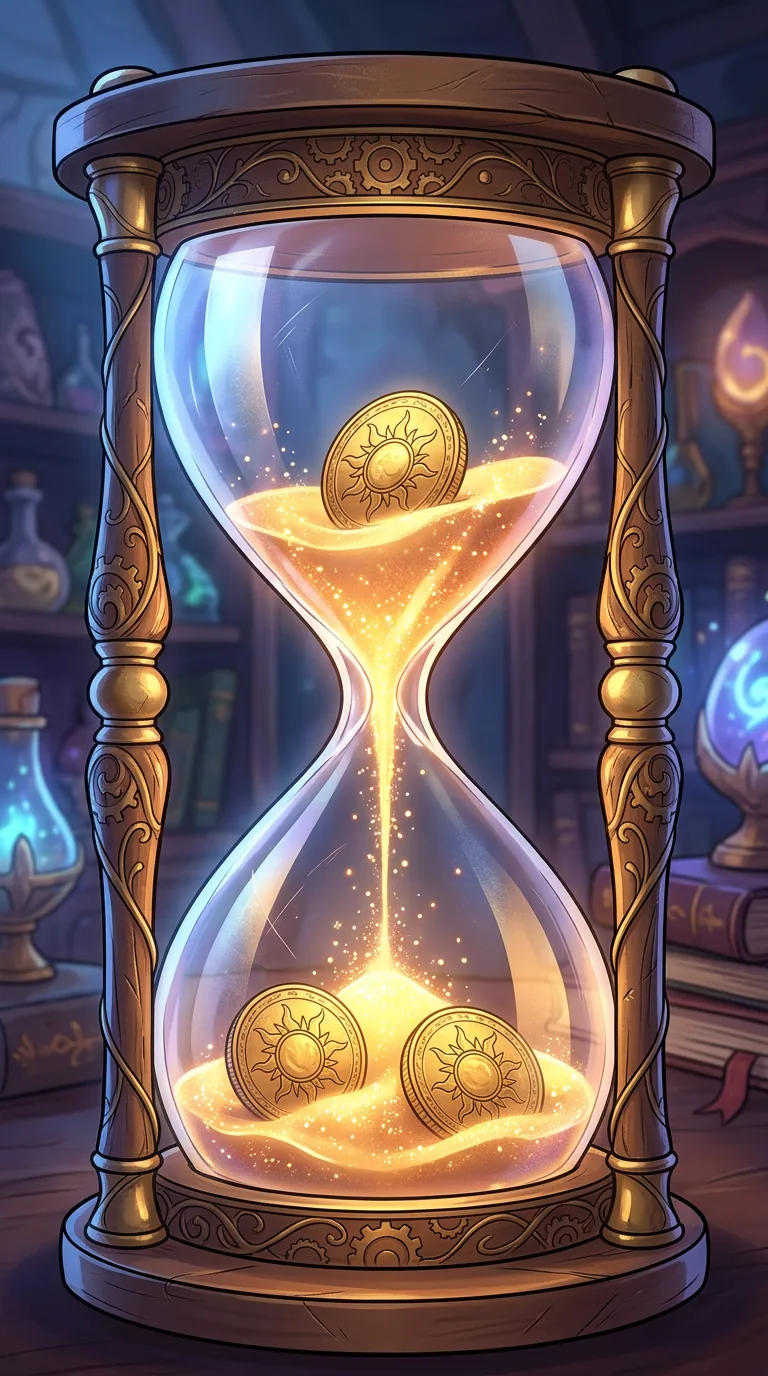
Divide 72 by your annual return to estimate doubling time: at 8% a year, money doubles roughly every 9 years — no calculator or spreadsheet needed.

S&P's SPIVA studies show the vast majority of active U.S. stock funds underperform their benchmark over 15 years — while charging far higher fees.
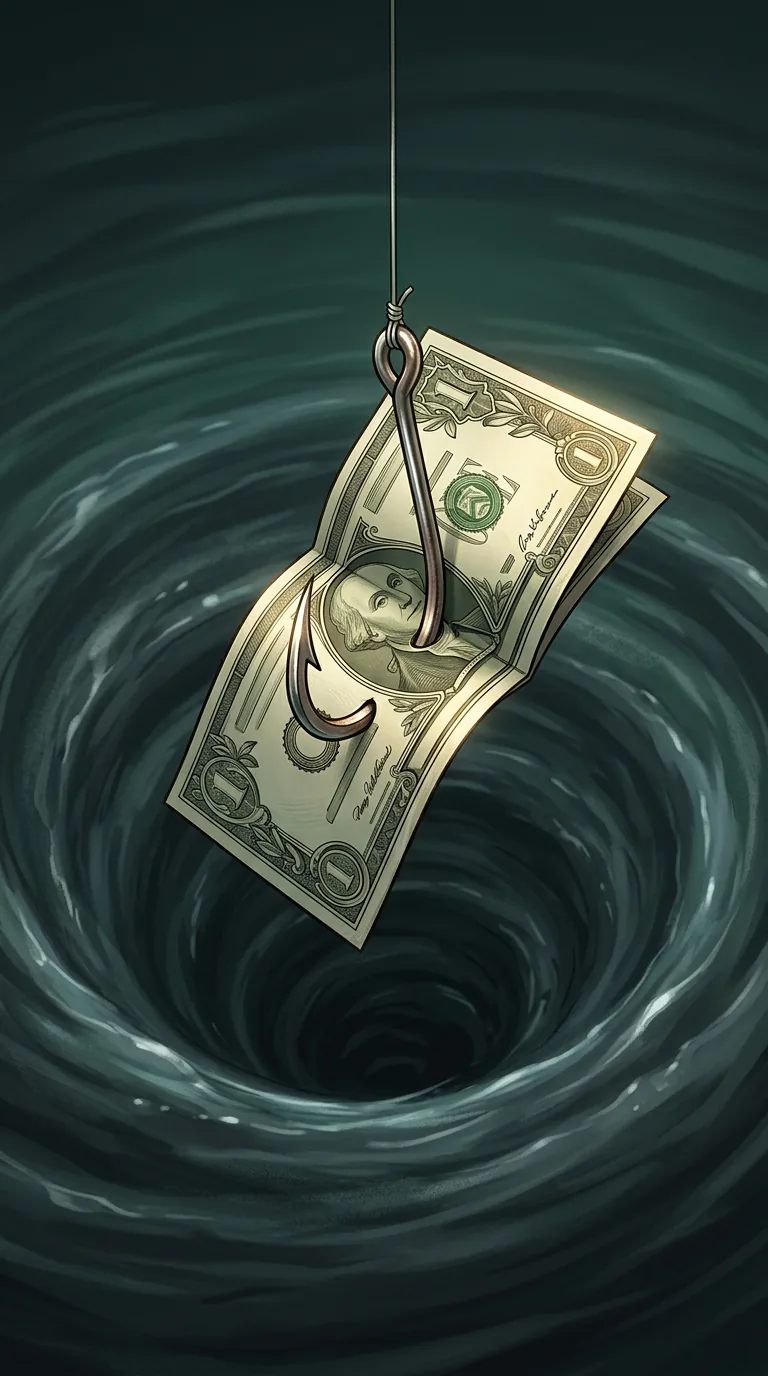
Charging ~$15 per $100 for two weeks sounds small, but annualized it's about 400% APR — which is how short loans trap borrowers in repeat cycles.

Research on safe withdrawal rates suggests drawing ~4% a year rarely runs dry over 30 years — so $40k/year of spending needs roughly $1M invested.

Many don't contribute enough to capture the full company match — effectively declining free money estimated in the billions of dollars annually.

MIT researchers found people will bid up to twice as much when paying by card. The missing physical handover dulls the 'pain of paying,' nudging you to spend more.
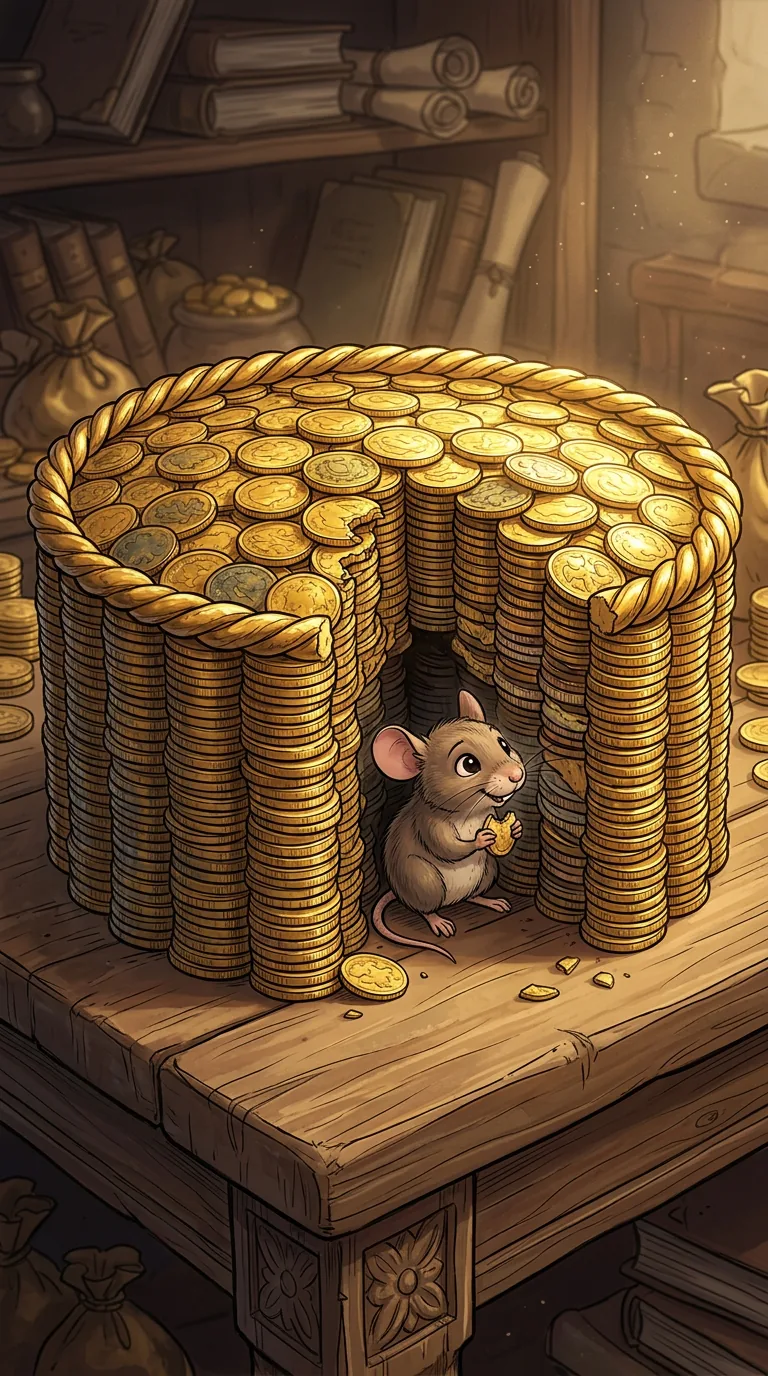
Over a 40-year horizon a seemingly tiny 1% management fee compounds — the SEC notes it can shrink a final balance by roughly 25–30%.

This 'breakage' — money loaded onto cards and forgotten — adds up to several billion dollars a year that customers simply hand companies for free.

The vast majority of Buffett's fortune came after age 50, and most after 65 — a vivid reminder that compounding rewards longevity more than early genius.