1.4kShare
Geography
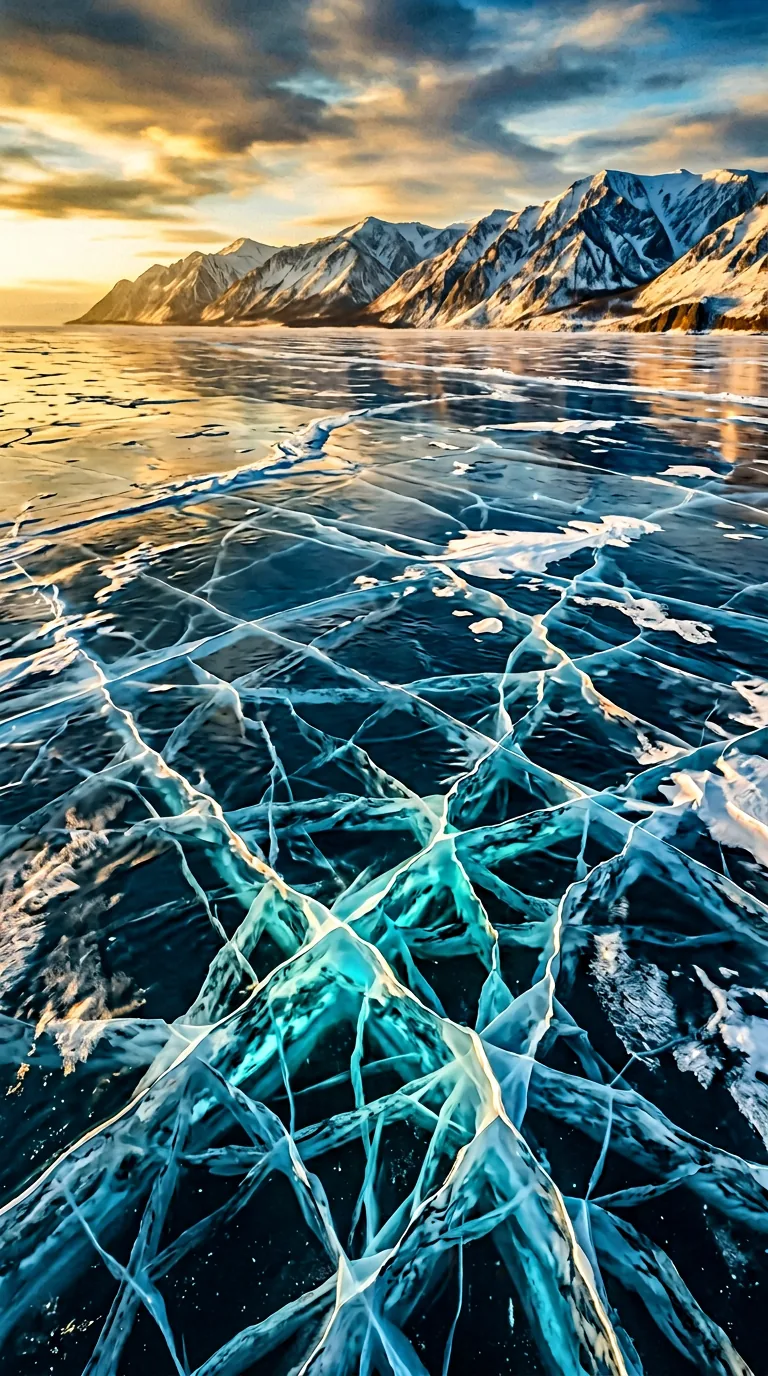
One Russian lake holds about a fifth of all freshwater on Earth.
Lake Baikal is over 1.6 km deep — deep enough to swallow the entire Burj Khalifa with hundreds of meters to spare.

NOW WATCHING
Geography · Facts
Lake Baikal is over 1.6 km deep — deep enough to swallow the entire Burj Khalifa with hundreds of meters to spare.
 Swipe up or down to explore more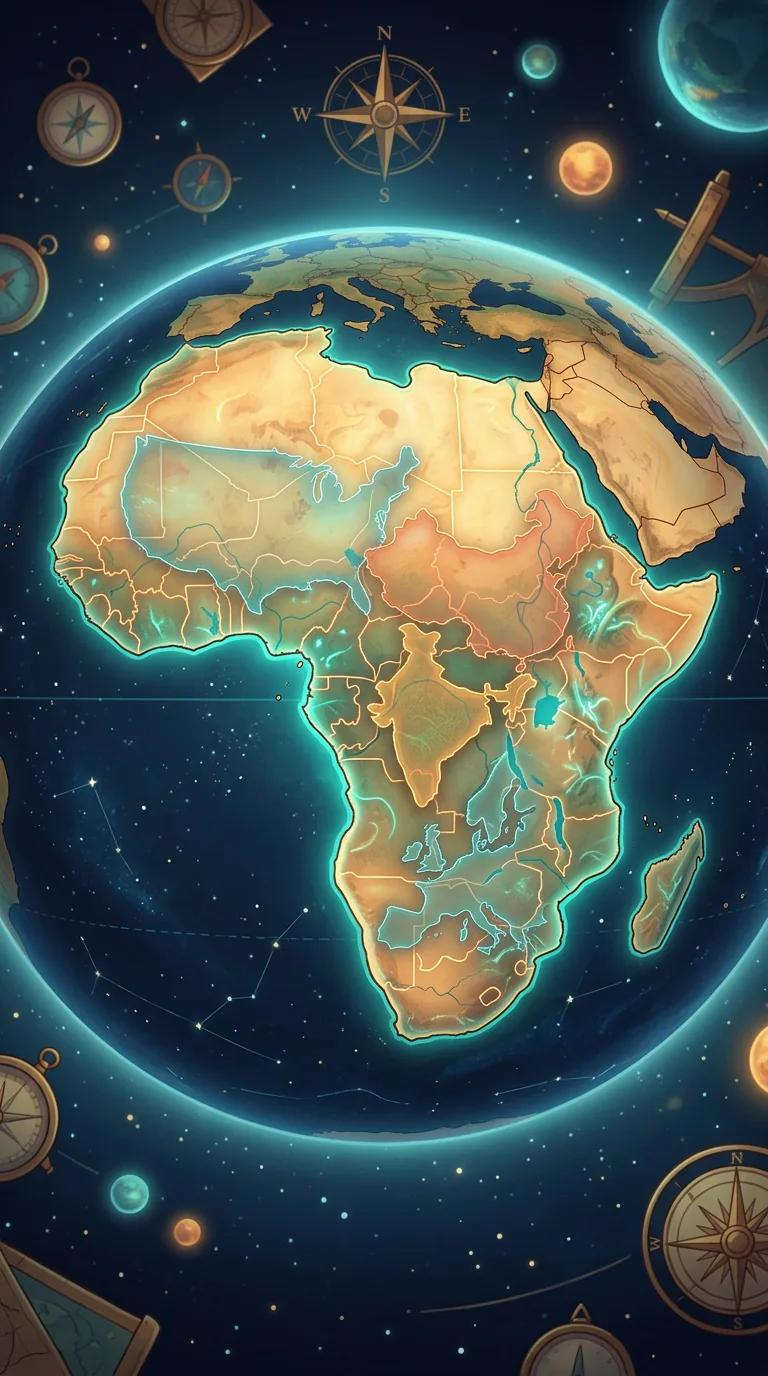
Mercator maps shrink it. Africa is 30 million km² — bigger than the contiguous US, China, India, Mexico, Japan and most of Western Europe combined.
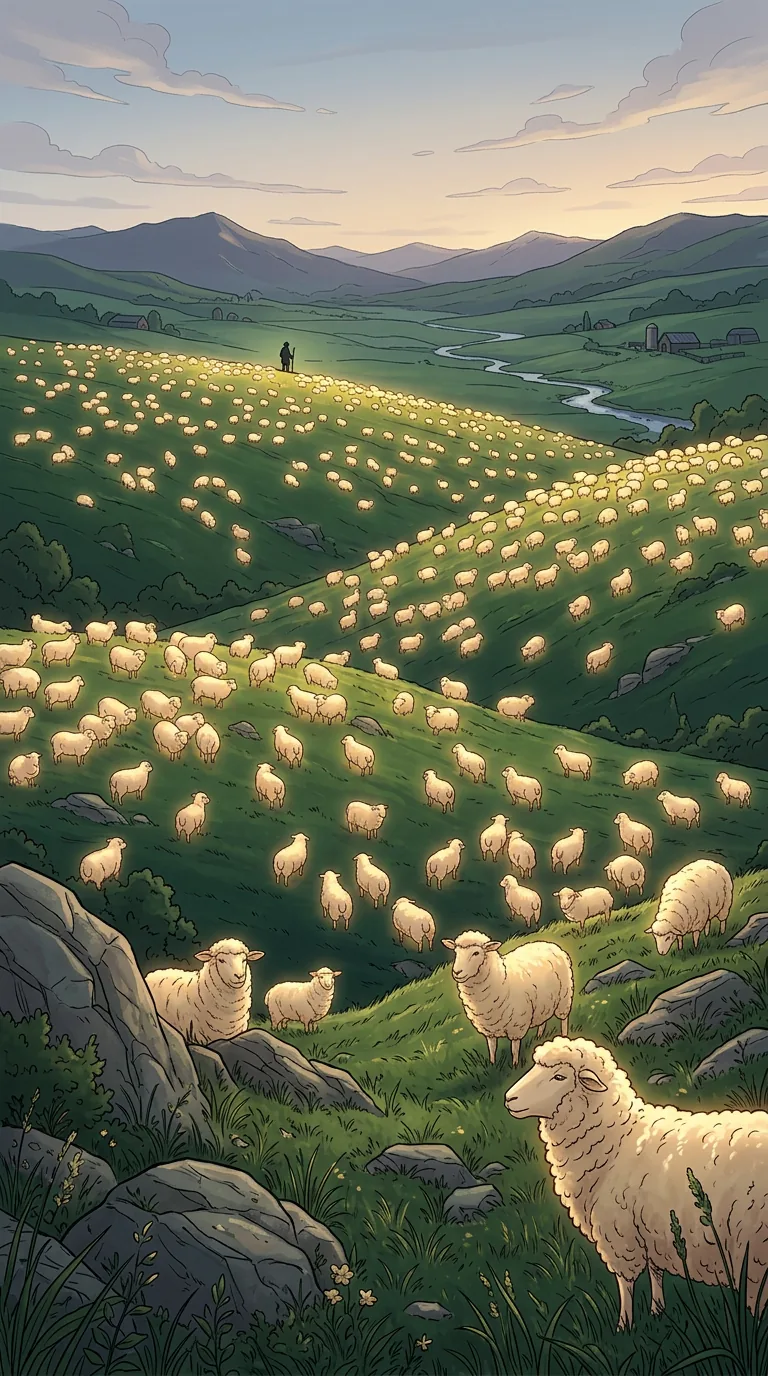
New Zealand has about 5 million people and roughly 25 million sheep. At its peak in 1982 the ratio was 22 sheep per person.
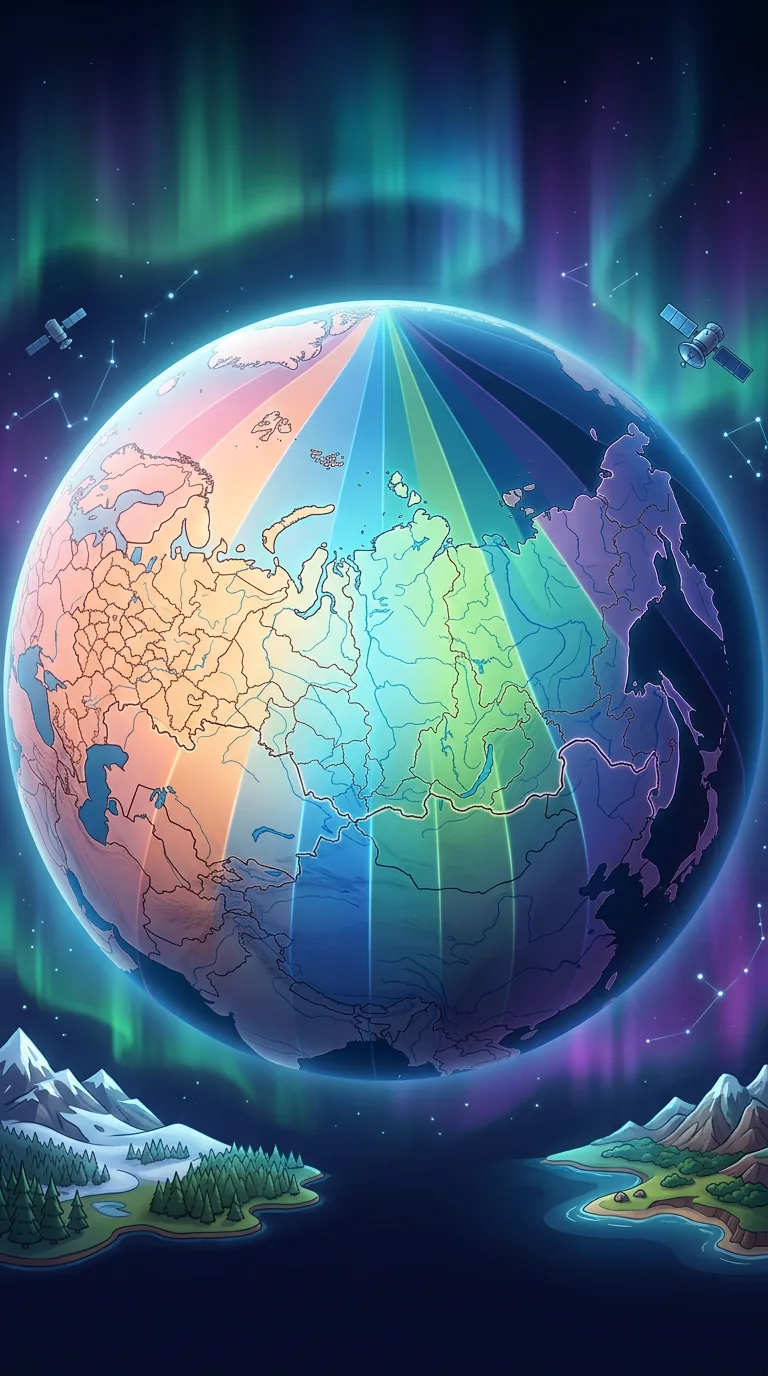
Moscow to Vladivostok is over 9,000 km and 7 hours by air. The country alone is wider than the visible face of the Moon.
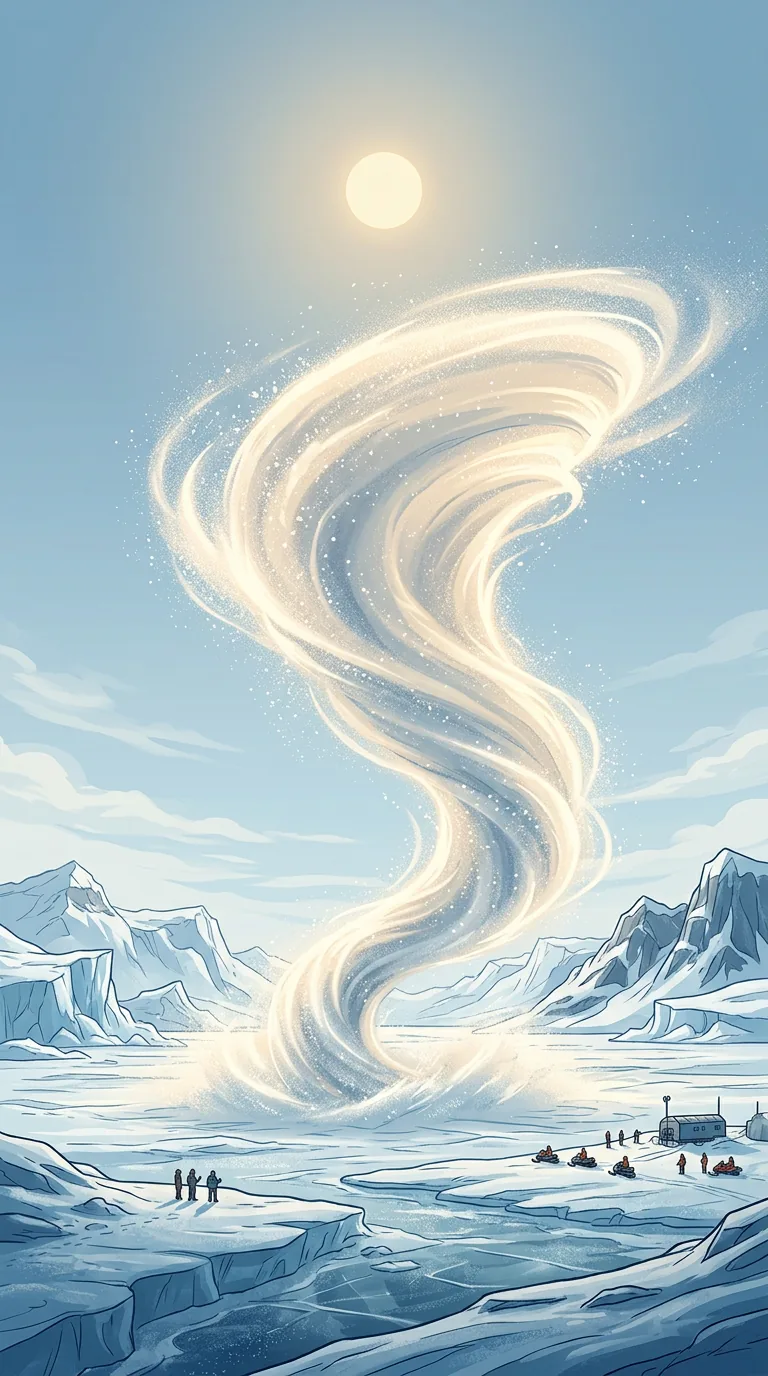
A desert is defined by rainfall, not temperature. Parts of Antarctica haven't seen rain in 2 million years. It outranks the Sahara in dryness.
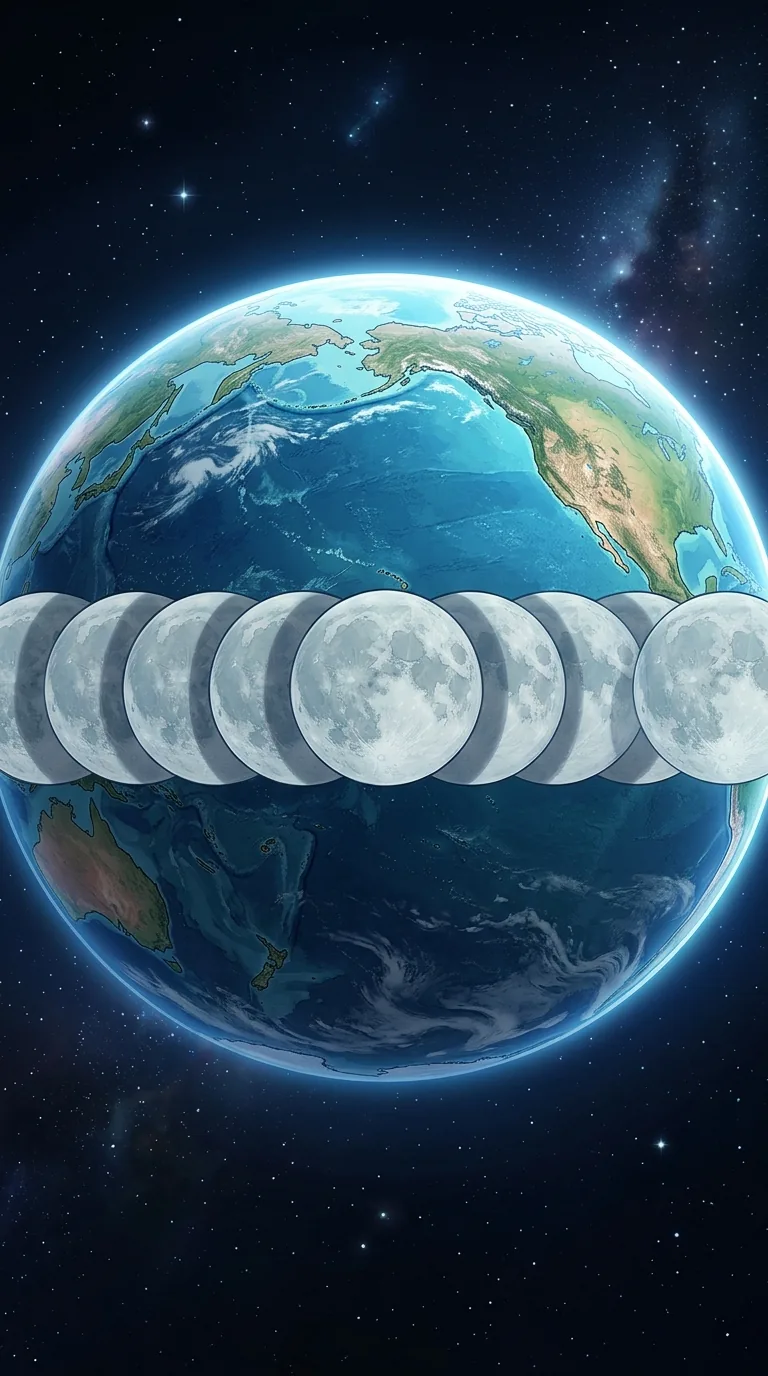
The Moon is 3,475 km across. The Pacific spans roughly 19,800 km at its widest. Two full Earths could line up across it.
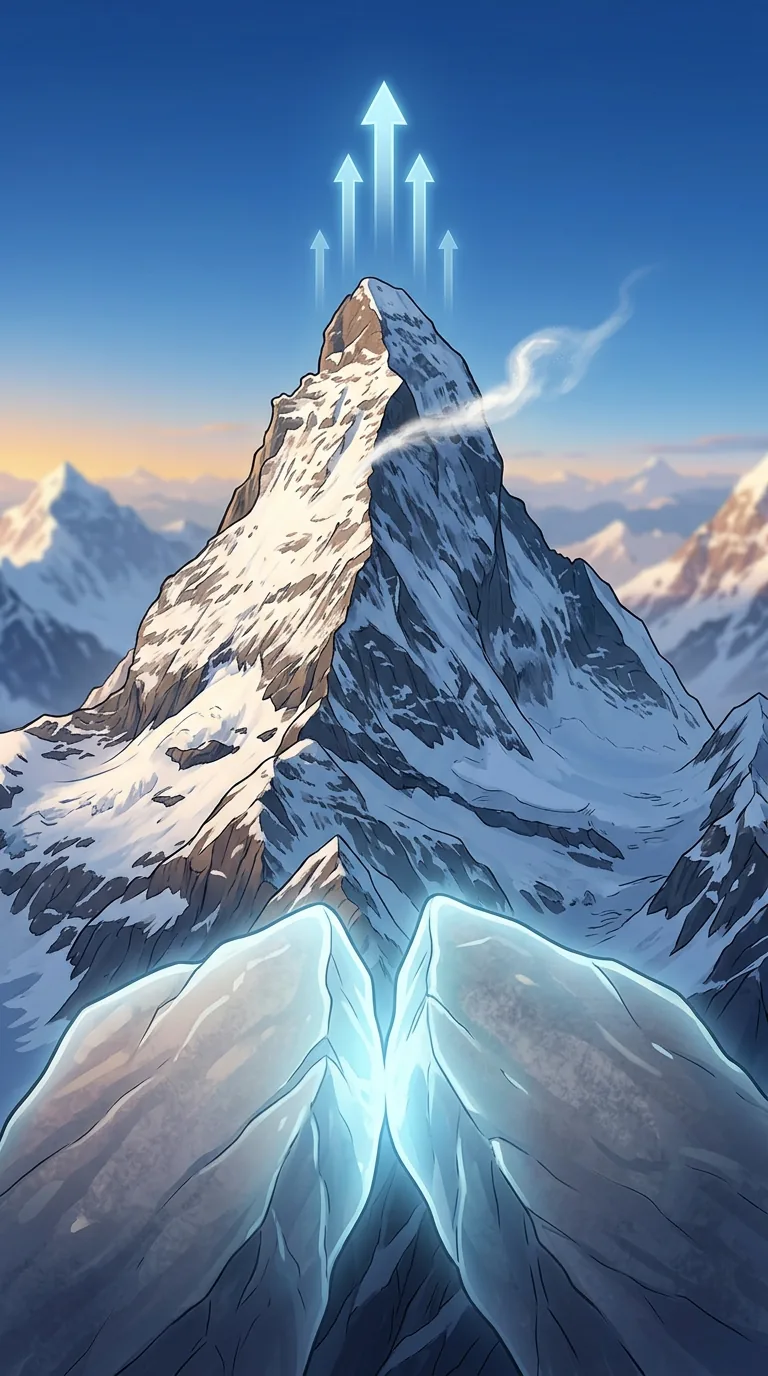
The Indian plate keeps shoving north into Eurasia at 5 cm a year, lifting the entire Himalayan range upward.
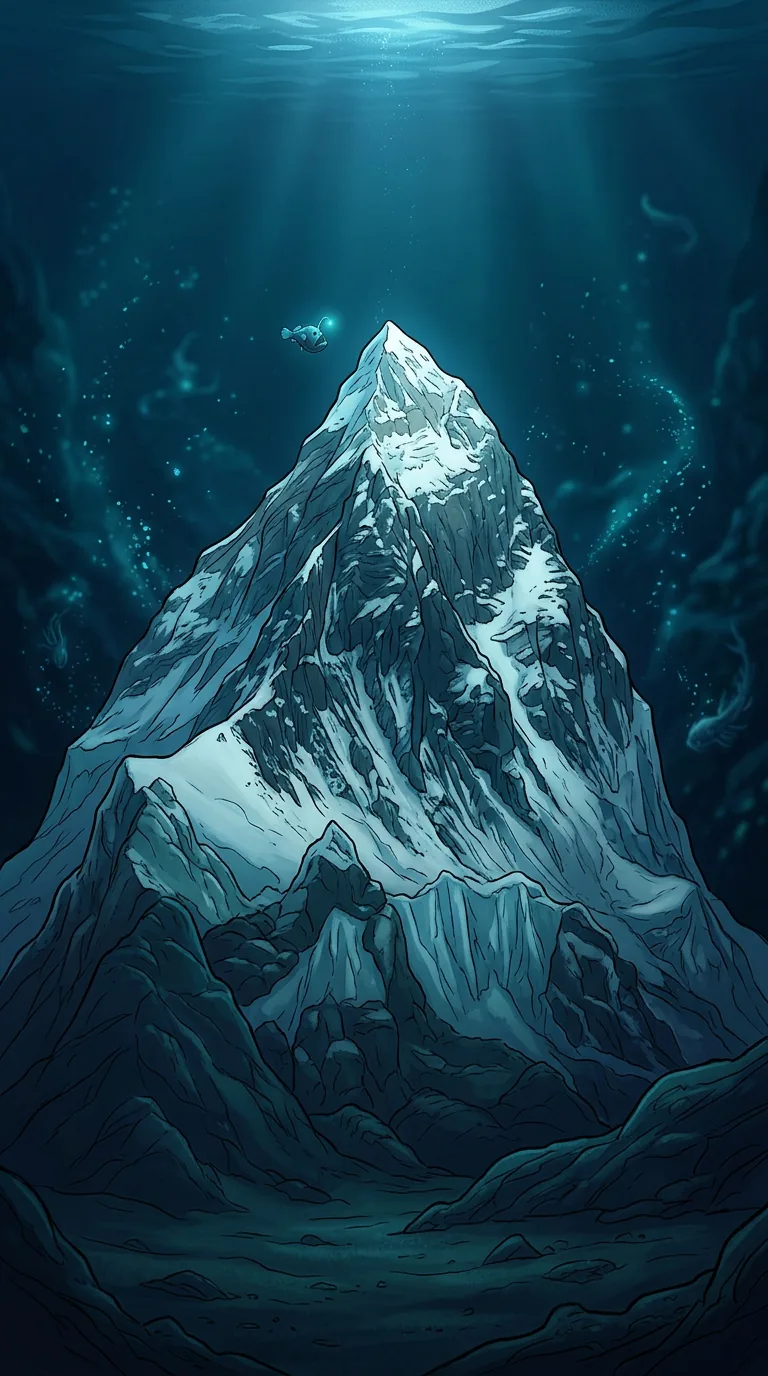
The trench reaches 11 km down — deeper than the world tallest mountain stands above sea level.
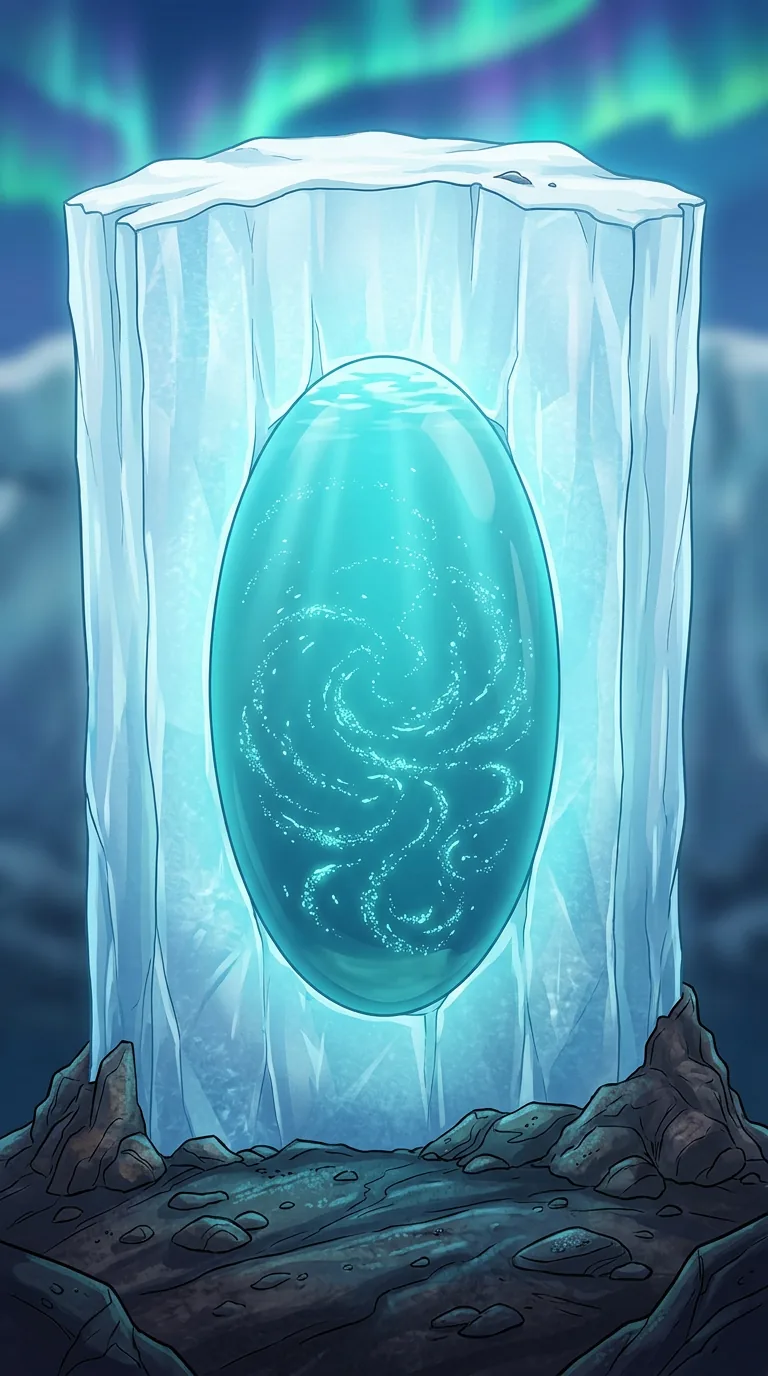
Russian scientists drilled into it in 2012 and may have found bacteria that evolved in total isolation.
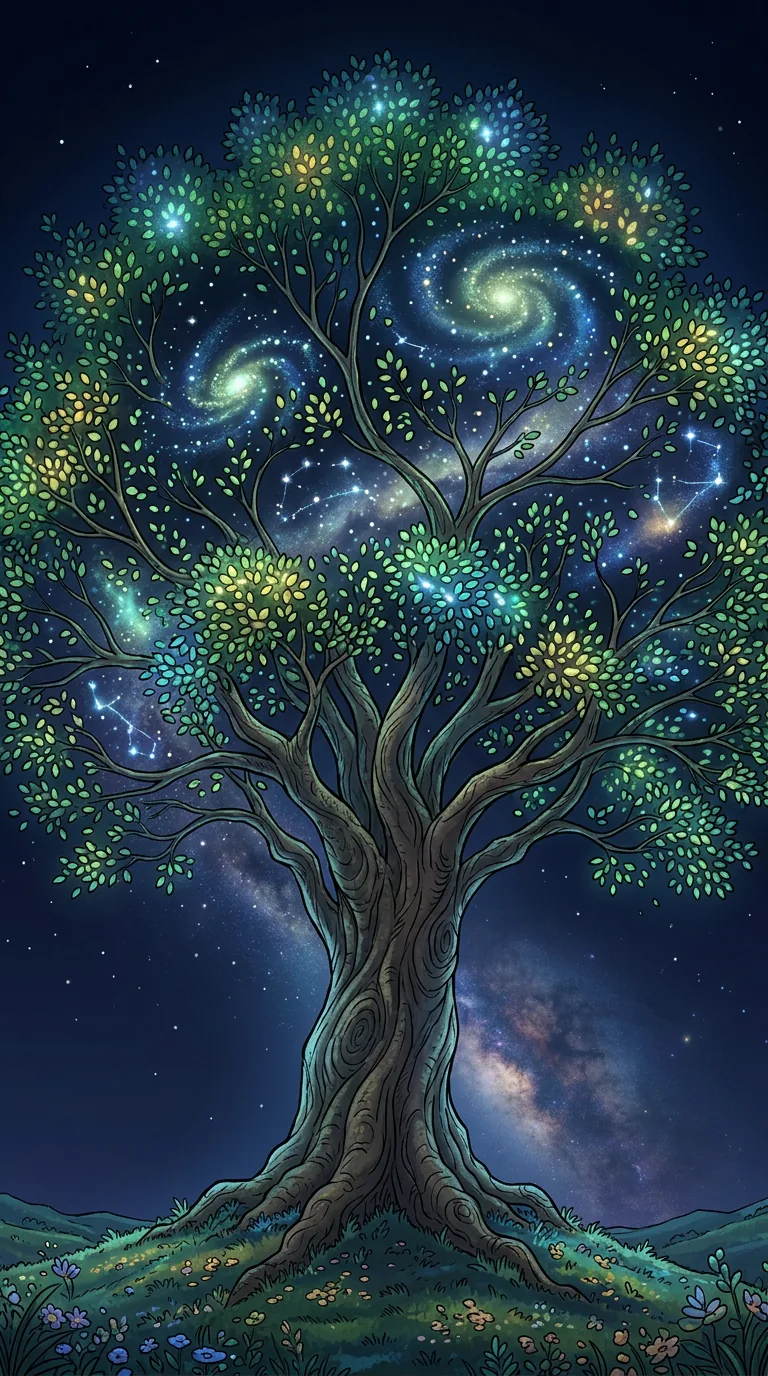
Roughly 3 trillion trees on our planet versus 400 billion stars in the galaxy we live inside.
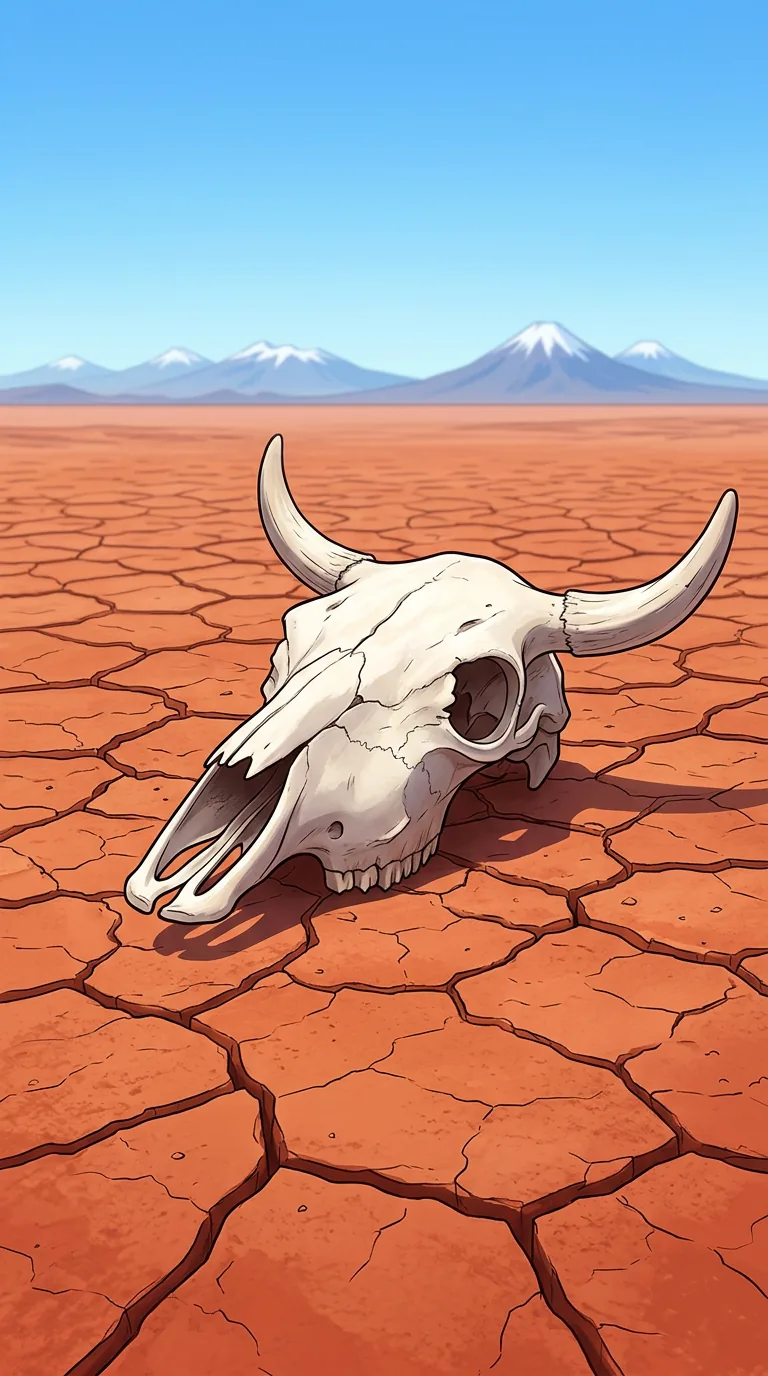
NASA tests Mars rovers there because its bone-dry conditions are the closest analog on Earth to Mars.
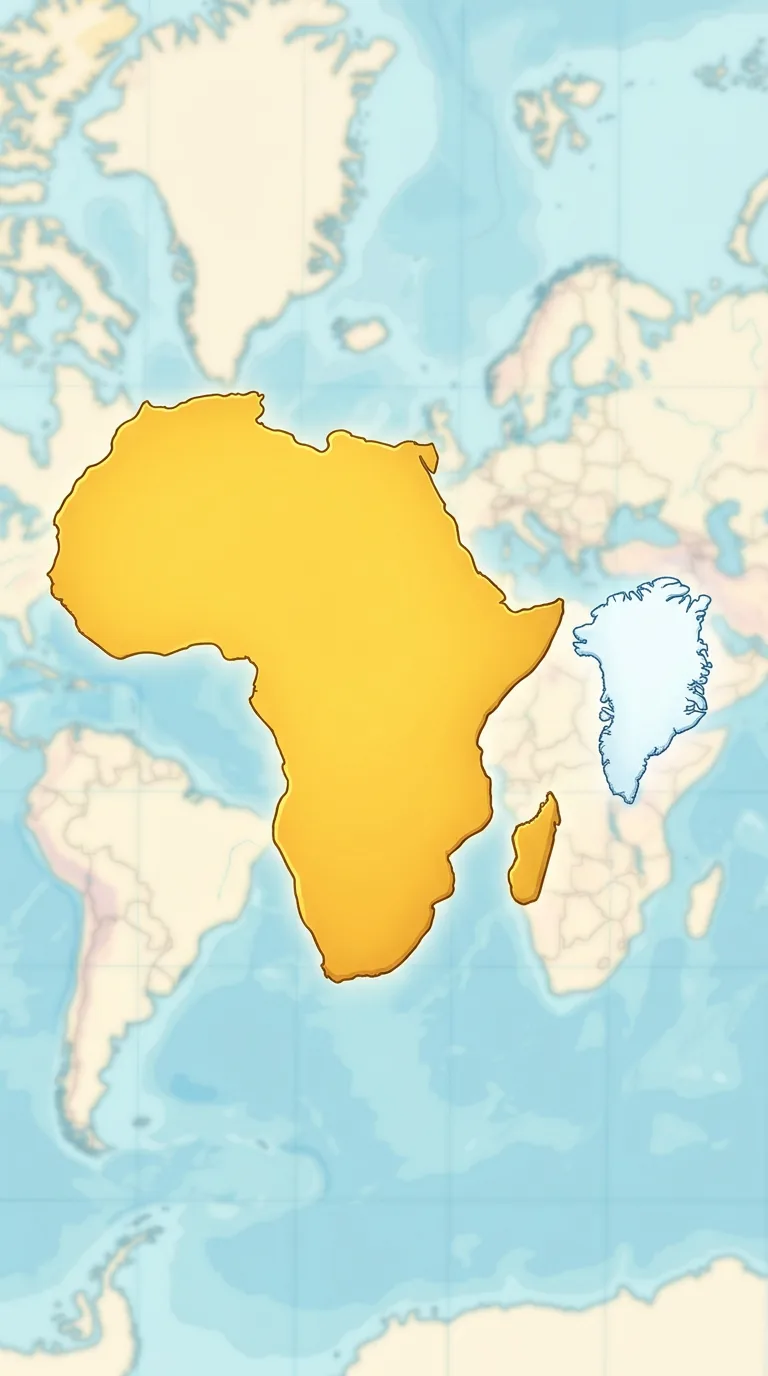
The Mercator projection wildly inflates land near the poles — Africa fits 14 Greenlands inside it easily.
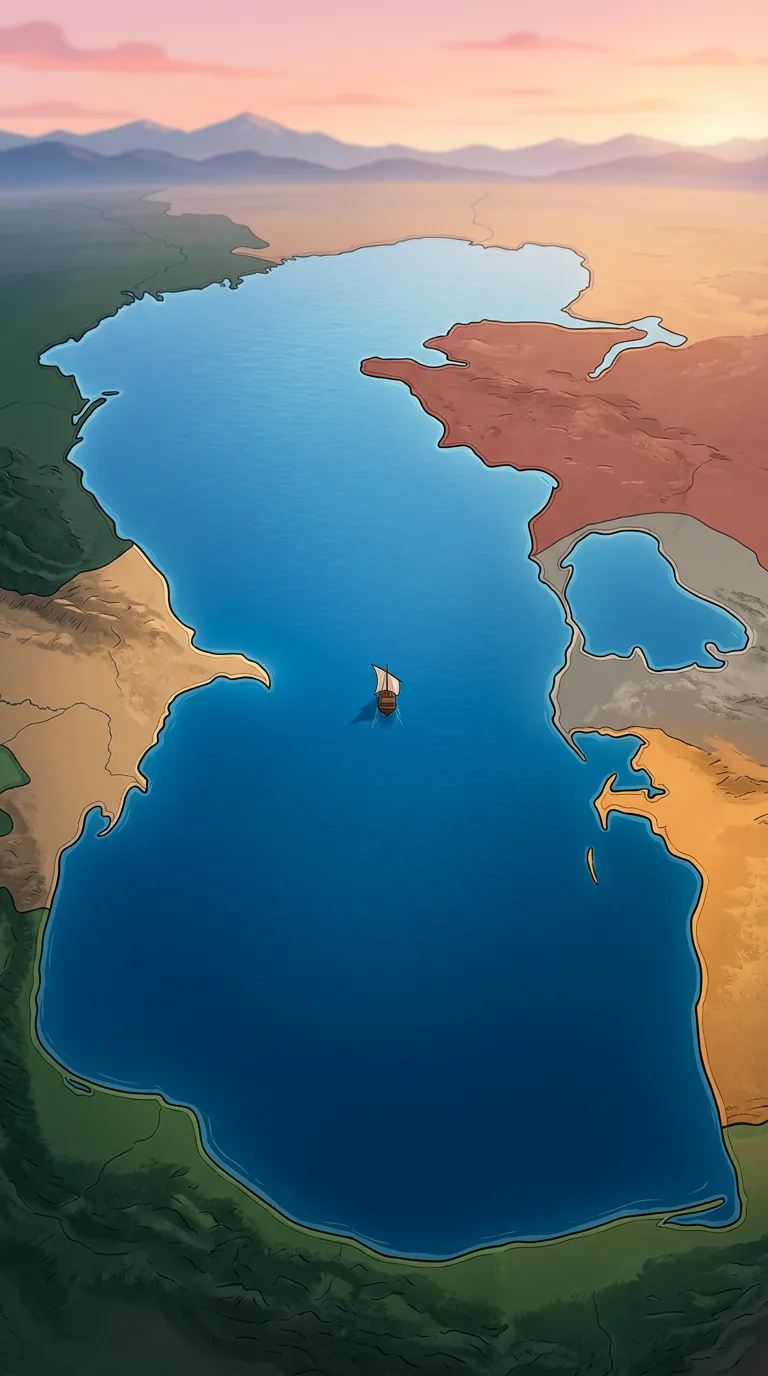
It is so massive that ancient geographers thought it was an ocean — surrounded by five different countries.
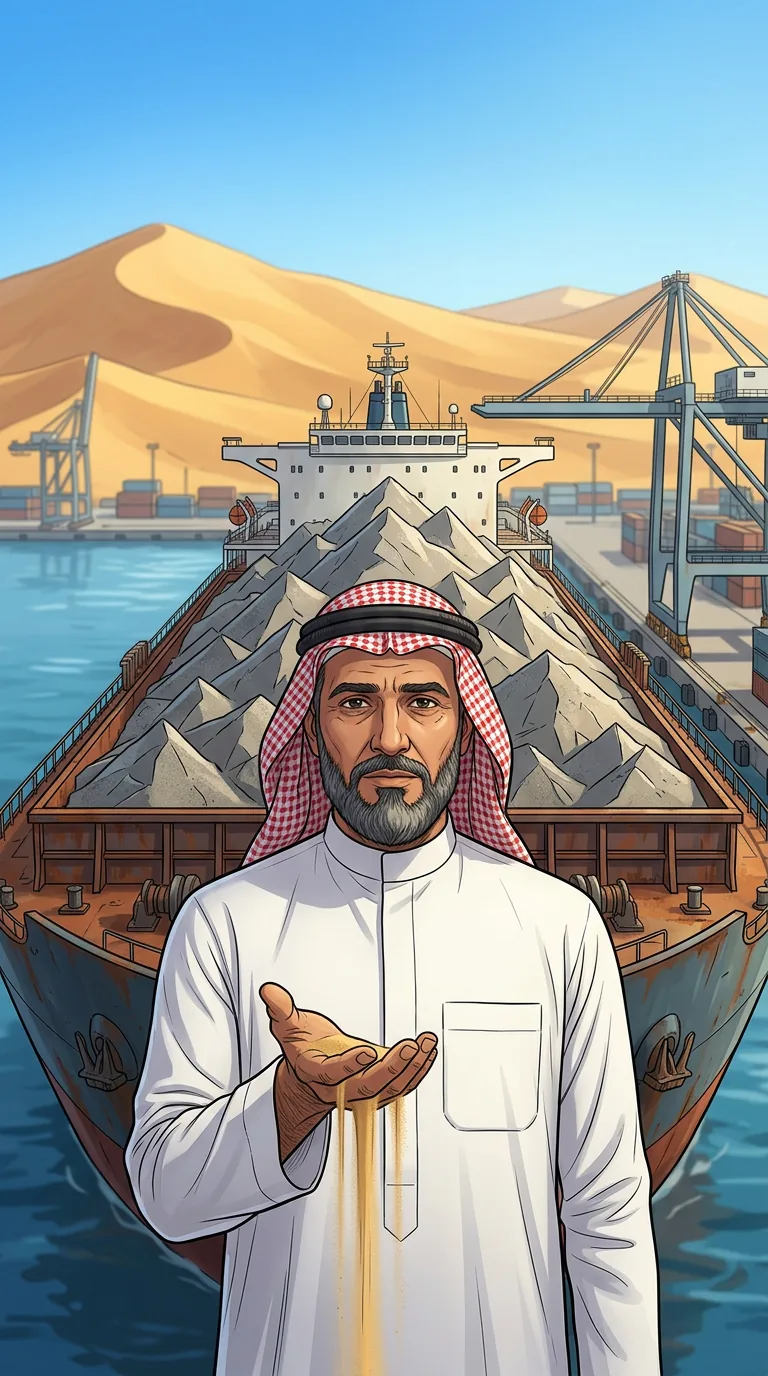
Desert sand is too round and polished by wind — construction needs sharp, angular sand from rivers or beaches.
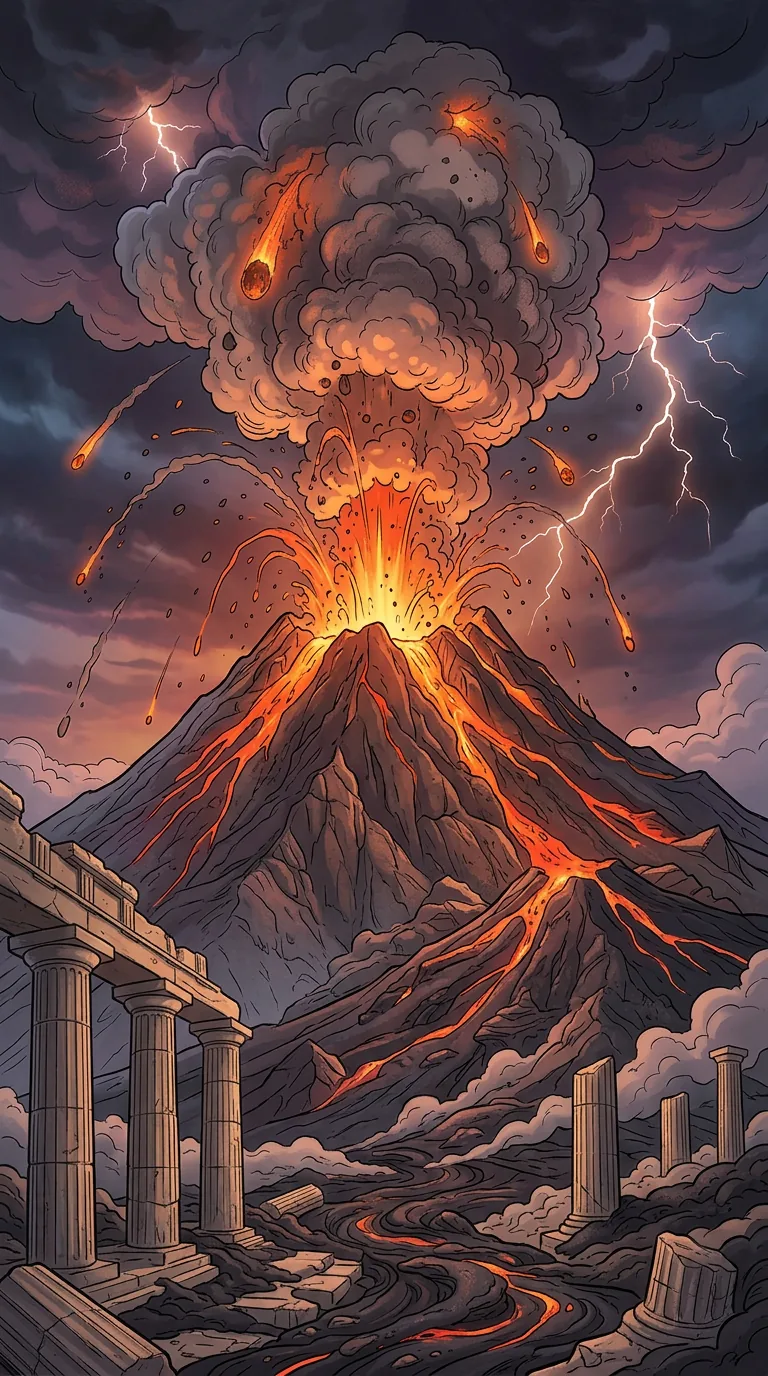
Greek myths describe its blasts — making it the most active volcano in Europe and one of the oldest documented.
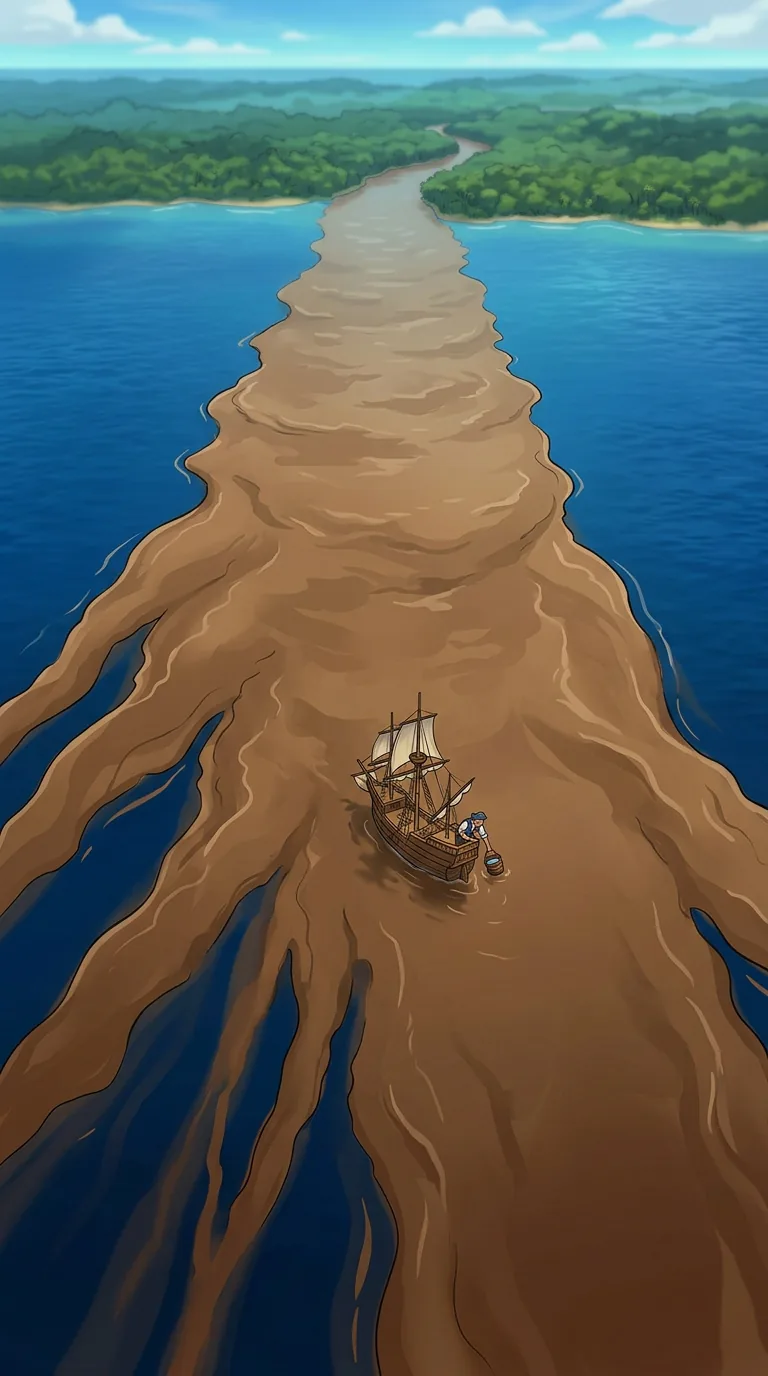
The discharge is so massive that sailors centuries ago could fill drinking barrels far from any visible coastline.
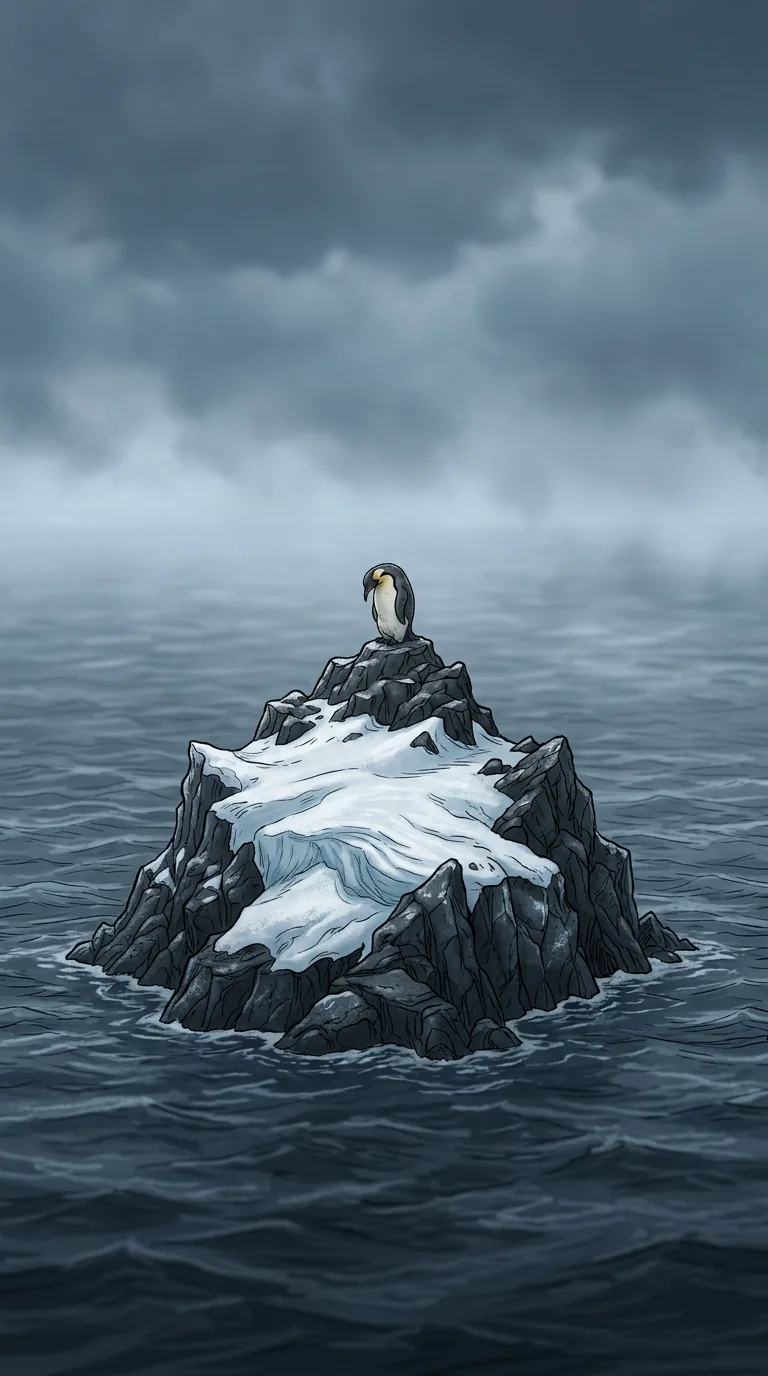
A frozen rock in the South Atlantic owned by Norway, with no permanent residents and barely any visitors.
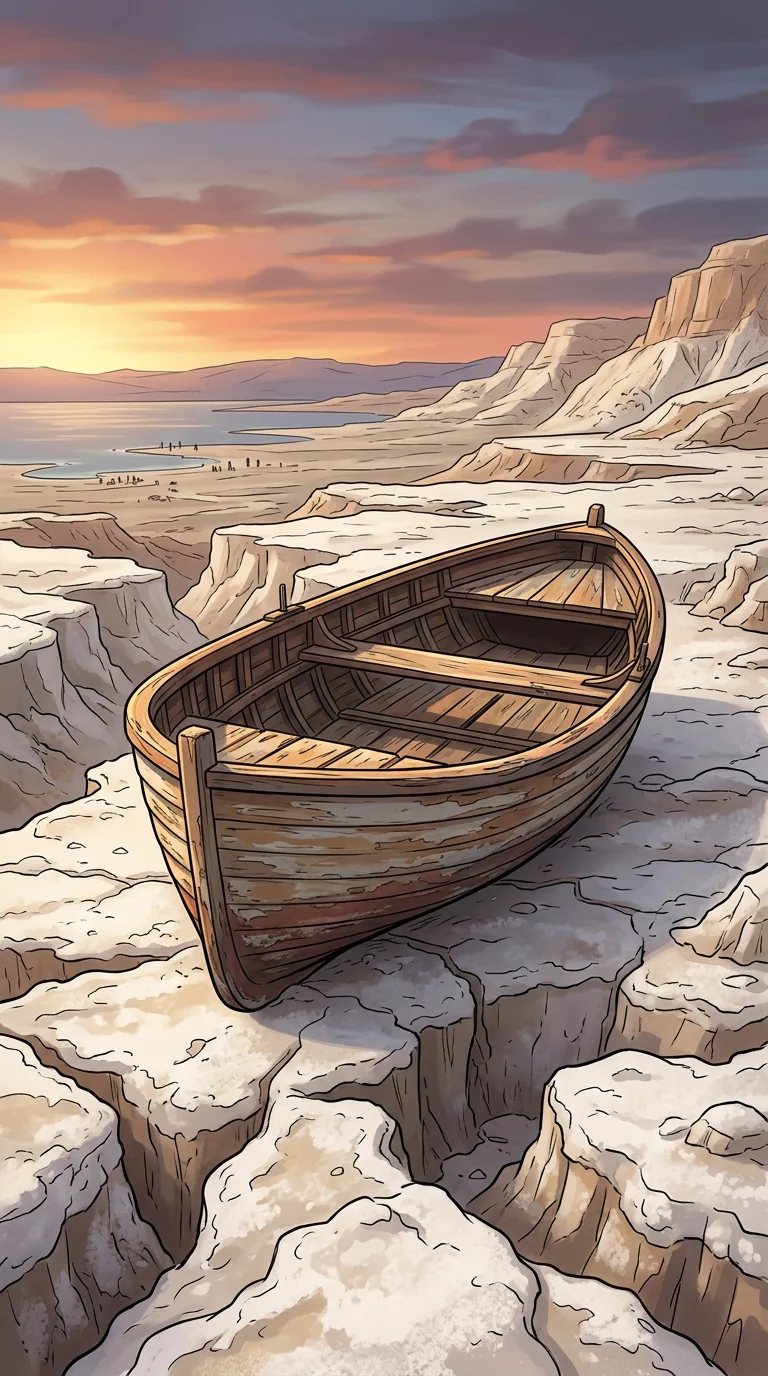
Diverted Jordan River water and intense heat are draining it — sinkholes now swallow whole sections of shore.
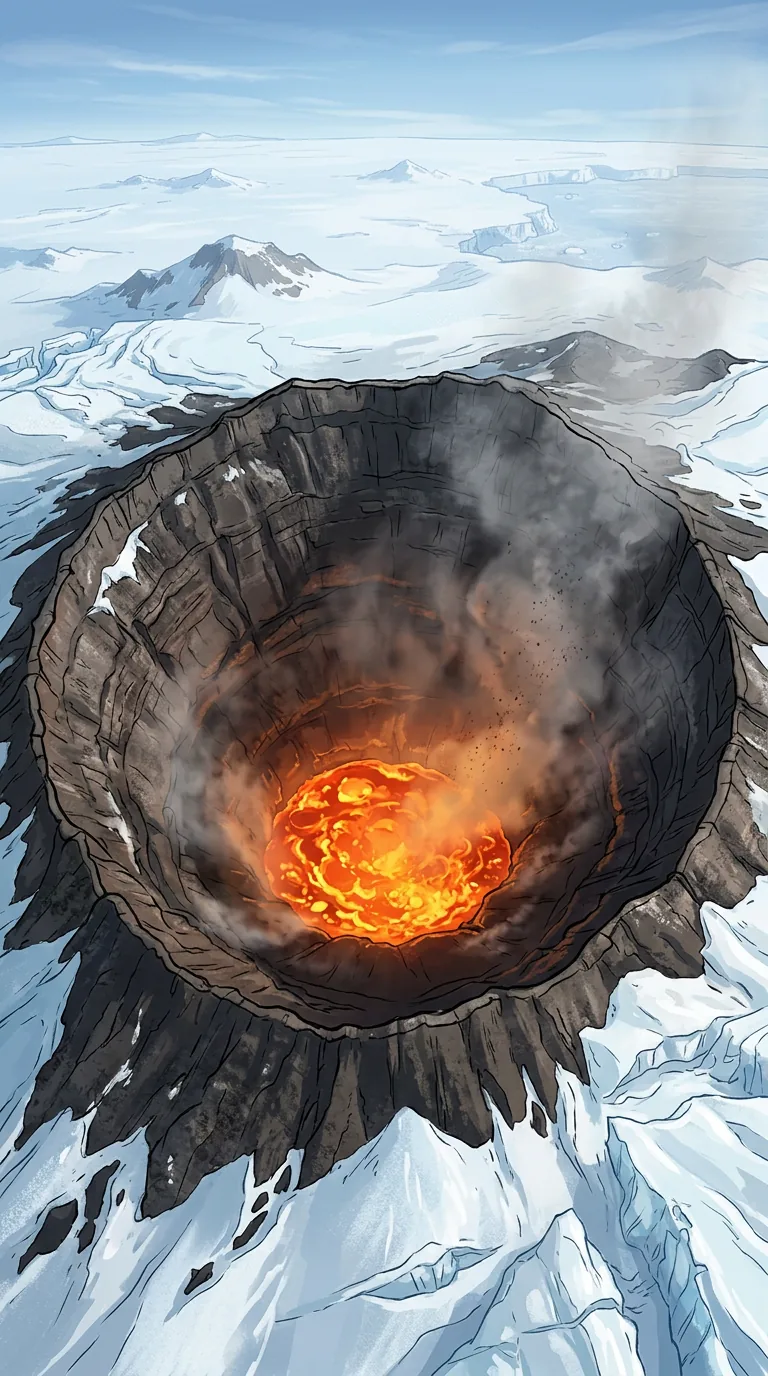
One of only a handful of volcanoes worldwide with a stable lava lake — and it has been erupting since 1972.
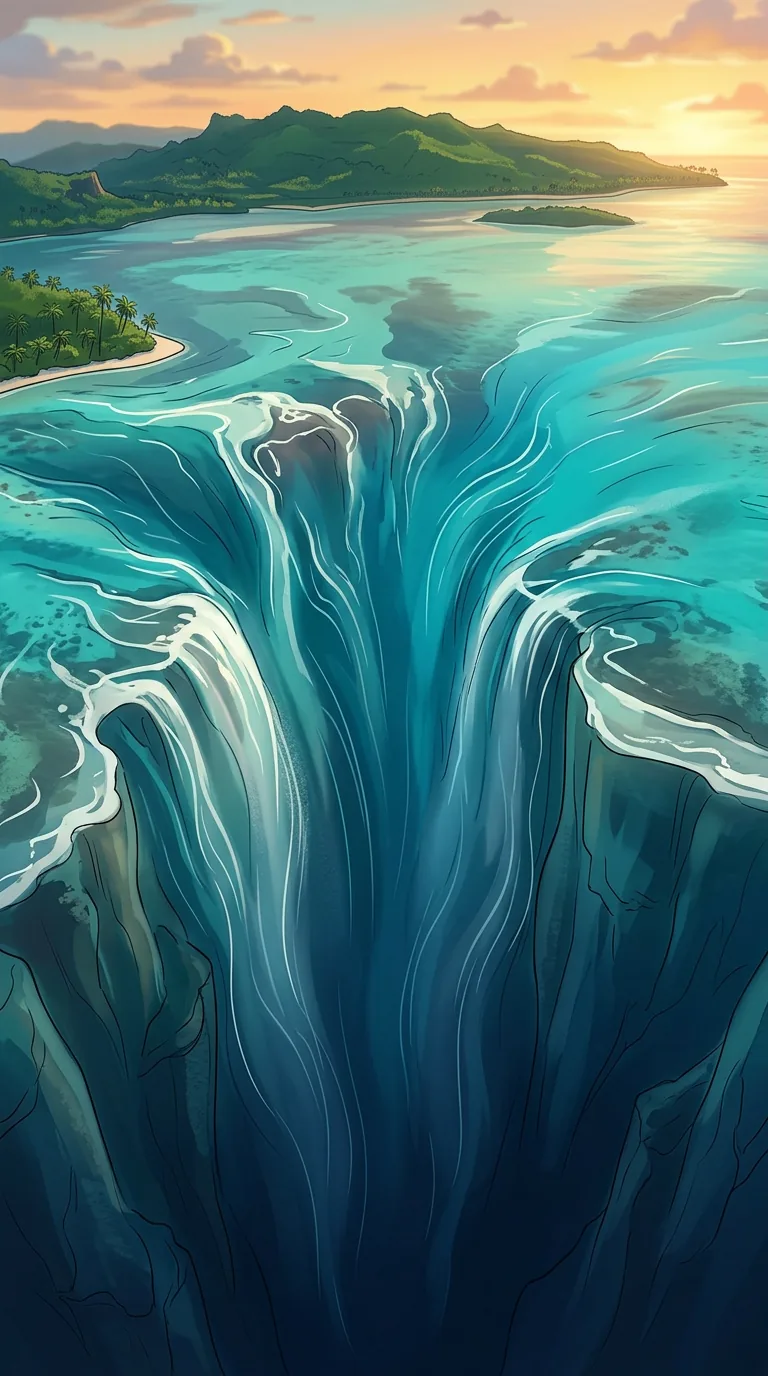
It is actually an optical illusion from sand drifting off an ocean shelf — but from space, it looks unreal.
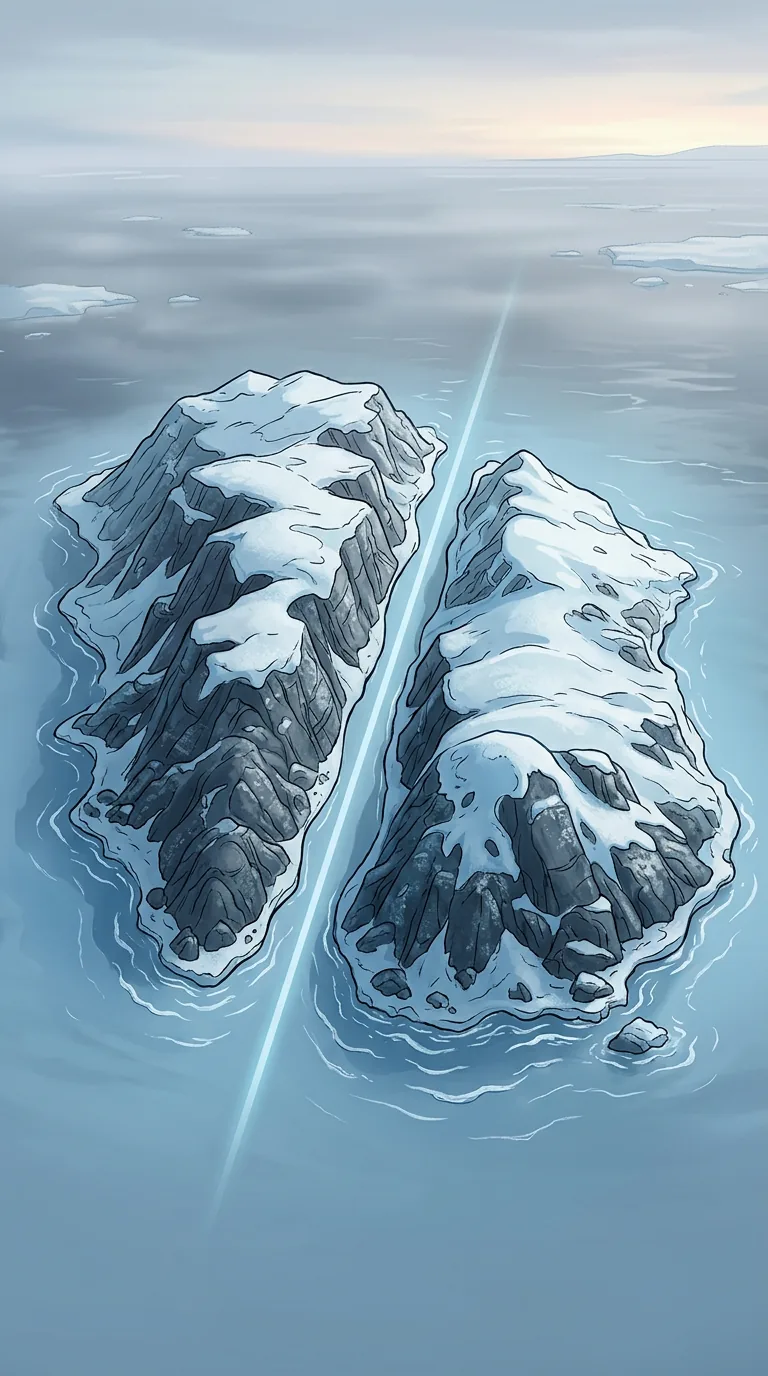
Big Diomede (Russia) and Little Diomede (Alaska) stare at each other — and span a 21-hour time difference.
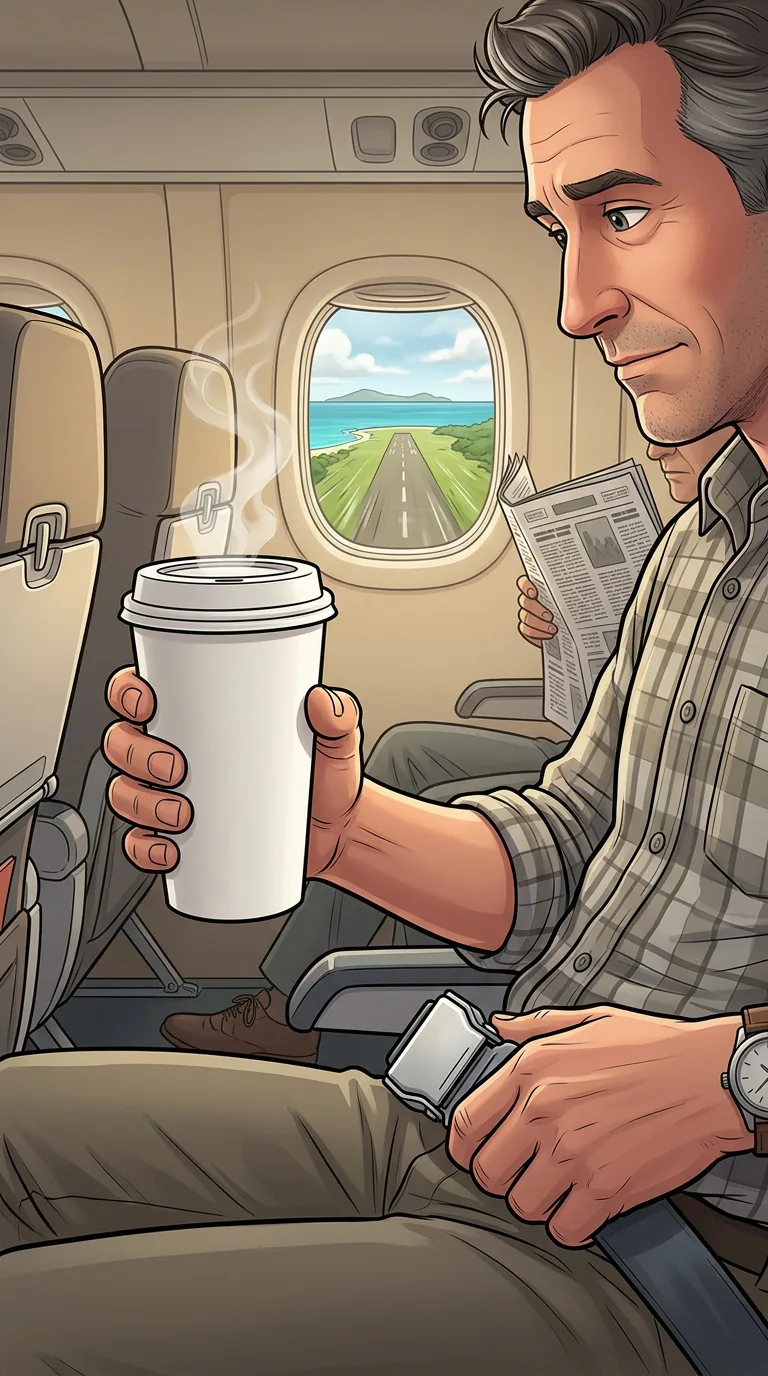
The Westray-to-Papa-Westray hop in Orkney sometimes finishes in only 53 seconds with a strong tailwind.
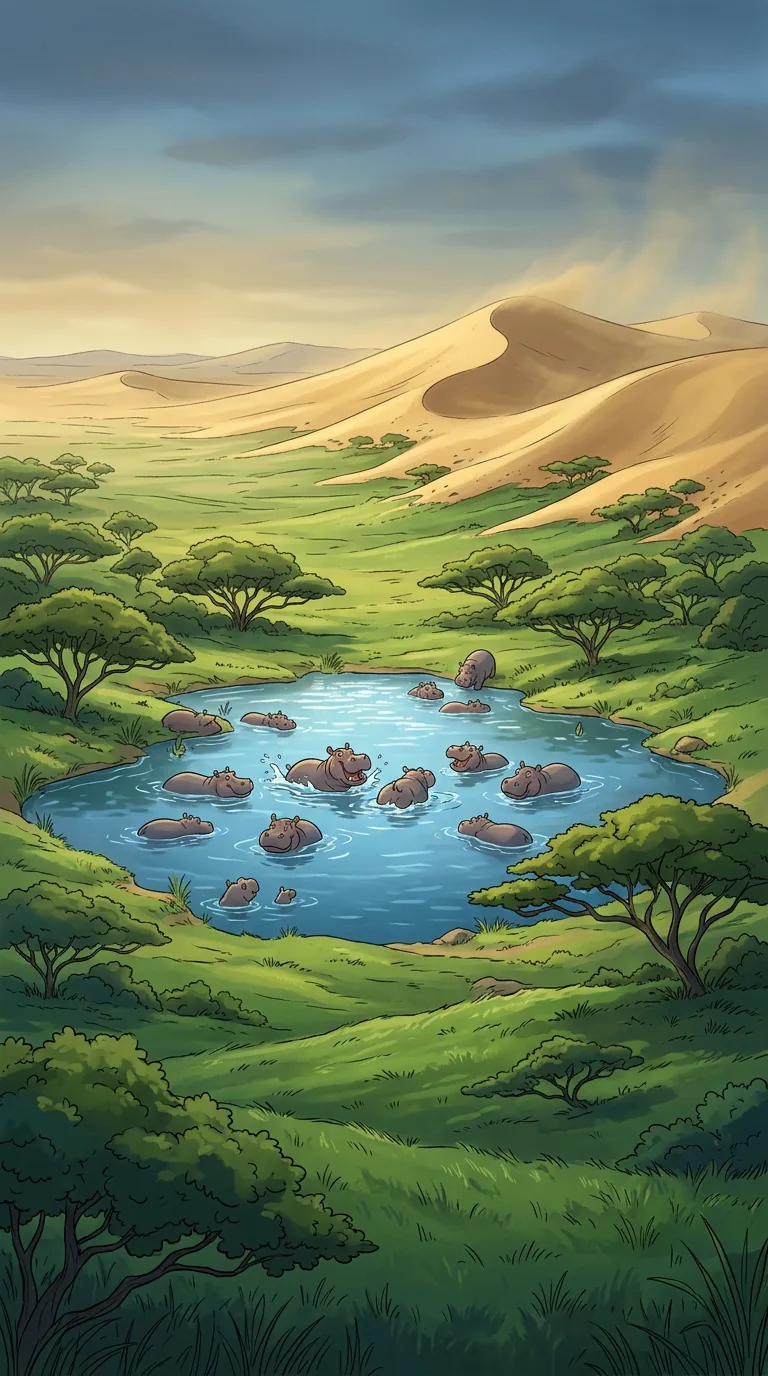
Wobbles in Earth tilt changed the monsoon — turning what was rich grassland into the world largest hot desert.
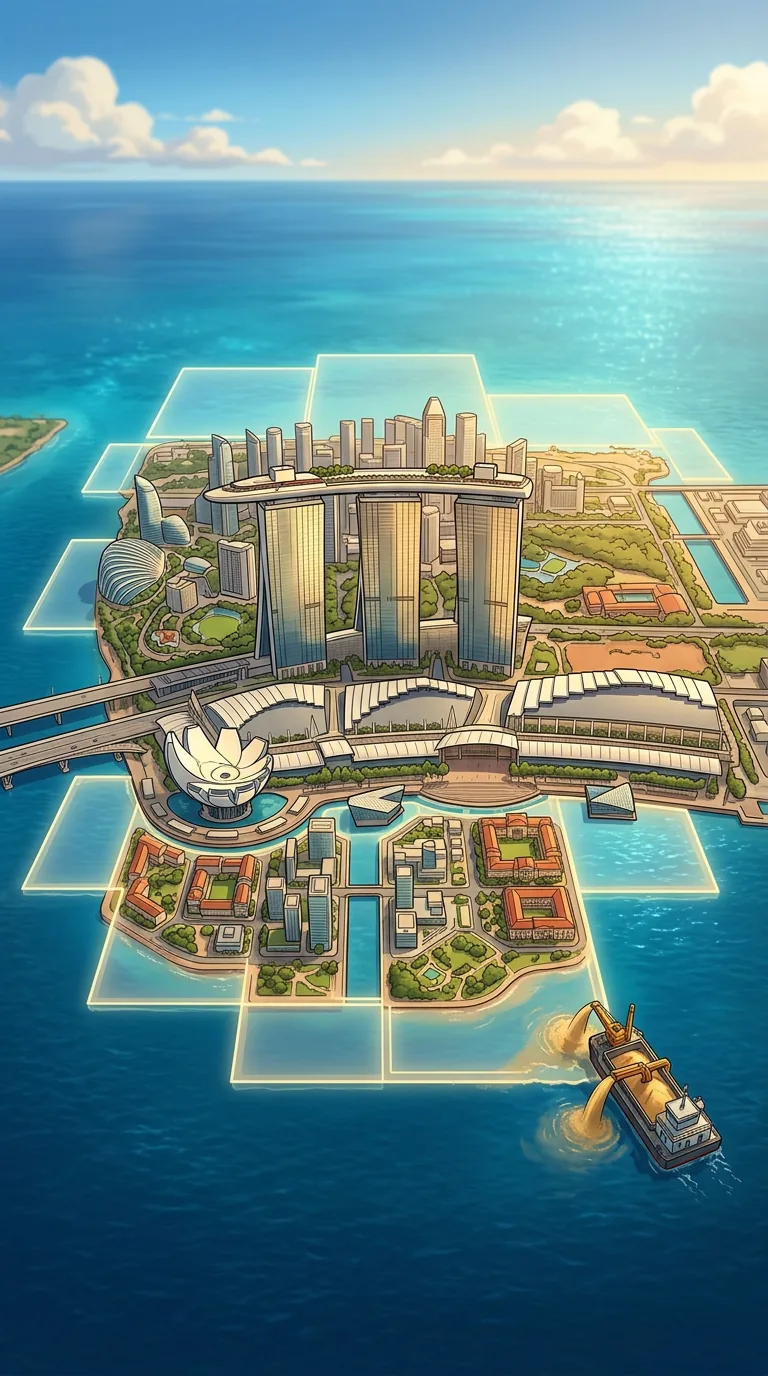
Sand dredged from neighboring countries built new districts — the city is literally growing into the ocean.
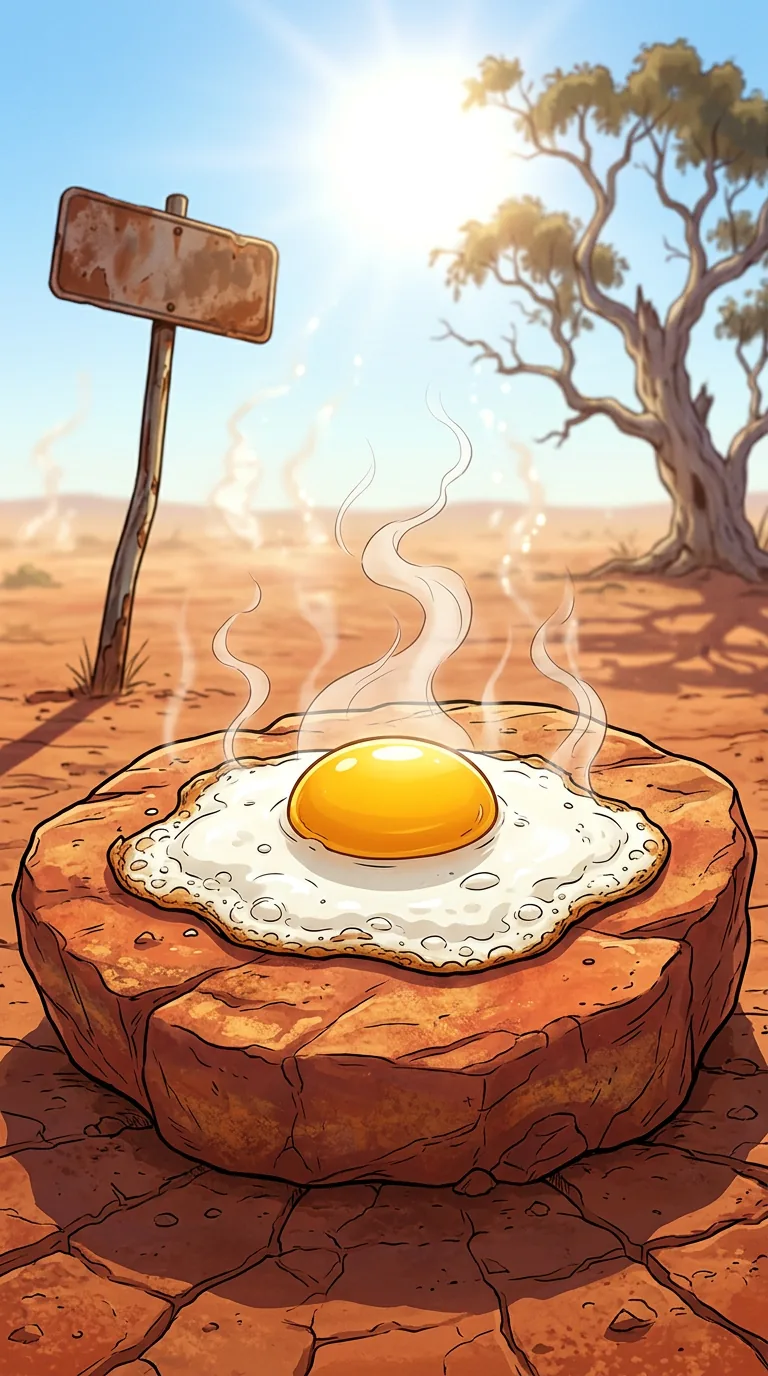
Steel signs warp, asphalt softens, and travelers carry water rations measured in liters per hour outdoors.
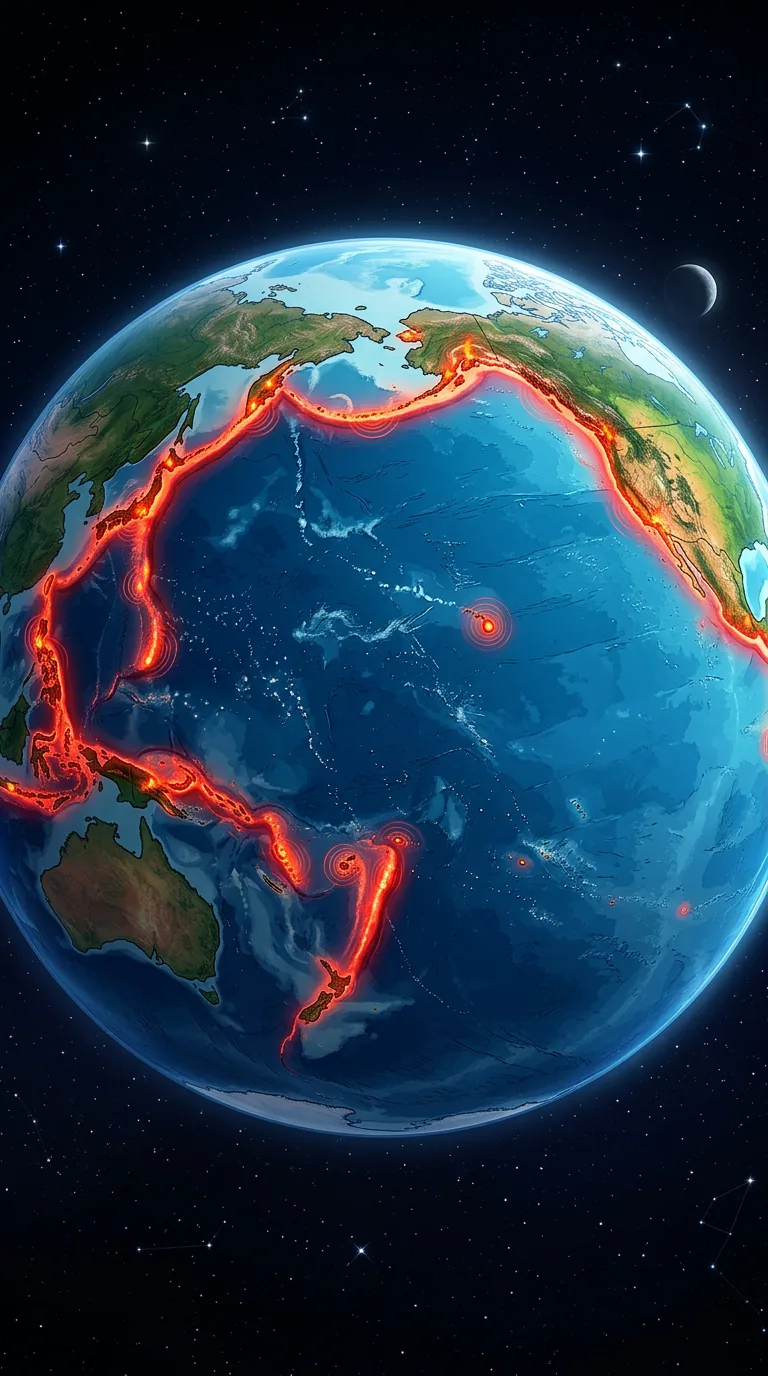
A horseshoe-shaped zone around the Pacific where tectonic plates collide — from Chile to Japan to Indonesia.