230Share
History
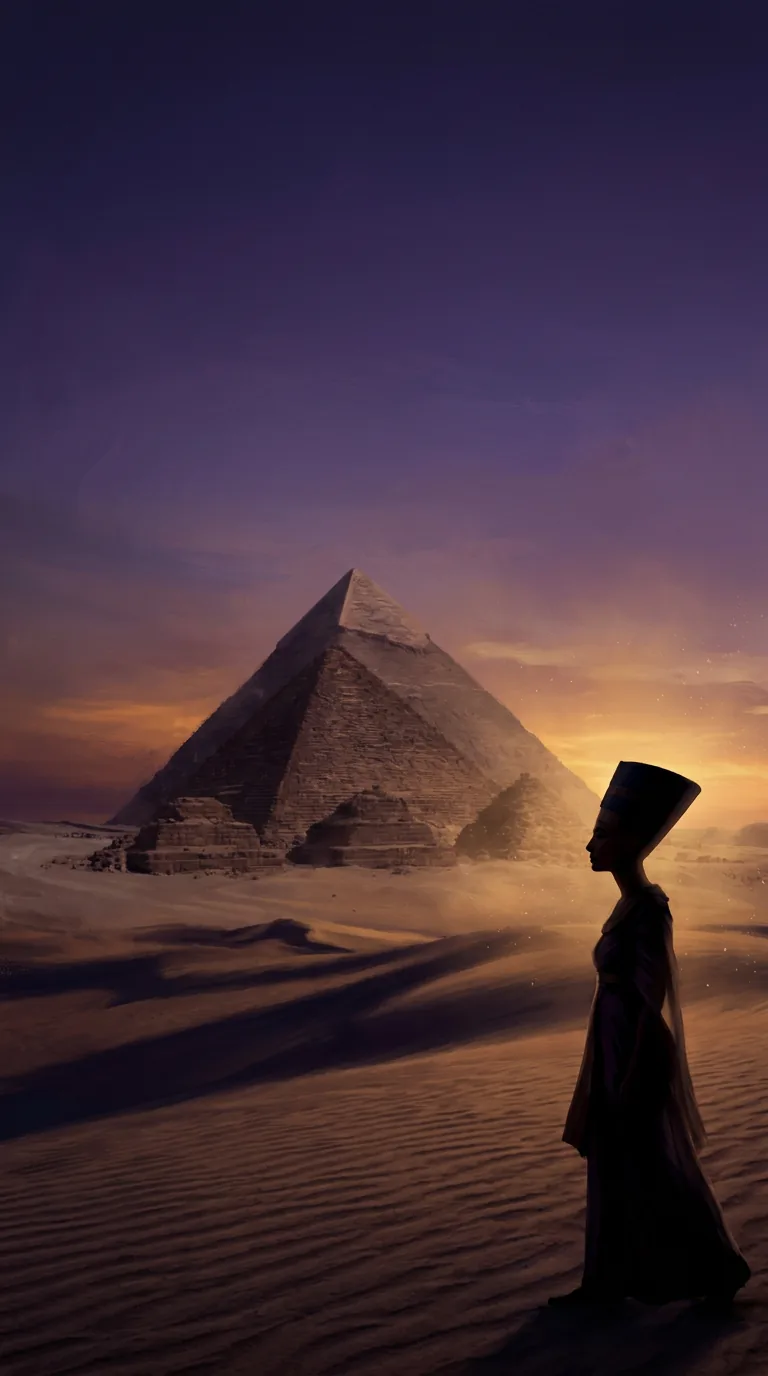
Cleopatra lived closer in time to the iPhone than to the Great Pyramid.
The Pyramid of Giza was already 2,500 years old when she was born — older than the gap between her time and ours.

NOW WATCHING
History · Facts
The Pyramid of Giza was already 2,500 years old when she was born — older than the gap between her time and ours.
 Swipe up or down to explore more
Teaching began at Oxford in 1096. The Aztec capital Tenochtitlán was founded in 1325. By the time Aztecs were laying their first stones, Oxford had been running for 230 years.

France used the guillotine for capital punishment until 1977 — months before the original Star Wars hit theatres. Public memory has misplaced this by about two centuries.
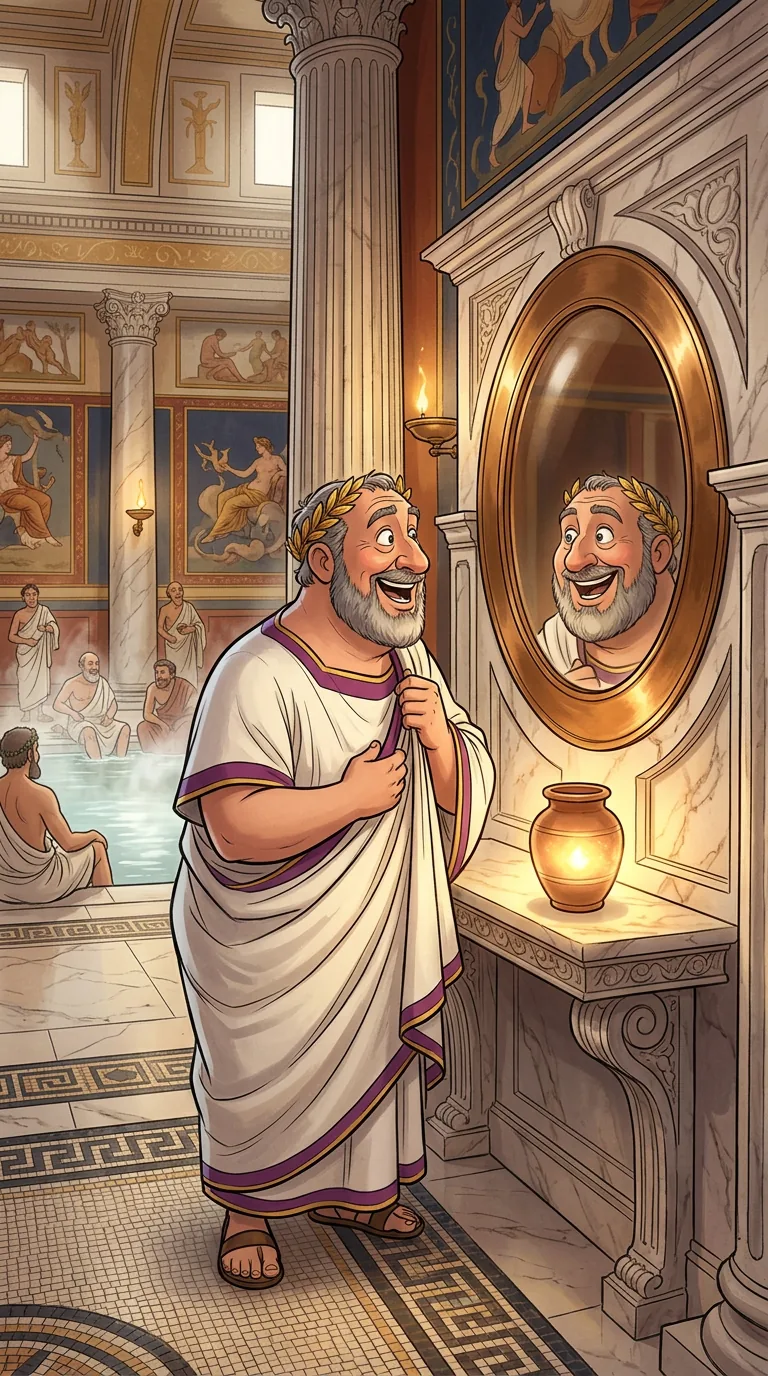
Ammonia in stale urine is a real bleaching agent. Roman writer Catullus mocked one man for his suspiciously bright smile. The chemistry holds up; the dentistry does not recommend it.
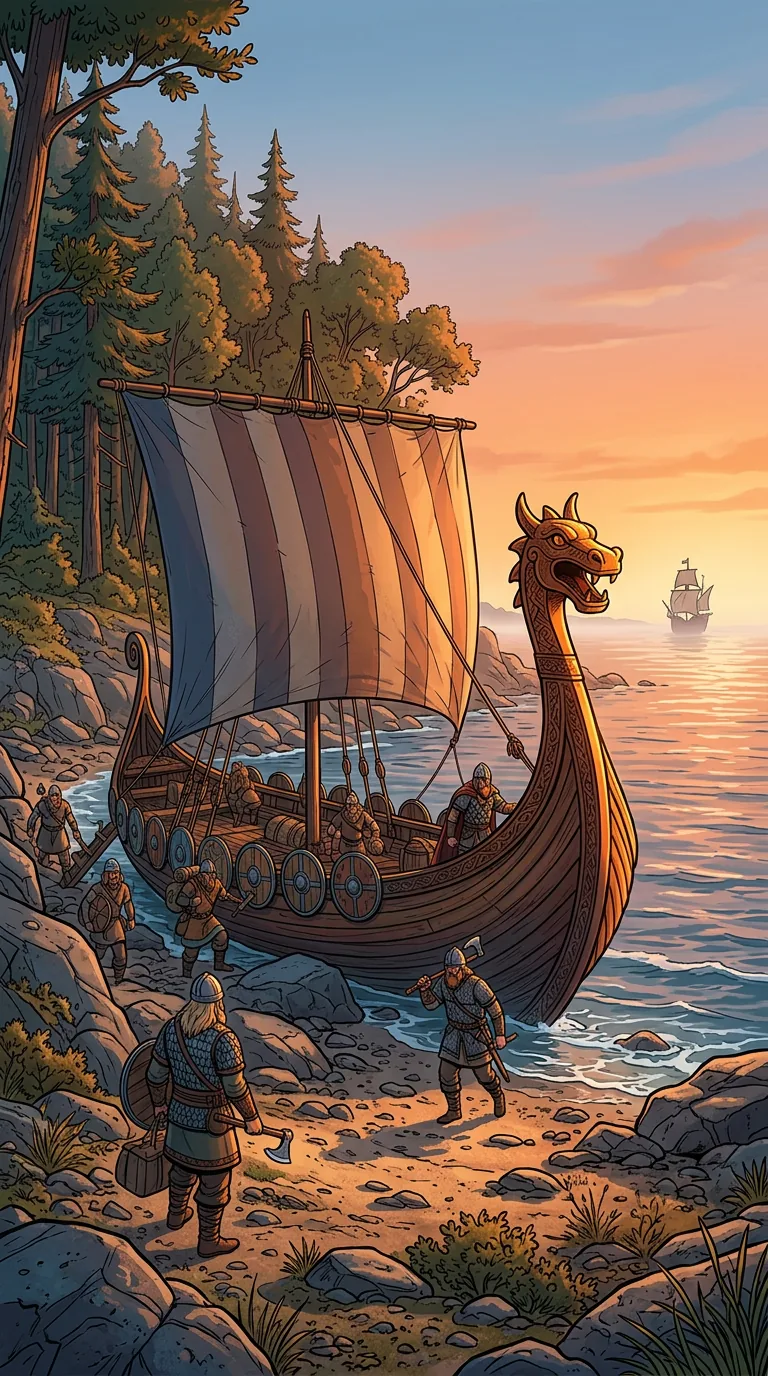
Norse settlers reached Newfoundland around the year 1000. Archaeological remains at L'Anse aux Meadows confirm a permanent settlement. They left, history forgot, and Columbus got the credit.

The treaty obligated Germany to vast payments. Restructured, paused and resumed across two world wars, the final 70 million euros were paid on 3 October 2010.
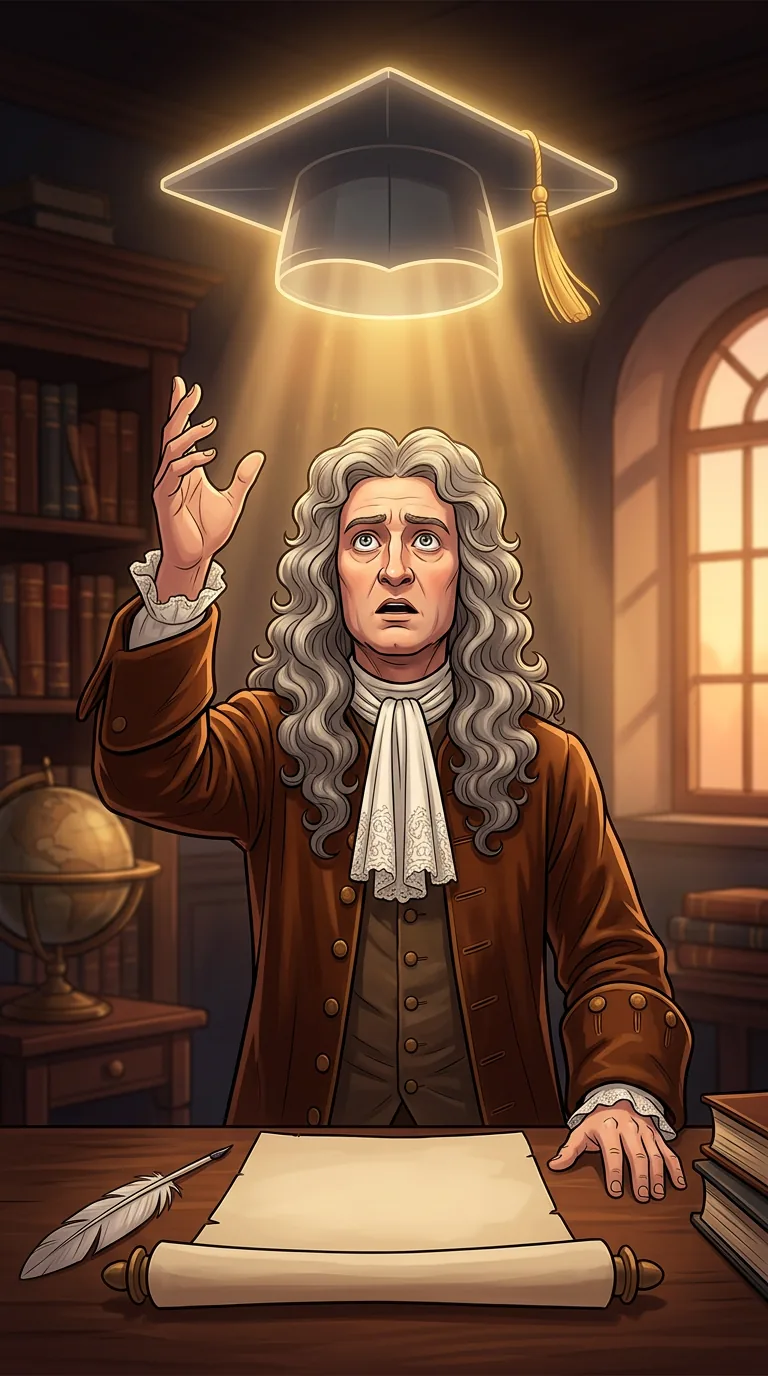
Harvard was founded in 1636. Newton and Leibniz independently invented calculus in the 1670s-80s. The university already had its first graduates before the math existed.
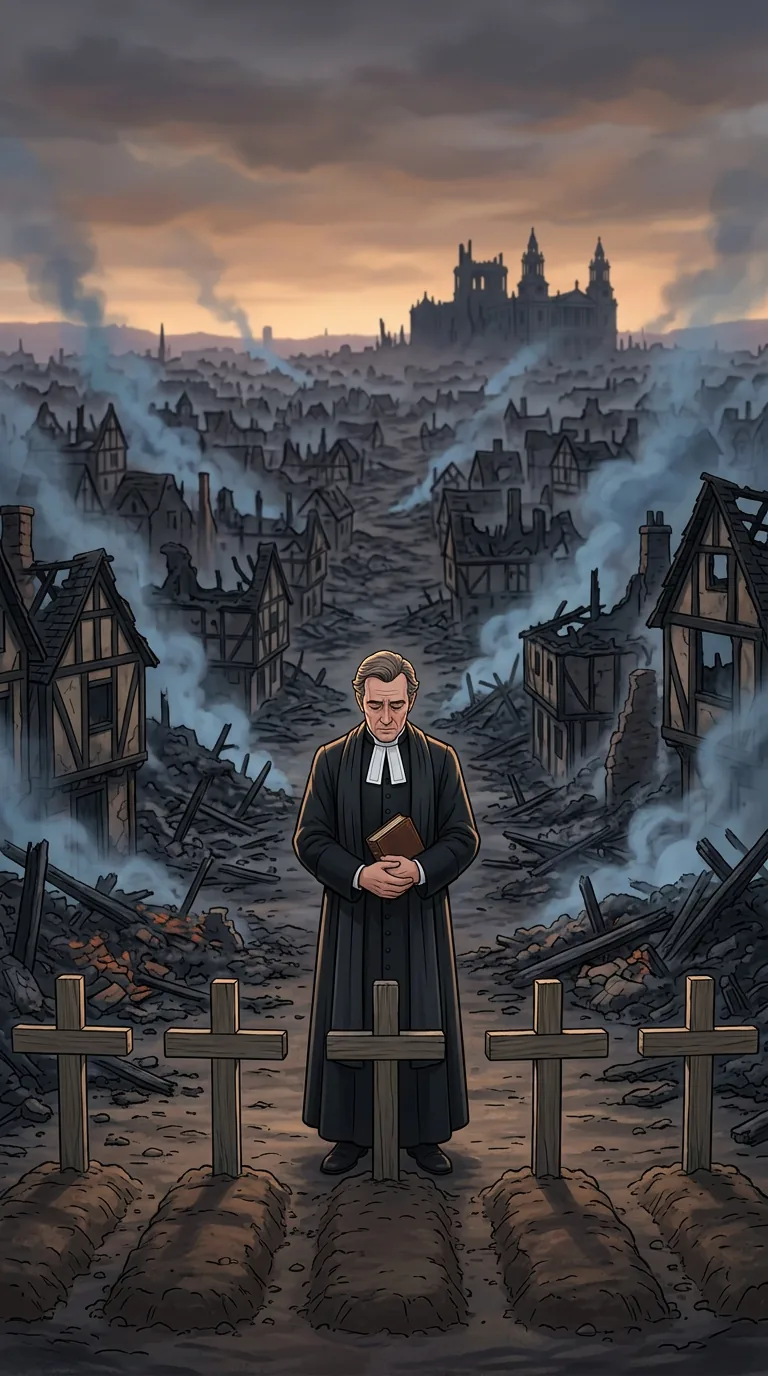
It burned 13,200 houses and 87 churches over four days in 1666 — but the official death toll was six. The poor probably died uncounted, but the recorded figure is shockingly small.
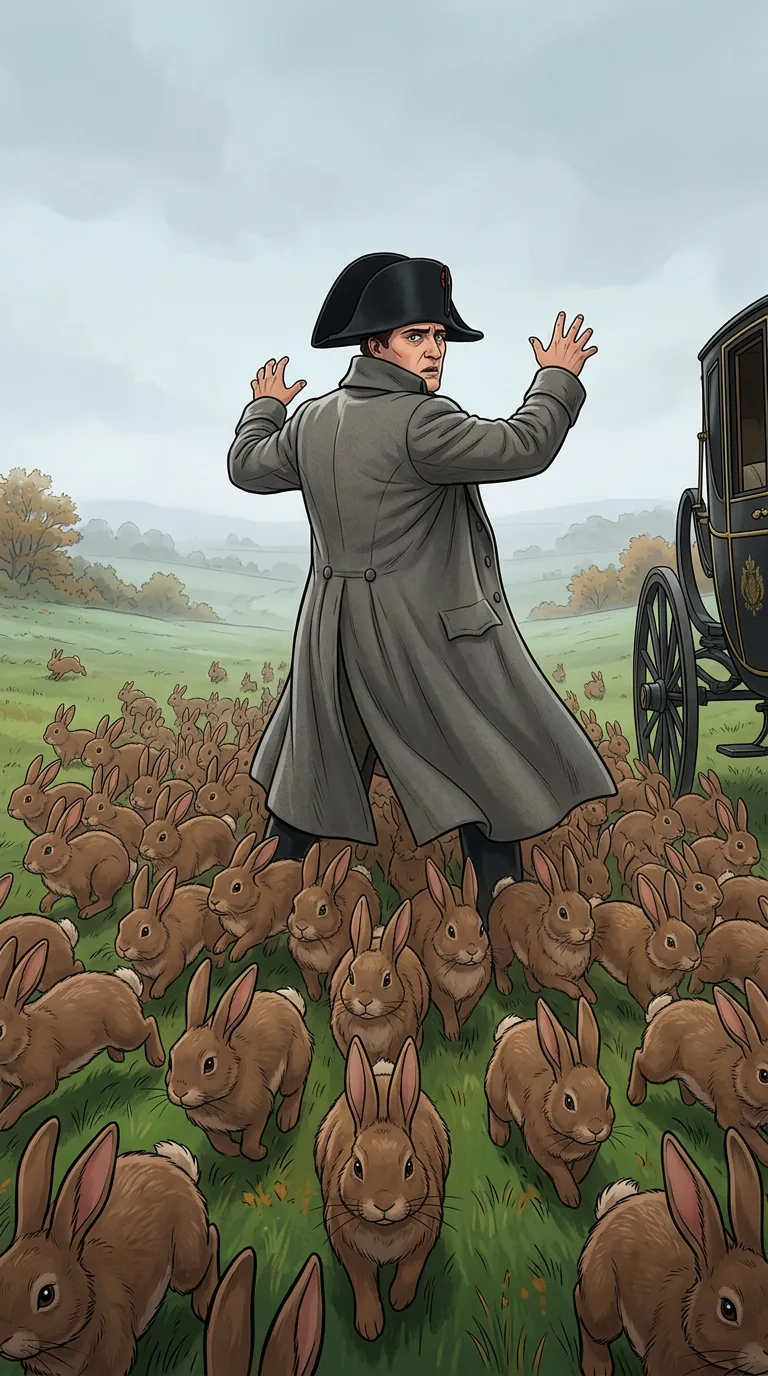
At a 1807 hunting party, 3,000 rabbits were released for sport. Instead of fleeing, they charged Napoleon's entourage in waves. The emperor was forced to retreat to his carriage.
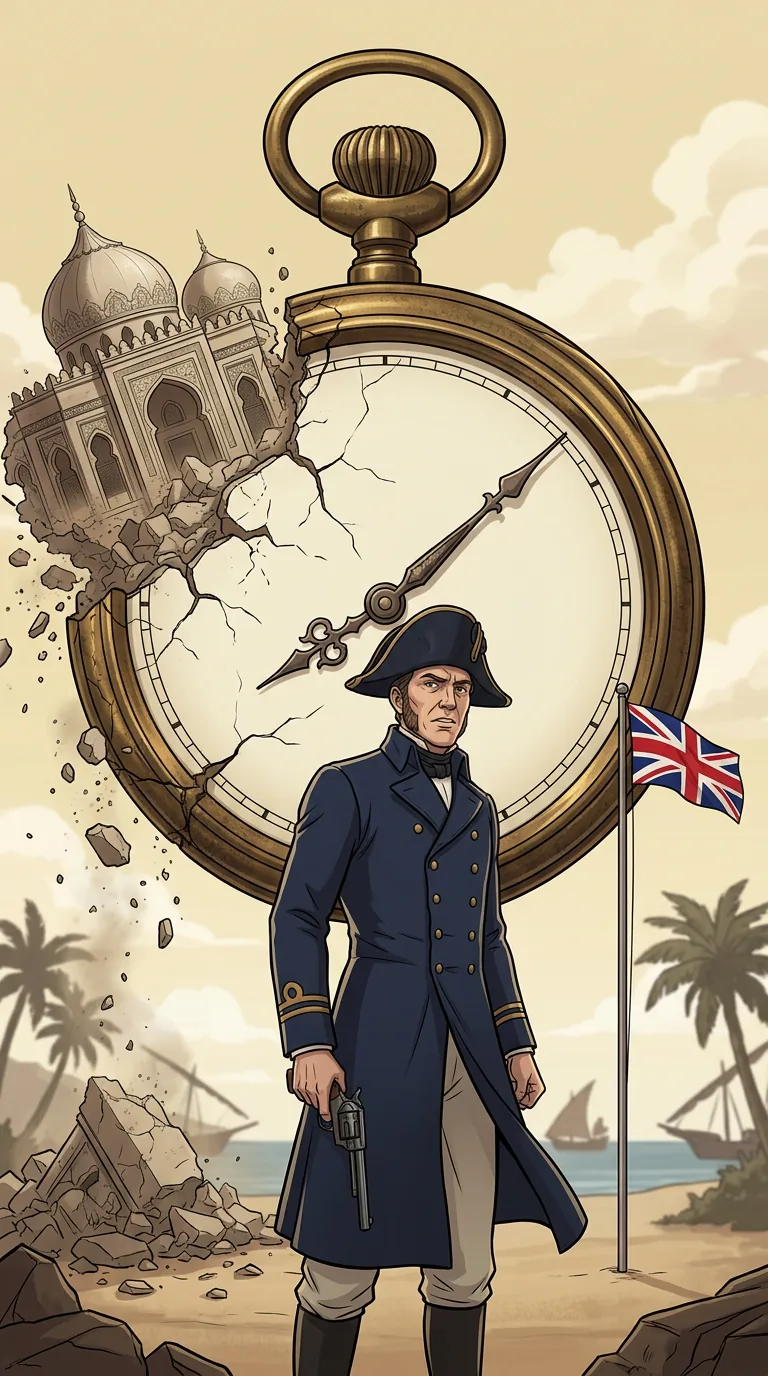
The Anglo-Zanzibar War of 1896 began at 9:02 AM. By 9:40 AM, the sultan's palace was destroyed and the new ruler installed. Surrender came before lunch.
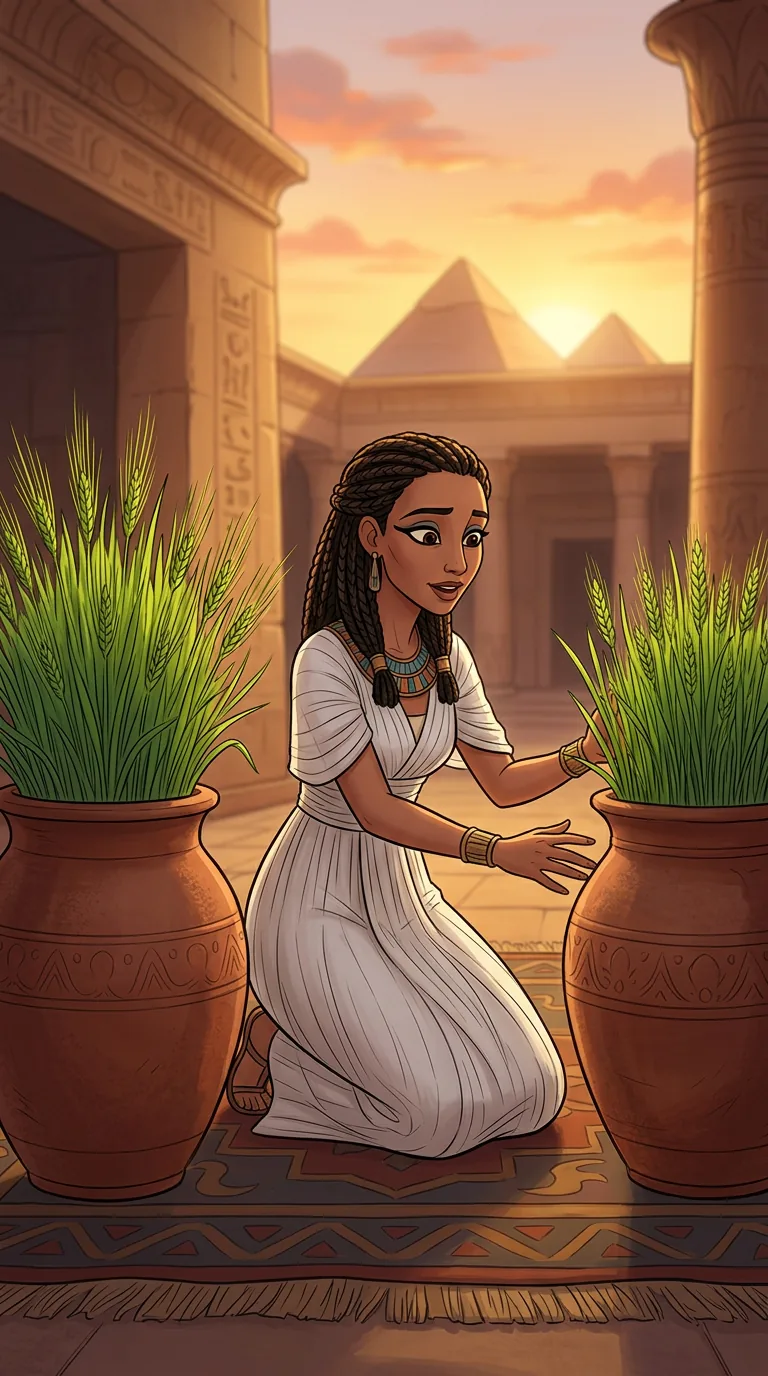
Women urinated on barley and wheat seeds. If they sprouted, she was pregnant. Modern tests in 1963 confirmed the urine of pregnant women does accelerate germination.
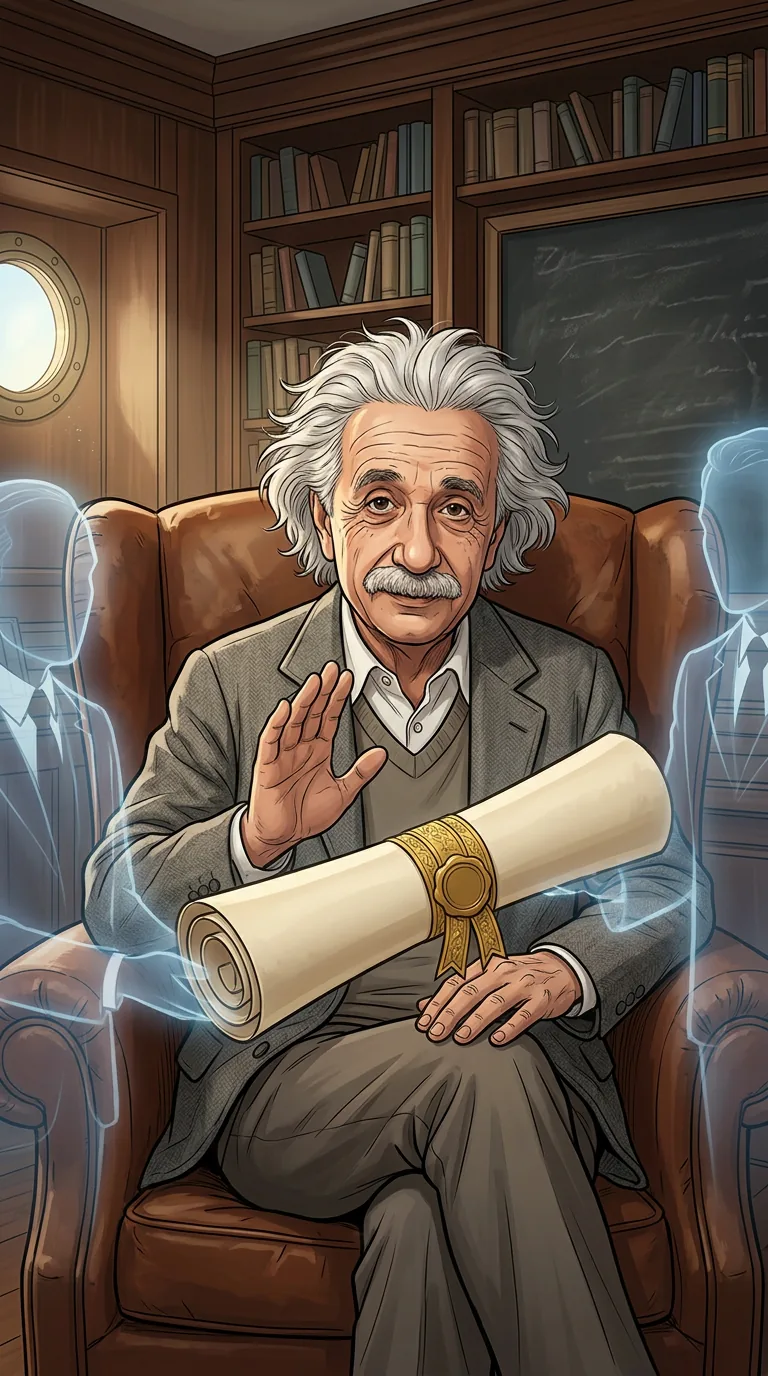
In 1952, after Chaim Weizmann died, Israel's prime minister formally offered Einstein the role. He declined, saying he lacked "natural aptitude and experience to deal properly with people."
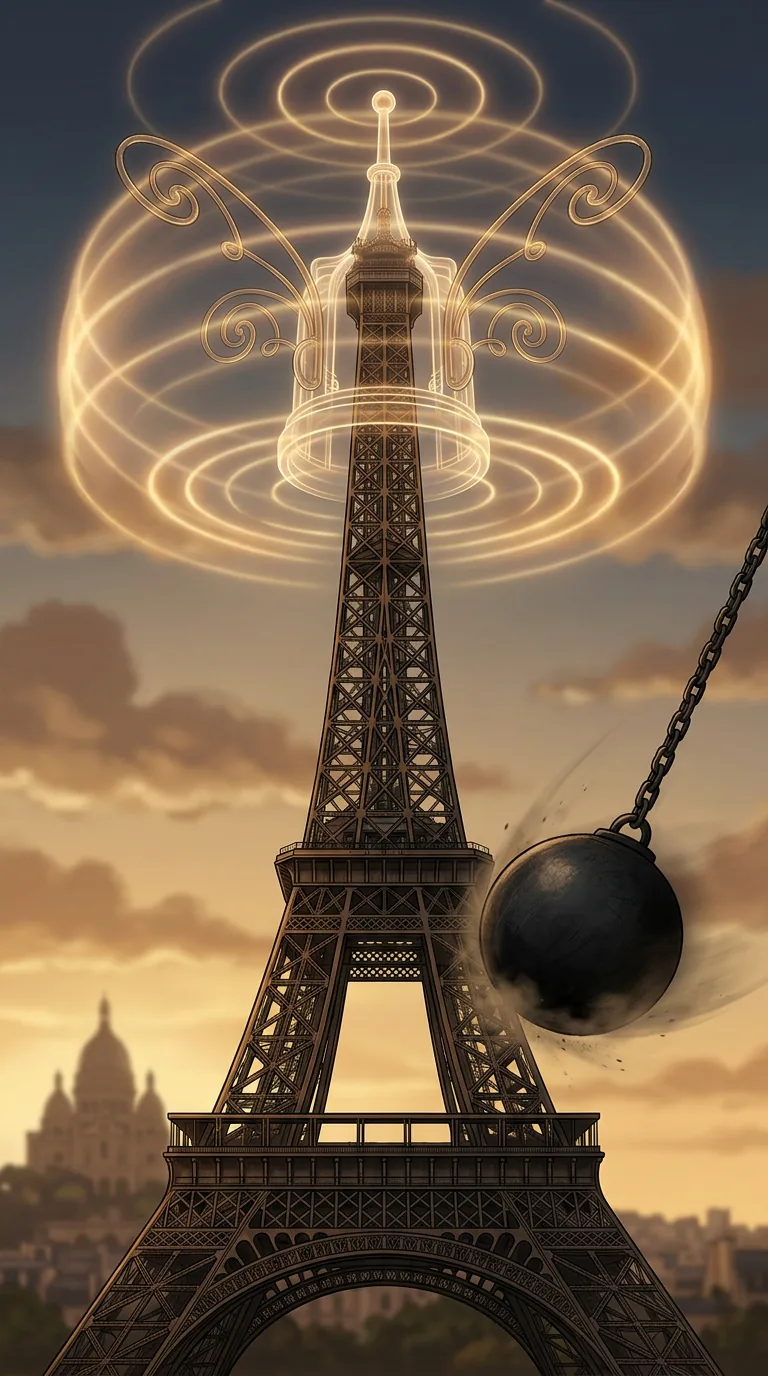
Built for the 1889 World's Fair, it was scheduled for demolition after 20 years. It survived because it proved useful as a radio antenna. Engineers planned to dismantle the world's most famous landmark.
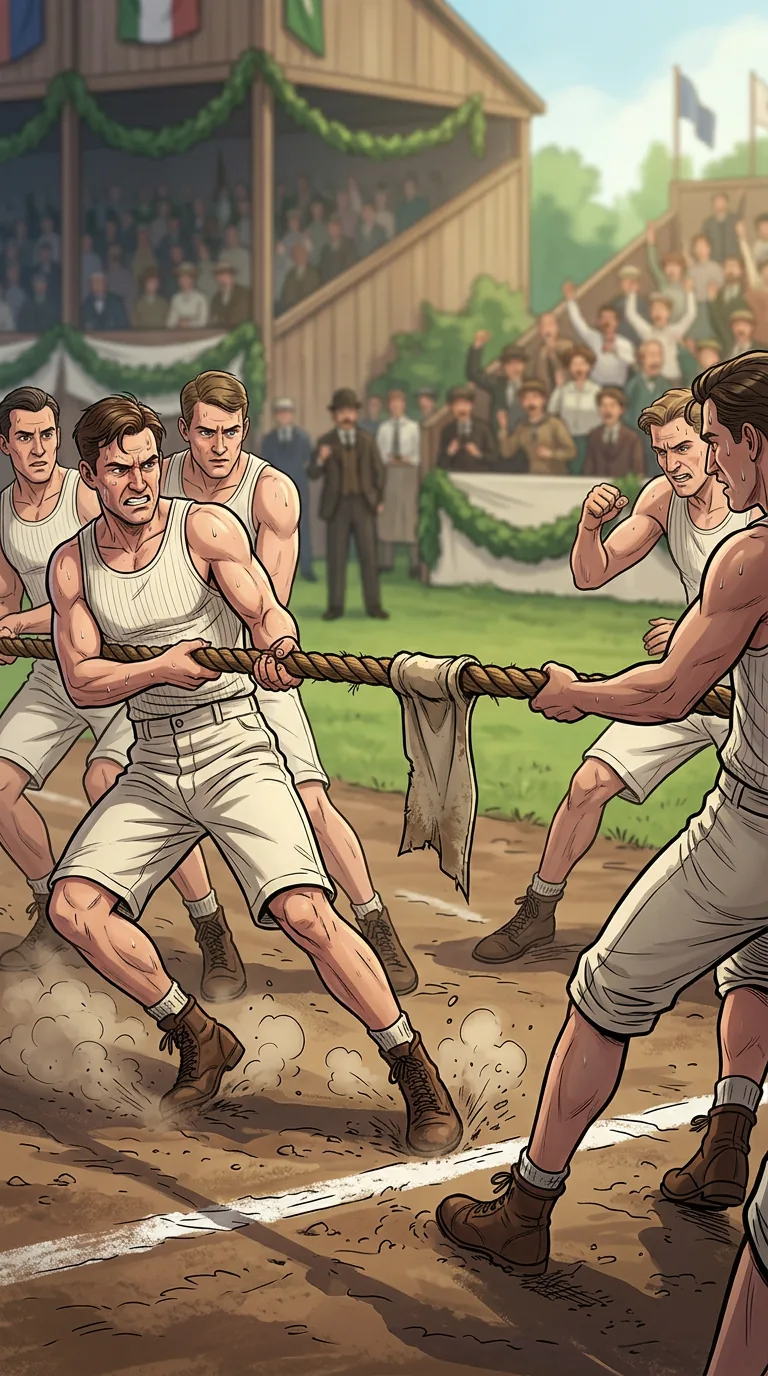
From 1900 to 1920, nations competed in tug of war at five Olympic Games. Great Britain won the most medals. It was dropped to streamline the Games.
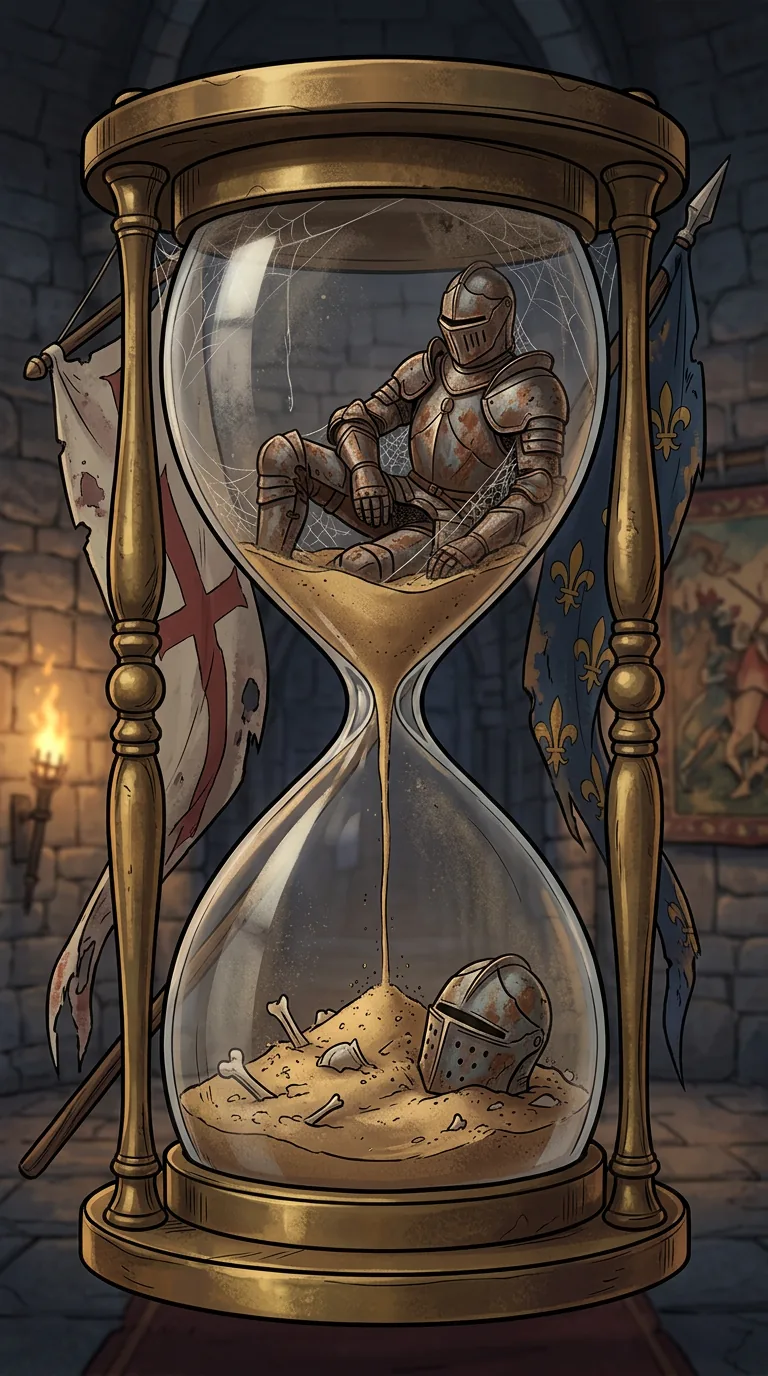
From 1337 to 1453, England and France fought on and off across five generations. The name was coined centuries later — and the math was never the point.
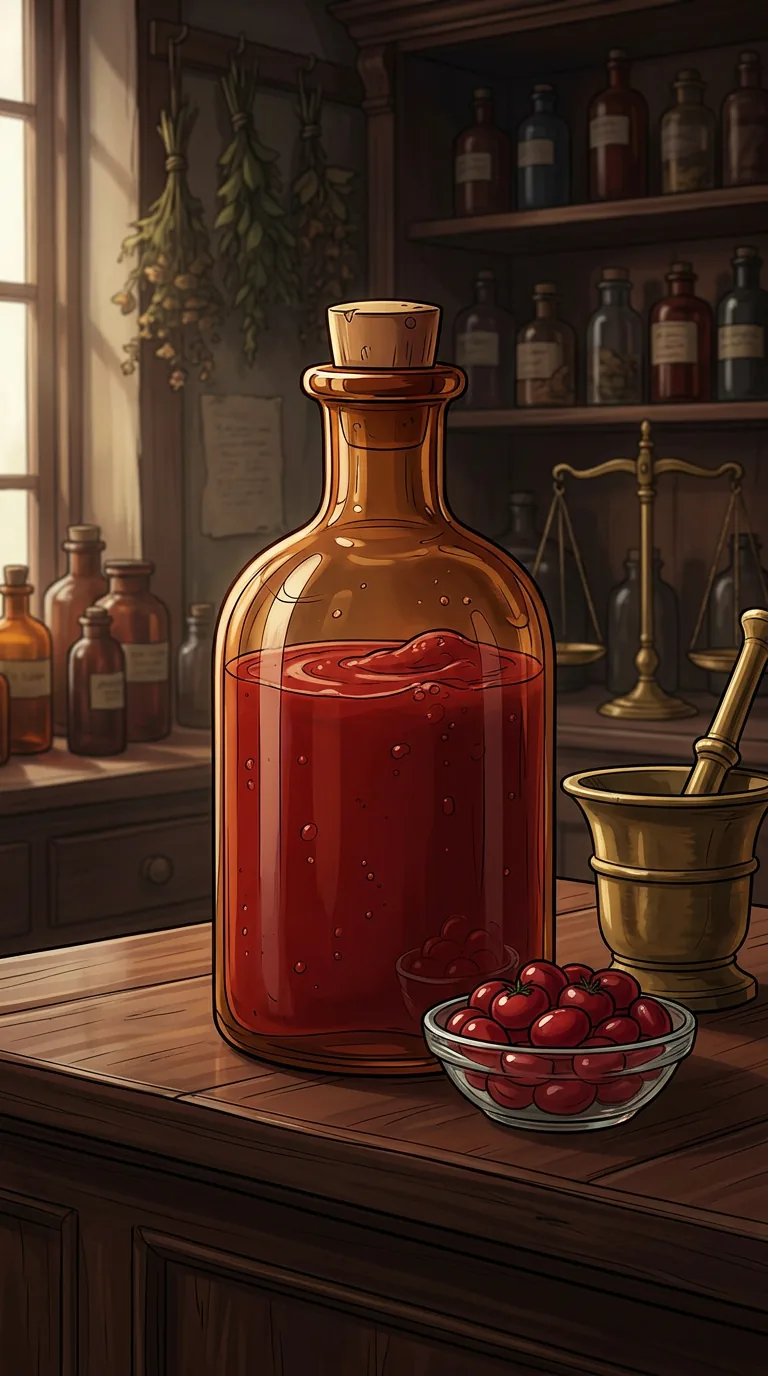
Dr. John Cook Bennet marketed tomato ketchup as a cure for indigestion, jaundice and diarrhea. It was sold in pill form. The fraud collapsed but the condiment survived.

Wojtek, a Syrian brown bear, was made a private in the Polish Army to bypass transport rules. He carried artillery shells at the Battle of Monte Cassino and was promoted to corporal.
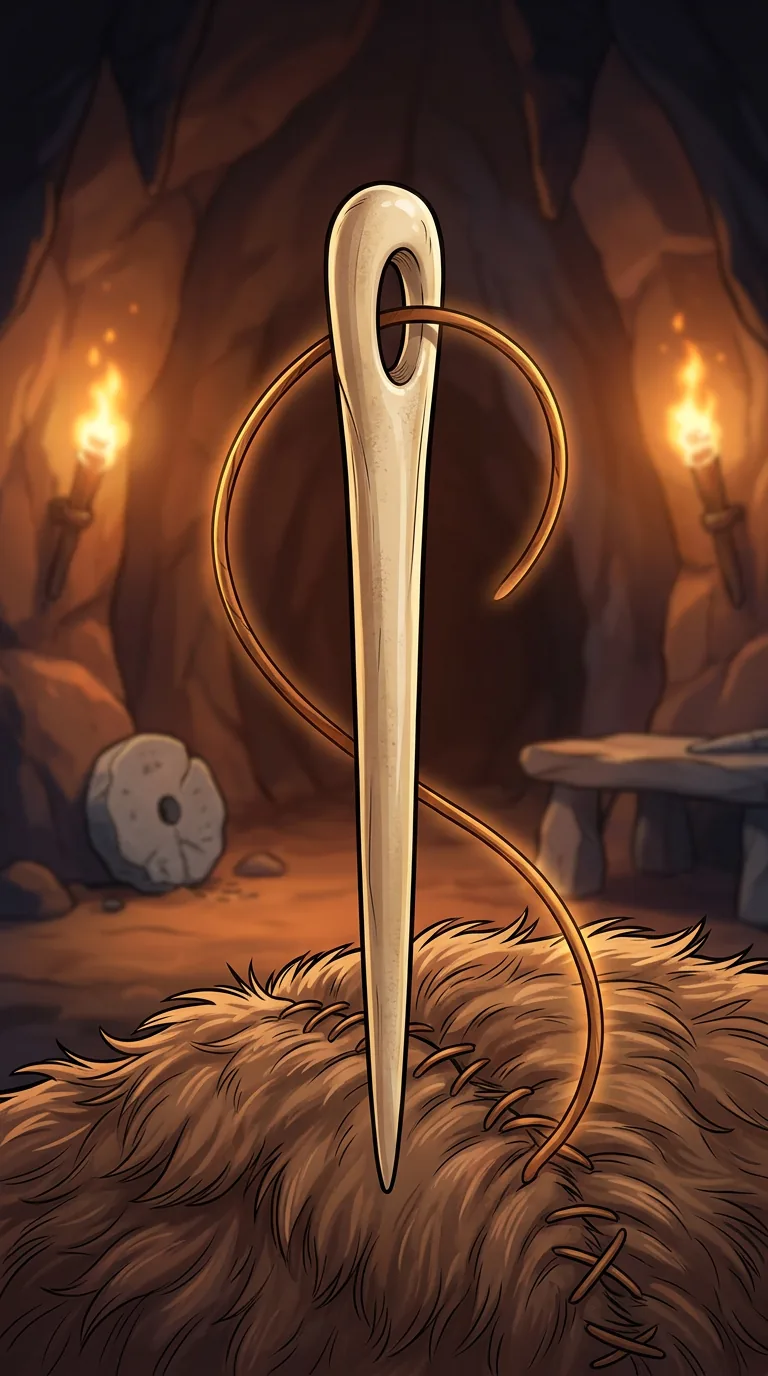
Bone needles date to ~50,000 years ago. The wheel appeared around 3,500 BC. Humans were stitching tailored clothes for 45,000 years before they figured out rolling things.
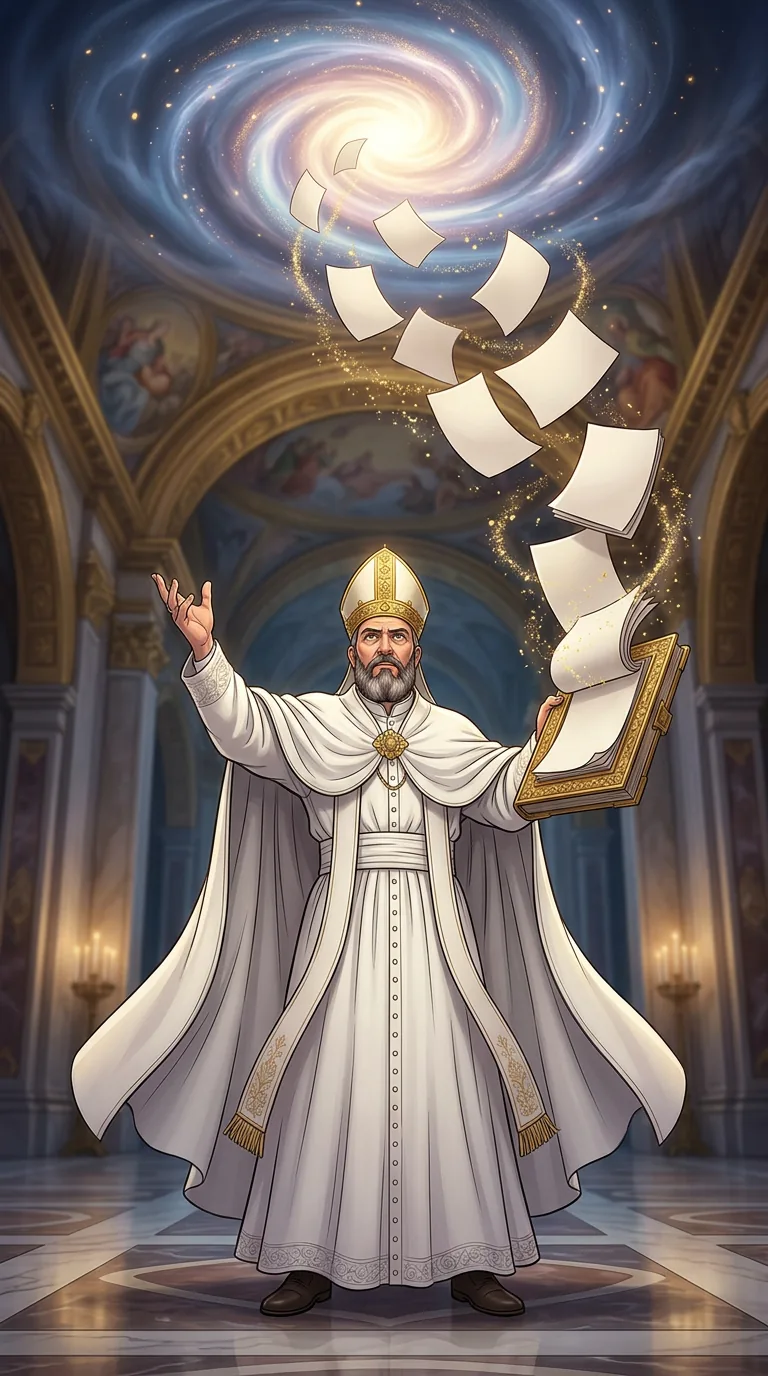
In October 1582, the new Gregorian calendar skipped 5-14 October entirely. People went to bed on Thursday and woke up on Friday a week and a half later. Riots followed.
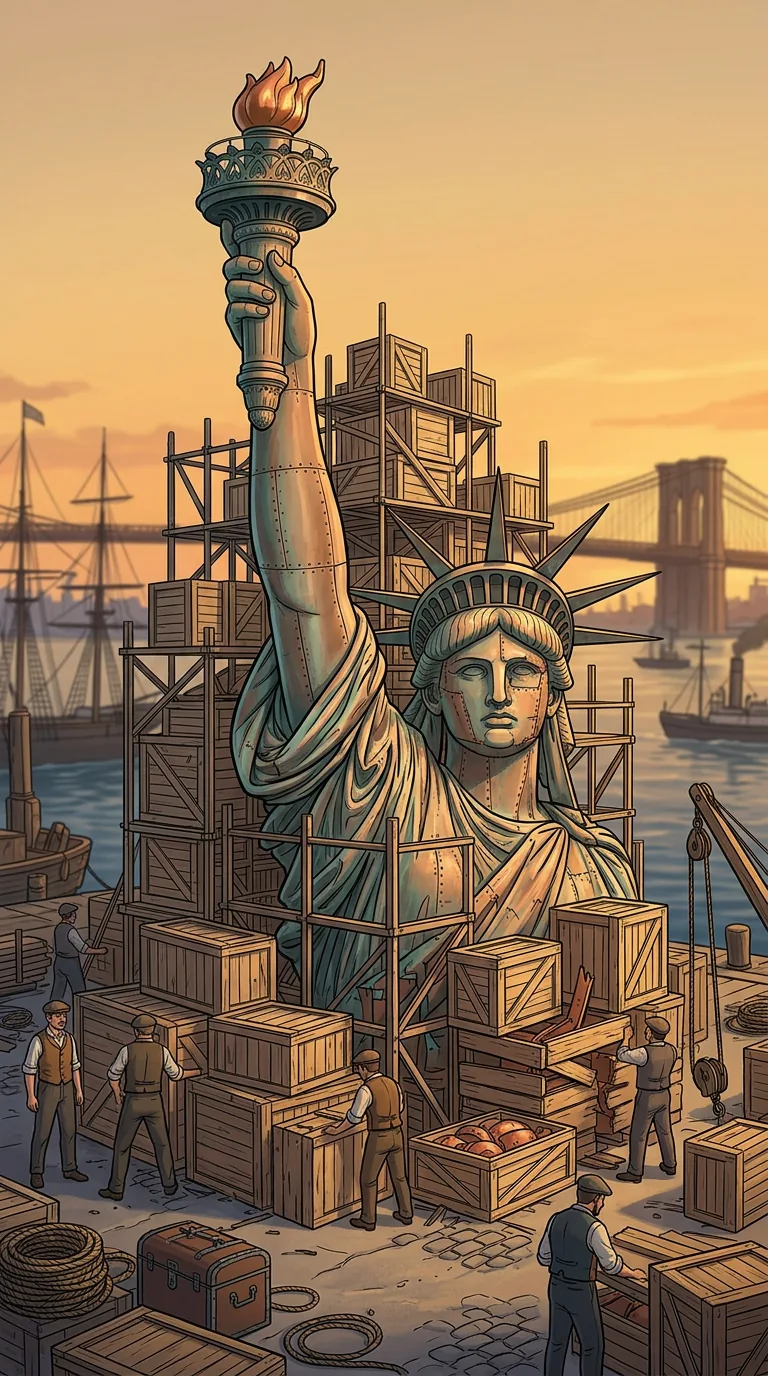
Shipped from France in 214 crates in 1885, the statue was assembled like furniture. Funding for the pedestal was raised partly by selling souvenir miniatures of the as-yet-unbuilt statue.

Until 1903, each bottle contained around 9 milligrams of cocaine from coca leaves. The recipe was changed quietly when public concerns grew. The "coca" in the name still refers to the original ingredient.
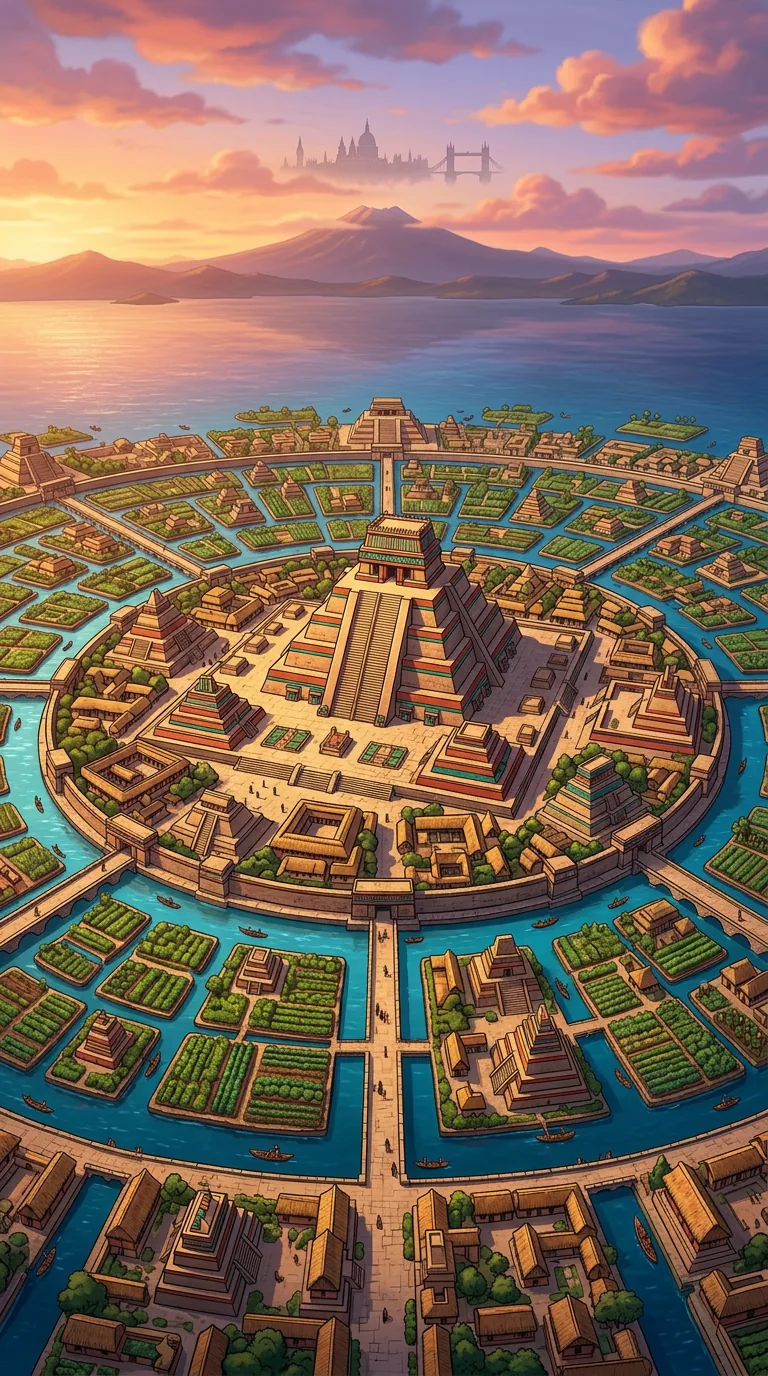
Tenochtitlán had ~200,000 residents when Cortés arrived in 1519 — larger than London or Paris at the time. It was built on a lake, with engineered aqueducts and floating gardens.
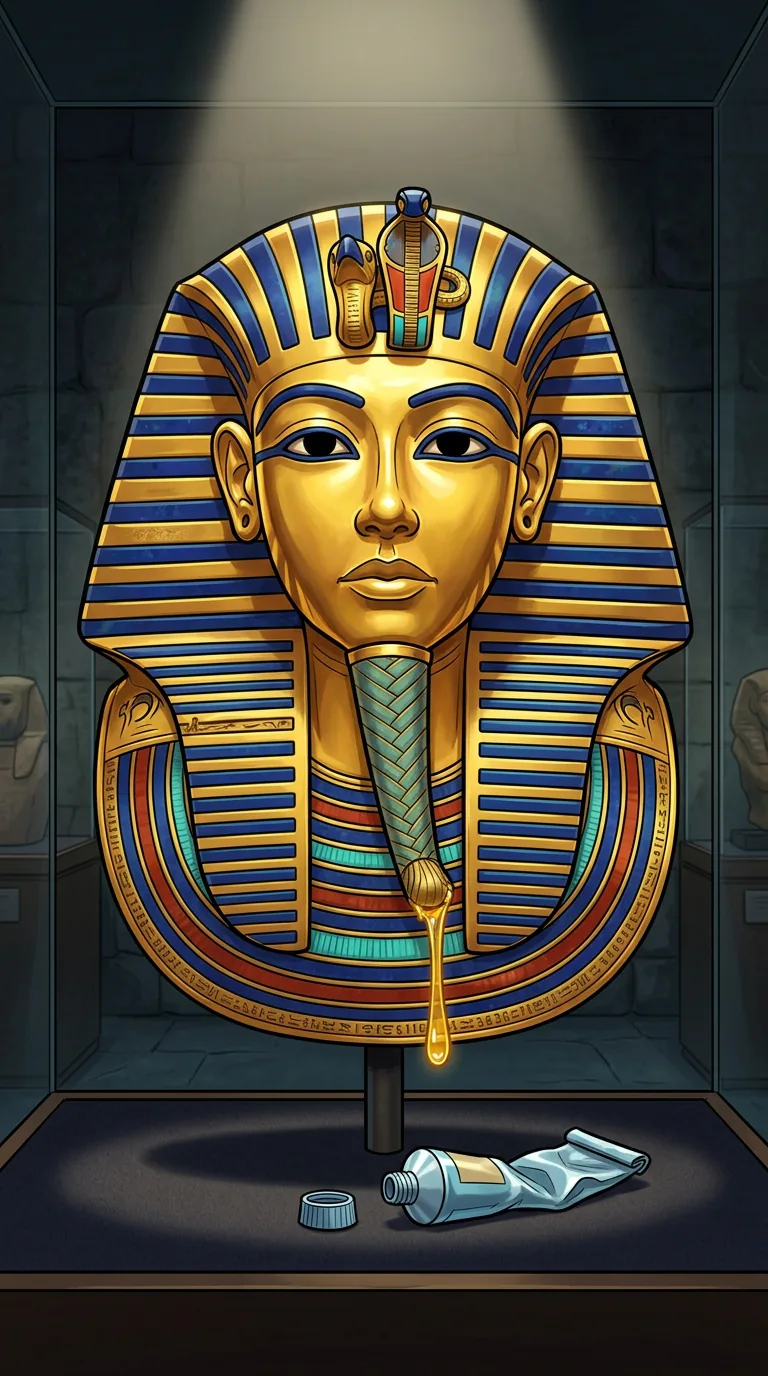
In 2014, a Cairo museum staffer knocked the famous burial mask's beard off. They reattached it with hardware-store epoxy, leaving visible yellow streaks. It took a year to properly restore.

Yuri Gagarin's 1961 re-entry capsule had no landing gear — he ejected at 7 km altitude and parachuted down. The Soviets hid this for years to claim the official spaceflight record under FAI rules.
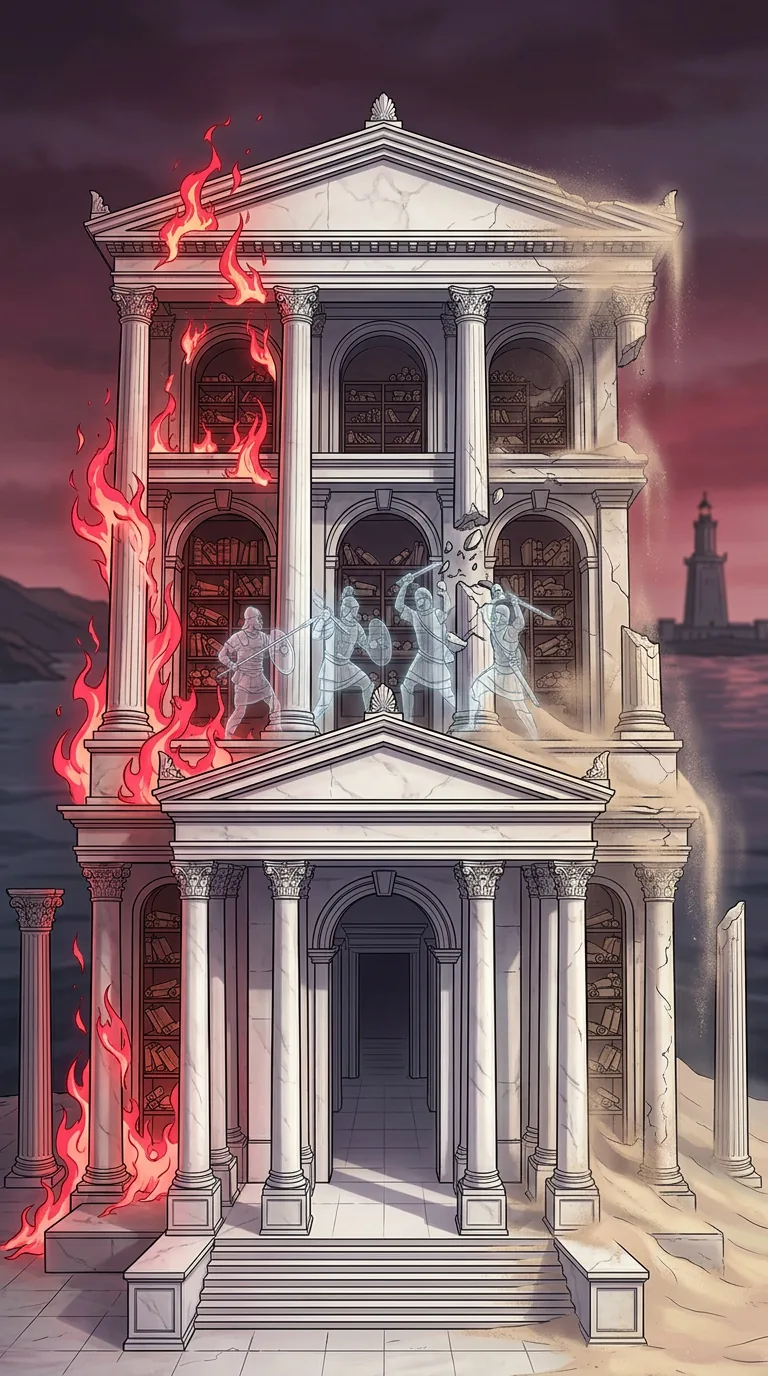
Caesar's fire in 48 BC, Aurelian's siege in 270 AD, and the Muslim conquest in 642 each took a piece. There was no single moment of loss — it was a slow erasure.

Oliver Cromwell's Puritan parliament outlawed Christmas celebrations in 1647. Festivities, decorations, and even special church services were criminal until Charles II restored the holiday in 1660.