NOW WATCHING

Literature · Facts

Switch
4.6kShare
Literature

Tolstoy's 'War and Peace' has 559 characters — and you're expected to keep them straight.

The novel runs over 1,200 pages and tracks five aristocratic families across the Napoleonic Wars. Translators add character lists at the front because even Russian readers get lost.

Swipe up or down to explore more
1kShare
Literature

Shakespeare invented over 1,700 words still used today — including 'eyeball' and 'lonely'.

He coined or first wrote down a vocabulary so vast that ordinary English without his contributions sounds incomplete. 'Swagger', 'cold-blooded' and 'arch-villain' are all his too.

1.5kShare
Literature

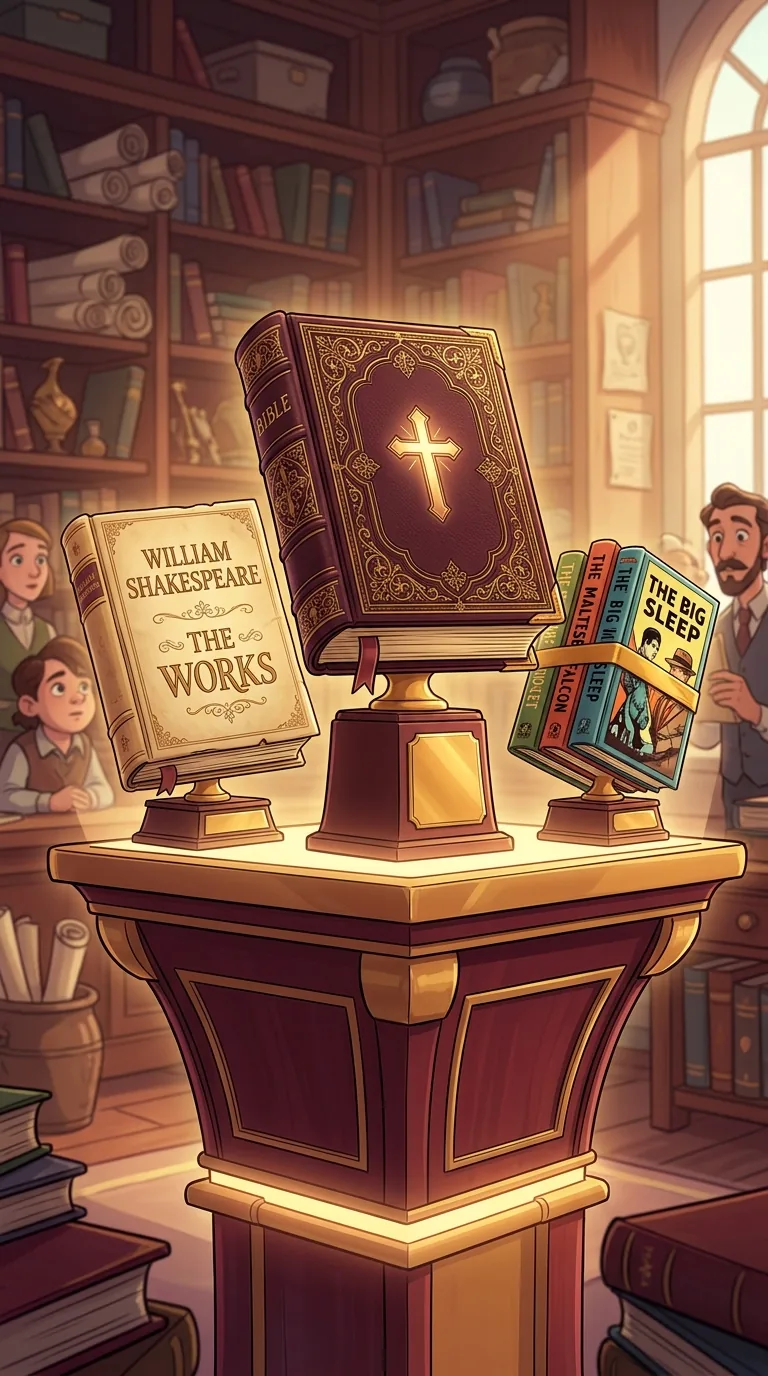
Agatha Christie outsold every author in history except Shakespeare and the Bible.

Her books have moved over 2 billion copies. Christie sits between scripture and Shakespeare in global sales — and she did it almost entirely with murder mysteries.

1.2kShare
Literature

Reading fiction measurably increases real-world empathy.

Studies show readers of literary fiction perform better on empathy and theory-of-mind tasks. Living inside other minds on the page trains the brain to do it off-page.

239Share
Literature

'Green Eggs and Ham' was written on a bet — using only 50 different words.

Dr Seuss's editor wagered he couldn't write a book with such a tiny vocabulary. Seuss won, the book sold over 8 million copies, and became one of the best-selling children's books ever.

2.4kShare
Literature

Kafka begged his friend to burn every word he ever wrote — the friend refused.

On his deathbed Kafka made Max Brod promise to destroy all his manuscripts. Brod published them instead. Without that betrayal, "The Trial" and "The Metamorphosis" would not exist.

1.2kShare
Literature

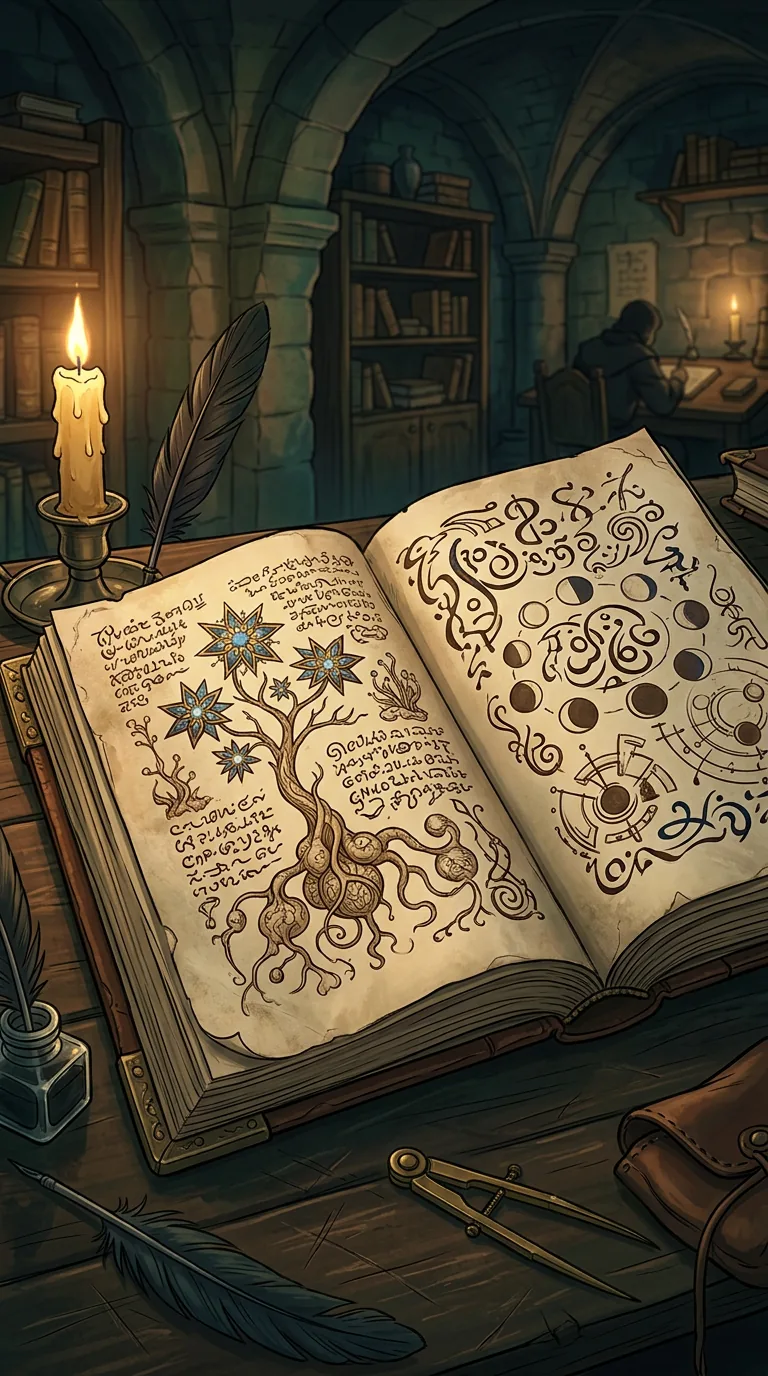
One book has resisted decoding for 600 years — written in a language no one has ever seen.

The Voynich Manuscript is filled with strange plants, naked women in green pools, and flowing script. Carbon-dating confirms it's real and from the 1400s — but cryptographers, AI, and the NSA have all failed to read it.

310Share
Literature

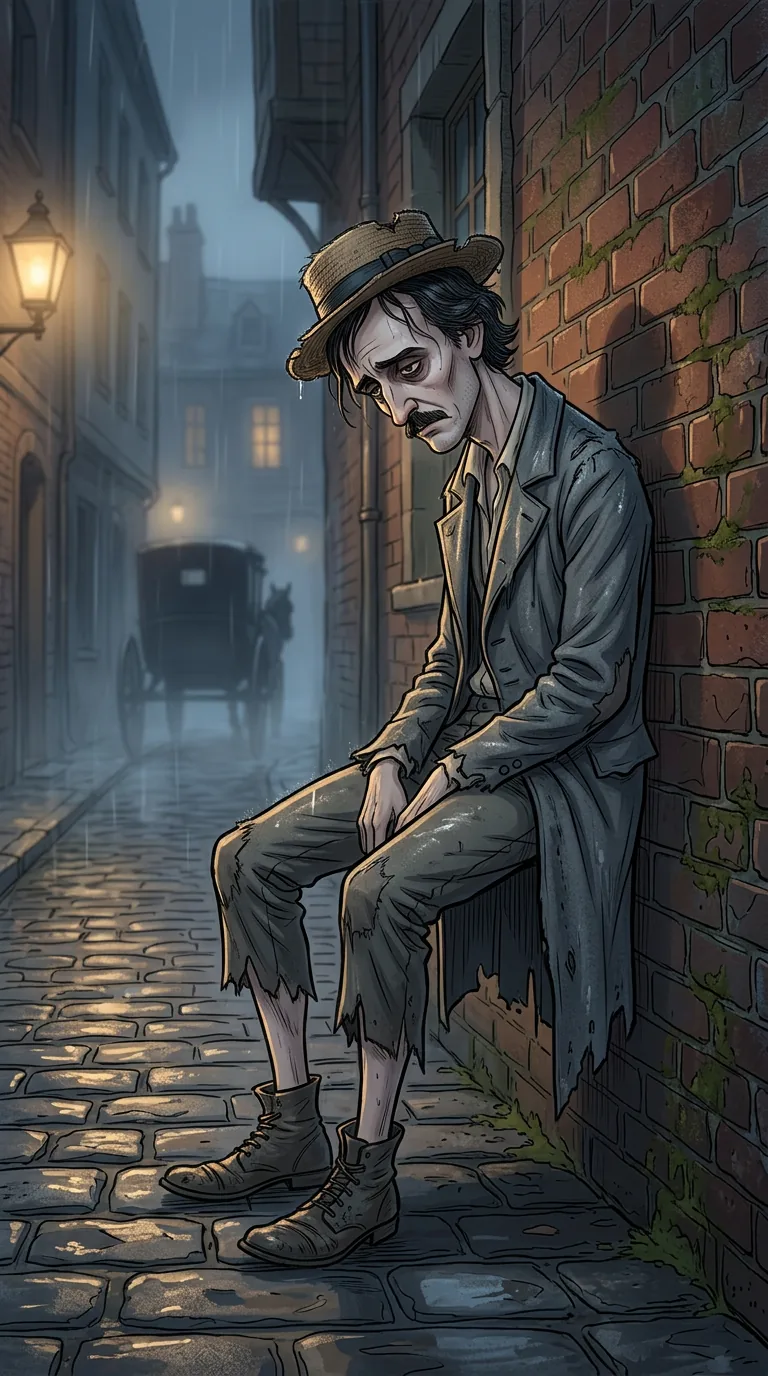
Edgar Allan Poe was found dying in another man's clothes — and no one knows why.

He vanished for six days in 1849, then appeared delirious on a Baltimore street, wearing a shabby suit that didn't fit him. He died days later muttering the name "Reynolds." His own death remains his most unsolved mystery.

230Share
Literature

A reclusive janitor secretly wrote the longest novel in history — 15,000 pages.

Henry Darger lived alone in Chicago and was discovered after his death to have written and illustrated "In the Realms of the Unreal." It's longer than every other novel combined. He never let anyone read a page of it.

410Share
Literature

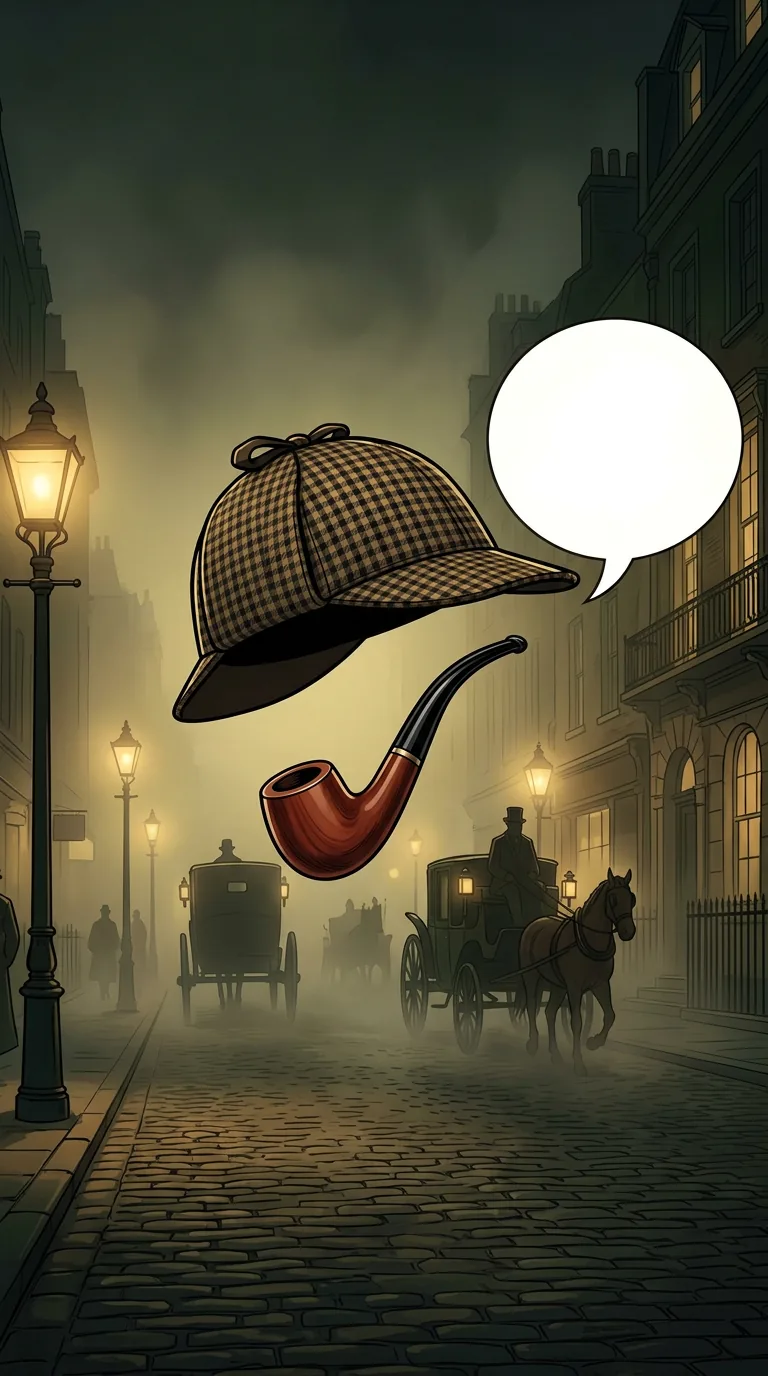
Sherlock Holmes never said "Elementary, my dear Watson" in any of the books.

He says "elementary" alone, and addresses Watson, but never strings the famous phrase together. It first appears in a 1929 film — and the world has misremembered it ever since.

222Share
Literature

J. K. Rowling was rejected by 12 publishers — one told her not to quit her day job.

The 13th publisher only took Harry Potter because the chairman's eight-year-old daughter loved the first chapter. The series has since sold over 600 million copies.

3.7kShare
Literature

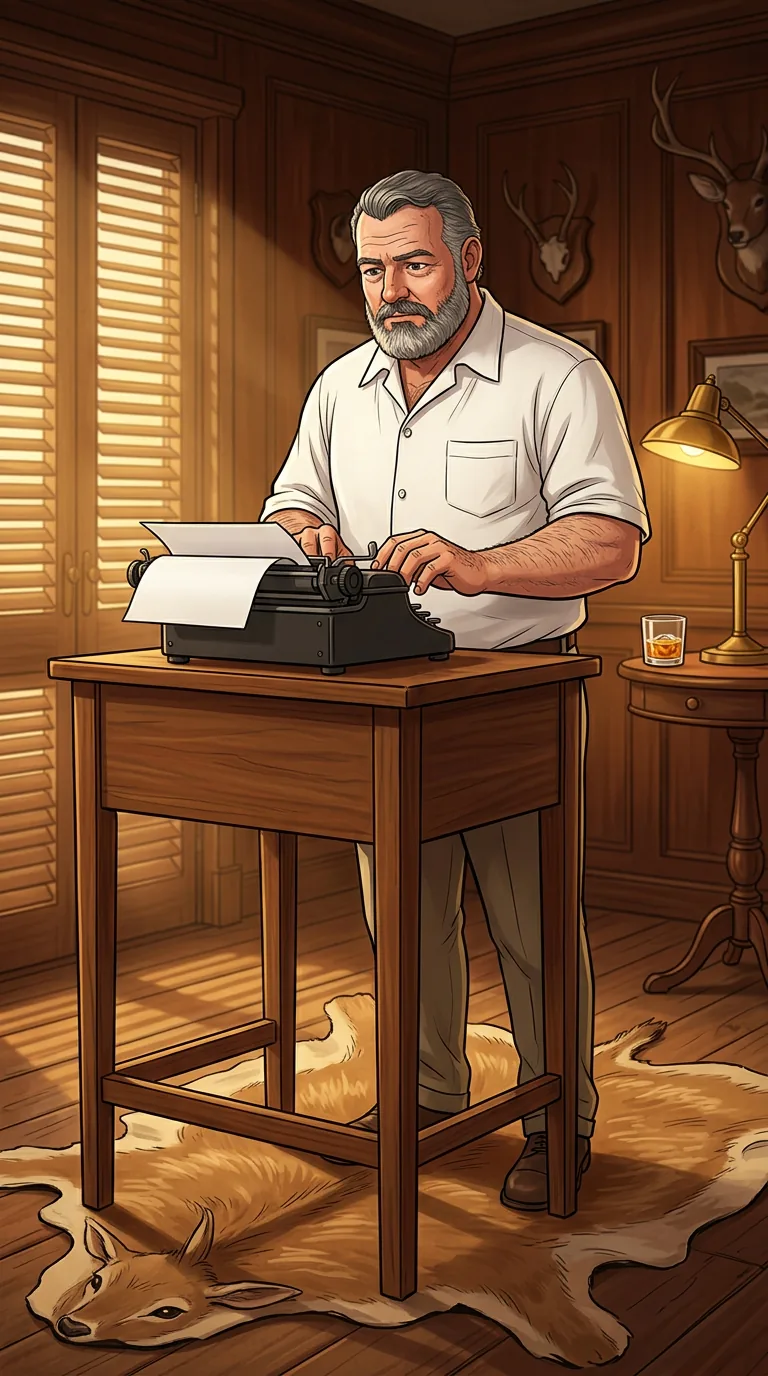
Hemingway wrote every novel standing up.

He believed sitting down made writing soft and lazy. His desk was waist-high, his typewriter on top, and he stood on a kudu skin until the work was done. His longest sessions sometimes lasted 8 hours upright.

4.1kShare
Literature

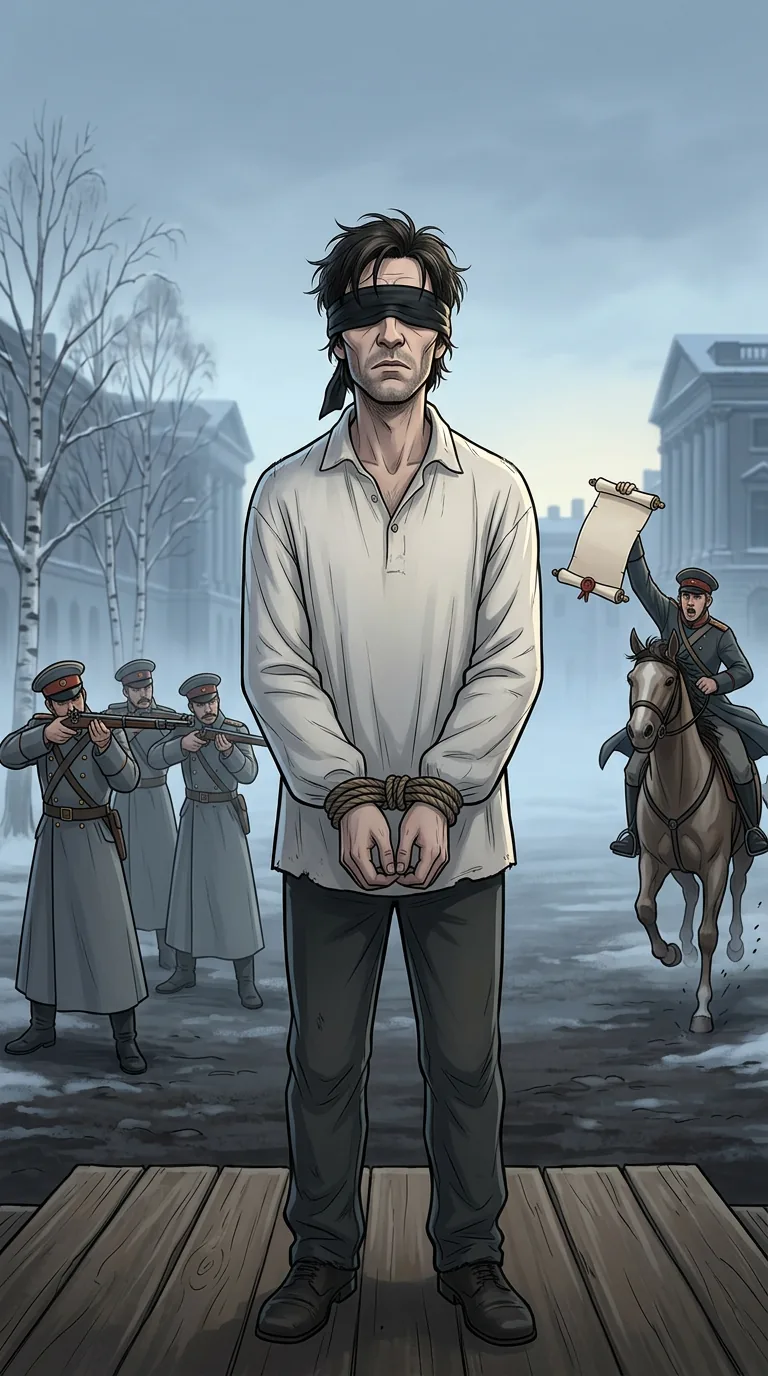
Dostoevsky was on the firing-squad scaffold when his execution was cancelled at the last second.

He had been sentenced for reading banned books in Tsarist Russia. The reprieve was theatrical cruelty — Nicholas I let him wait, blindfolded, before commuting the sentence. The trauma shaped every novel he wrote afterward.

430Share
Literature

Great Expectations originally ended in heartbreak — Dickens rewrote it after a friend complained.

The first ending had Pip and Estella parting forever. Bulwer-Lytton told Dickens it was too bleak. The published version lets them meet again — and readers have argued for 150 years over which is better.

3kShare
Literature

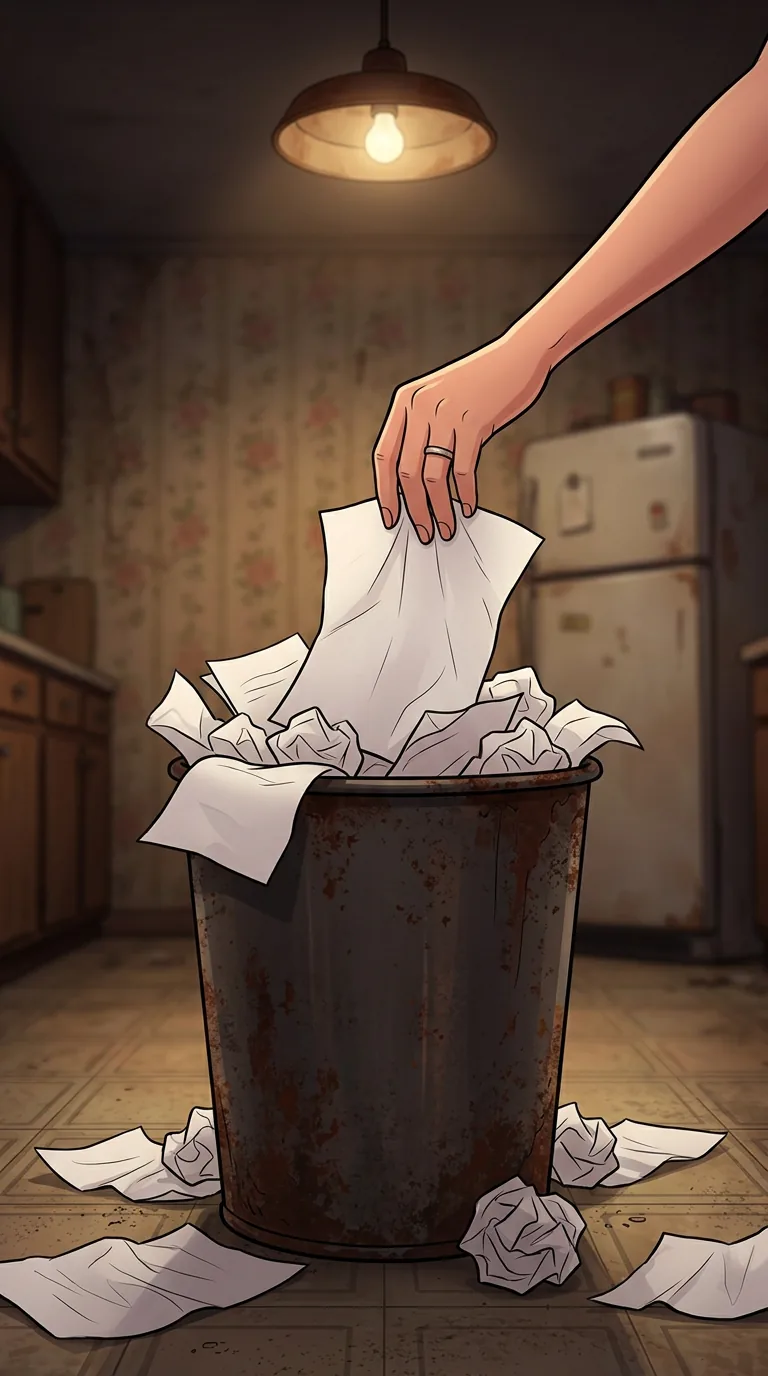
Stephen King threw the manuscript of Carrie in the trash. His wife dug it out.

He was a high-school teacher convinced the story was bad. His wife Tabitha fished the pages from the bin and made him finish it. That book launched his career and sold over 4 million copies.

1.1kShare
Literature

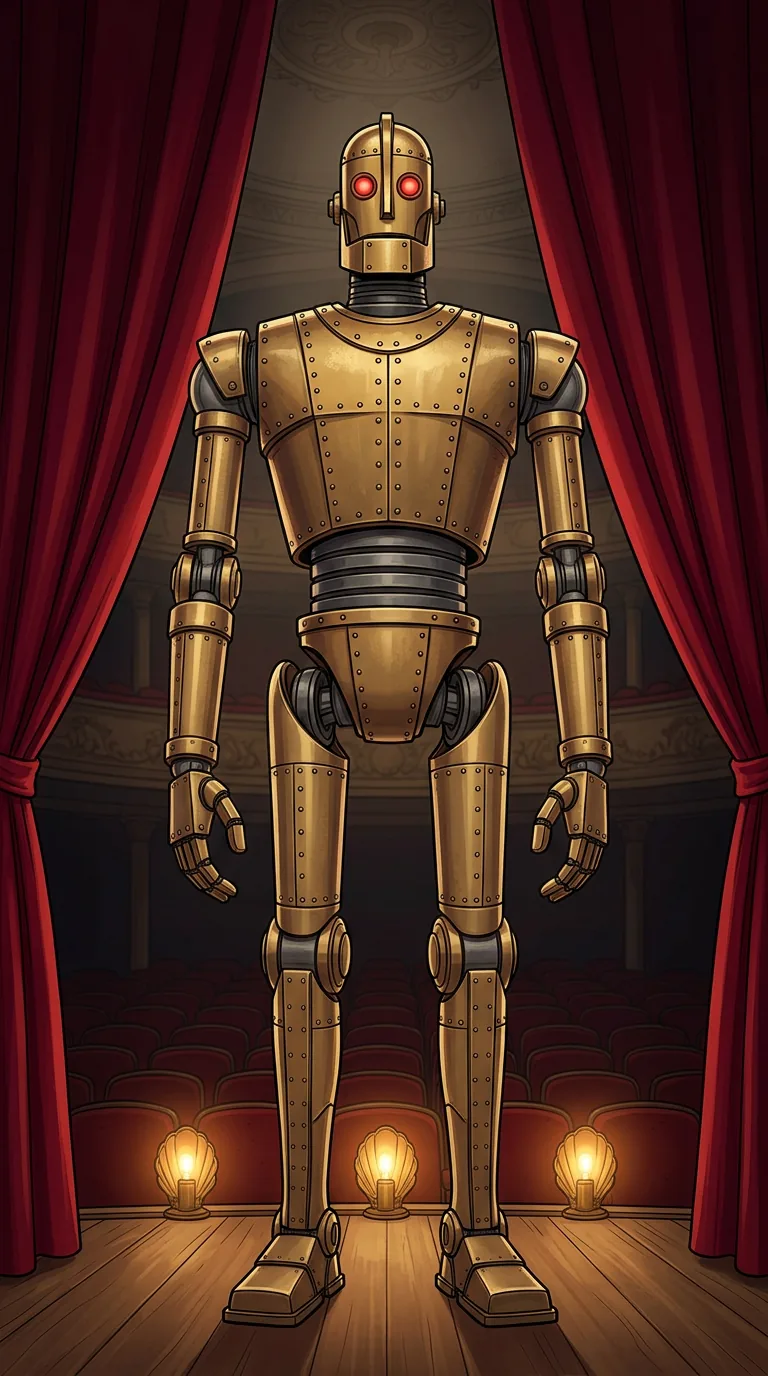
The word "robot" was invented by a Czech playwright in 1920.

Karel Čapek's brother coined "robot" from the old Slavic word for forced labor. The play was about artificial workers who rebel and wipe out humanity. The word entered every language on Earth.

830Share
Literature

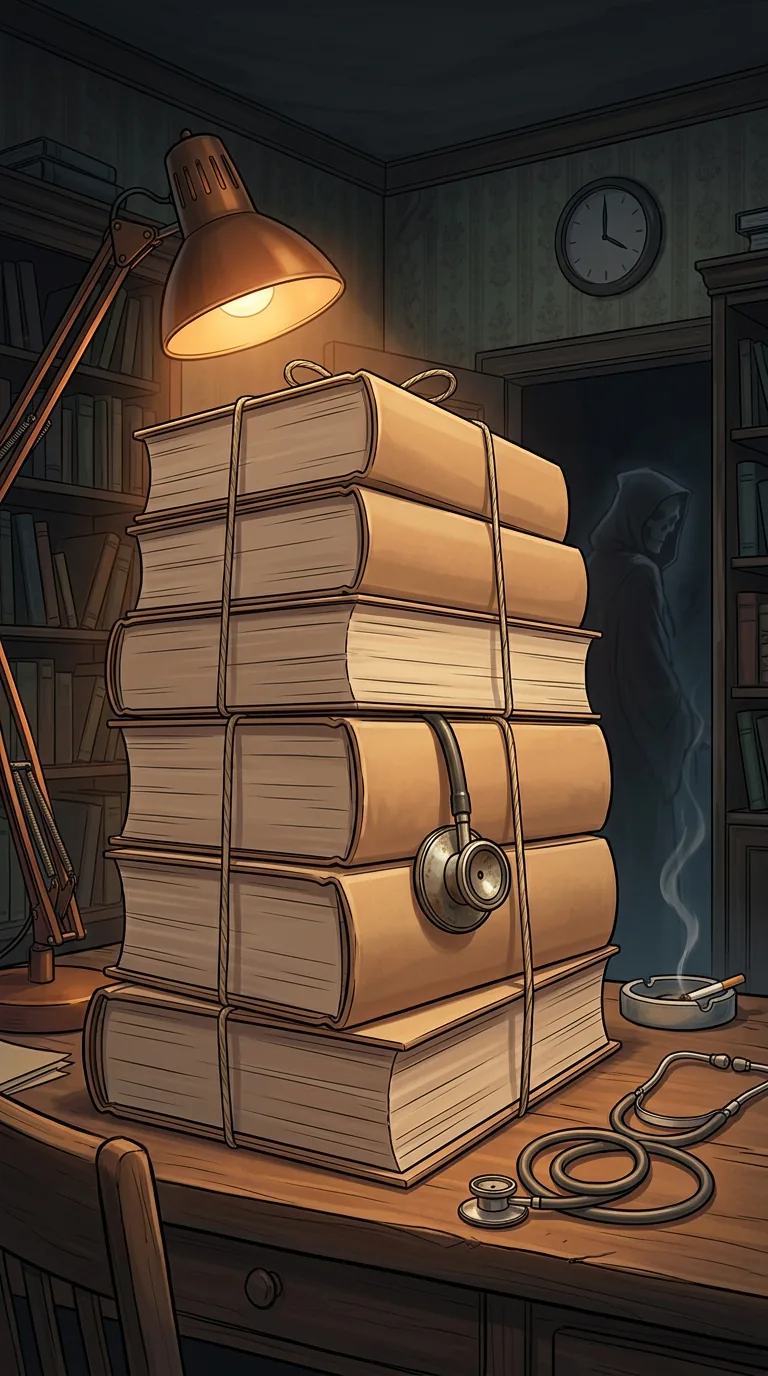
Anthony Burgess wrote "A Clockwork Orange" in three weeks — thinking he was dying.

Doctors gave him a year. He typed five novels in twelve months to leave his wife royalty money. The diagnosis was wrong. He lived another 33 years and wrote 30 more books.

3.5kShare
Literature

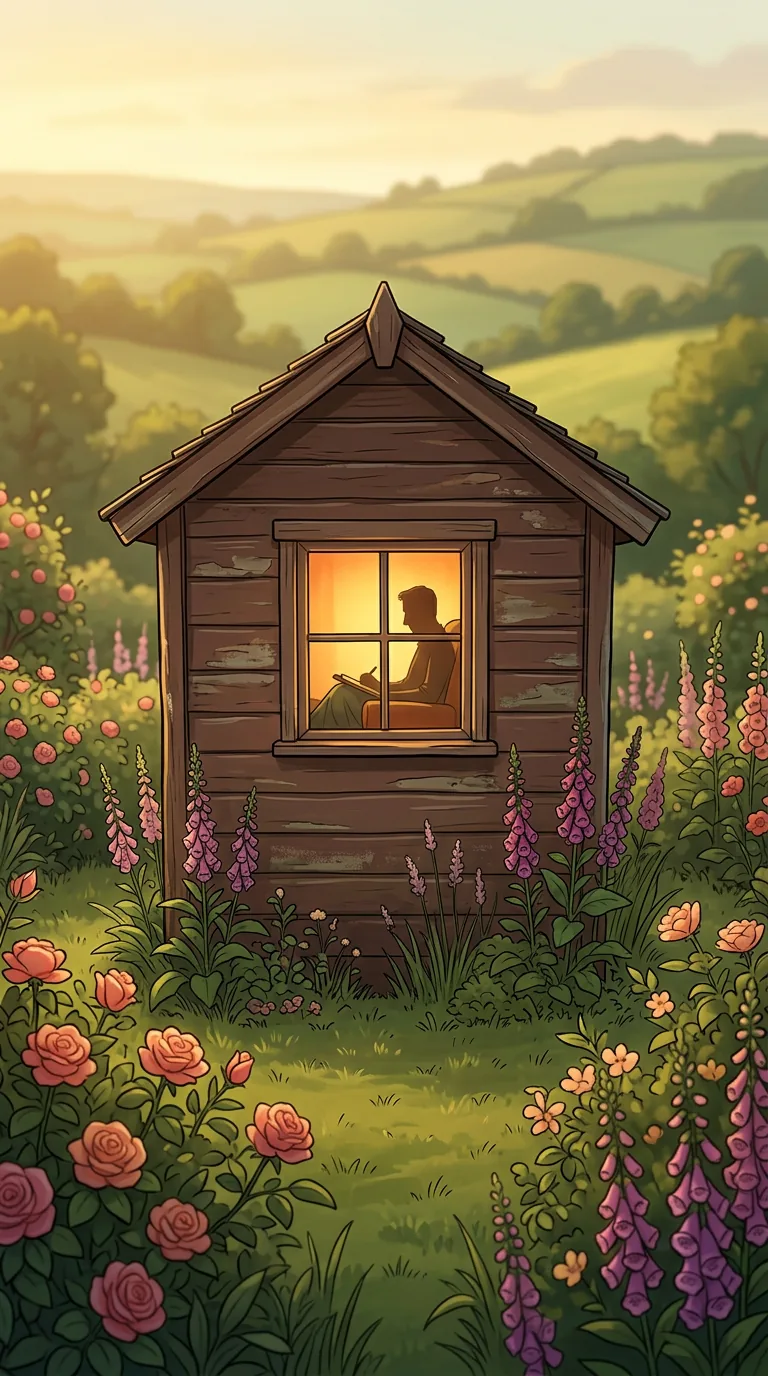
Roald Dahl wrote every book in a tiny 6×7 foot shed at the bottom of his garden.

He called it his "nest." He sat in an armchair, kept his feet in a sleeping bag, and used a board across his lap as a desk. The hut still stands — exactly as he left it.

3.7kShare
Literature

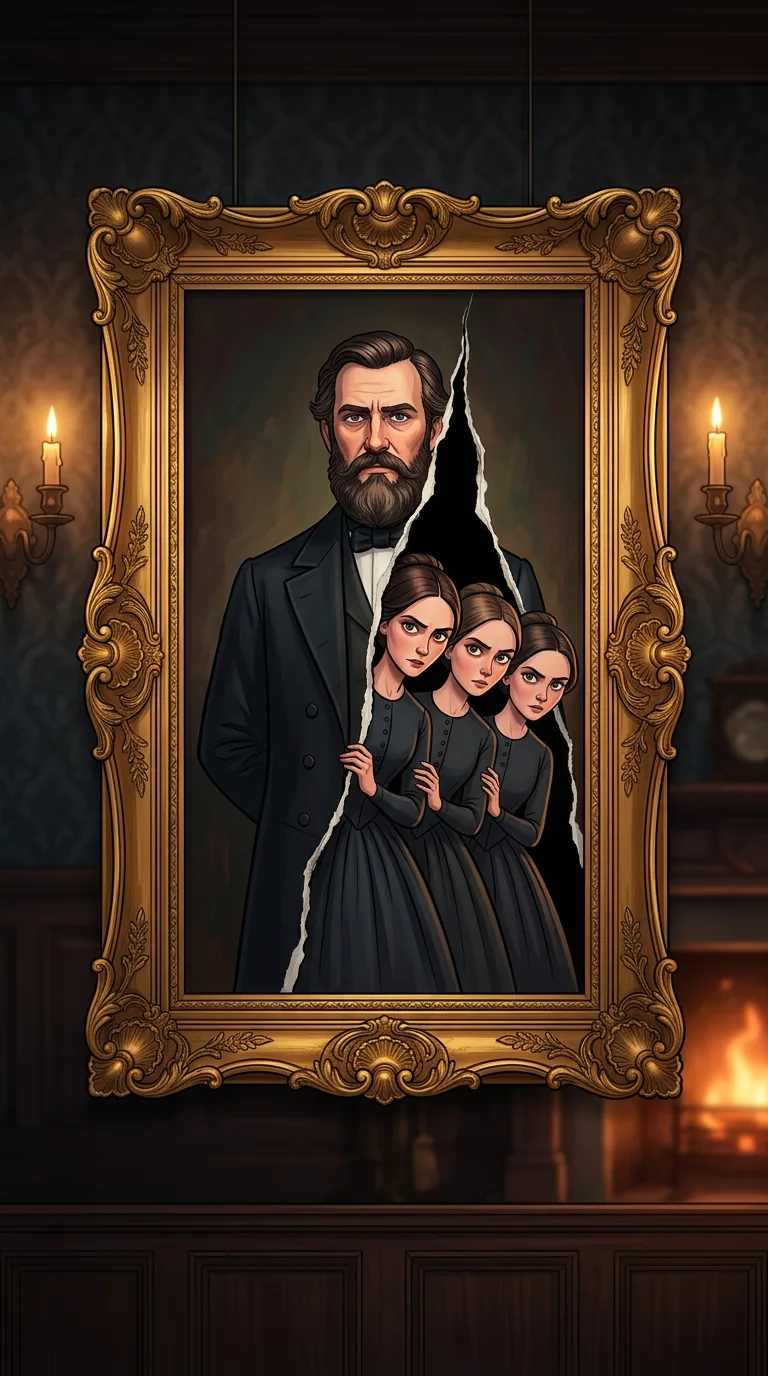
The Brontë sisters published as men — and one publisher thought they were all the same person.

Charlotte, Emily, and Anne signed their books "Currer, Ellis, and Acton Bell." Reviewers debated if "Mr. Bell" was a recluse, an alcoholic, or three brothers. The truth came out only when one of them was confused for another at a publisher's office.

2.5kShare
Literature

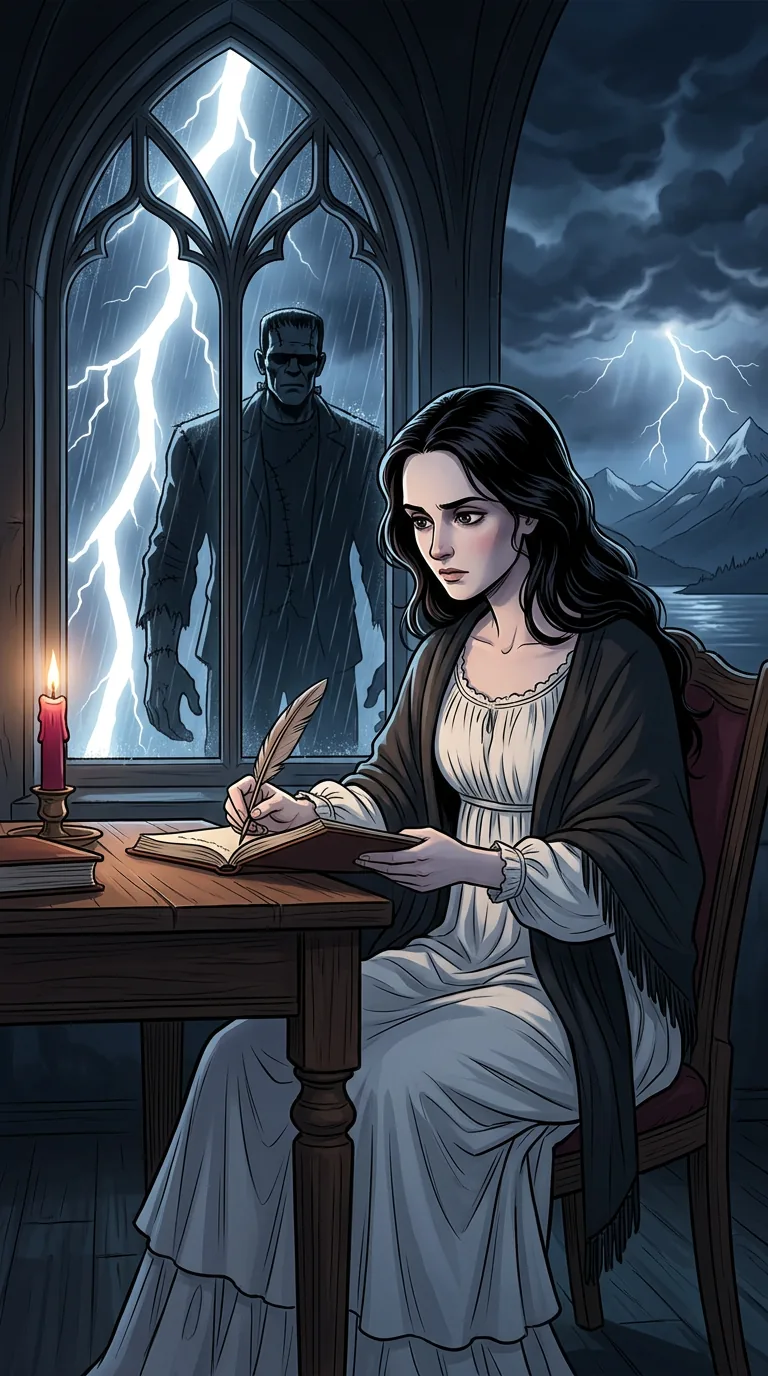
Frankenstein was written by an 18-year-old during a single rainy ghost-story contest.

Mary Shelley spent the summer of 1816 trapped indoors with Lord Byron near Lake Geneva. He proposed each guest write a horror story. Hers was the only one anyone remembers — and it invented modern science fiction.

1kShare
Literature

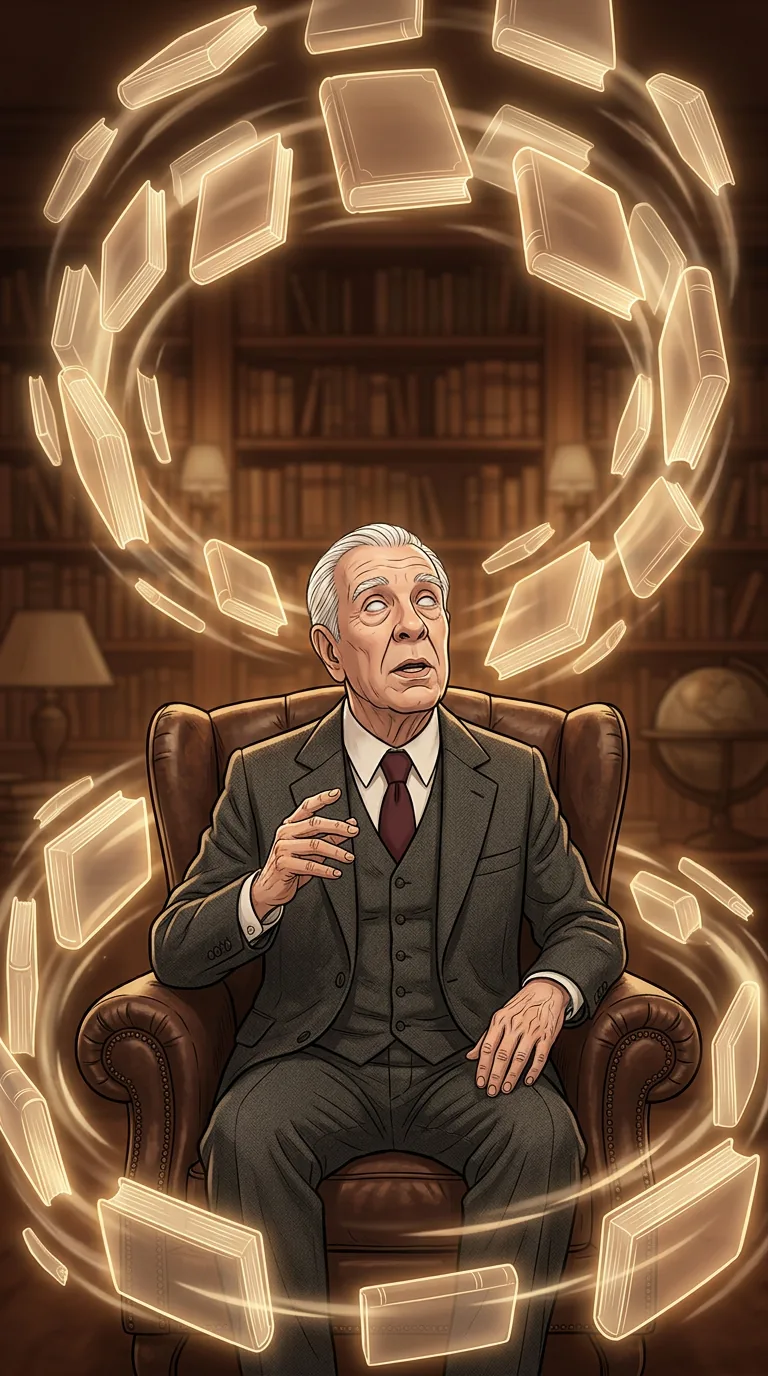
Borges went completely blind in middle age — and wrote his best work by dictation.

He could not see the page but kept composing in his head. His mother and assistants wrote down his sentences. He said going blind was "a slow nightfall" — and that he never stopped seeing books.

3.2kShare
Literature

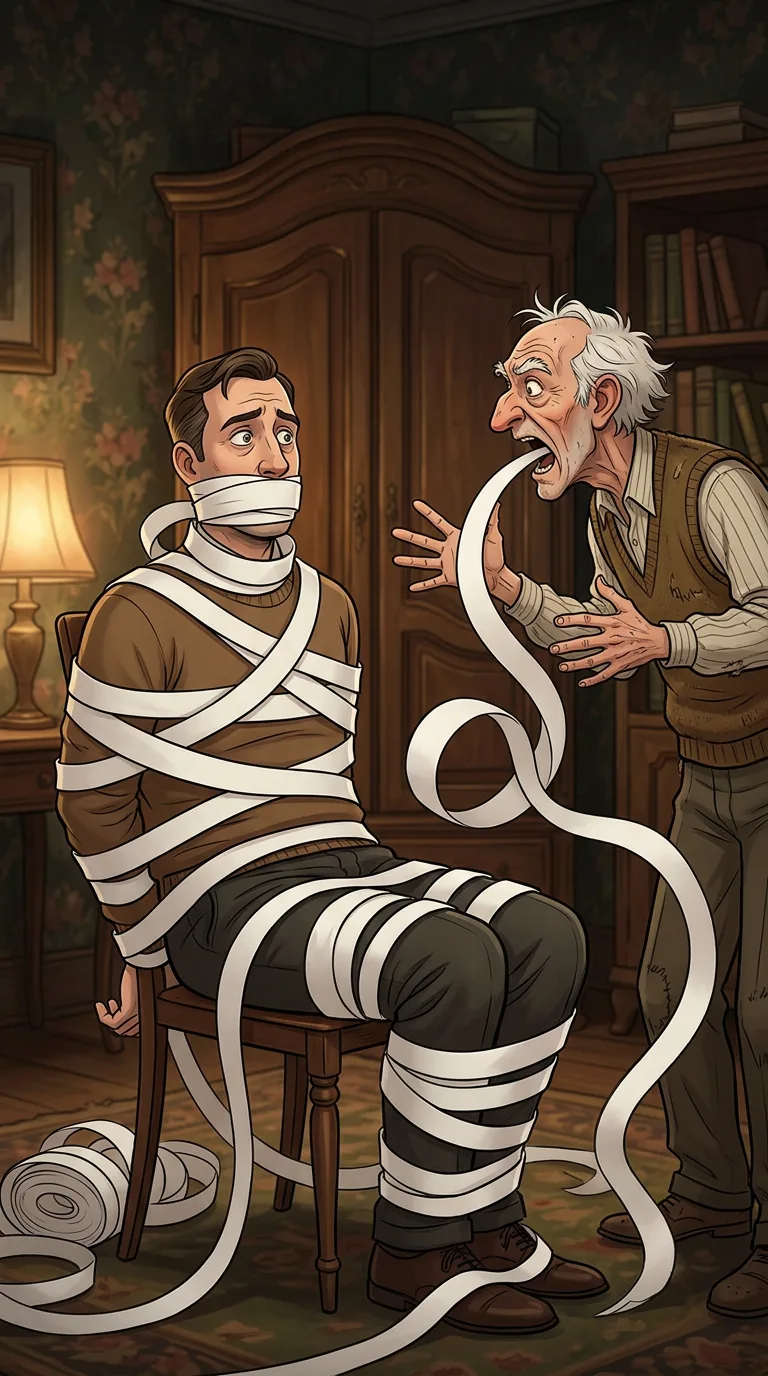
The longest sentence in literature runs 13,955 words — one paragraph, no period.

Czech writer Bohumil Hrabal wrote "Dancing Lessons for the Advanced in Age" as a single unbroken stream of an old man's stories. The full novel is one sentence. Readers say it feels like sitting trapped beside the talker.

1.6kShare
Literature

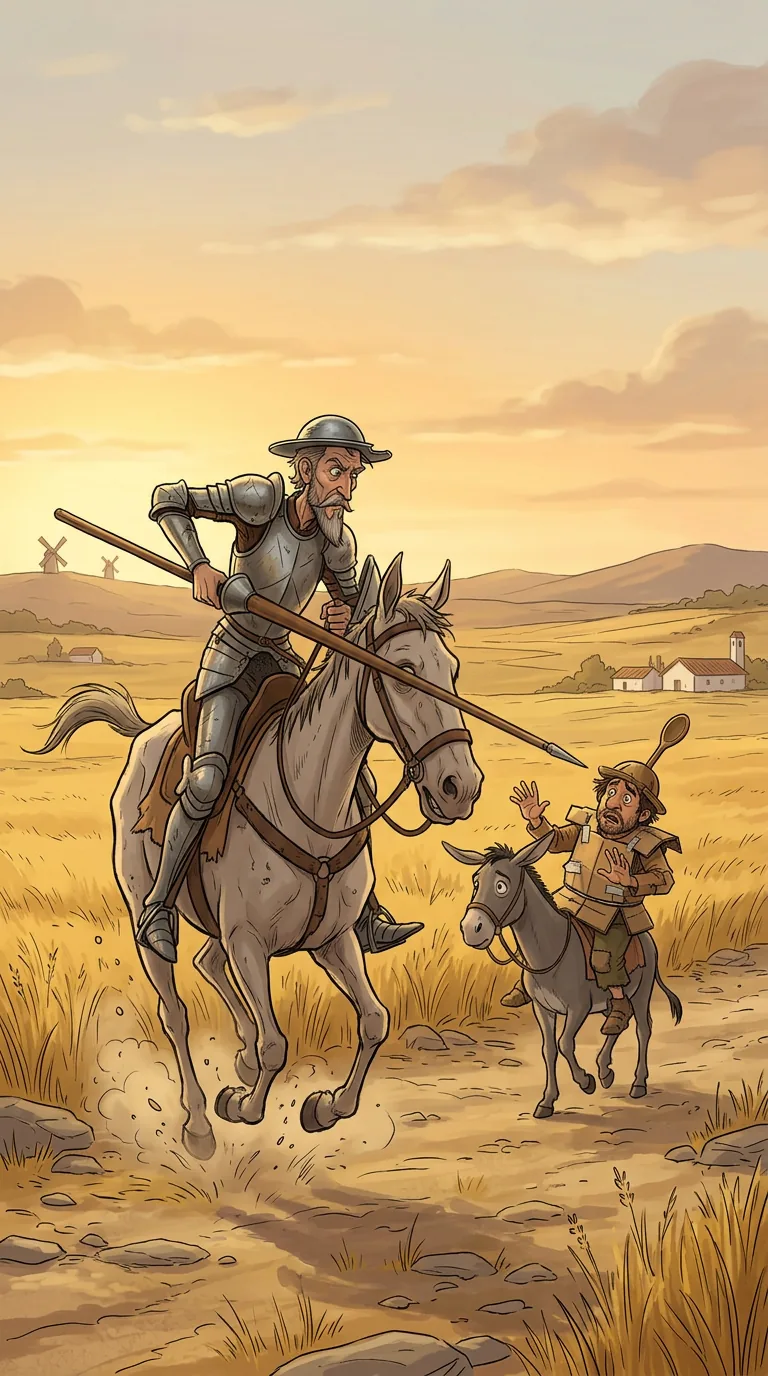
A fake sequel to Don Quixote forced Cervantes to write the real Part 2.

Ten years after the first book, an unknown author published a counterfeit continuation. Cervantes was furious. His real Part 2 ridicules the fake throughout — and even has characters discuss the imposter version.

164Share
Literature

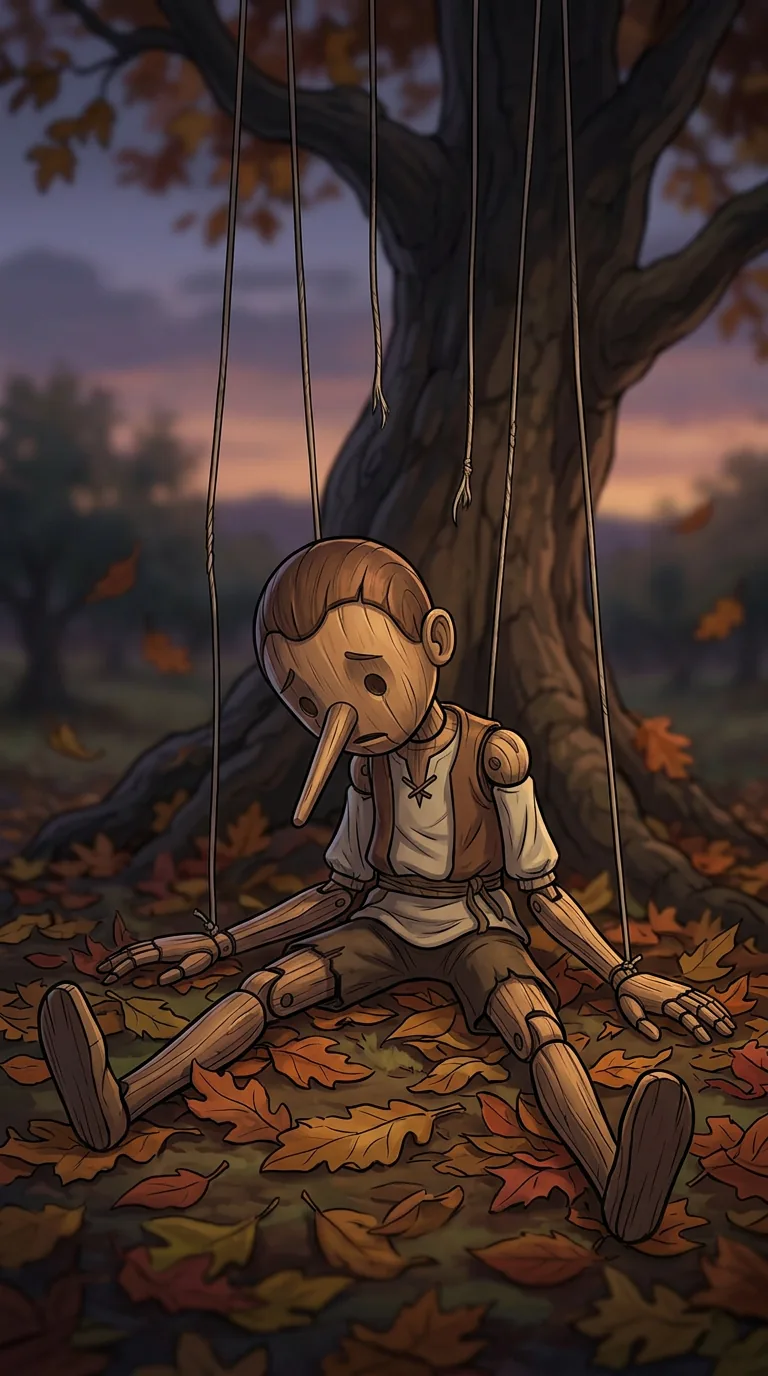
The original Pinocchio was hanged from a tree — the story was supposed to end there.

Carlo Collodi's first version ended with the puppet dangling from an oak in chapter 15. Children wrote in begging for mercy. Collodi was paid to keep writing and the cheerful Disney version came nearly 60 years later.

224Share
Literature

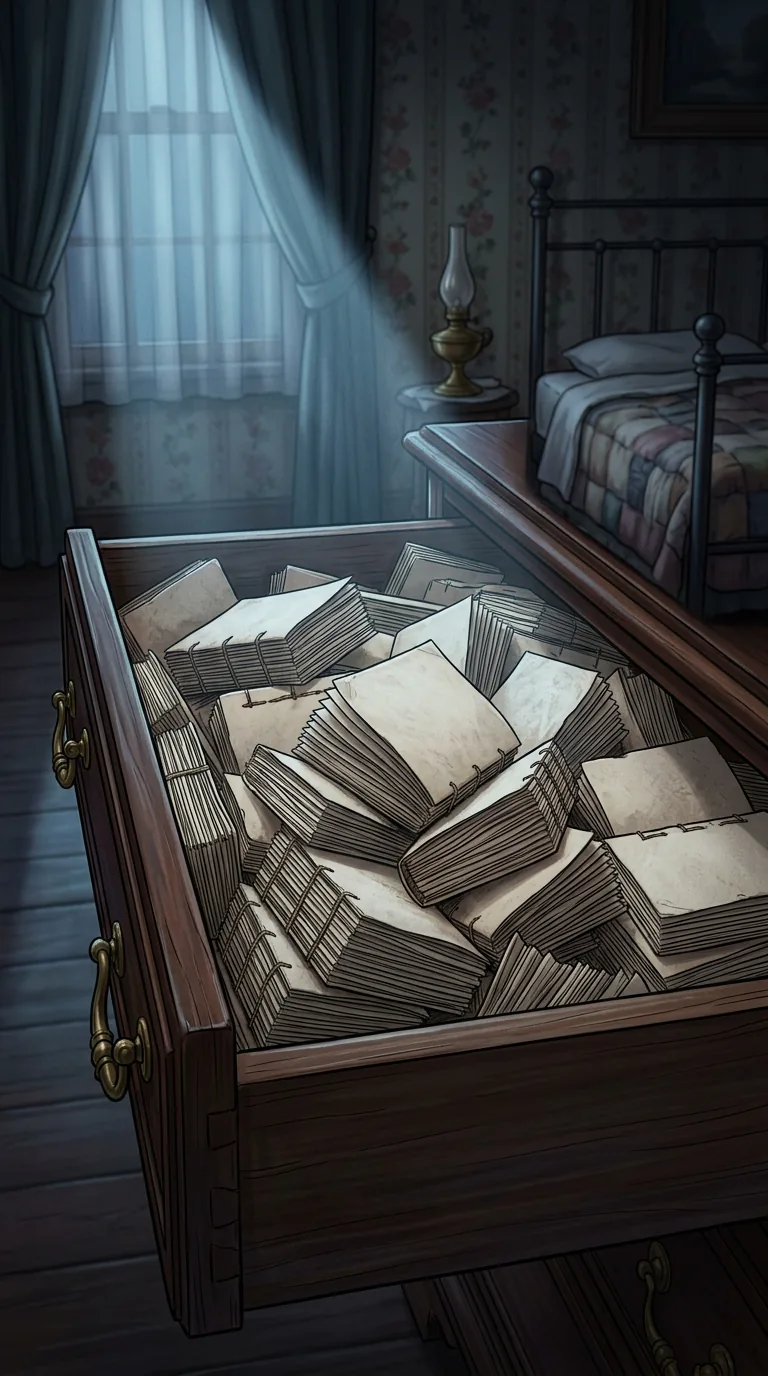
Emily Dickinson published 10 poems in her lifetime — and 1,800 were found in a drawer after she died.

She spent her last 20 years almost entirely in her bedroom, writing on scraps of paper and stitching them into tiny hand-bound booklets. Her sister found the bundle the day after she died and almost burned them.