NOW WATCHING

Music · Facts

Switch
160Share
Music

Music releases dopamine in the same brain region as food and sex.

fMRI studies of chills triggered by favourite songs light up the nucleus accumbens — the brain's primary reward centre. Music is, neurologically, a survival-grade pleasure.

Swipe up or down to explore more
298Share
Music

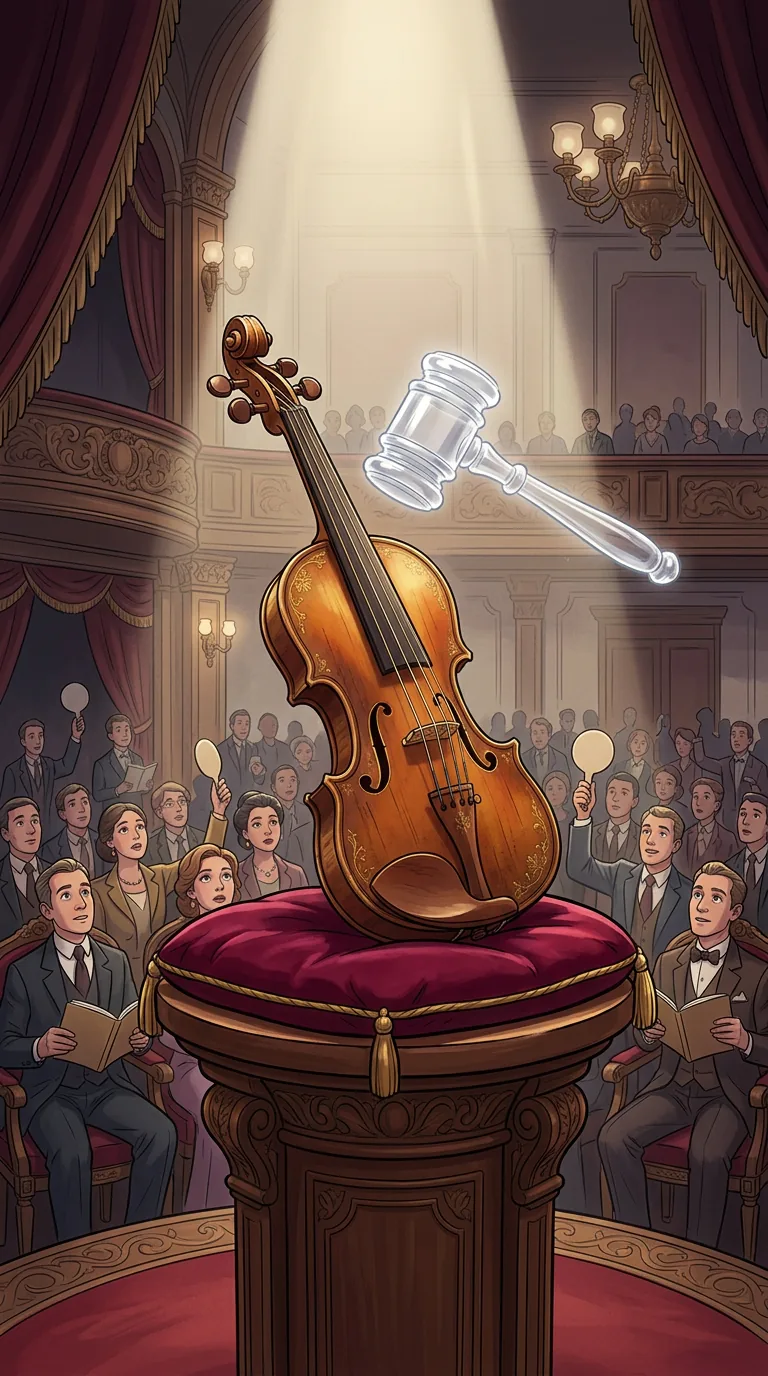
The most expensive instrument ever sold was a 300-year-old violin — for $16 million.

The 'Lady Blunt' Stradivarius sold in 2011. Antonio Stradivari's instruments outperform modern ones in price but in blind tests — surprisingly — not always in sound.

151Share
Music

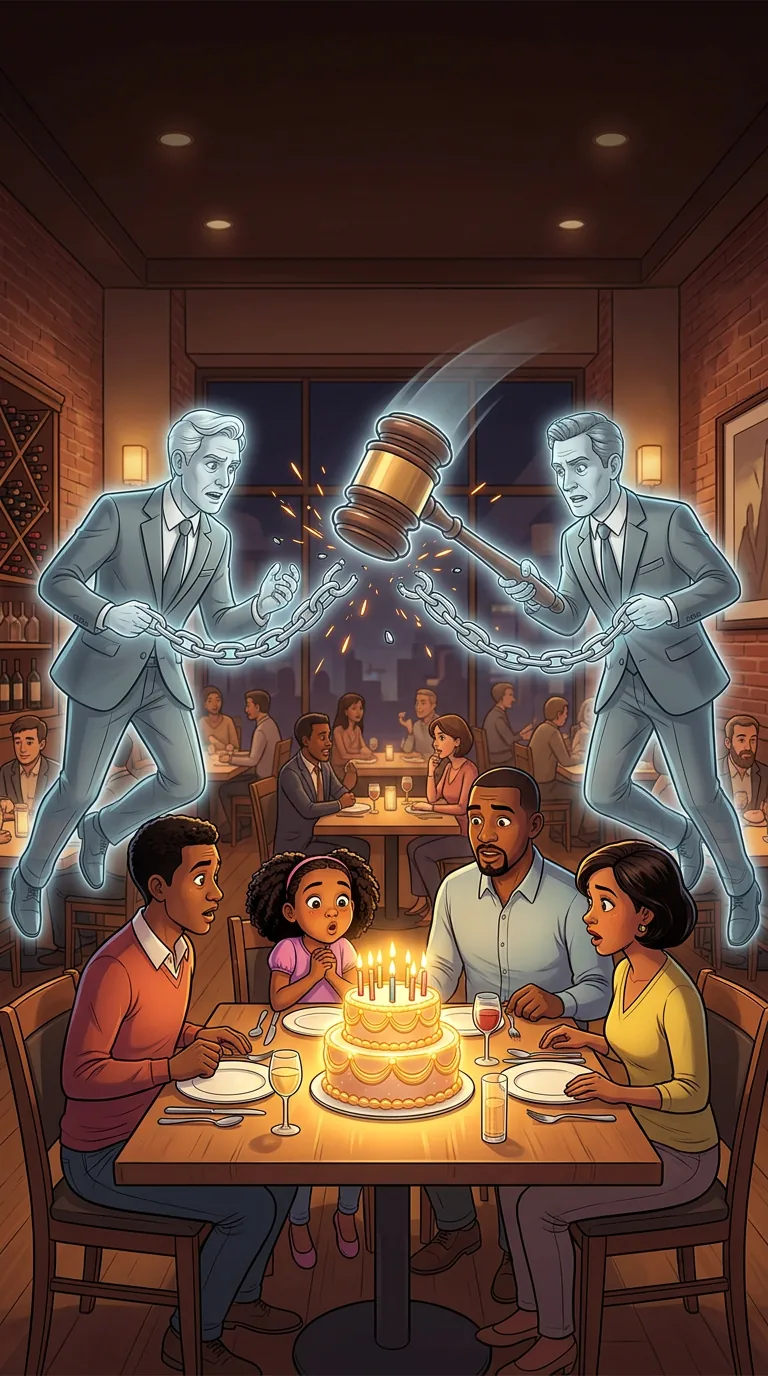
'Happy Birthday' was under copyright until 2016 — Warner Music collected millions for it.

For nearly a century, every restaurant singing it owed royalties. A 2016 court ruling pushed the song into public domain. Now nobody has to look around nervously before the candles.

1.7kShare
Music

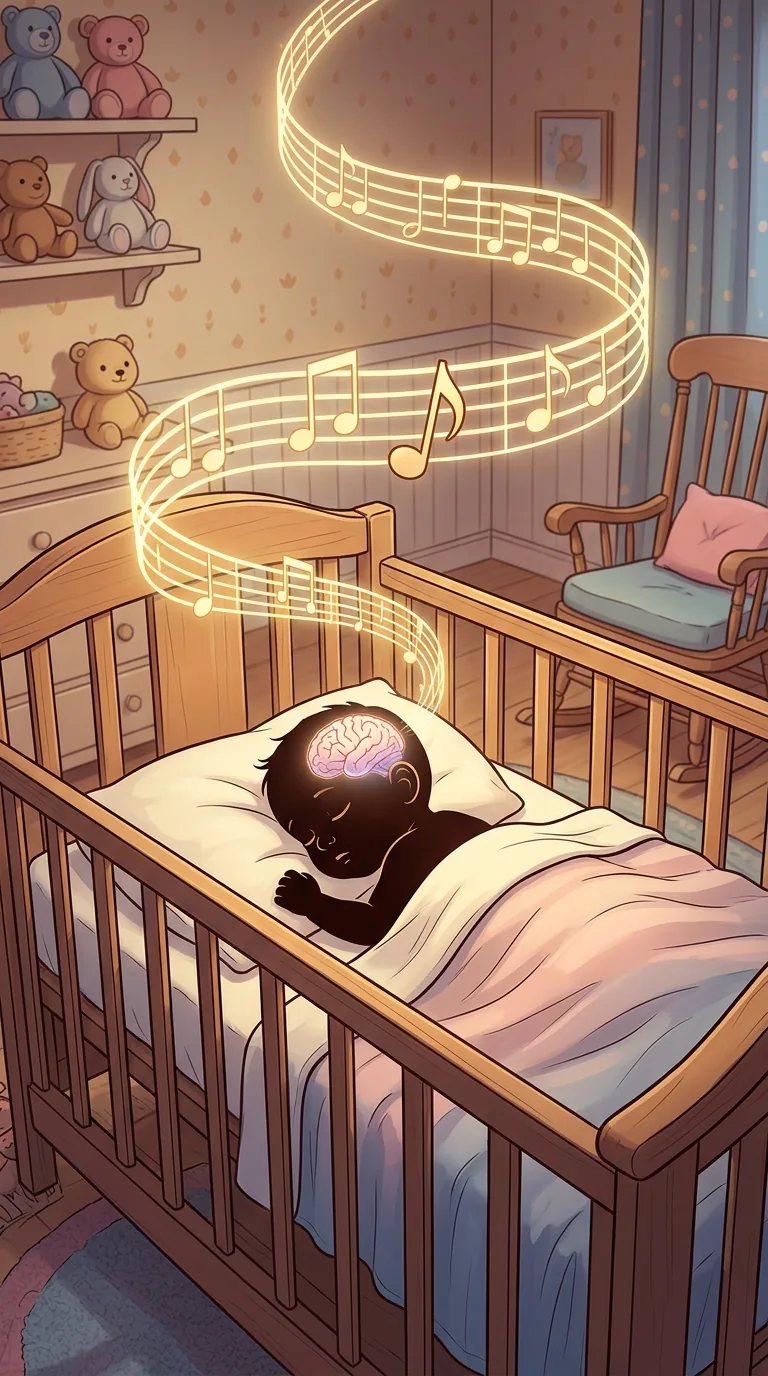
Babies as young as 5 months can detect a wrong note in a melody.

Studies of infant brain activity show responses to tonal violations long before language. Musical perception appears to be a deep, pre-verbal cognitive ability.

4.4kShare
Music

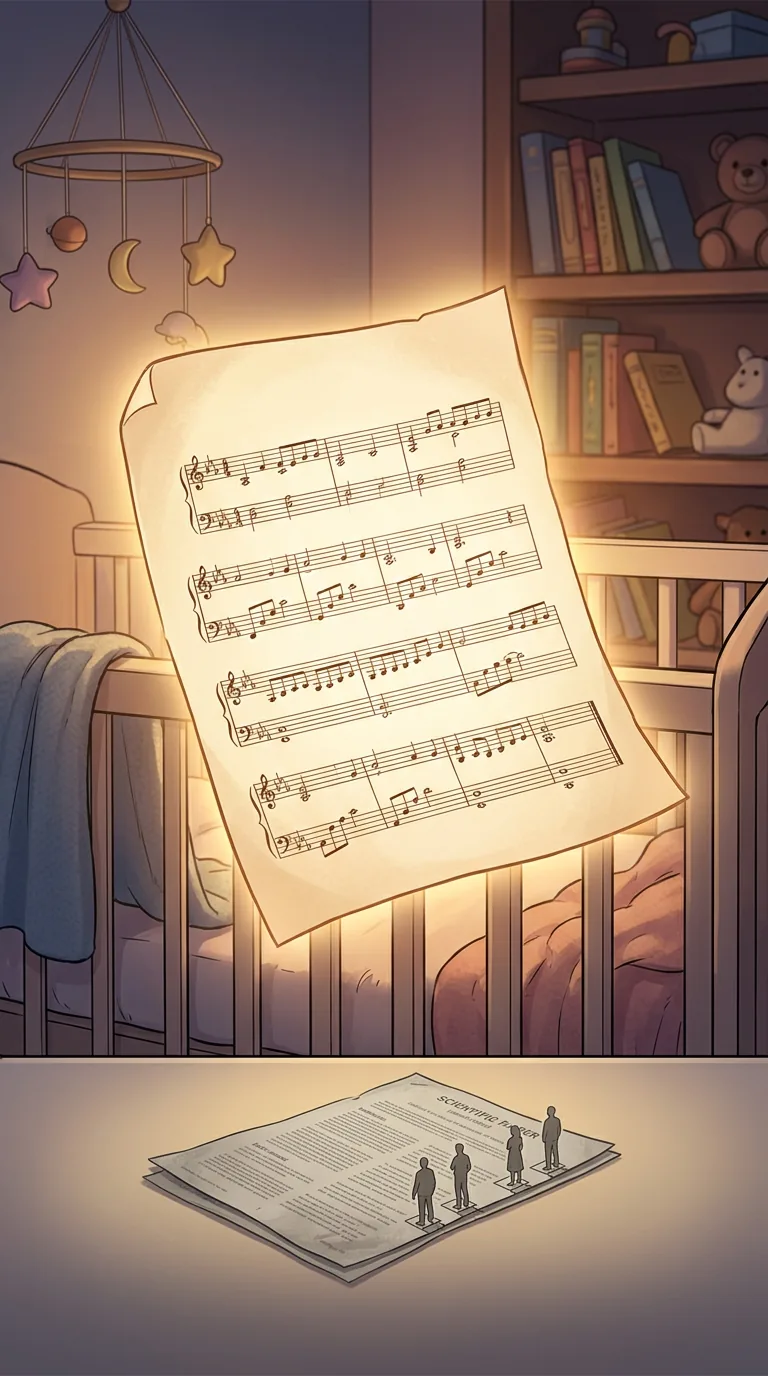
The 'Mozart Effect' was a small study, badly reported, that never replicated.

The original 1993 paper measured adults, not babies, and showed a 15-minute spatial-task boost. Marketing did the rest. The science behind 'baby Mozart' is essentially nothing.

154Share
Music

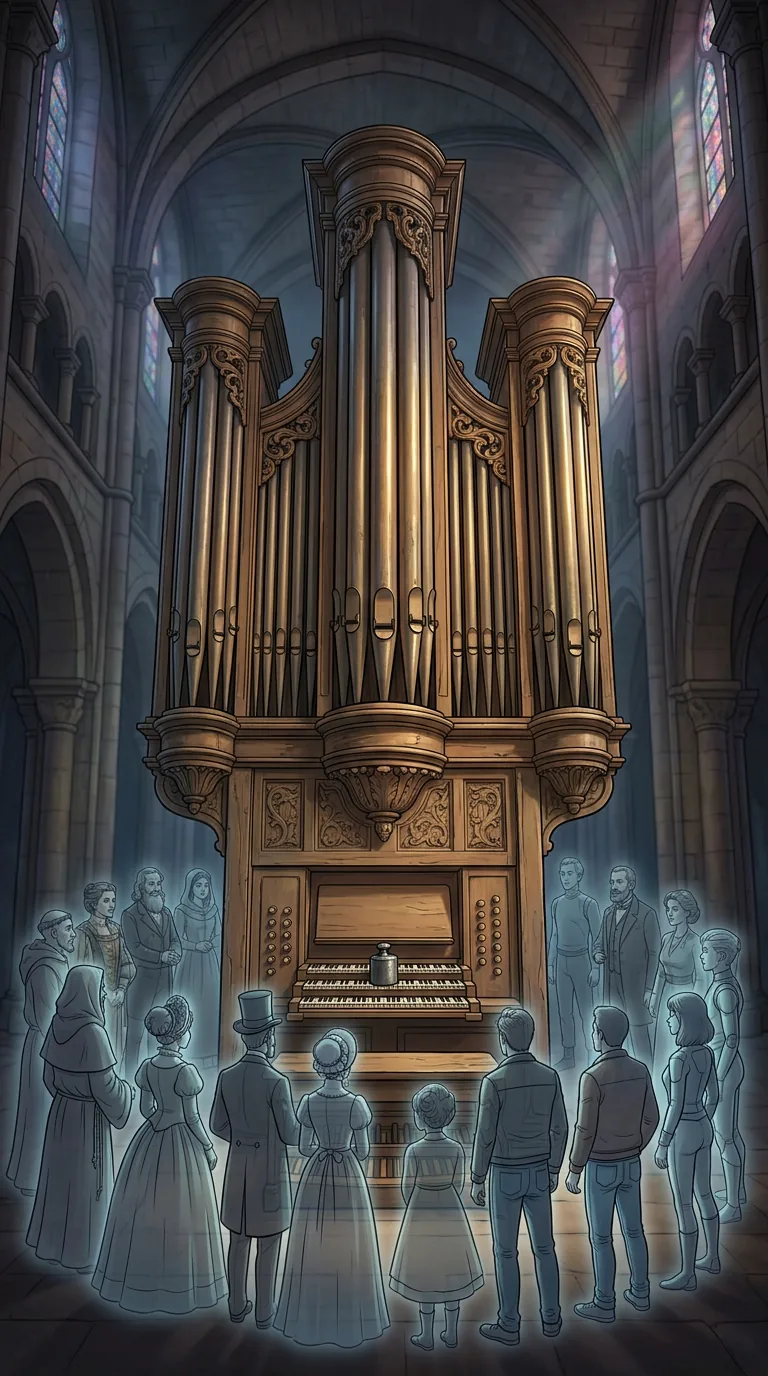
The world's longest concert started in 2001 and won't end until the year 2640.

John Cage's organ piece 'As Slow As Possible' is being performed in a German church one chord at a time. Visitors travel for years just to hear the next change in note.

1.2kShare
Music

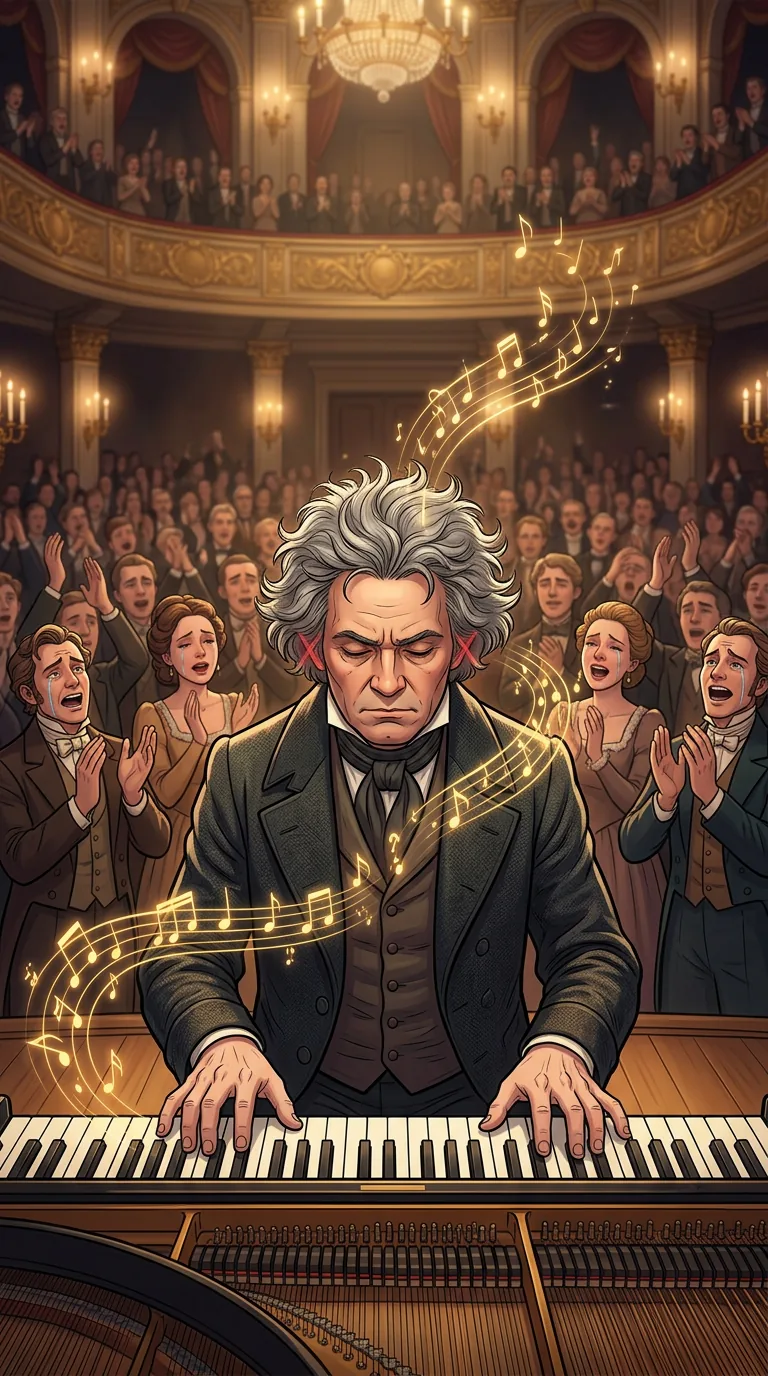
Beethoven composed his Ninth Symphony completely deaf.

He couldn't hear the orchestra performing it or the audience applauding at the premiere. A singer had to turn him around to see the standing ovation behind his back.

800Share
Music

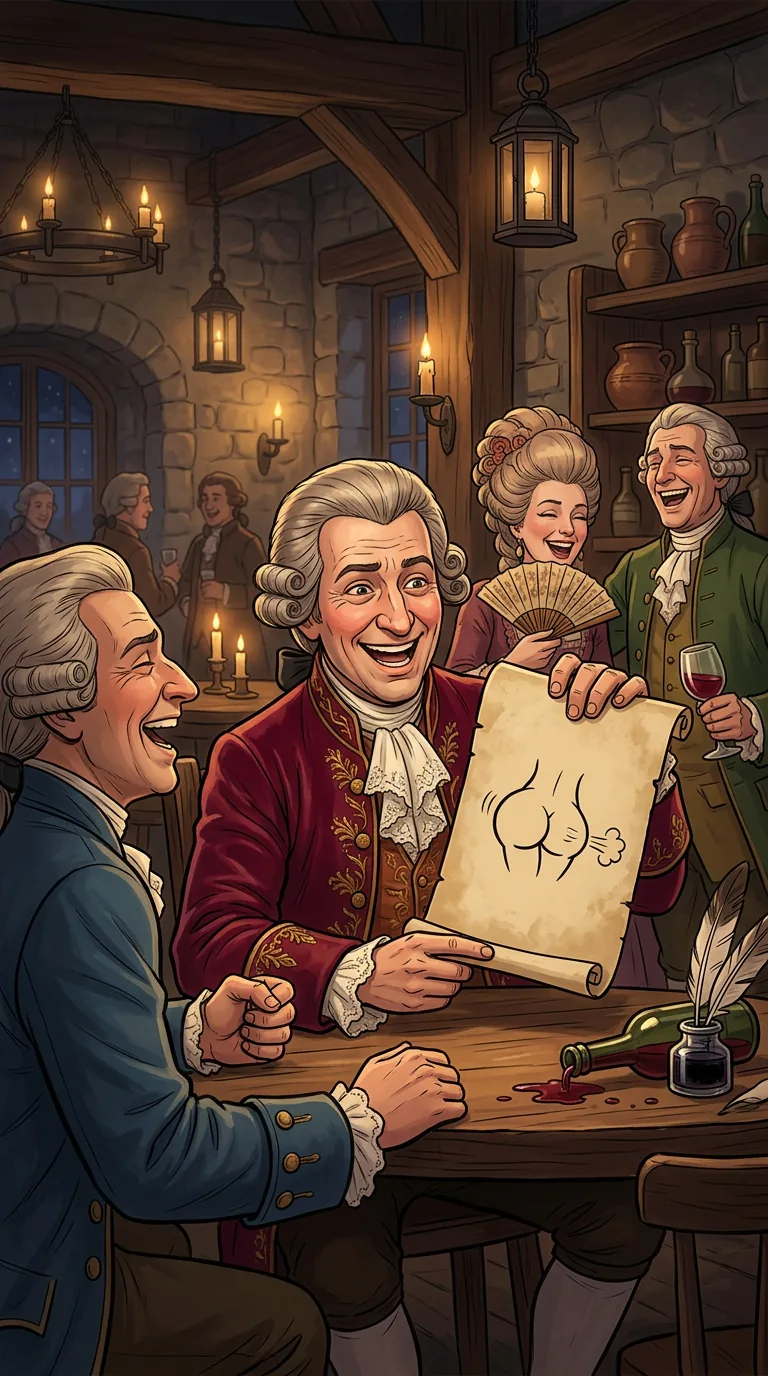
Mozart wrote a song titled 'Lick My Ass' — and meant it literally.

Catalog number K.231 is a real Mozart canon, full of crude jokes and profanity. He wrote it for friends as drinking-party entertainment. Publishers hid it for two centuries.

910Share
Music

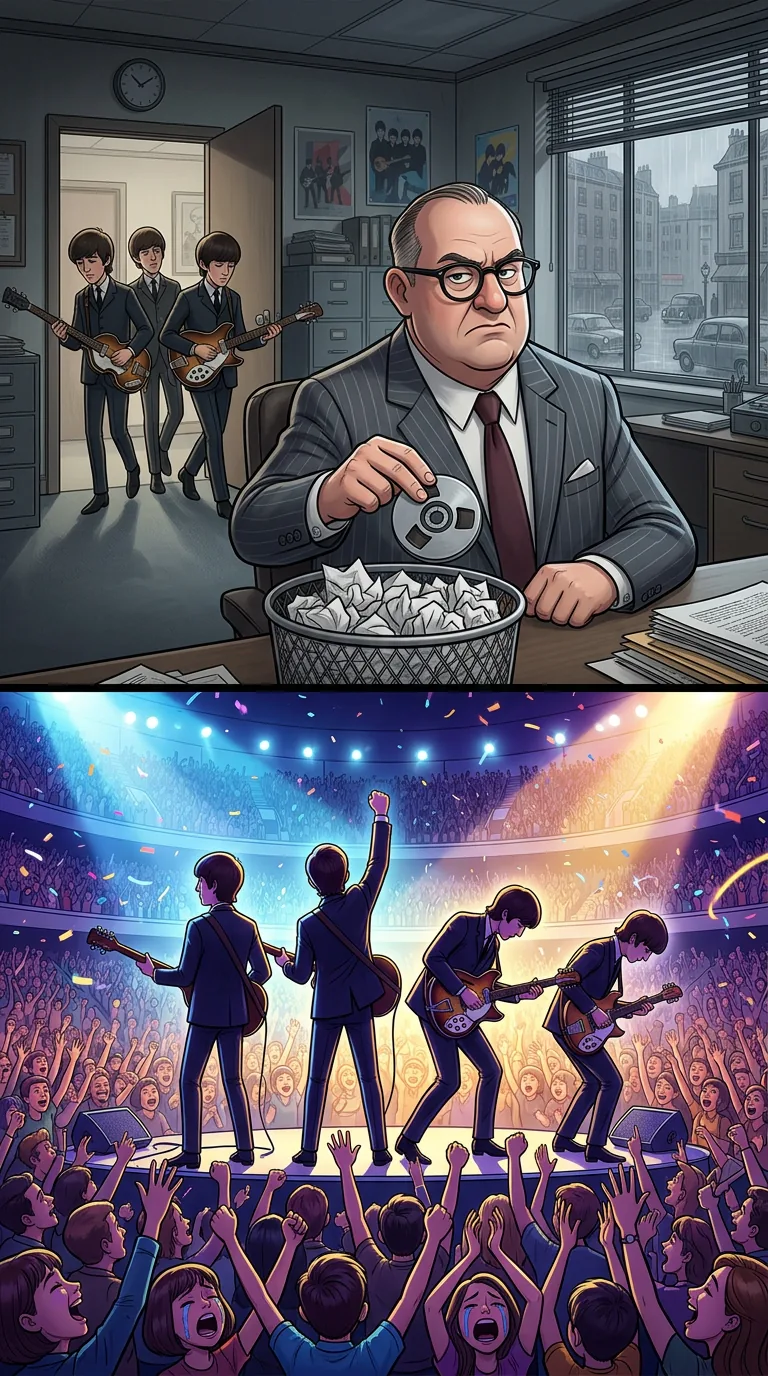
Decca Records rejected The Beatles because 'guitar groups are on the way out.'

In 1962 their audition tape was passed on by every major label. The man who turned them down spent the rest of his life trying to live it down.

1.4kShare
Music

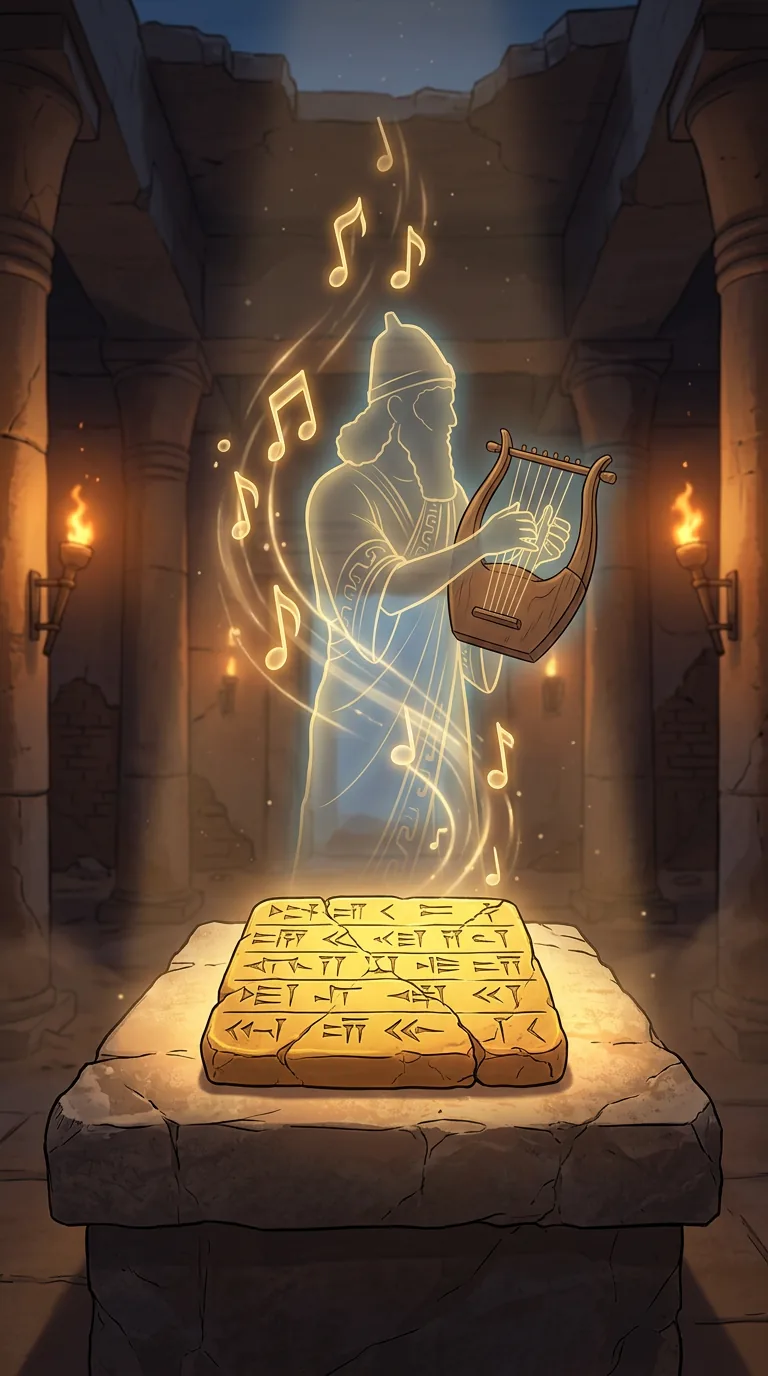
The world's oldest known song was written 3,400 years ago on a clay tablet.

The Hurrian Hymn was carved into stone in ancient Syria around 1400 BC. Modern musicians have reconstructed it — and the melody still sounds like music.

150Share
Music

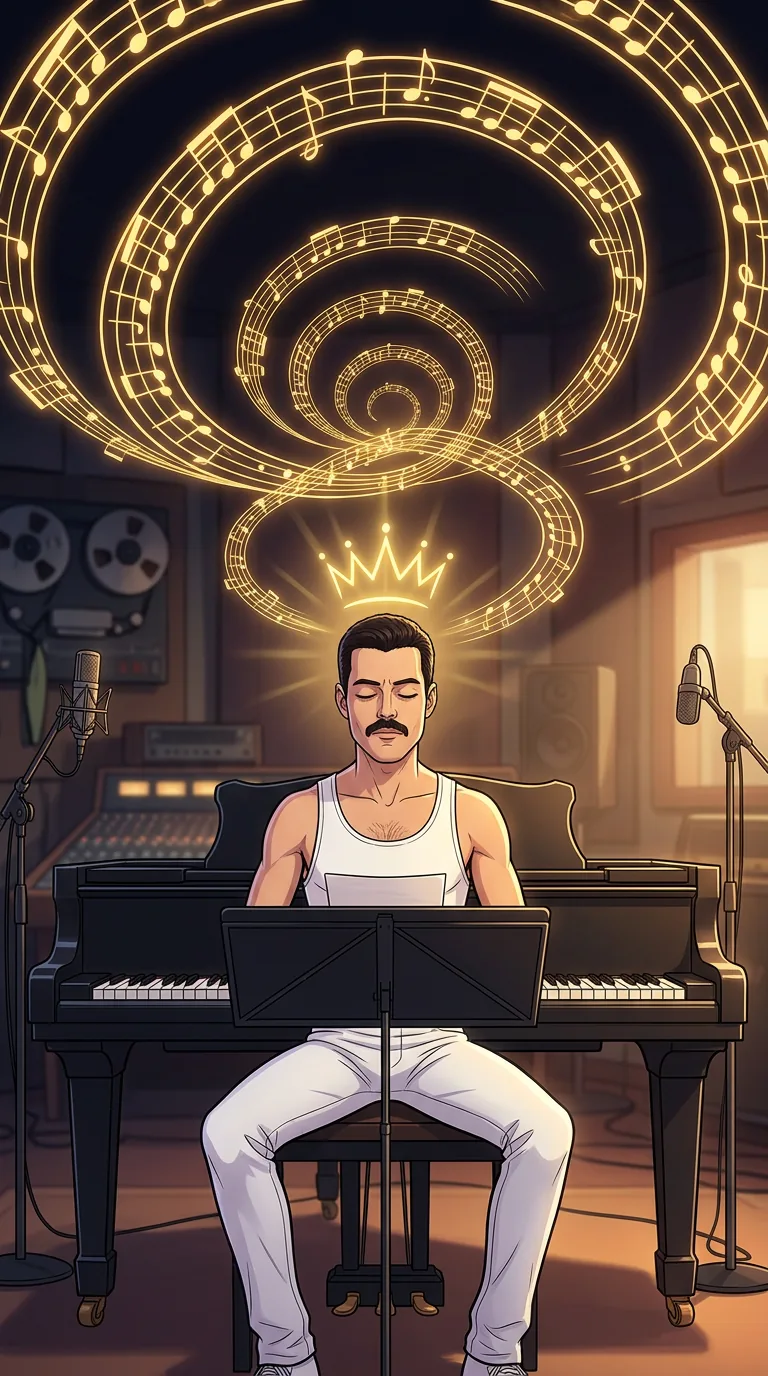
Freddie Mercury never wrote down a full score for Bohemian Rhapsody.

The whole six-minute structure existed only inside his head. He directed every overdub from memory, and the band recorded 180 vocal layers without a finished script.

163Share
Music

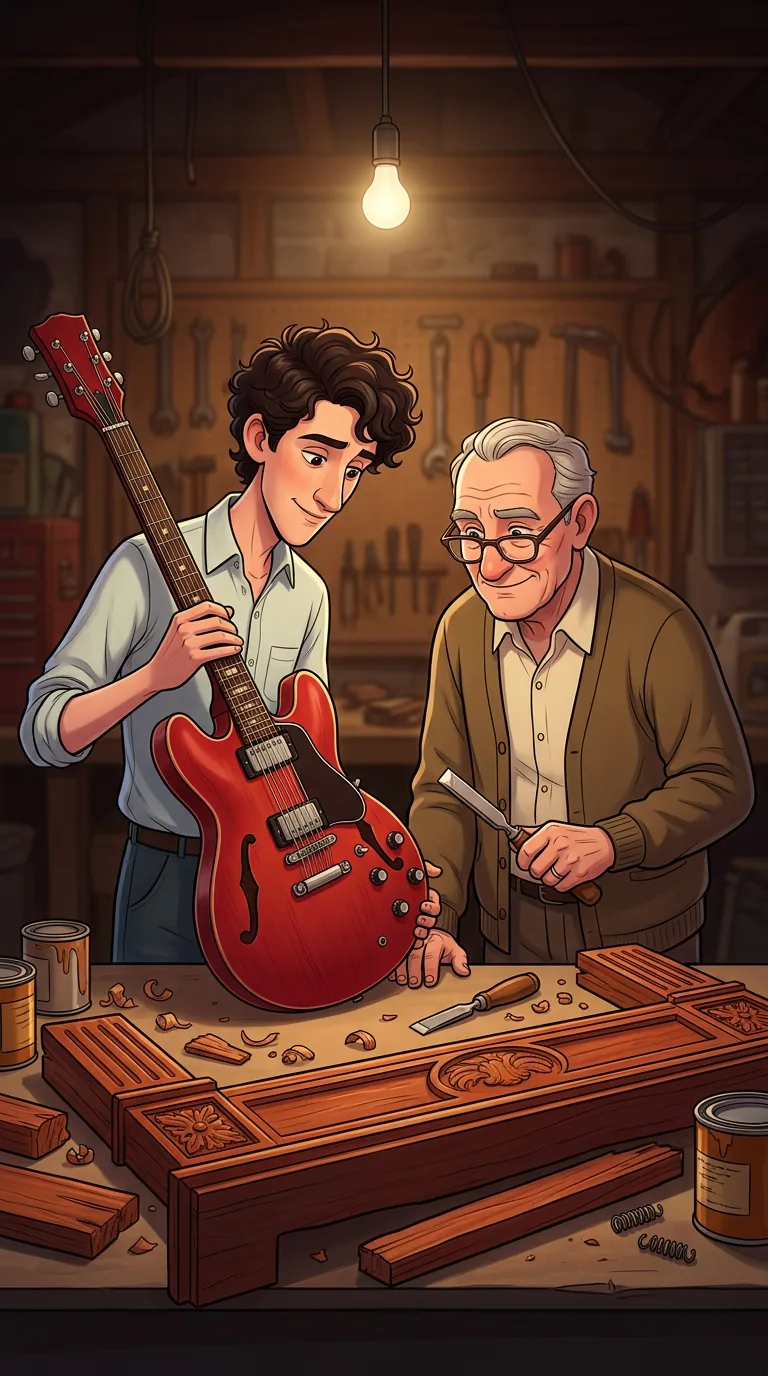
Brian May built his iconic guitar from a wooden fireplace with his father.

The 'Red Special' that powered every Queen hit was hand-carved in 1963 from a 200-year-old hearth-mantle. The tremolo arm is part of an old bicycle saddlebag.

2.6kShare
Music

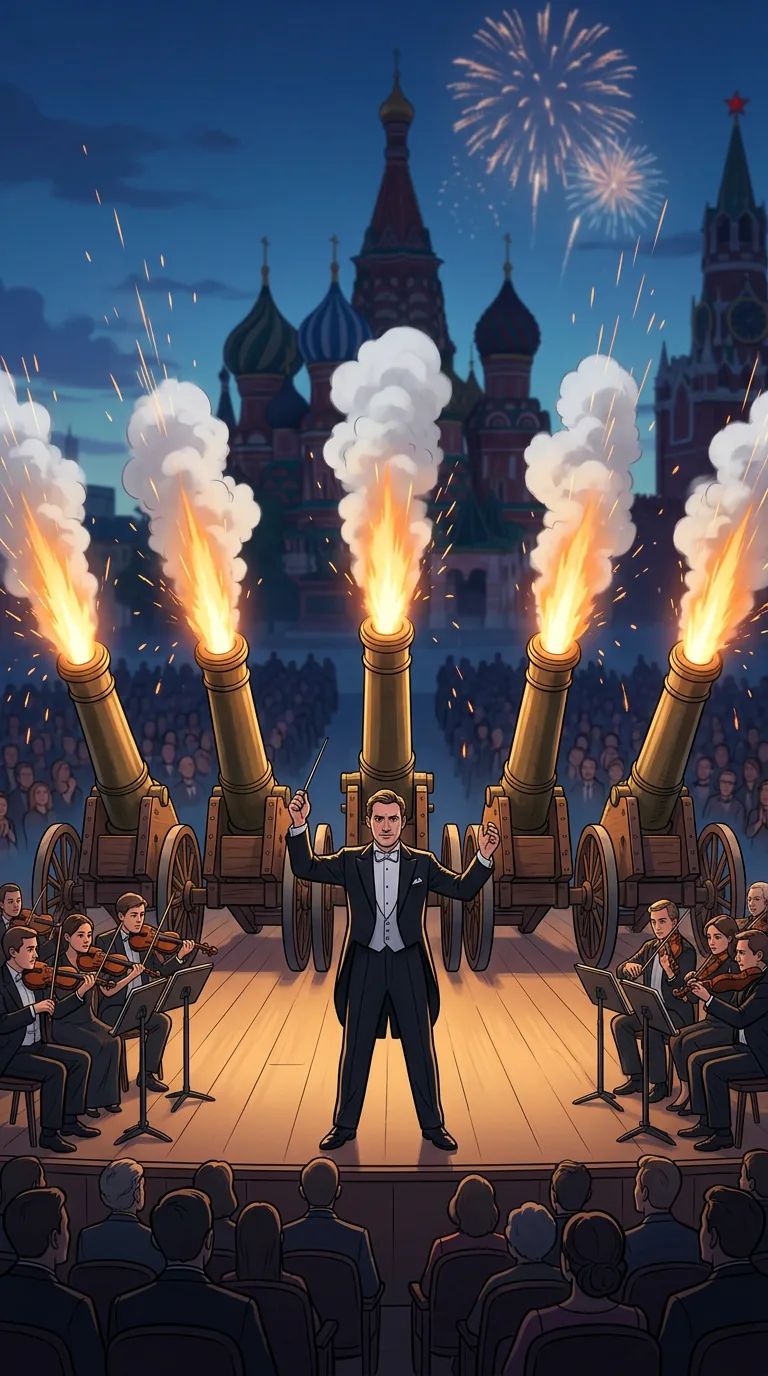
Tchaikovsky's 1812 Overture is scored for actual cannons fired in tempo.

Sixteen real cannon-shots, in rhythm, are written into the score as instruments. Modern performances either use military artillery or pre-recorded blasts triggered by the conductor.

1.8kShare
Music

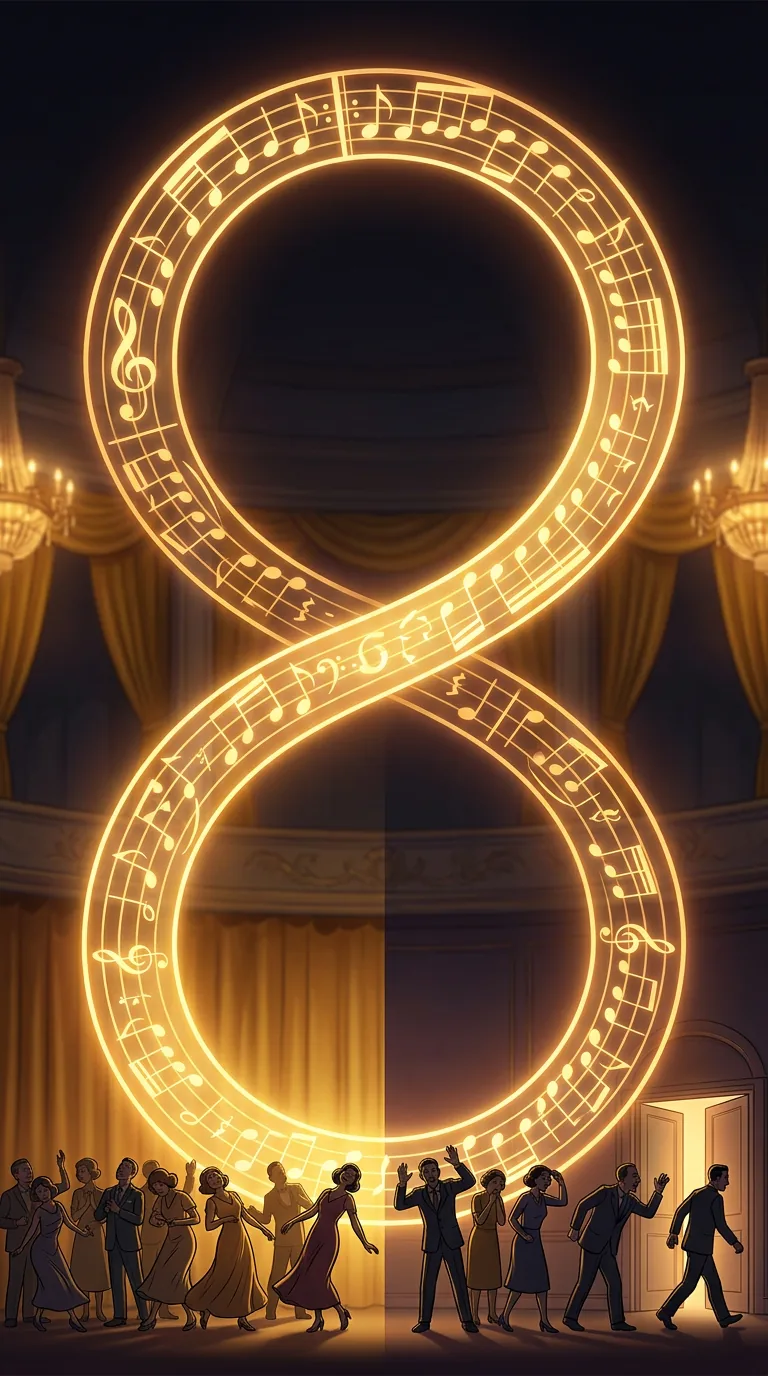
Ravel's Boléro is the same melody repeated 18 times for 15 straight minutes.

There is no key change, no contrast, no second theme — just one slow building crescendo. Ravel himself called it 'a piece without music.' Audiences either weep or walk out.

1.1kShare
Music

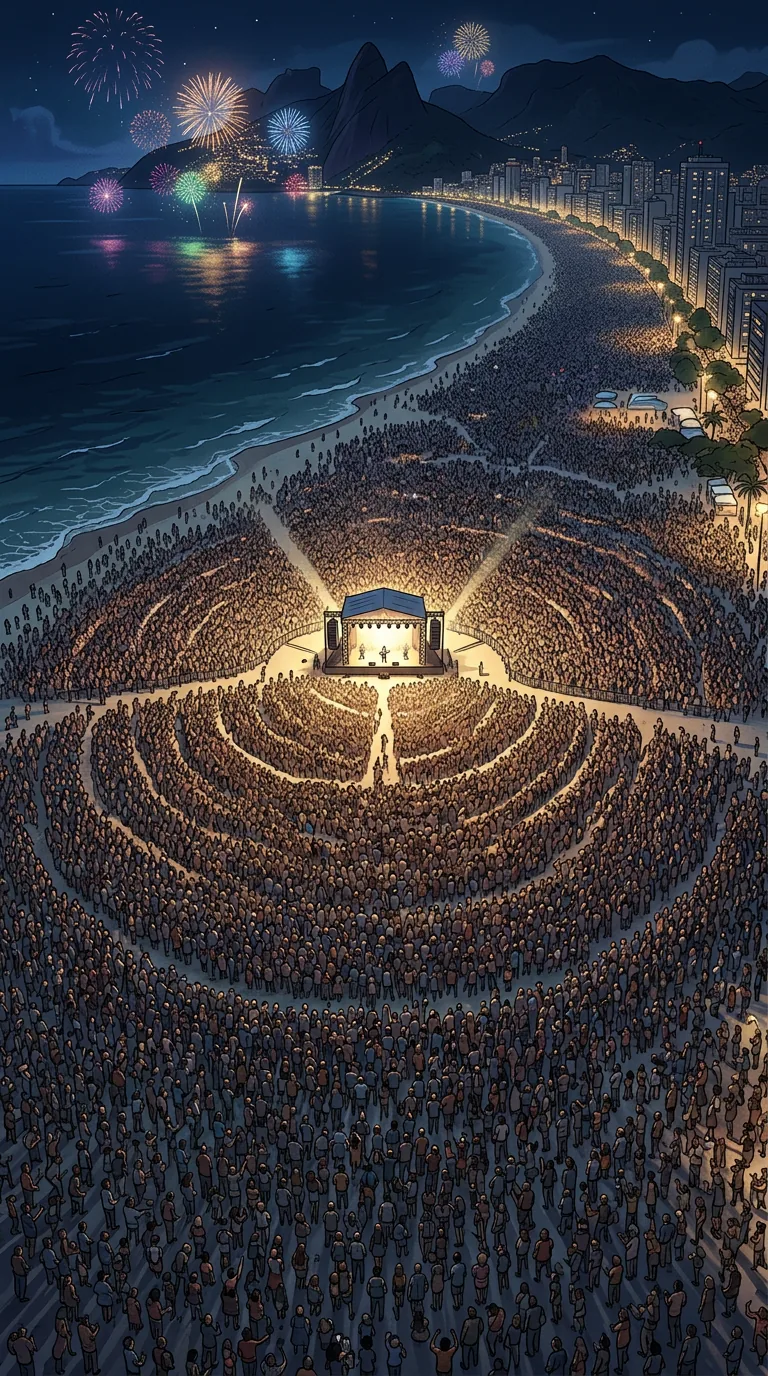
The largest concert ever drew 4.2 million people to one beach.

Rod Stewart's free 1994 New Year's Eve show on Copacabana in Rio de Janeiro fills the Guinness record. From space the crowd looked like a second shoreline.

215Share
Music

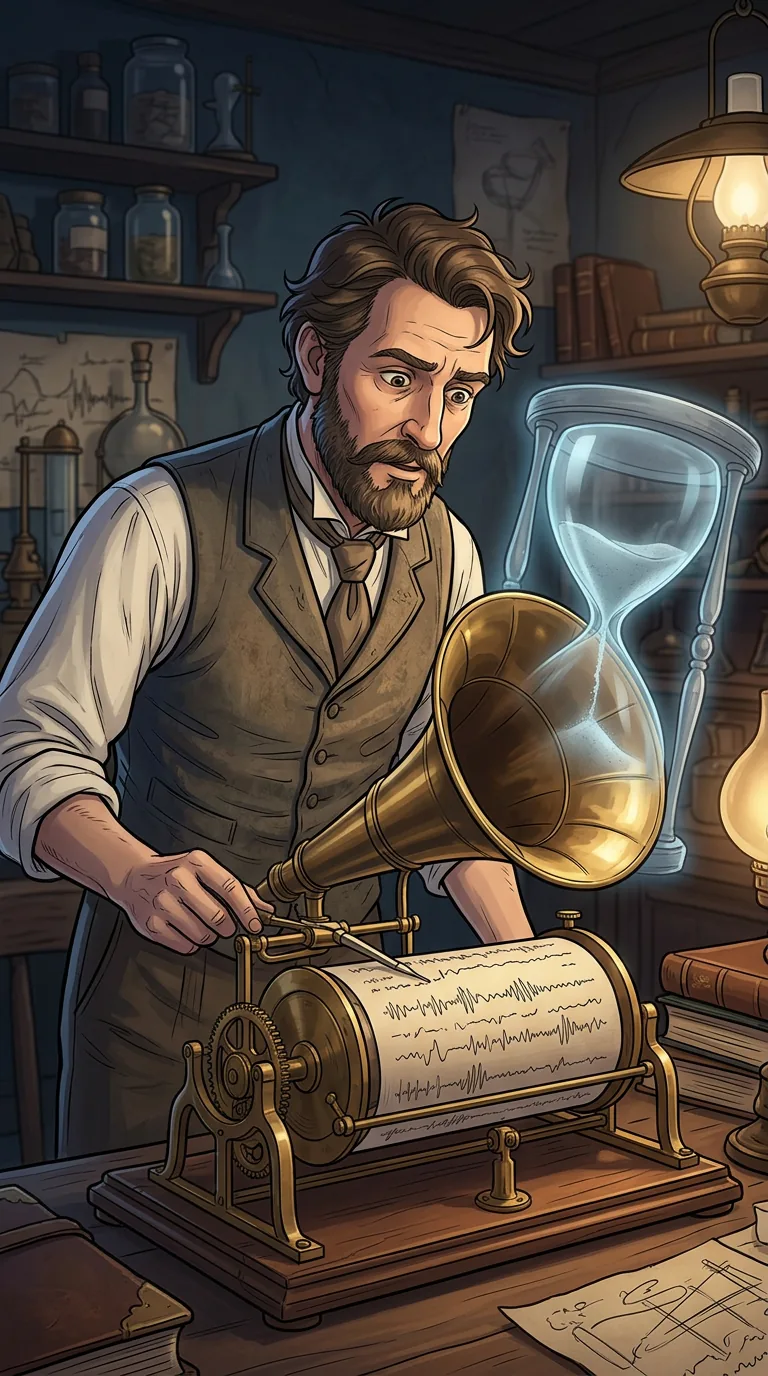
The first audio recording was made 17 years before anyone figured out how to play it back.

Édouard-Léon Scott captured a human voice in 1860 — a woman singing 'Au Clair de la Lune.' Scientists finally decoded the squiggles in 2008.

2.2kShare
Music

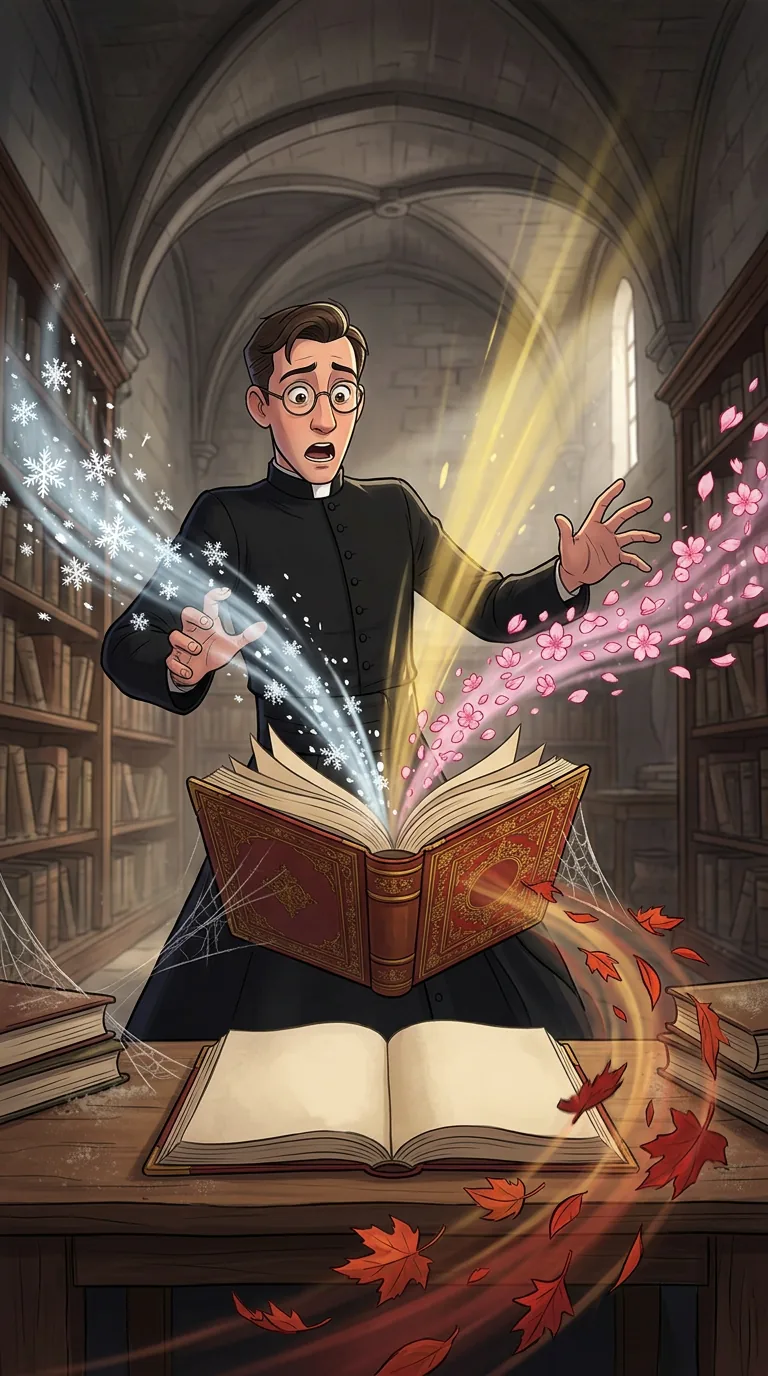
Vivaldi's Four Seasons was lost for 200 years.

After his death in 1741 he was forgotten so completely that his manuscripts were stored in a monastery library and ignored. They were rediscovered in 1926 by accident.

370Share
Music

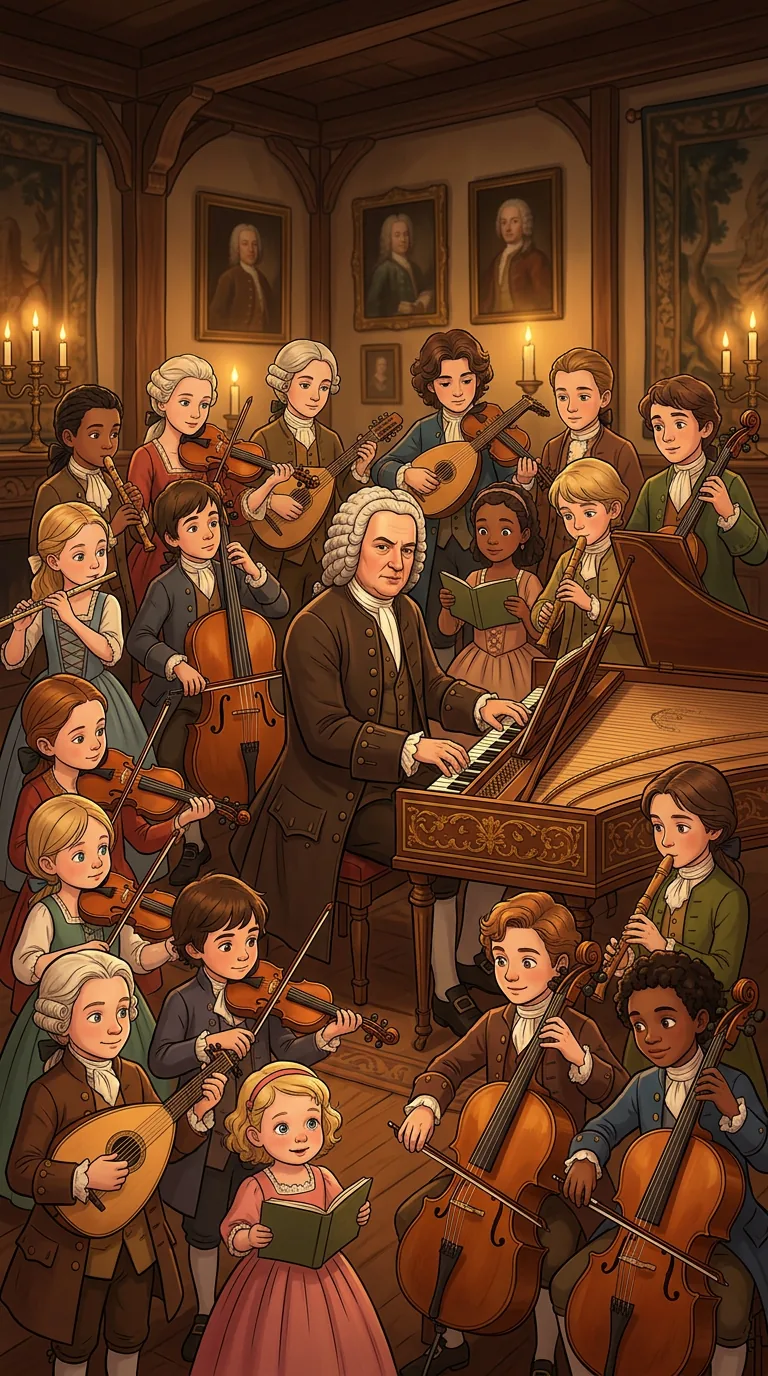
Bach had 20 children — and most of the surviving ones became composers too.

Four sons grew up to be famous in their own right: Carl Philipp Emanuel, Johann Christian, Wilhelm Friedemann and Johann Christoph. The Bach dynasty produced music for 200 years.

150Share
Music

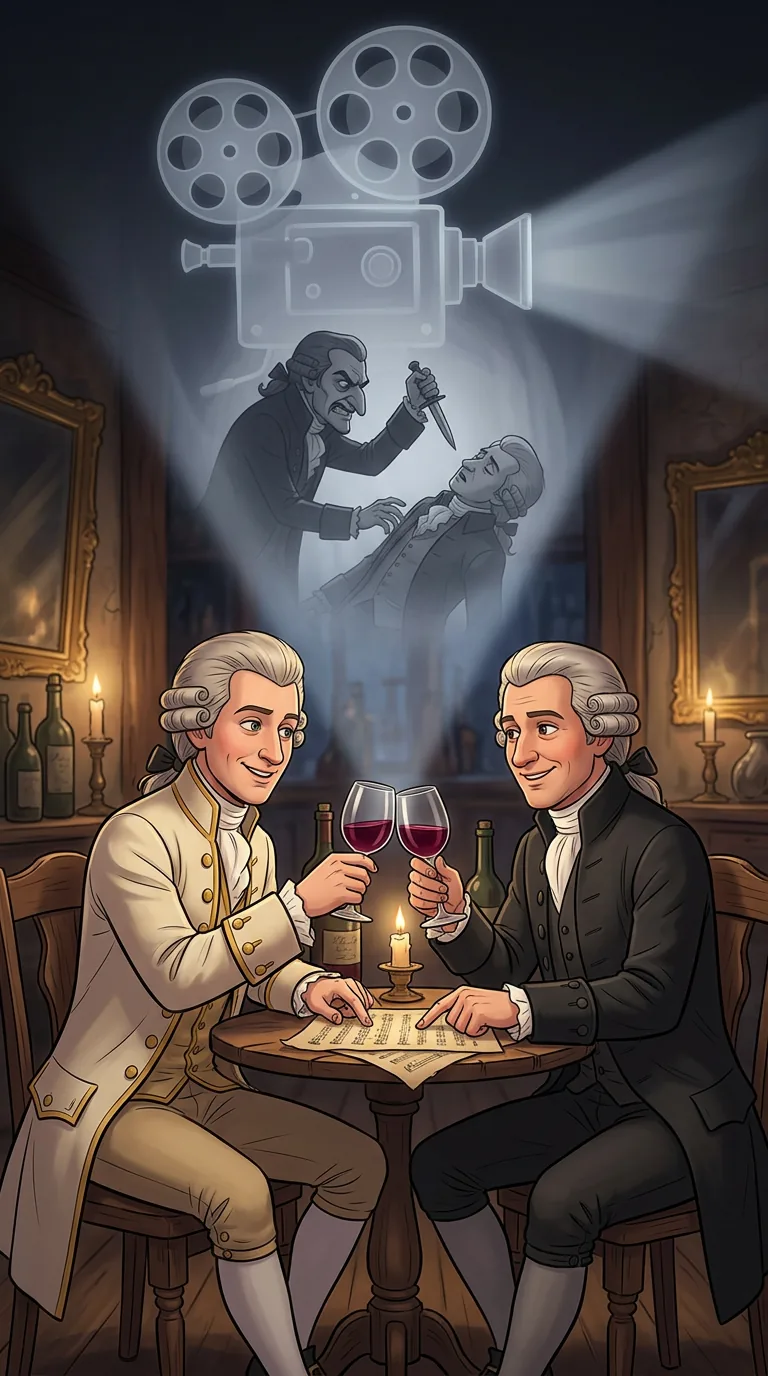
Salieri did not poison Mozart — that whole story was invented for a movie.

The two were friendly colleagues, not enemies. Salieri even taught Mozart's son. The famous rivalry comes from a 1830 play and the 1984 film Amadeus.

1.1kShare
Music

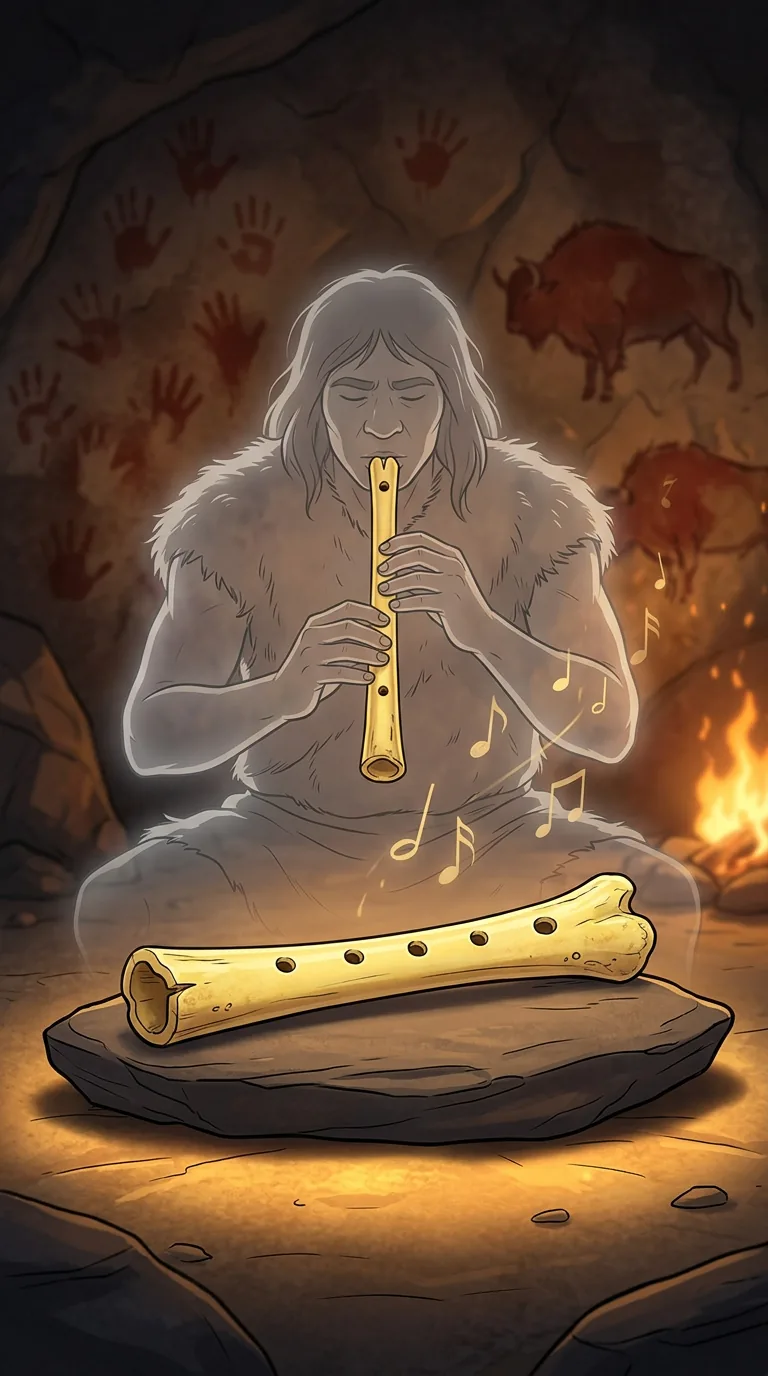
The world's oldest playable instrument is a 40,000-year-old flute carved from a vulture bone.

Found in a German cave in 2008, the bone-flute still produces clear notes. Neanderthals and early humans were already making music before they had farming or pottery.

285Share
Music

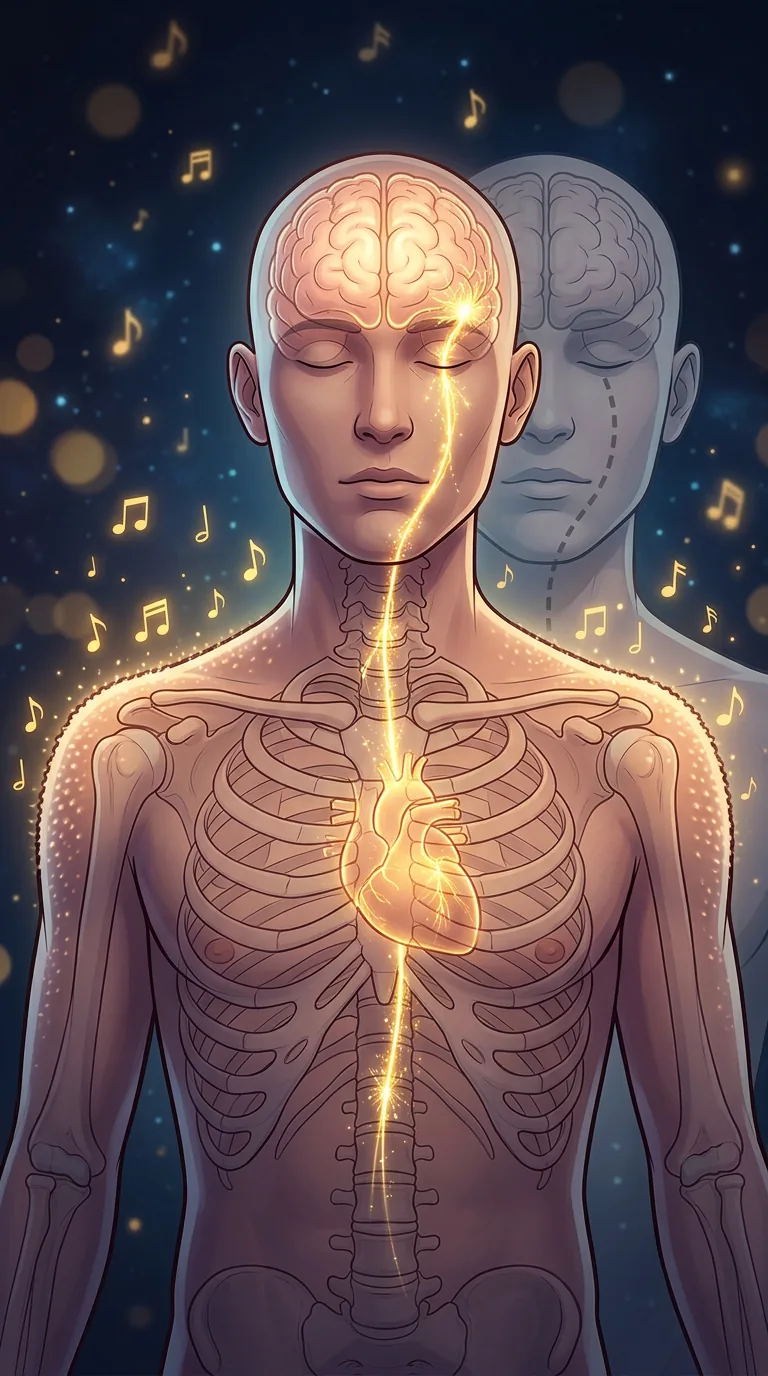
Only about half of all humans get goosebumps from music.

The chill response — called frisson — depends on dense connections between auditory and emotional brain regions. People who feel it are wired differently from people who don't.

320Share
Music

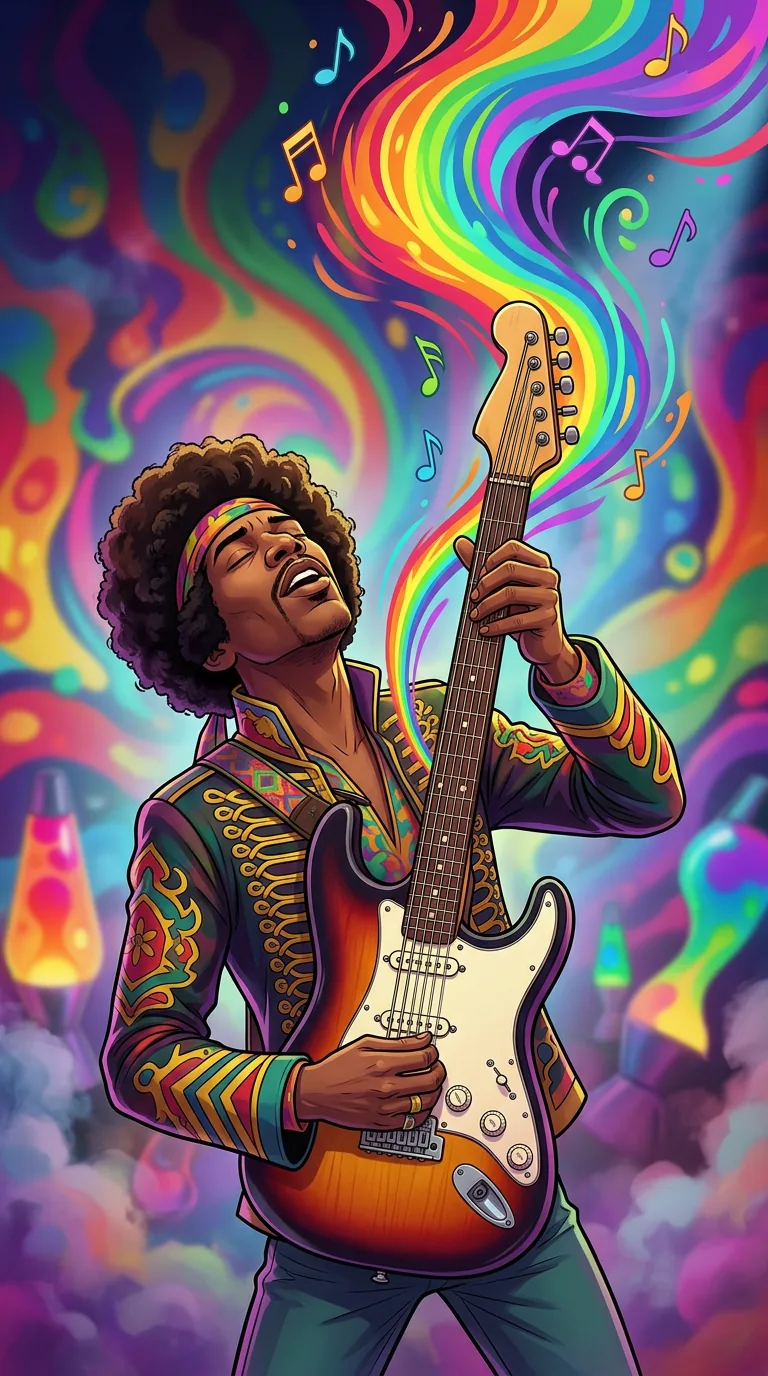
Jimi Hendrix played guitar upside-down because he was left-handed.

Right-handed guitars were all he could afford or find, so he restrung them and flipped them over. The reversed strings created his signature tone — no one has perfectly copied it since.

690Share
Music

The famous 'Mozart Effect' is not real — it was one tiny 1993 study about jigsaw puzzles.

The researchers never claimed it made babies smarter. The media invented that. Decades of follow-up studies have failed to find any IQ boost from listening to Mozart.

202Share
Music

Humpback whales sing songs that spread between populations like pop hits.

A new song from one population reaches the next within months, then crosses entire oceans. The whales drop the old tune entirely once they learn the new one.

1.4kShare
Music

The fastest accurately-played piano in history hit 20 notes per second.

Hungarian pianist Domingos-Antonio Gomes registered the speed at 2015 in a Guinness attempt. The human ear can barely distinguish individual notes at that rate.