You can't out-exercise a bad diet — body weight is roughly 80% what you eat.
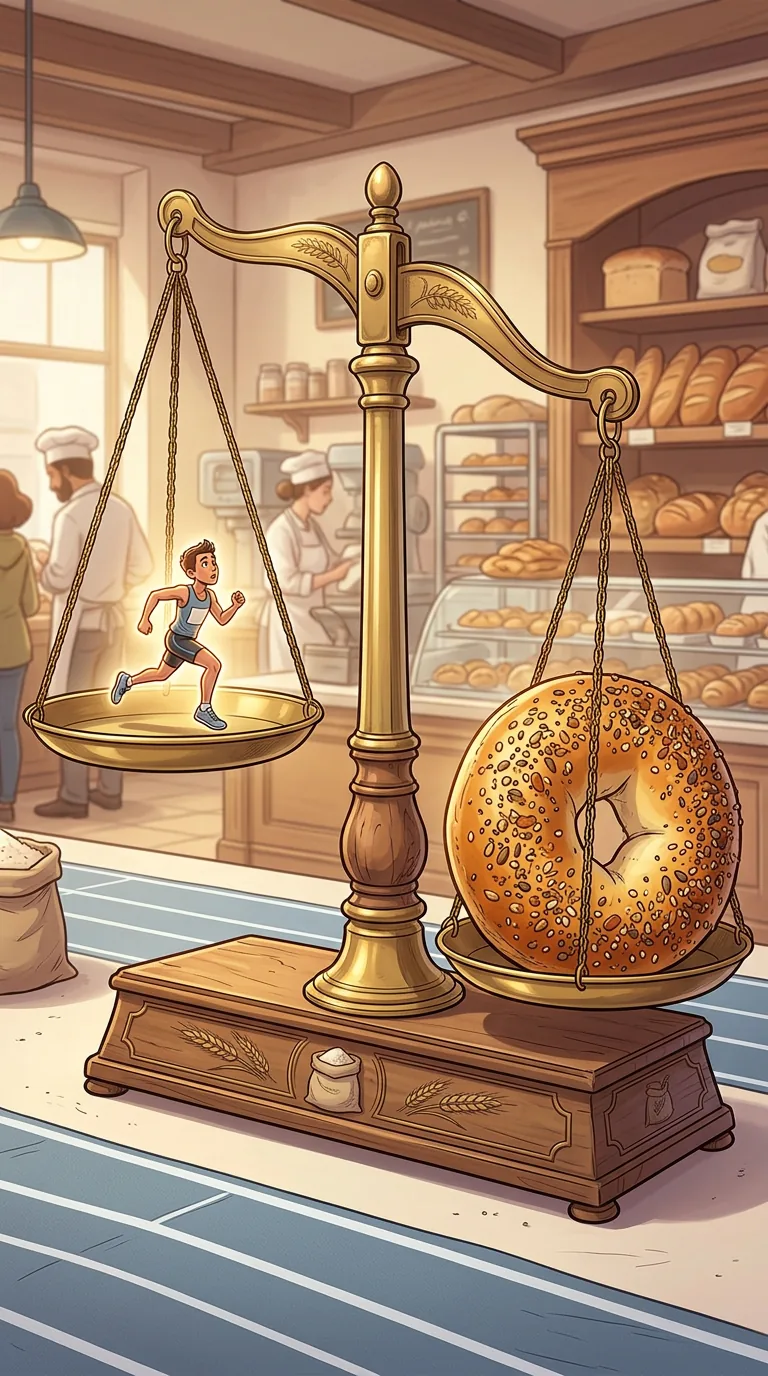
An hour of running burns about 500 calories. One bagel with cream cheese is 600. Decades of obesity research show diet dwarfs exercise as a weight-loss lever.


NOW WATCHING
Nutrition & Health · Facts

An hour of running burns about 500 calories. One bagel with cream cheese is 600. Decades of obesity research show diet dwarfs exercise as a weight-loss lever.

Studies show prolonged sitting raises mortality risk even in people hitting daily activity targets. Standing or walking briefly every 30 minutes mitigates much of the damage.

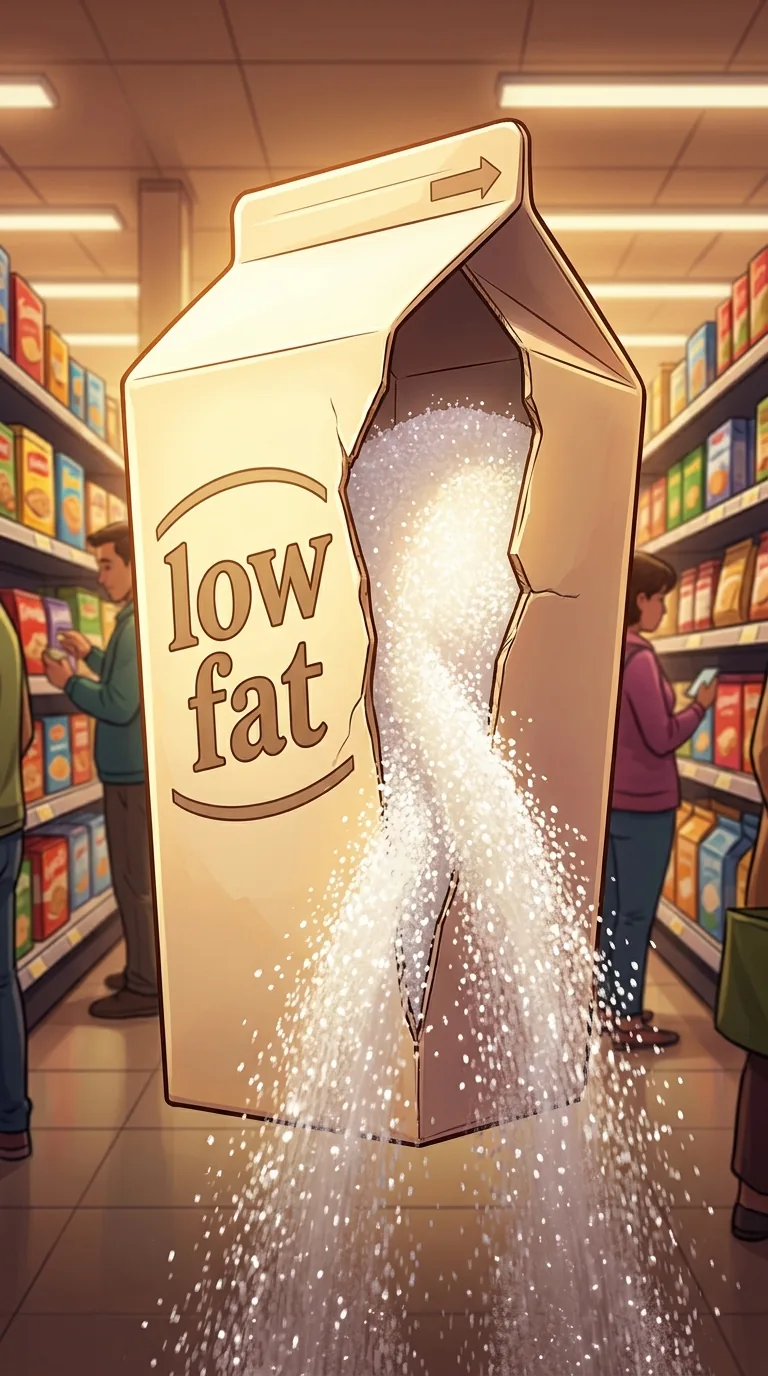
Fat carries flavour. Removing it makes food taste flat, so manufacturers add sugar. Decades of low-fat marketing coincided with the steepest obesity rise on record.

Meta-analyses find loneliness raises mortality risk comparable to smoking 15 cigarettes a day. The Blue Zones share strong communities more reliably than any food.

Trials show 500 ml of water 30 minutes before meals reduces intake meaningfully — partly through stomach distension, partly because thirst is often misread as hunger.

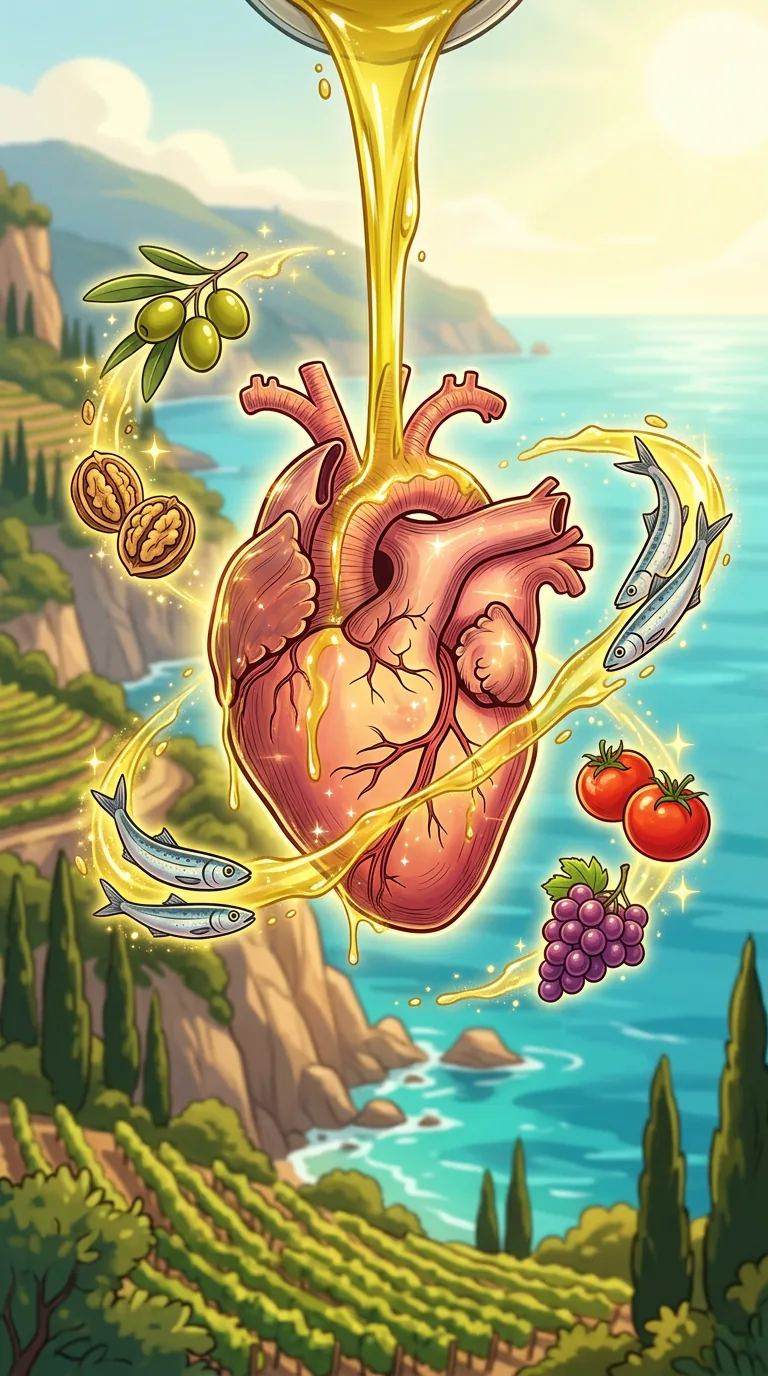
The PREDIMED trial followed 7,447 Spaniards for 5 years. Olive oil, nuts, fish, and vegetables, not calorie restriction, drove the heart-disease drop.

Modern Cochrane meta-analyses find no causal link between breakfast and weight. The most-important-meal line came from a Kellogg's ad campaign in 1944.

The figure traces to a 1945 guideline that included water from food and was misquoted ever since. Thirst is a reliable enough cue for healthy adults.

The 10,000-step target came from a 1965 Japanese pedometer ad, not science. Recent JAMA meta-analyses show benefits plateau around 7,500 steps.

Sleep loss spikes the hunger hormone ghrelin and crashes the satiety hormone leptin. One bad night can drive an extra 300 calories the next day.

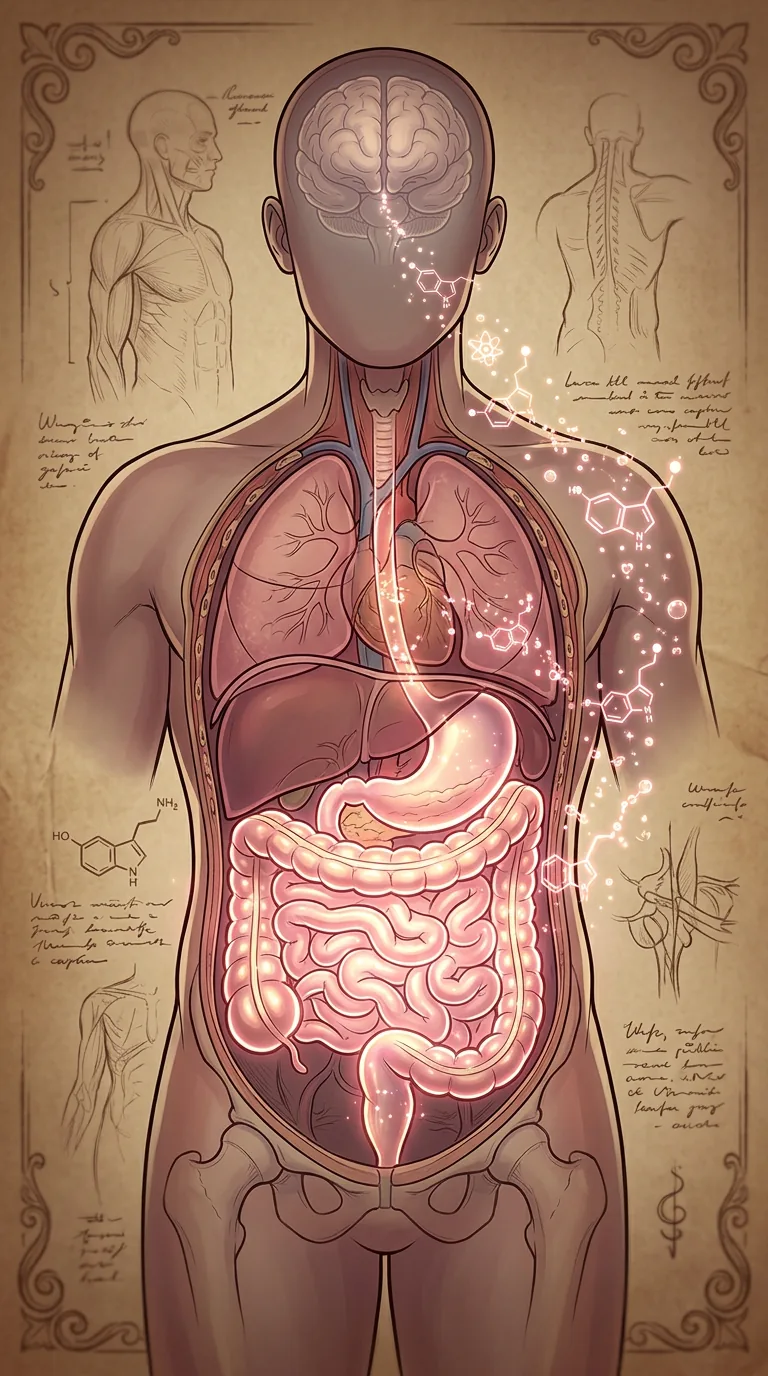
Your second brain of enteric neurons produces most of the body's mood neurotransmitter. Antibiotics wipe gut diversity for up to a year; fermented foods restore it.

Cattle on pasture absorb omega-3s from grass; feedlot grain reverses the ratio toward inflammatory omega-6. The same cut of beef carries totally different fat profiles.

Okinawan elders eat until just satisfied, never stuffed. The result is one of the world's lowest rates of heart disease and the longest healthspans on record.

Roughly 1 billion humans lack enough D to support immunity, mood, and bone strength. 15 minutes of midday sun on bare skin is usually enough to fix it.

Bacon, ham, and hot dogs share the same risk category as tobacco. 50g a day raises colorectal cancer risk by 18% according to the IARC review.

Artificial sweeteners trigger an insulin response without sugar arriving, and condition the brain to demand more sweetness later. Trials show no weight benefit.

Caffeine protects dopamine neurons in the substantia nigra. Coffee also lowers all-cause mortality 15% and is the top antioxidant source in Western diets.

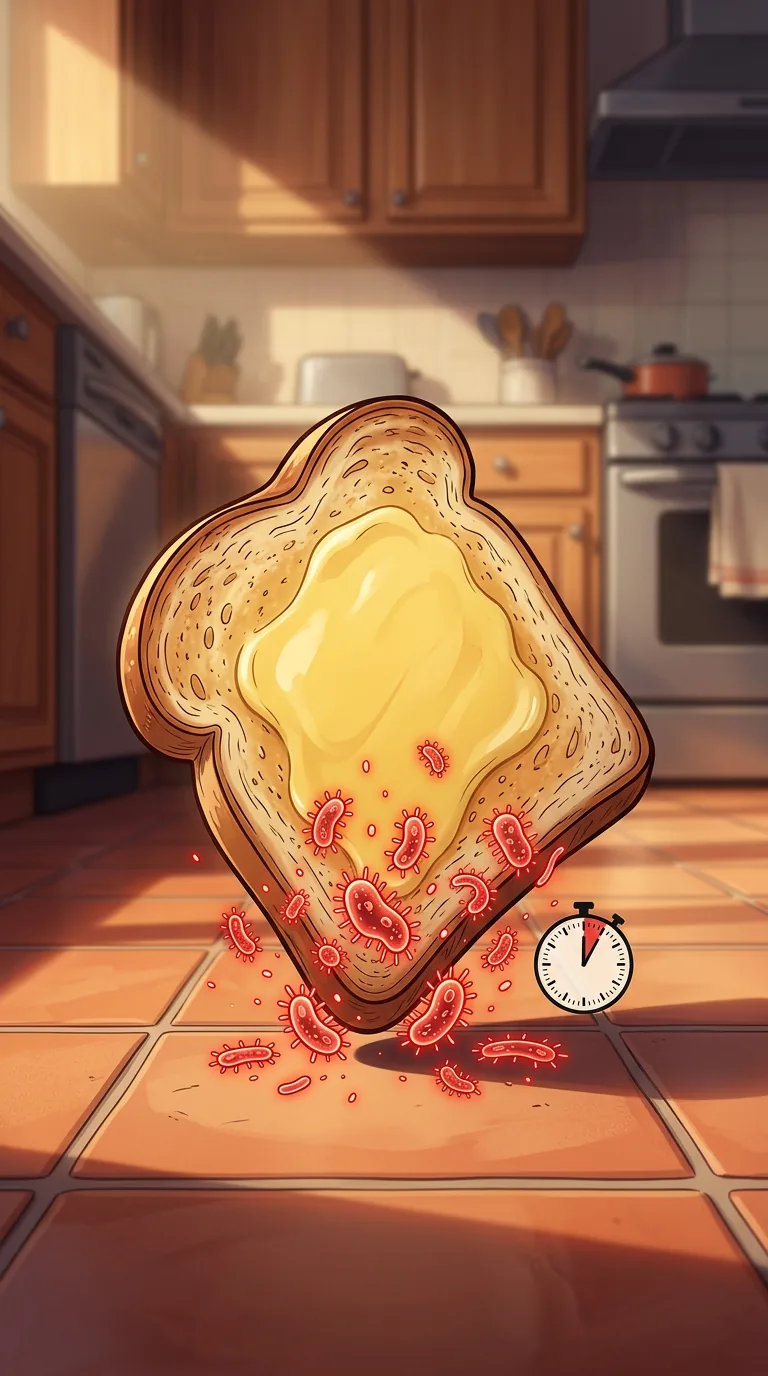
Microbiology studies show contamination starts at the instant of contact, especially for wet foods. Surface, moisture, and bacteria type matter; duration almost doesn't.

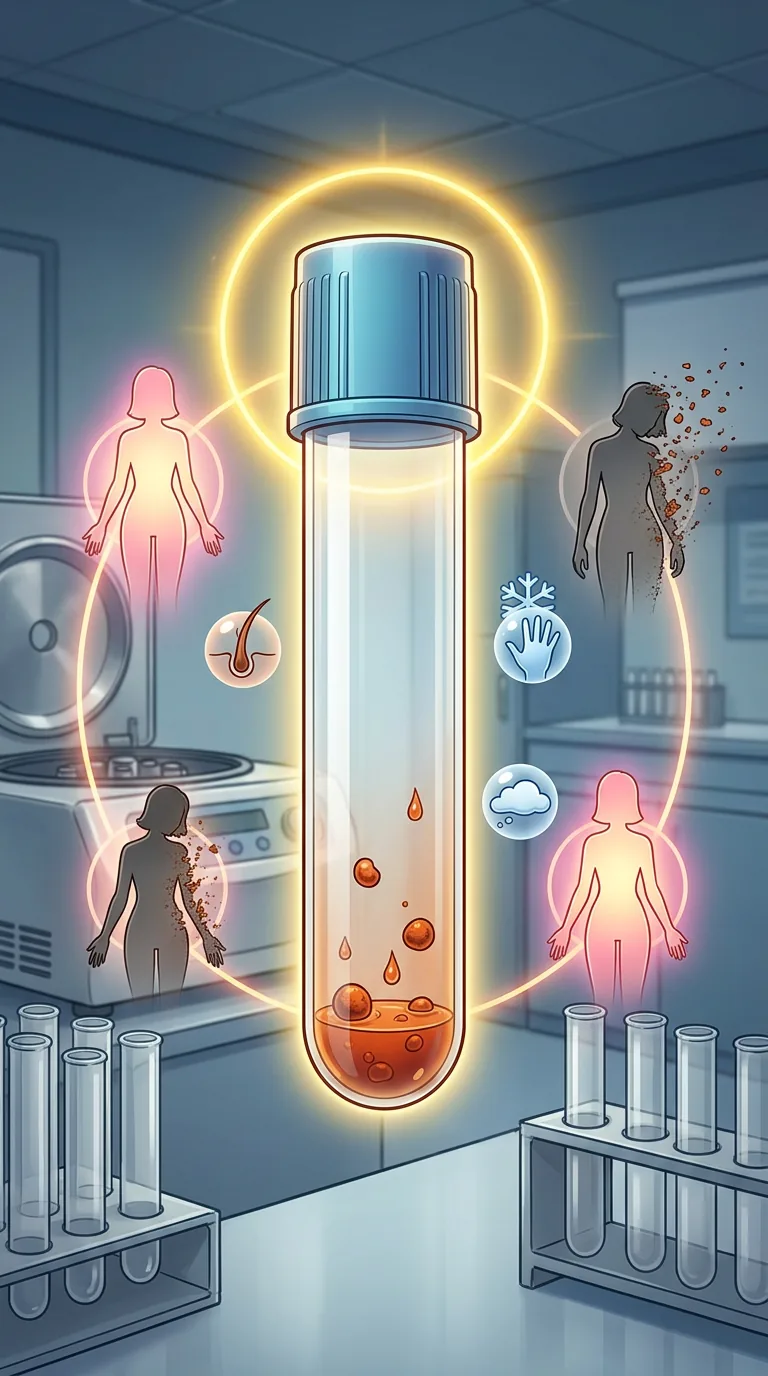
Symptoms (fatigue, hair loss, cold hands, brain fog) get blamed on stress. A ferritin test catches it; standard CBC blood panels usually miss low stores.

Slow chewing gives satiety hormones (CCK, GLP-1) time to signal fullness. Trials show heavy chewers eat smaller portions without ever feeling deprived.

Holding stretches for 30+ seconds before lifting reduces peak force and power. Dynamic warm-ups (leg swings, lunges) prep muscles without the strength tax.

The ISSN consensus statement shows protein synthesis plateaus around 1.6g per kg of bodyweight. More just gets oxidized for energy or excreted by the kidneys.

Soybean and canola oils flood Western diets with omega-6, pushing the ratio out of the ancestral 1:1 range to 20:1. Imbalance fuels inflammation and heart disease.

Randomized trials show identical results between time-restricted eating and matched-calorie diets. Fasting wins only when it makes eating less easier, not via metabolism.

The HERITAGE family study found 47% of VO2max gain variance is genetic. Same training: some people gain 40%, others almost zero. Genes set your ceiling.