NOW WATCHING

Philosophy · Facts

Switch
820Share
Philosophy

Stoicism isn't emotional suppression — it demands you feel everything fully, then act anyway.

Marcus Aurelius didn't write 'don't feel' — he wrote 'observe the feeling, see it pass, do what's right'. Modern self-help has lost most of the original meaning.


Swipe up or down to explore more
3.7kShare
Philosophy

The 'trolley problem' has been answered the same way by every culture for decades.

Across continents, about 90% of people pull the lever to kill one and save five. Push a man off a bridge for the same result — refusal jumps to 90%. Distance matters, ethically.

3.8kShare
Philosophy

Socrates never wrote a single word — everything we know comes from his students.

He believed writing weakened memory and dialogue. All of Socratic philosophy reaches us second-hand, mostly through Plato. We're not even sure which views were really his.

4.6kShare
Philosophy

The Ship of Theseus paradox is unsolved — and applies to your own body.

If every plank of a ship is replaced, is it the same ship? Your body replaces nearly every cell within a decade. Identity, philosophically, is a moving target.

2.8kShare
Philosophy

Epicurus is misremembered as a hedonist — he actually preached bread, water and friendship.

Epicurean 'pleasure' meant the absence of pain and the presence of close friends. Lavish indulgence was, to him, a route to suffering. Two thousand years of branding have flipped his message.

3.8kShare
Philosophy

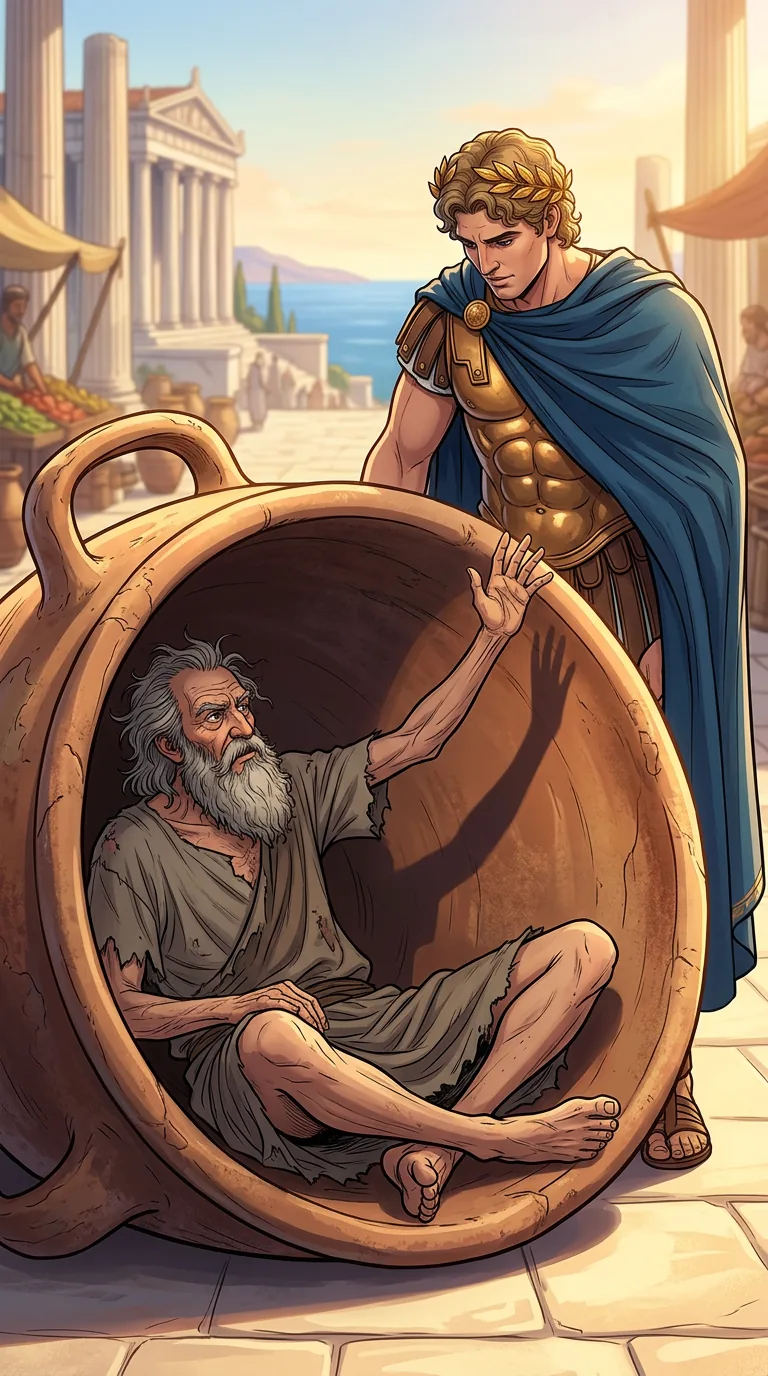
Diogenes lived in a clay barrel and told Alexander the Great to move out of his sunlight.

Asked by the most powerful man on Earth if he needed anything, the philosopher replied "yes — stop blocking my sun." Alexander reportedly said, "If I were not Alexander, I would be Diogenes."

3.4kShare
Philosophy

Wittgenstein wrote two opposite philosophies in his life — and rejected the first one.

His early work claimed language perfectly mirrored reality. He later said that was completely wrong and spent decades arguing meaning is just how words are used. He may be the only philosopher to refute himself in print.

2.1kShare
Philosophy

There's a thought experiment about "zombies" that nobody has been able to disprove.

A philosophical zombie acts exactly like you — talks, cries, jokes — but has no inner experience. The fact we cannot rule out their existence is the central puzzle of consciousness studies.

4.2kShare
Philosophy

Pascal's famous "Wager" for God has been called the worst argument by atheists and theists alike.

Believe in God — if He exists, you win infinity; if not, you lose nothing. Critics from both sides point out it would justify believing in any god, including ones you've never heard of.

2.2kShare
Philosophy

Plato's Cave allegory, written 2,400 years ago, has been called a perfect description of social media.

Prisoners watching shadows on a wall and mistaking them for reality. Replace the wall with a screen and the cave is still here — and most of us still won't turn around.

3.8kShare
Philosophy

A philosopher in 1992 declared history had "ended" — and many still think he was right.

Francis Fukuyama argued liberal democracy was the final form of government and no major ideology would replace it. Three decades of war and authoritarian revival haven't fully refuted him — only complicated him.

620Share
Philosophy

One of the 20th century's most influential philosophers was an actual Nazi Party member.

Martin Heidegger joined in 1933 and never publicly apologized. His work is still required reading. Philosophy still hasn't decided what to do about the man who wrote both "Being and Time" and pro-Hitler speeches.

590Share
Philosophy

Confucius was an unsuccessful failed politician — his ideas only conquered Asia after his death.

He spent 14 years wandering between courts looking for a ruler who would hire him. He died believing he had failed. His students preserved his sayings, and within centuries his philosophy ran an empire.

740Share
Philosophy

David Hume proved you cannot logically derive "ought" from "is" — and broke ethics forever.

No matter how many facts you list about the world, you cannot squeeze a "should" out of them without smuggling in a value. Every modern ethical theory is still trying to climb out of the hole he dug.

1.8kShare
Philosophy

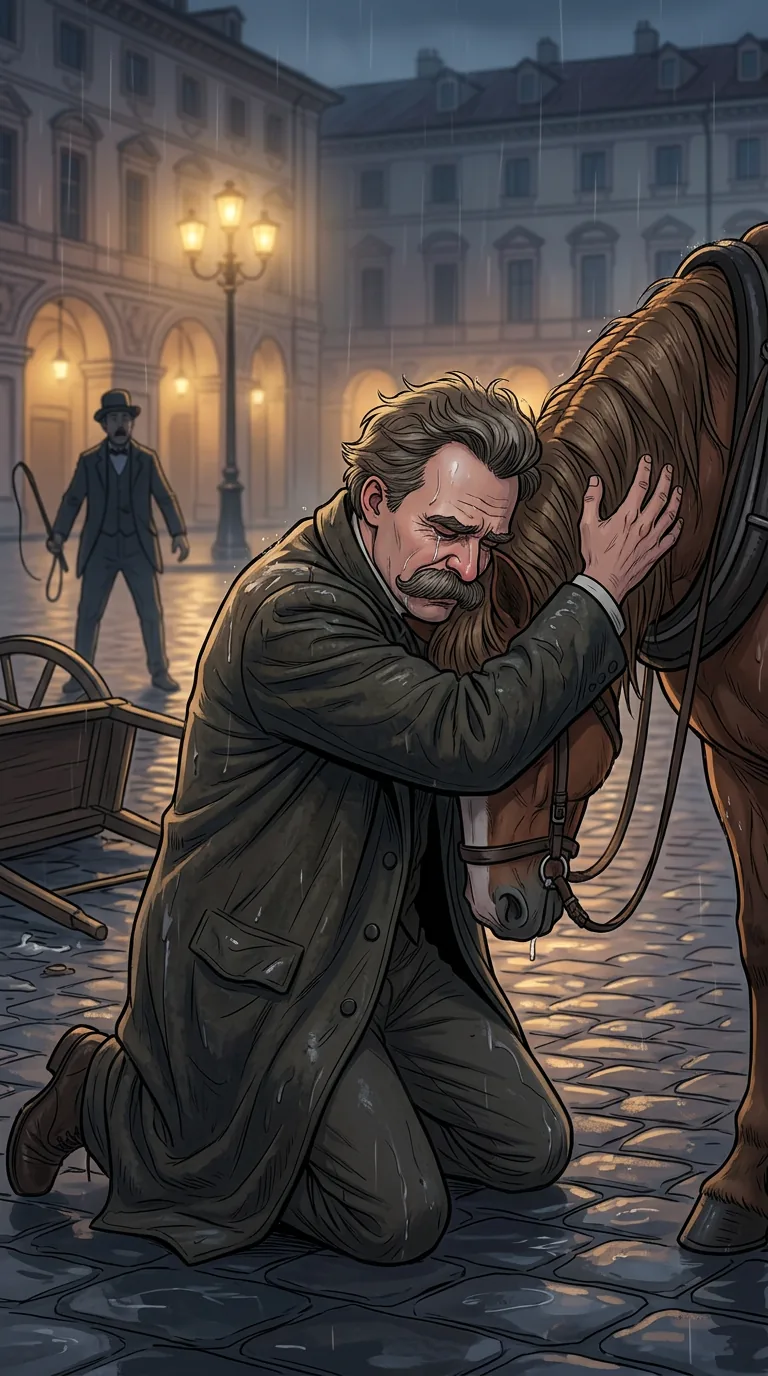
Nietzsche lost his mind after hugging a horse being whipped in the street.

In Turin in 1889, he threw his arms around a cab horse's neck, collapsed sobbing, and never wrote philosophy again. He spent his final 11 years in silence — cared for by the sister he had spent his life criticizing.

810Share
Philosophy

The "hard problem" of consciousness has no proposed solution that scientists agree on.

We know the brain produces awareness — but nobody can explain why physical processes feel like anything from the inside. Some philosophers think the question may be permanently unanswerable.

490Share
Philosophy

Spinoza was excommunicated at 23 for saying God was just nature itself.

The Jewish community of Amsterdam pronounced one of the harshest curses in their history against him. He calmly accepted, ground lenses for a living, and wrote works that became foundational for the Enlightenment.

3.1kShare
Philosophy

Kant took the same walk at the same time every day for 40 years — neighbors set clocks by him.

Locals in Königsberg reportedly knew it was 3:30 pm because the small philosopher in the grey coat was walking past their window. He missed the routine only twice — once when reading Rousseau.

155Share
Philosophy

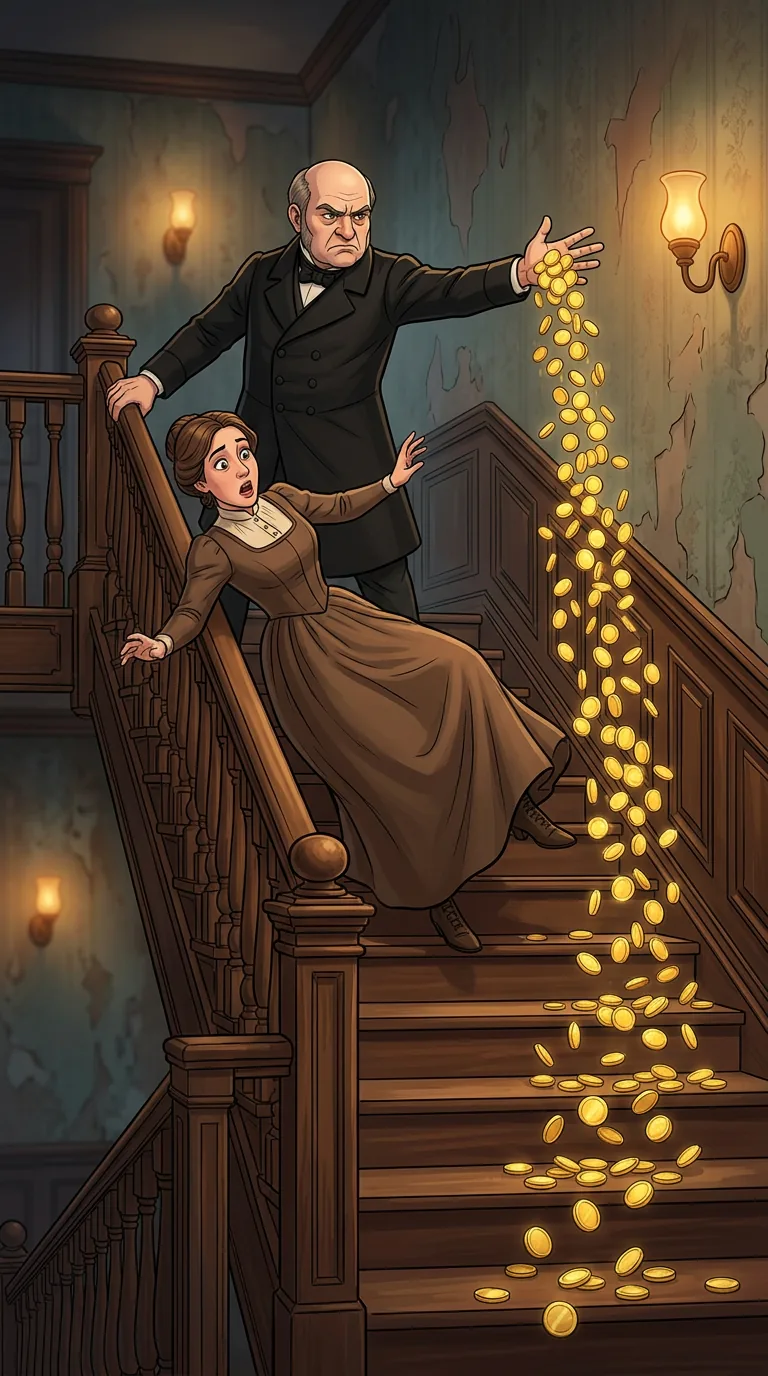
Schopenhauer pushed a woman down the stairs and was ordered to pay her for the rest of her life.

After she made noise outside his apartment, he shoved her, injuring her permanently. The court ordered an annual payment. When she finally died, he wrote in his journal: "the old woman dies, the burden goes."

310Share
Philosophy

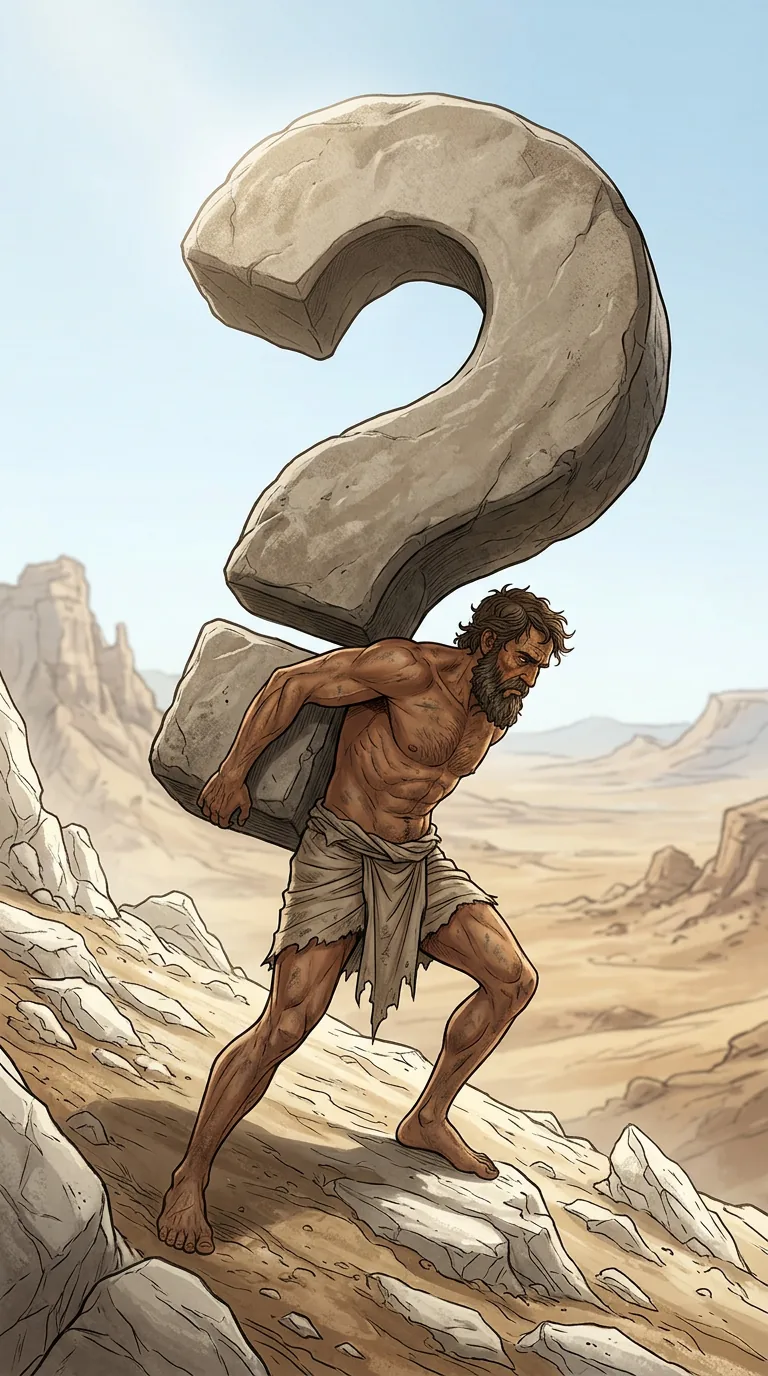
Camus said the only serious philosophical question is whether life is worth living at all.

He opened "The Myth of Sisyphus" with that sentence. Every other philosophical question, he argued, is a distraction from this one. His answer was: yes — but only if we accept how absurd it is.

2.5kShare
Philosophy

"I think, therefore I am" was written 1,200 years before Descartes by Saint Augustine.

Augustine wrote "If I am mistaken, I exist" in the 5th century — the same idea Descartes made famous in 1637. Philosophy occasionally rediscovers the same proof and credits the latest person.

246Share
Philosophy

Bertrand Russell spent 360 pages proving that 1 + 1 = 2.

The Principia Mathematica tried to derive all mathematics from pure logic. The famous equation appears mid-volume two with a note: "the above proposition is occasionally useful." It took him a decade.

1.4kShare
Philosophy

Foucault argued prisons, schools and hospitals are the same kind of building — for the same reason.

All three observe, classify, and discipline the body on a fixed schedule. He called this architecture of control "discipline." Once you see it, he warned, you cannot un-see it in any institution.

2.5kShare
Philosophy

A thought experiment about a Chinese room may have killed the dream of conscious AI.

John Searle imagined a man locked in a room translating Chinese symbols by rulebook — passing as fluent without understanding a word. He argued no symbol-shuffling machine could ever truly "know" anything. The debate is still active.

150Share
Philosophy

The Buddha never claimed to be divine — and got annoyed when people asked.

He repeatedly refused to answer whether he was a god, demon, or man, saying only "I am awake." His followers spent centuries building elaborate metaphysics he had specifically warned them against.