Remove all empty space from atoms and the entire human race fits in a sugar cube.
Atoms are 99.9999...% empty. Subtract the void and pack just the nuclei, and 8 billion bodies compress into a few cubic centimetres of impossibly dense matter.



NOW WATCHING
Physics · Facts

Atoms are 99.9999...% empty. Subtract the void and pack just the nuclei, and 8 billion bodies compress into a few cubic centimetres of impossibly dense matter.

General relativity says gravity slows time. Atomic clocks at different heights confirm a head clock ticks slightly faster than a foot clock. Over 80 years, microseconds add up.

Glass lacks the crystalline structure of true solids. Old cathedral windows are thicker at the bottom because, over centuries, the glass has flowed downward.

The Mpemba effect is reproducible but the mechanism is debated. Convection, evaporation and dissolved gases all contribute, but no single explanation closes the case.

Photons born in the core bounce through dense plasma for millennia before reaching the surface. The light hitting you now started its journey before agriculture existed.

When massive stars collapse, atoms get crushed until protons and electrons fuse into pure neutrons at 400 million tons per cubic centimeter. A pinhead's worth would outweigh an aircraft carrier.

The plasma channel hits about 30,000 K. The Sun's photosphere is only 5,778 K. The bolt is briefer than a heartbeat but locally hotter than any star you can see.

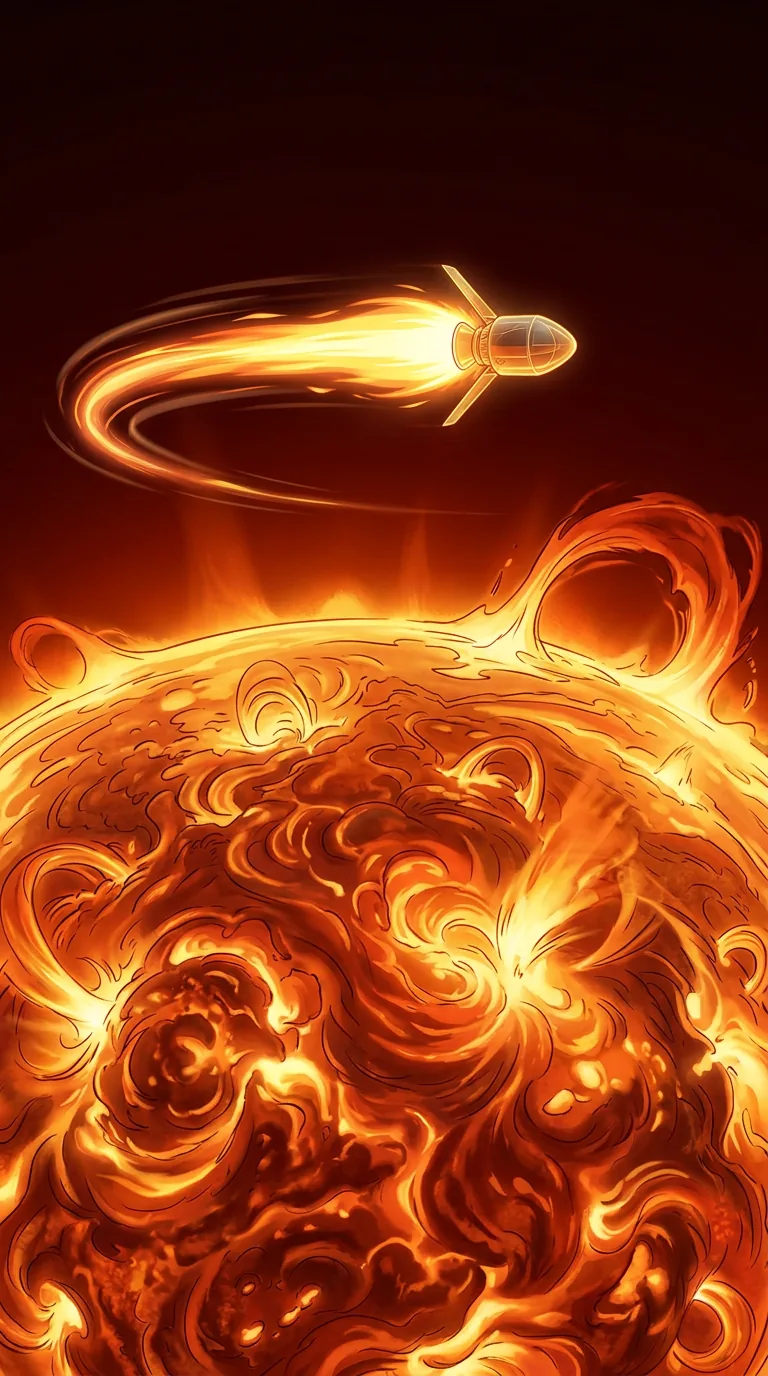
NASA's Parker Solar Probe, accelerated by repeated Venus flybys, reaches 0.06% the speed of light. At that pace it could circle Earth in 220 seconds.

At 5,000 K and millions of atmospheres, mantle hydrocarbons crack into pure carbon that crystallizes and sinks. Lab experiments using lasers and plastic have reproduced the effect.

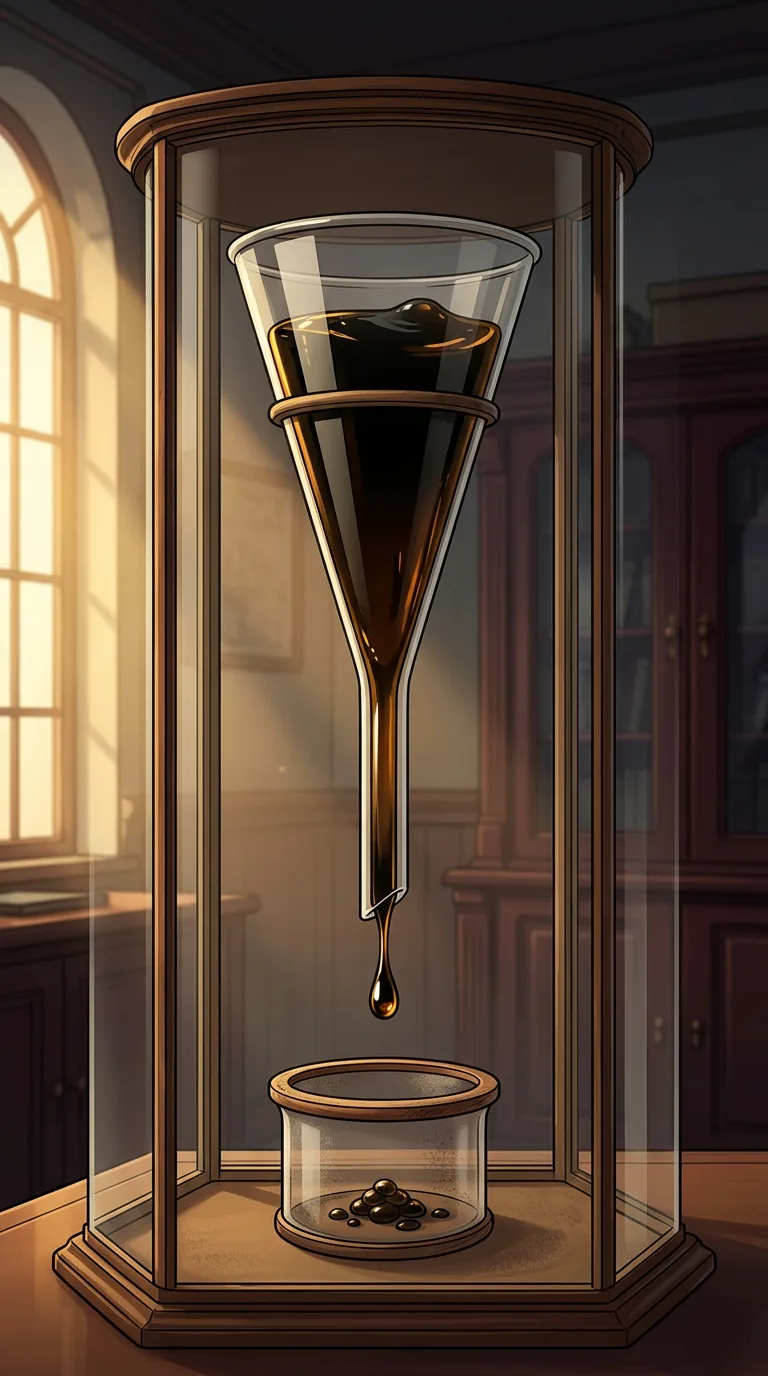
The pitch-drop funnel at Queensland University started in 1927. Pitch is ~230 billion times more viscous than water, yet still flows — proving it's a liquid, not a solid.

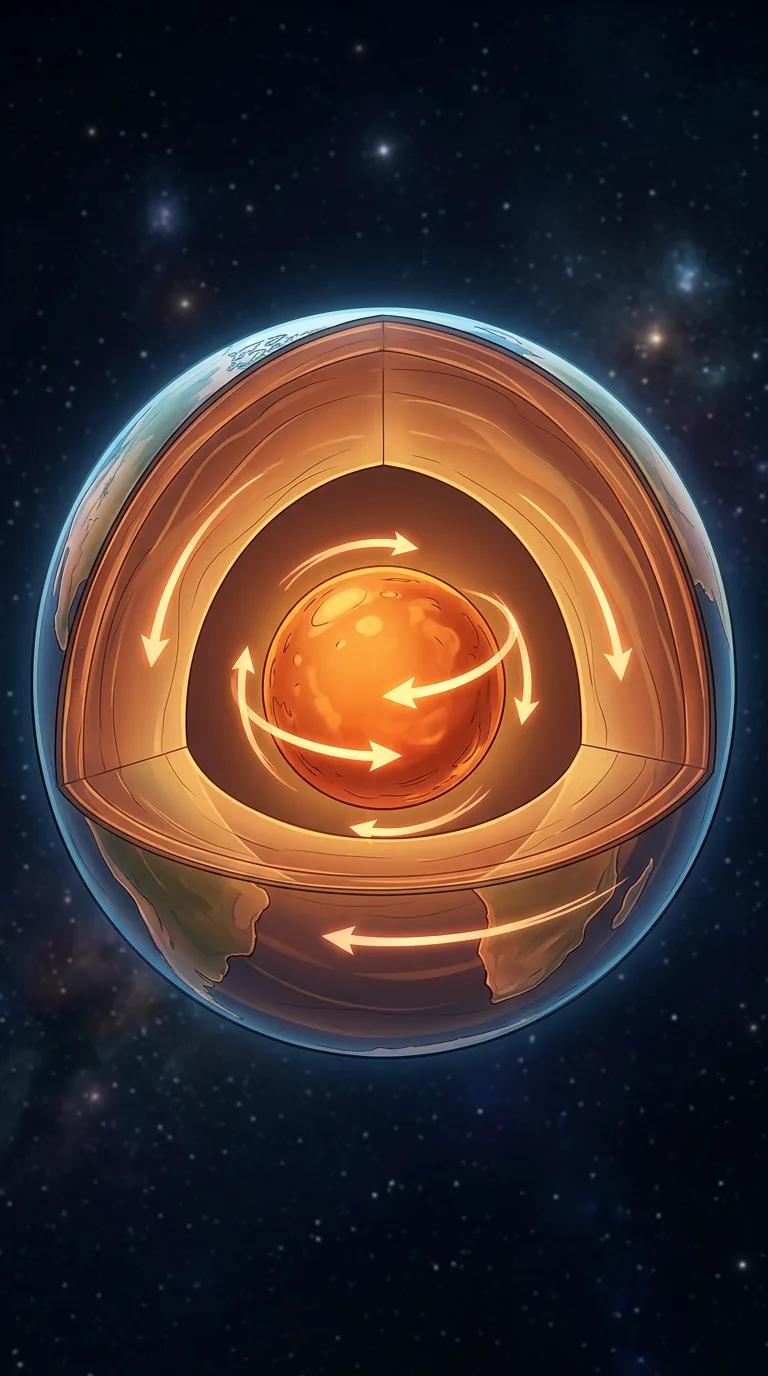
The solid iron sphere at the centre rotates at a slightly different rate than the mantle. Seismic studies show it sped up for decades, then in 2023 began turning backward relative to us.

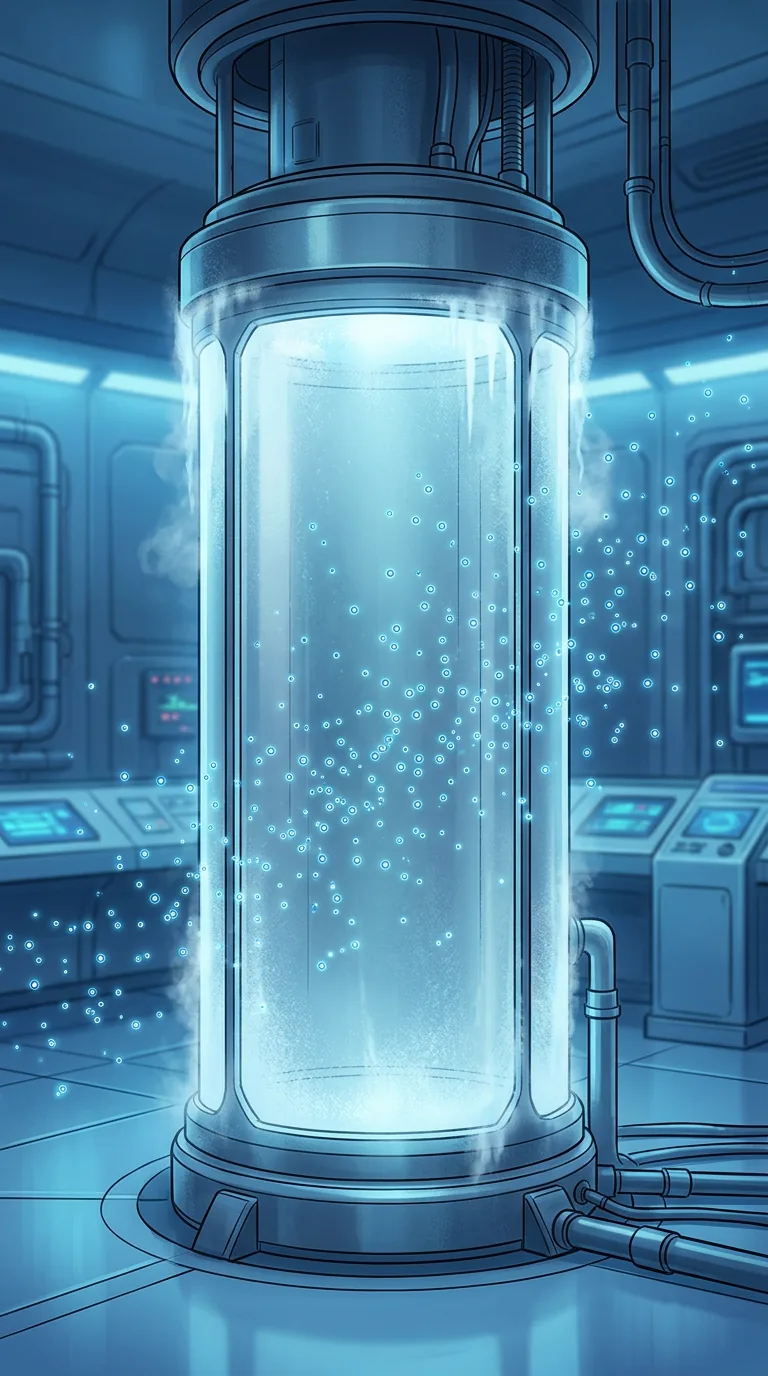
The atom is so small it slips between the lattice atoms of solid metal. Tanks of liquid helium lose roughly 1% per day no matter the seal — there is no perfect container.

"Desert" means low precipitation, not heat. With under 200 mm of annual snowfall, the 14-million-km² continent dwarfs the Sahara nearly twice over.

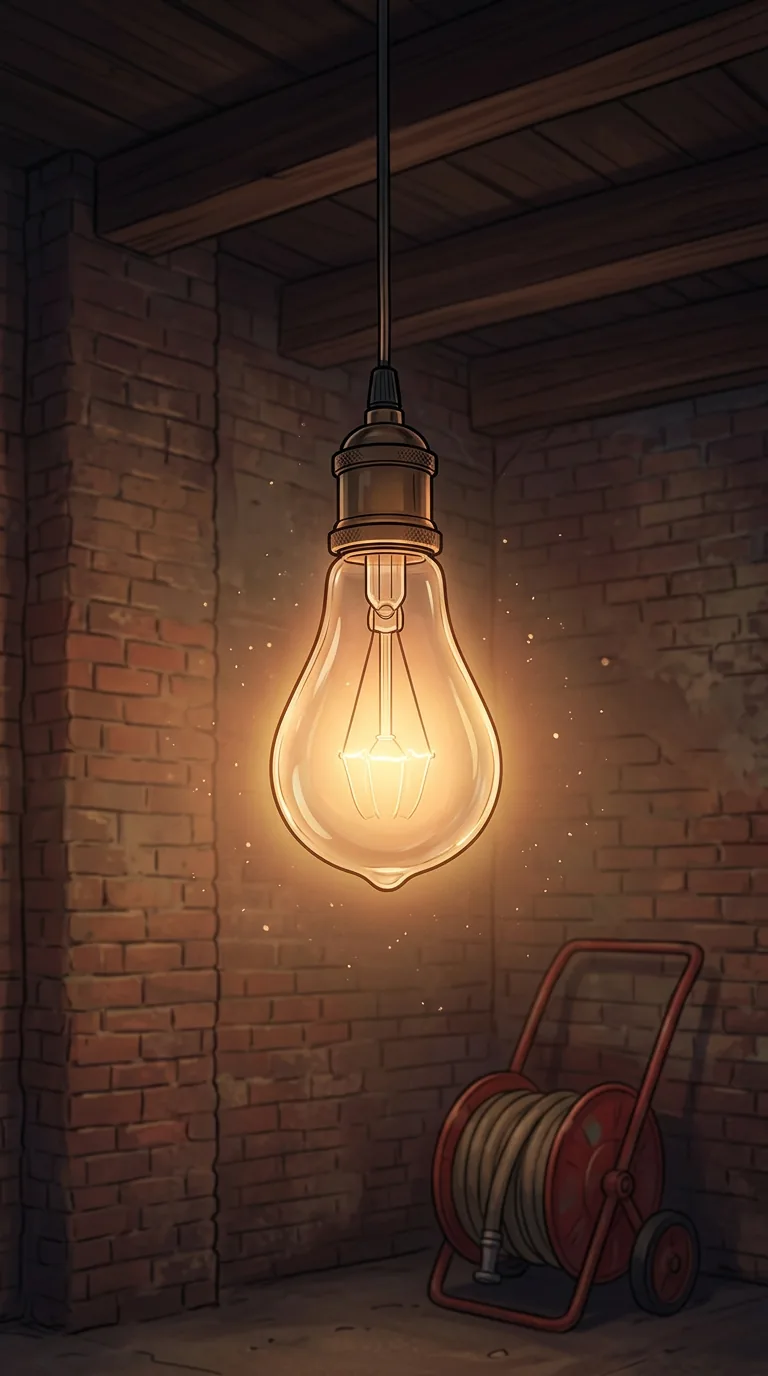
The "Centennial Bulb" at Livermore Fire Station 6 has the unusual fact of an inefficient thick filament — exactly what made it last. It's still glowing today on a hand-blown carbon design.

Earth bulges 43 km wider at the middle, and centrifugal force pulls outward as the planet spins. A 100-kg person flying from Norway to Ecuador loses about half a kilogram on the scale.

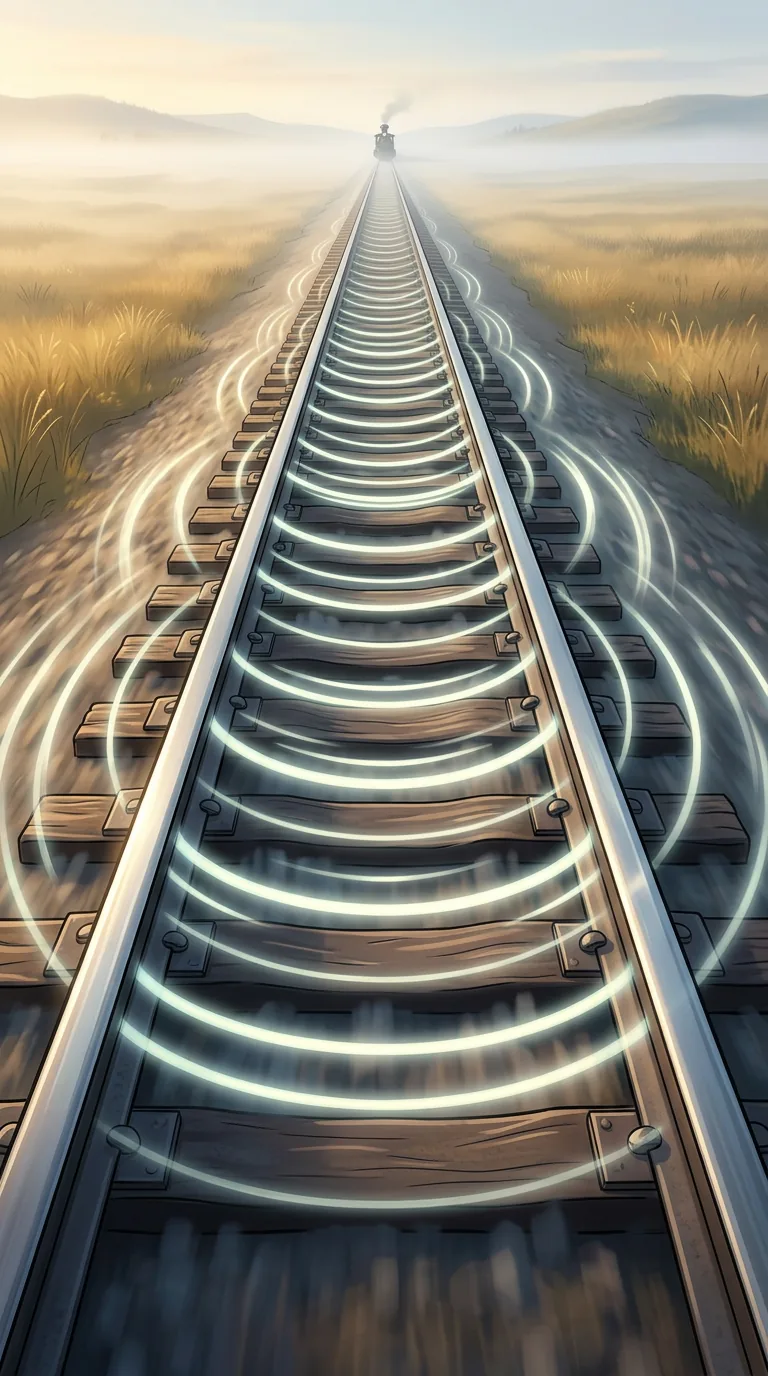
In air: 343 m/s. In water: 1,480. In steel: 5,100. The denser and stiffer the medium, the faster vibrations pass — which is why train tracks "sing" before you hear the train.

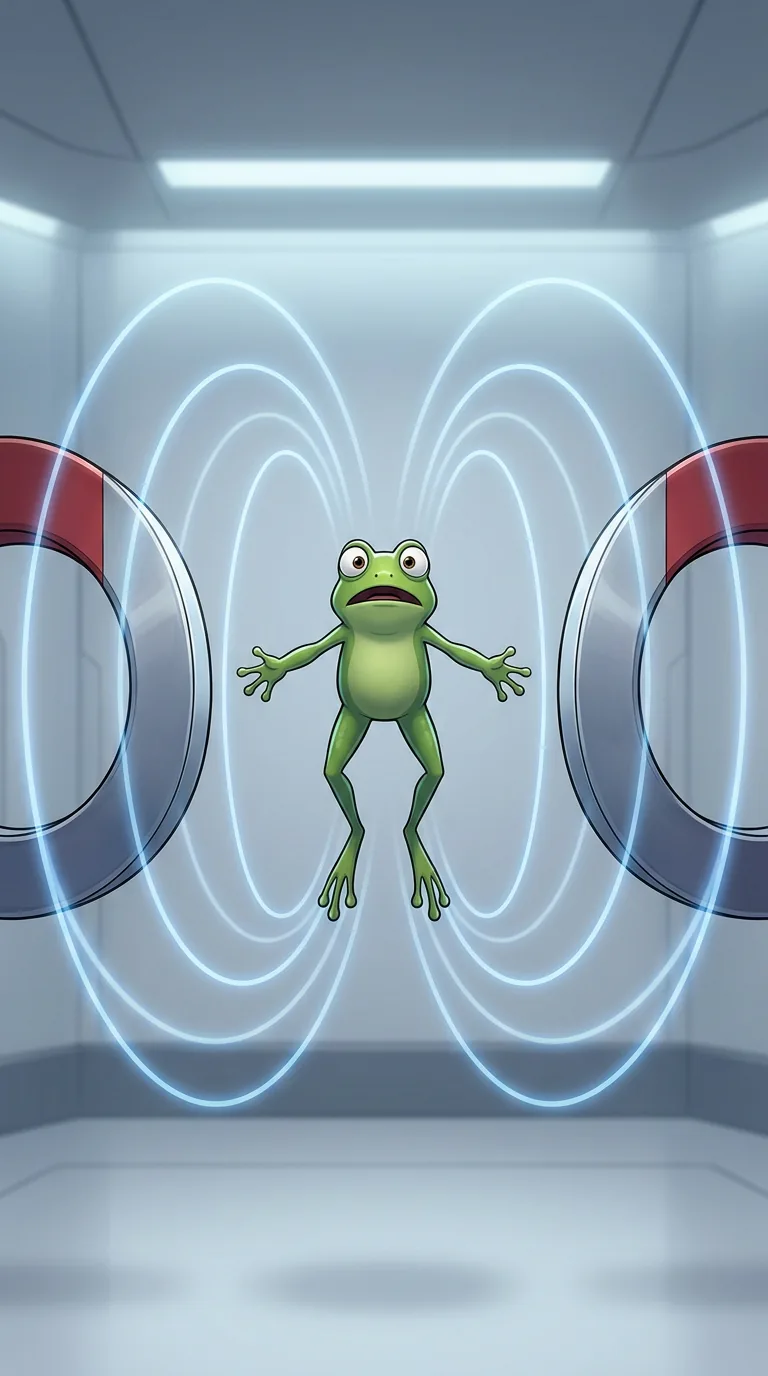
Every material weakly repels magnetic fields — including water. In a 16-Tesla field at Nijmegen in 1997, scientists made frogs and grasshoppers float in mid-air.

Galaxies rotate as if held by mass we can't detect (dark matter, 27%). The cosmos accelerates outward as if pushed by negative pressure (dark energy, 68%). The rest is everything we know.

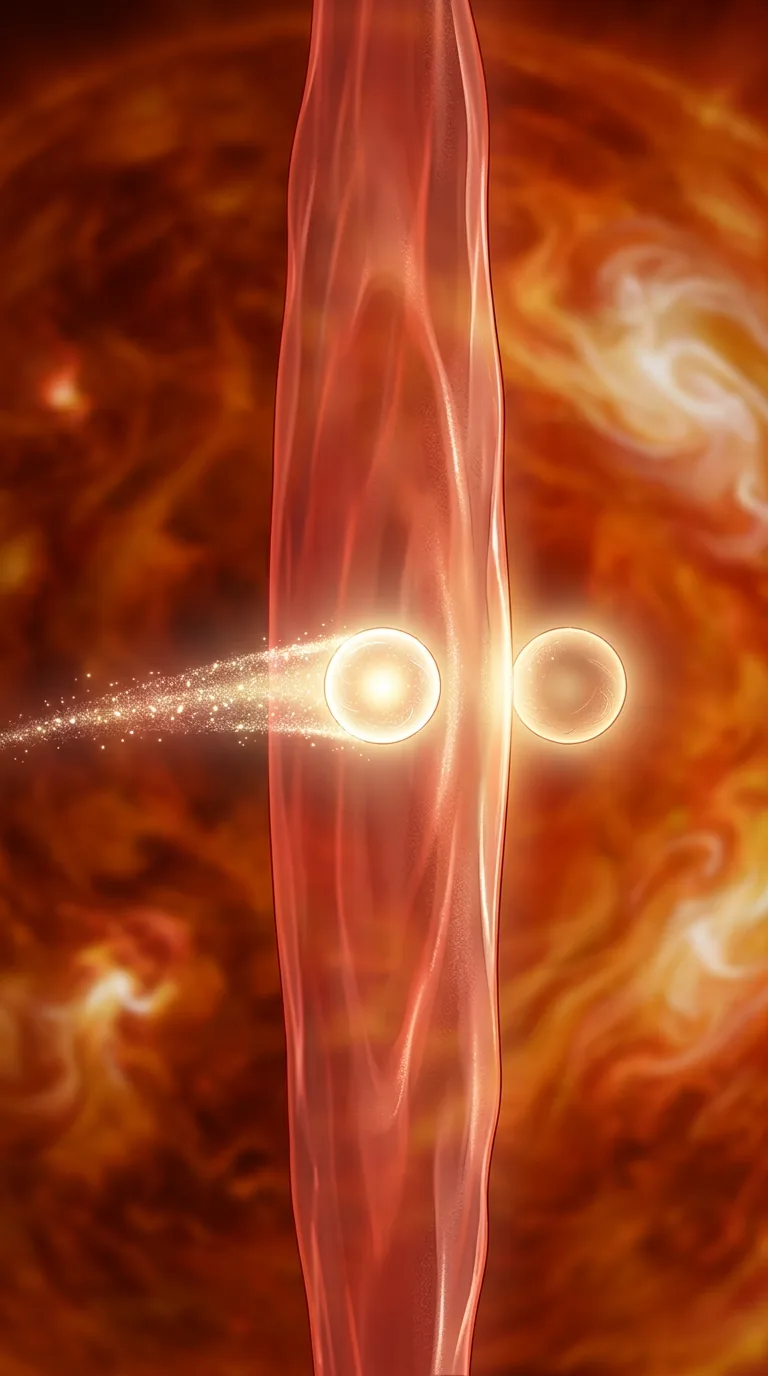
Protons in the core don't classically have enough energy to fuse — they should always repel. They borrow energy from quantum uncertainty and tunnel through the barrier. Without it, no stars.

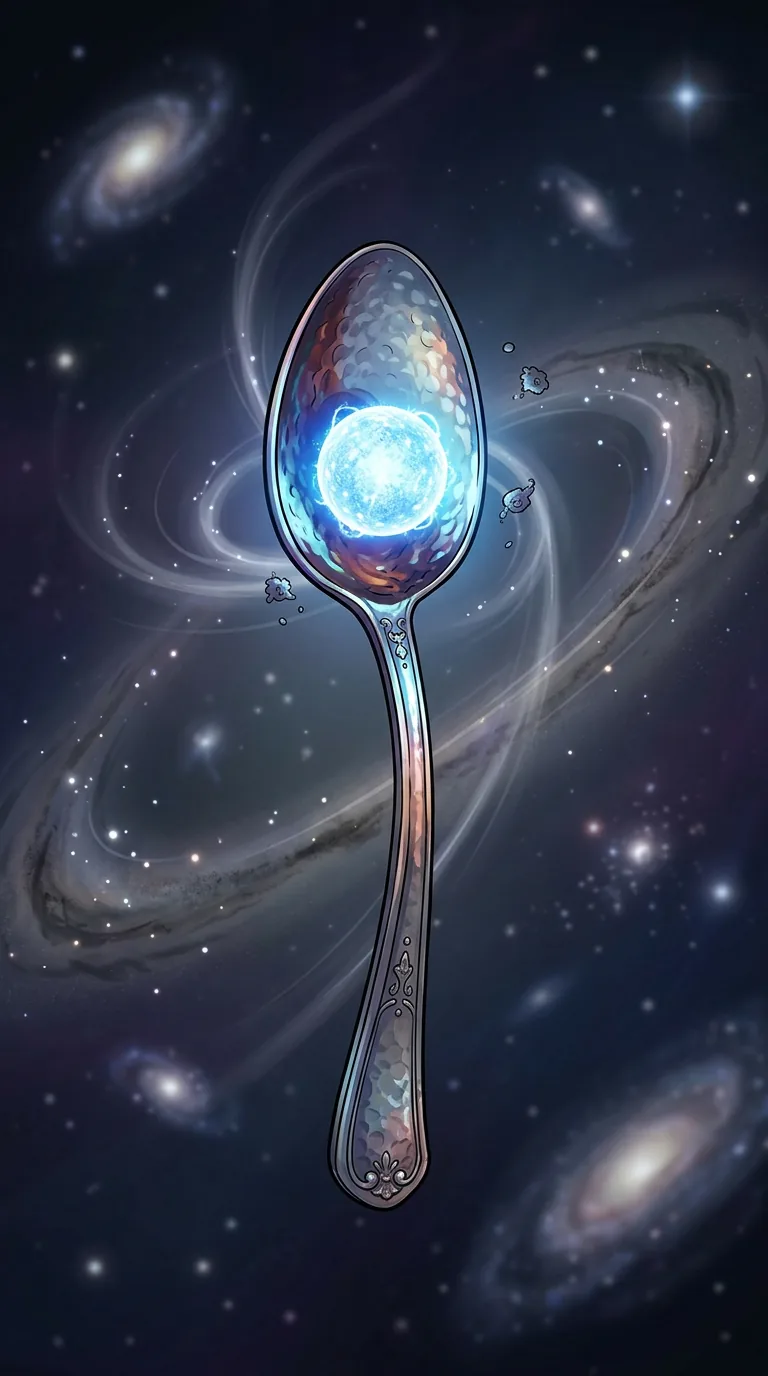
Photons fired from six directions absorb the atom's momentum and slow it nearly to a stop. The 1997 Nobel technique produced colder temperatures than anywhere in deep space.

Stronger gravity slows time. GPS satellites would drift 38 microseconds a day if engineers didn't correct for relativity — your navigation app would be 11 km off by sunset.

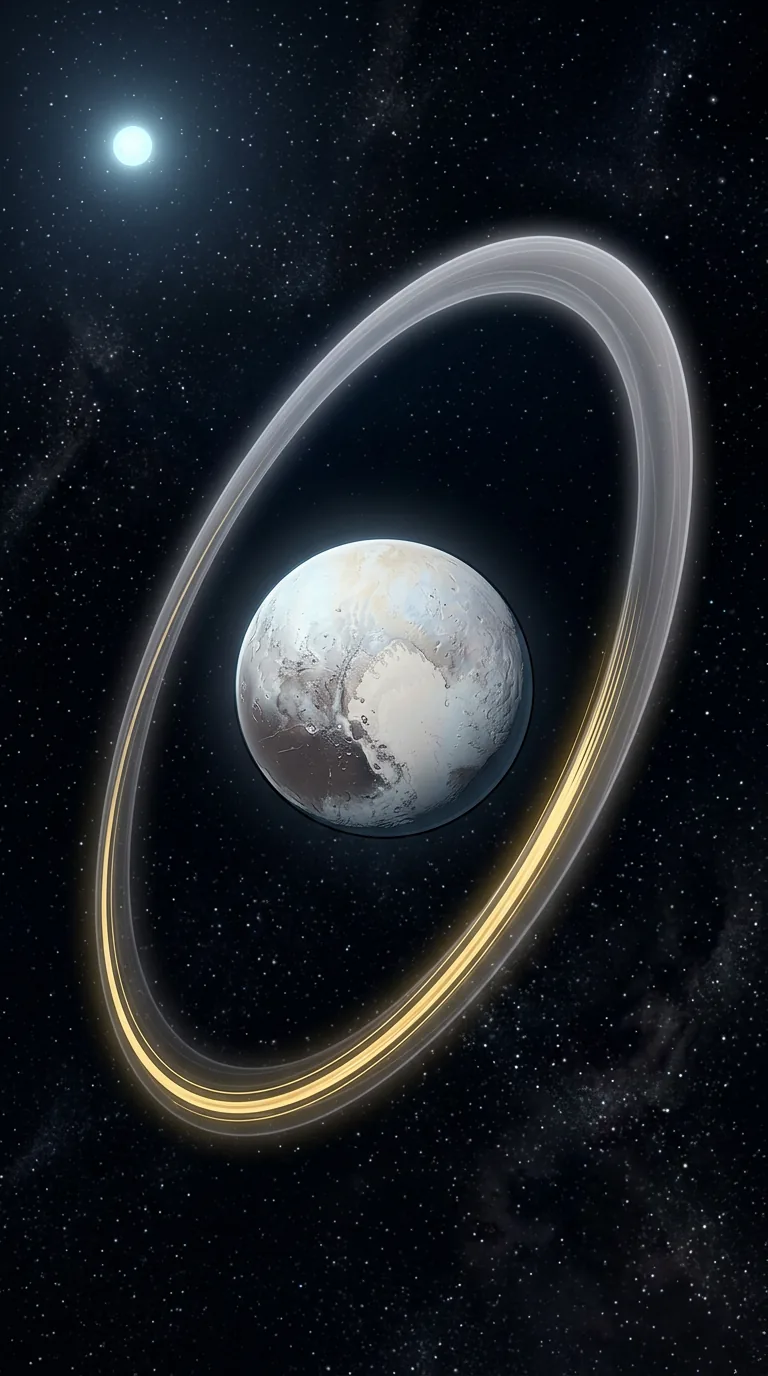
Clyde Tombaugh spotted Pluto in 1930. Its 248-Earth-year orbit means the dwarf planet won't return to the same point in space until the year 2178.

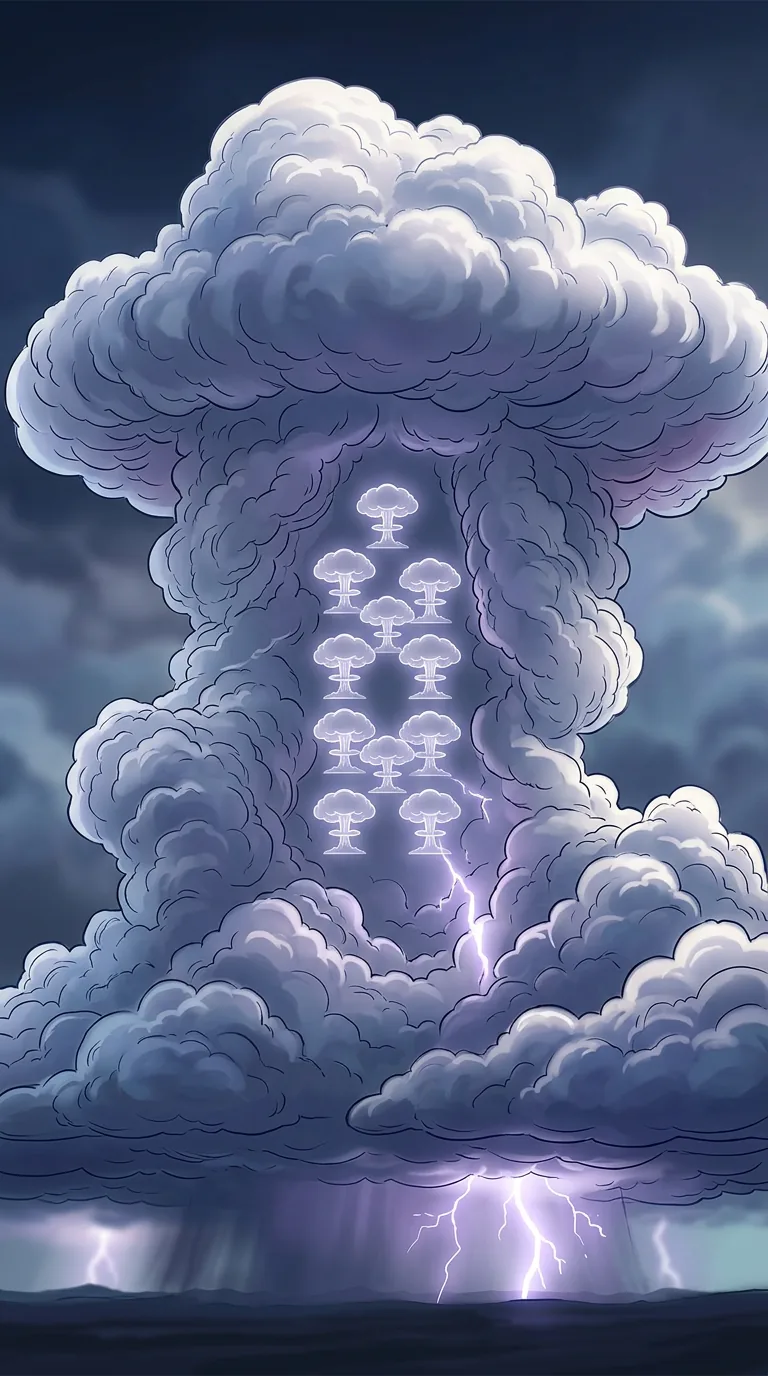
Most of it sits in latent heat from condensing water vapour. Released over an hour as wind, rain and lightning, this is why severe storms can flatten cities without any nuclear input.

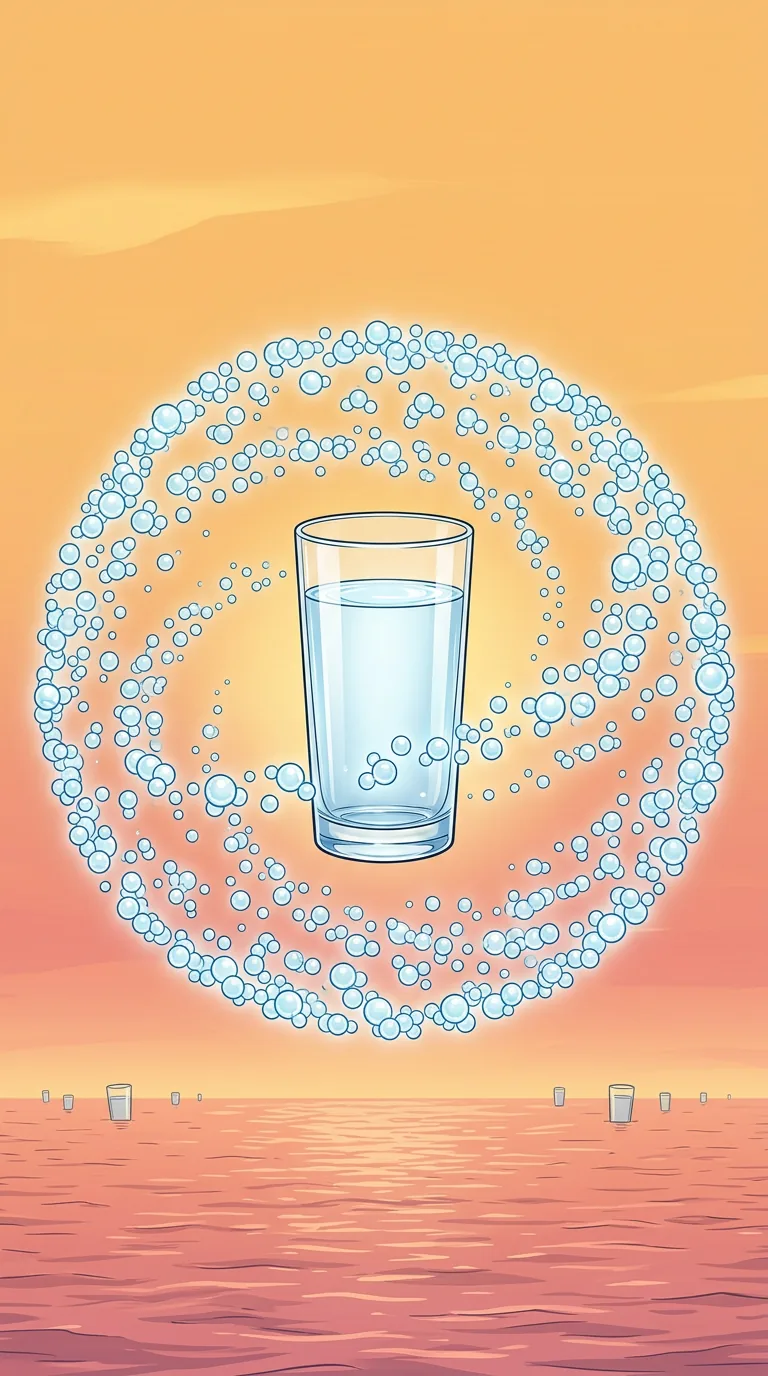
A 250-mL glass holds 8.4 × 10²⁴ molecules. Earth's oceans contain about 5.6 × 10²¹ glasses worth. The atomic count wins by a factor of 1,500.

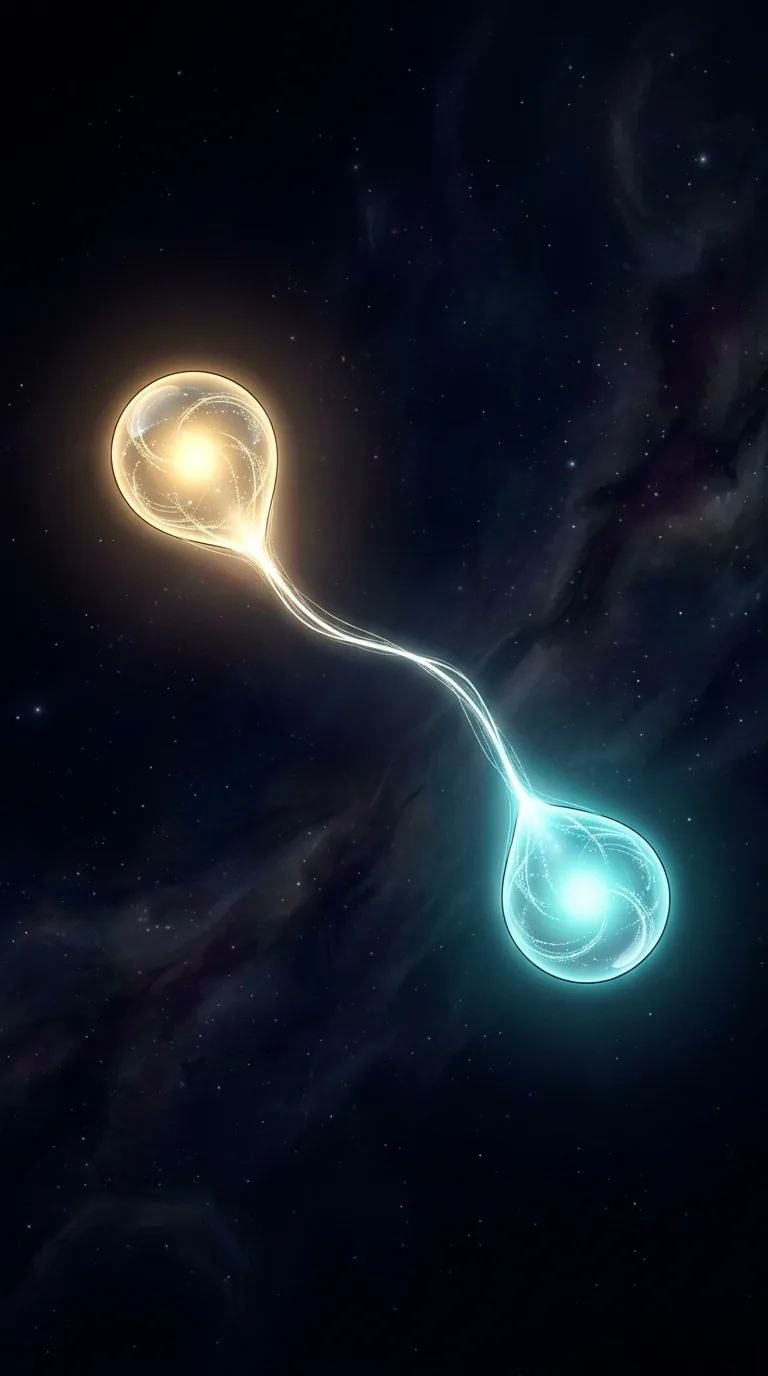
The 2022 physics Nobel closed every classical loophole. Two entangled photons stay perfectly correlated when measured in labs light-years apart. No signal travels — but the link is undeniable.