
550Share
Productivity
Working more than 50 hours a week makes you produce less, not more.
Stanford found output per hour collapses past 50 hours. People doing 70-hour weeks produce roughly the same as those doing 55 — they just look busier.

NOW WATCHING
Productivity · Facts
Stanford found output per hour collapses past 50 hours. People doing 70-hour weeks produce roughly the same as those doing 55 — they just look busier.
 Swipe up or down to explore more
Ultradian rhythms cycle through the day. Pushing past 90 minutes feels productive but quality silently degrades — until a 15-minute break resets you.

A University of London study found switching tasks drops effective IQ by about 10 points. The hit is bigger than cannabis and roughly the same as missing a full night of sleep.

Pre-committed plans bypass morning decision fatigue. Three written tasks the night before consistently outperform elaborate digital systems.

Cortisol-driven alertness peaks early. Spending the sharpest hours on reactive tasks trades irreplaceable cognitive bandwidth for low-value busywork.

UC Irvine research found that once knocked off task, people need an average of 23 minutes and 15 seconds to return to the original work at full depth.
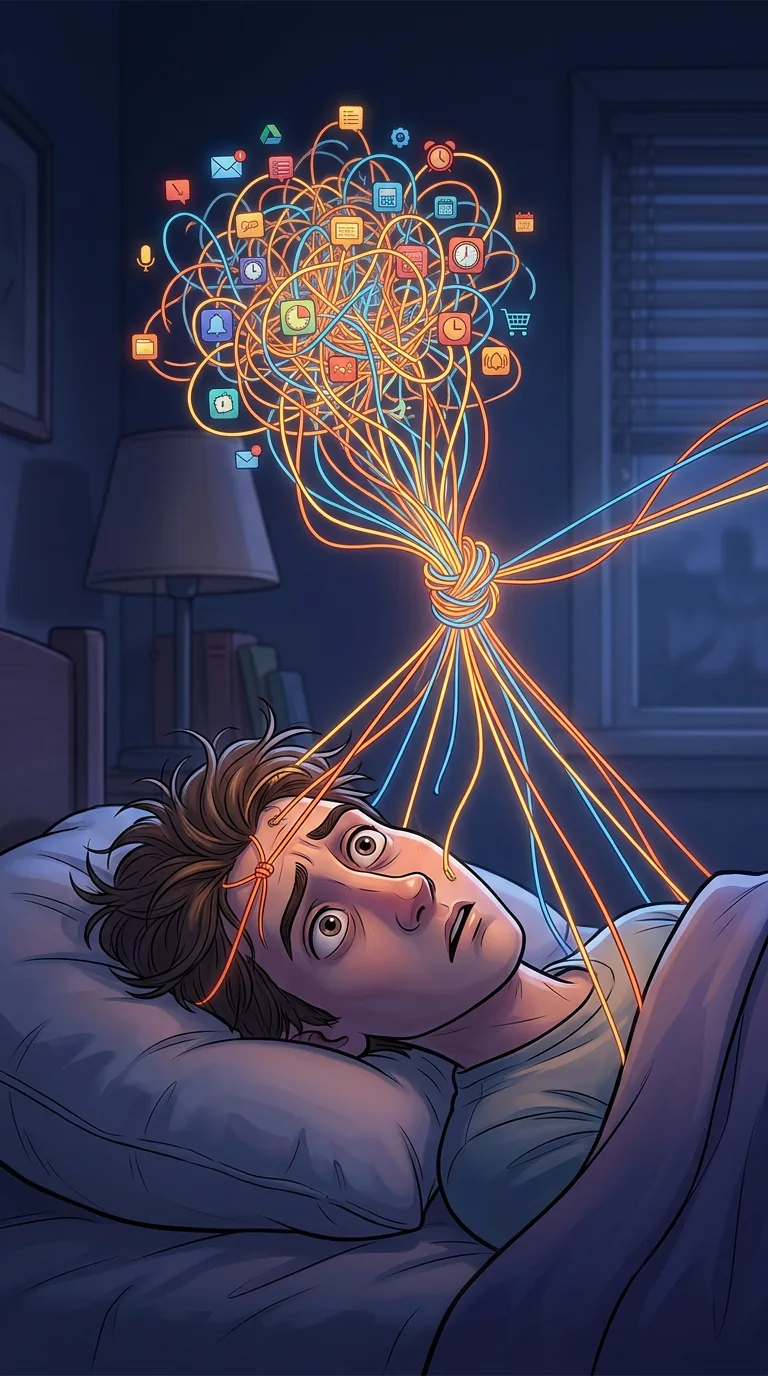
Psychologist Bluma Zeigarnik showed the mind clings to incomplete tasks, which is why writing them down to 'close the loop' frees mental bandwidth.
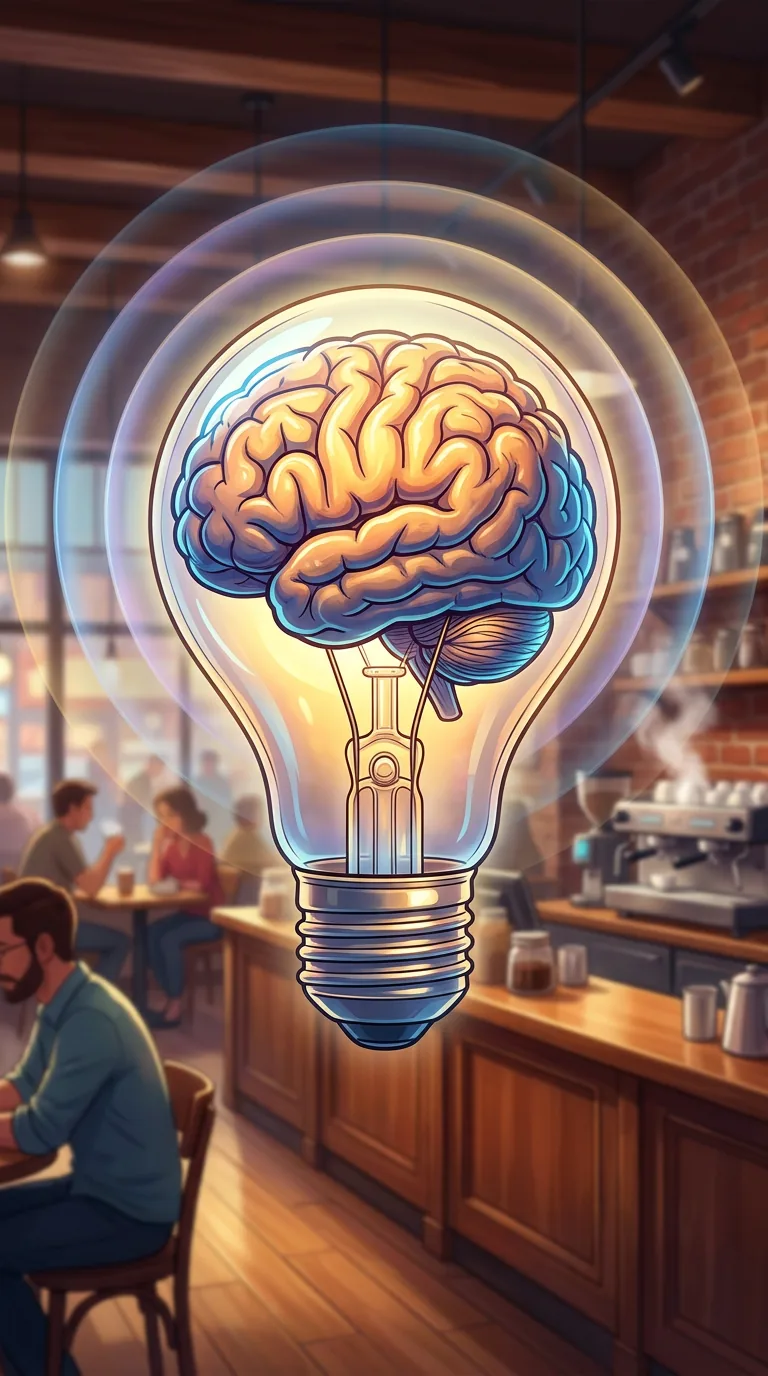
Studies found ambient noise like a coffee shop's ~70 dB improved creative problem-solving compared with both silence and loud, distracting noise.

Stanford researchers found walking raised creative generation by an average of 60% versus sitting, with the boost lingering shortly after you sit back down.

The famous ego-depletion studies didn't hold up in large re-tests; belief and motivation shape self-control far more than a literal daily reserve.

'Implementation intention' research shows adding when-and-where ('9am, at my desk') roughly doubles follow-through versus a bare line on a list.

Studies show private deadlines get ignored, but announcing one to other people triggers accountability that sharply raises the odds you finish on time.

Give a task a week and it fills a week; give it an afternoon and it's often done by evening. Tight, deliberate time-boxes routinely beat open-ended ones.

Princeton neuroscience found objects in view force the visual cortex to process competing stimuli, leaving fewer resources for the task in front of you.

Sleep research shows short naps sharpen alertness, while longer ones drop you into deep sleep and cause 'sleep inertia' — waking up foggier than before.
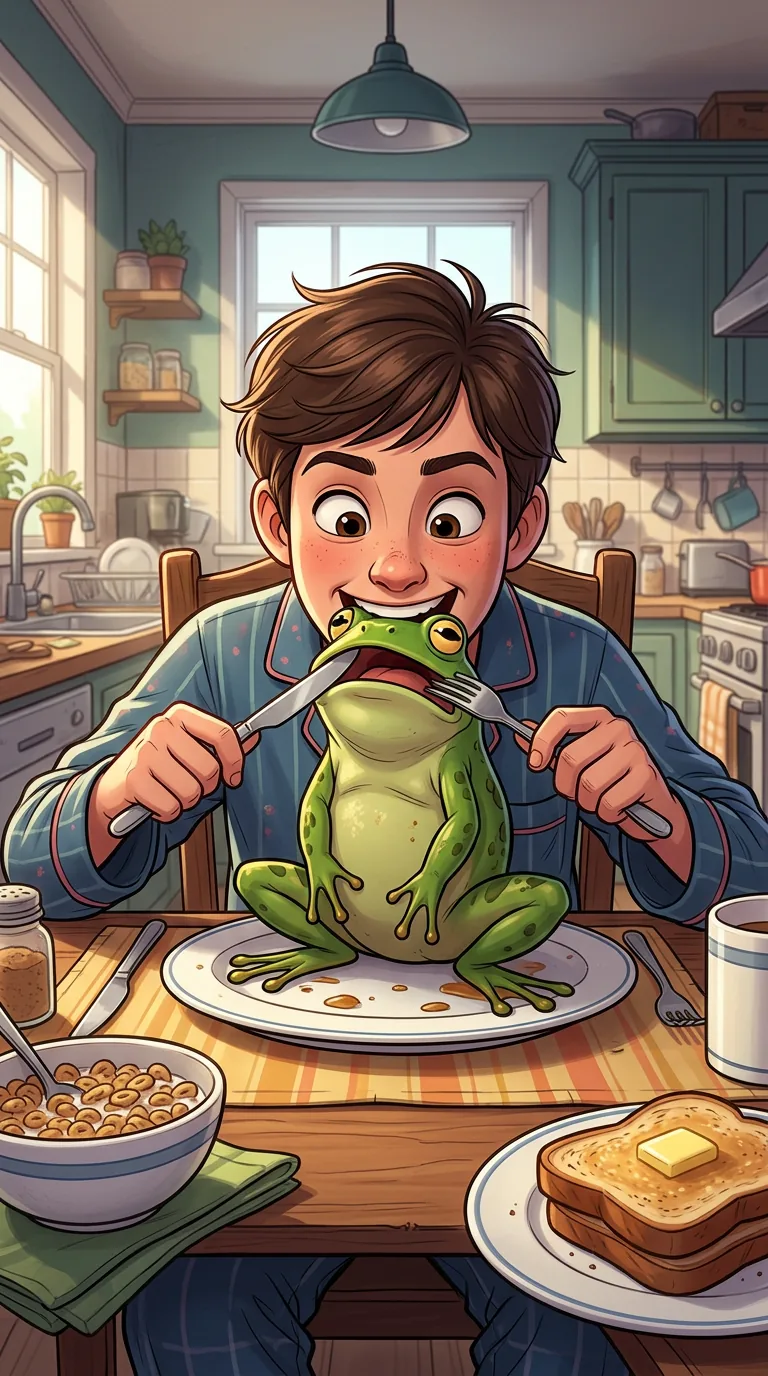
Energy and decision quality fall as the day wears on, so tackling the 'frog' first locks in your scarcest fresh focus before meetings erode it.

A study of parole boards found favorable rulings sank toward zero before breaks and jumped after food — tired, depleted brains default to the safe 'no.'
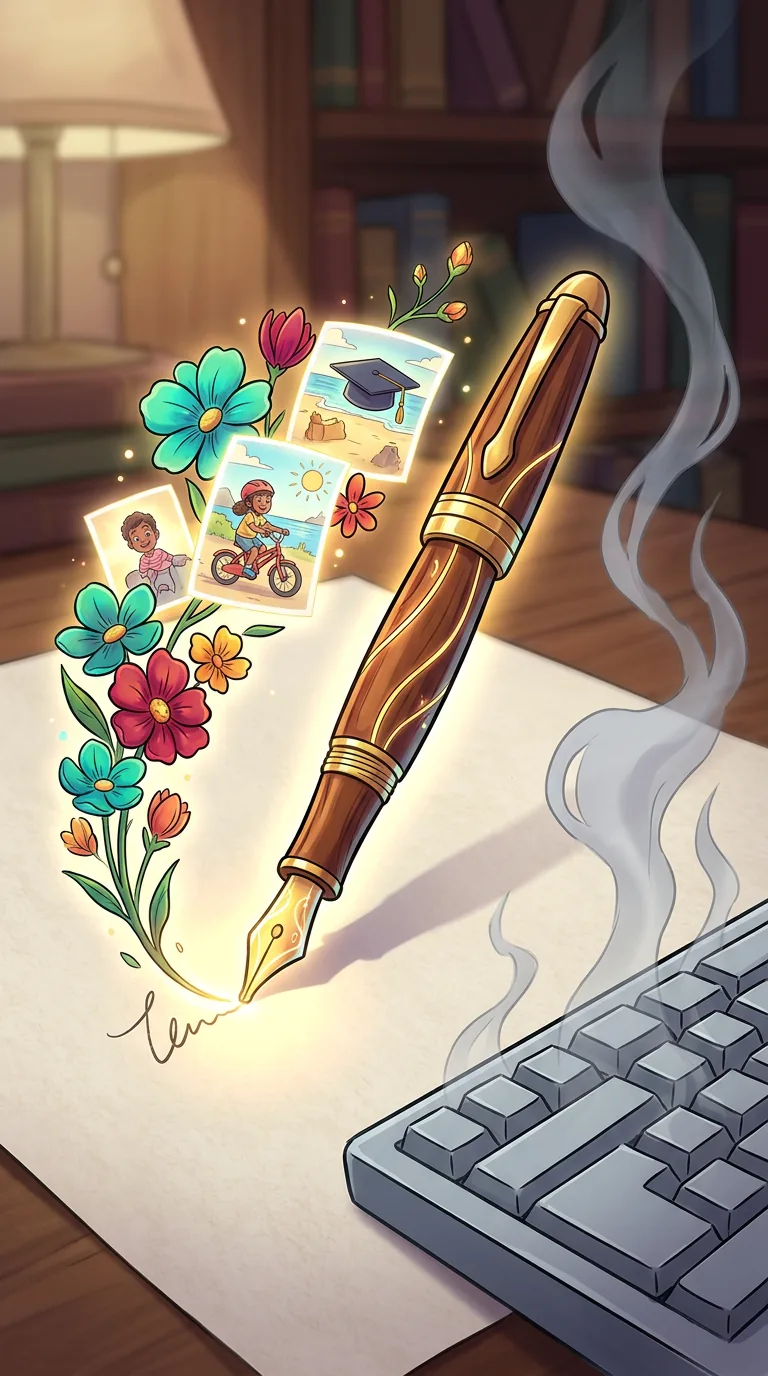
Princeton/UCLA research found longhand note-takers understood and retained more, because writing forces you to summarize instead of transcribe word-for-word.
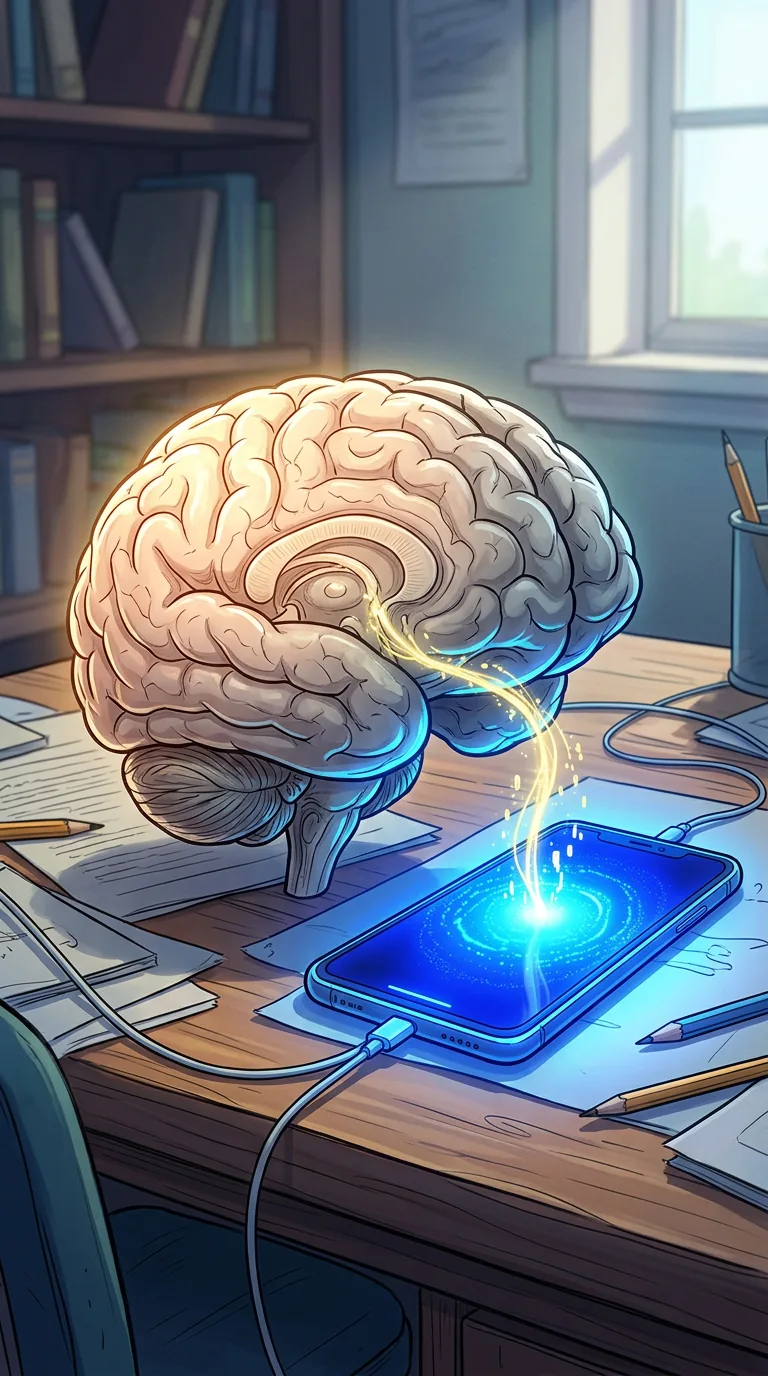
A University of Texas study found that a visible phone — even powered off — measurably reduced available cognitive capacity compared with leaving it elsewhere.

Research splits by task: lyrics impair language-heavy work like writing, yet familiar music lifts mood and pace on monotonous, low-thinking tasks.

From GTD: if something takes under two minutes, do it now. The overhead of tracking and re-remembering tiny tasks usually costs more than just doing them.

APA research on switching found that reloading context each time you toggle between tasks can consume as much as 40% of someone's effective output.
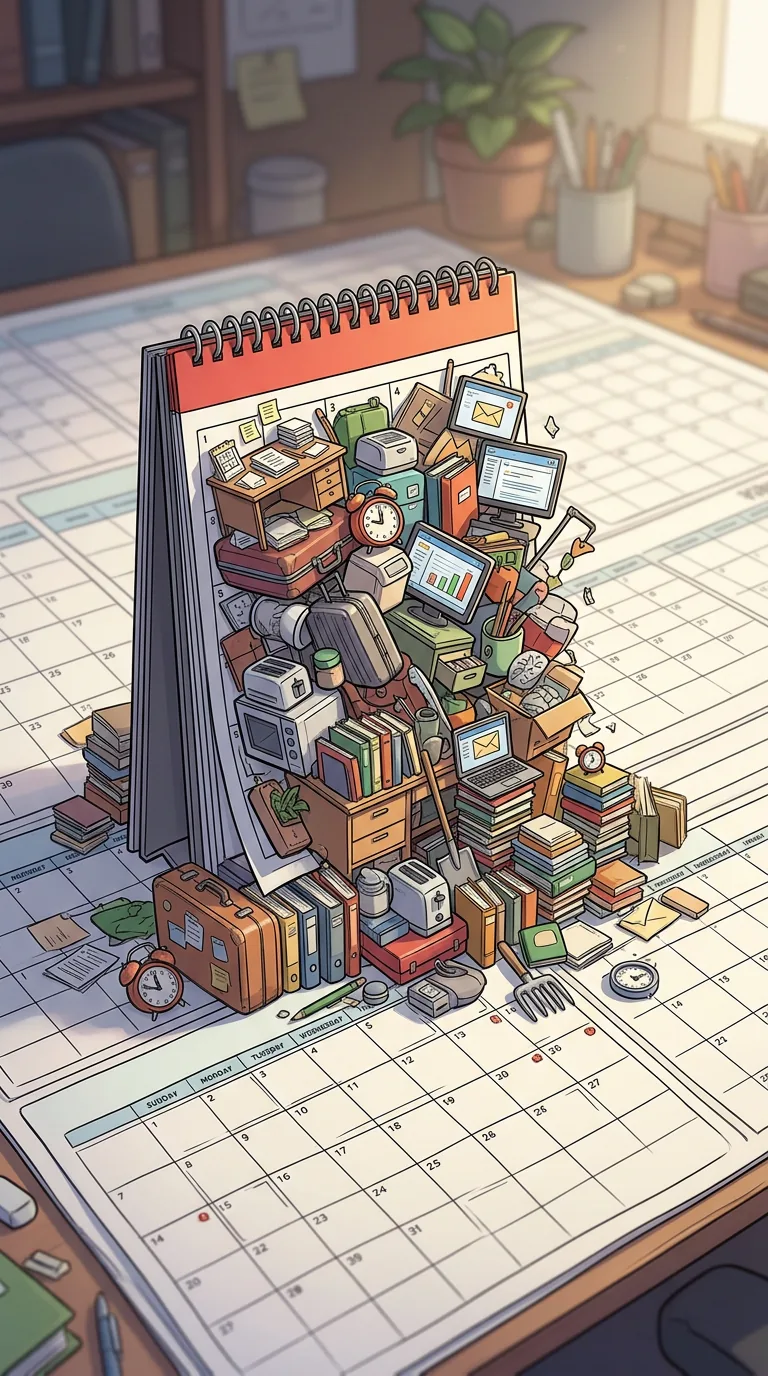
The 'planning fallacy' makes daily plans too ambitious and yearly ones too timid — steady small consistency compounds far beyond what a single day suggests.

Constant inbox-checking keeps you reactive; studies show people who batch email to set windows report lower stress and protect longer stretches of deep work.

Concrete plans with a trigger ('after lunch, I draft the report') engage planning and accountability circuits, beating vague intentions to 'get to it soon.'