
1.5kShare
Psychology
Every time you remember something, your brain quietly rewrites it.
Memory is not a recording. Each recall reconstructs the moment, and small distortions get saved as the new 'original'.

NOW WATCHING
Psychology · Facts
Memory is not a recording. Each recall reconstructs the moment, and small distortions get saved as the new 'original'.
 Swipe up or down to explore more
Illusory superiority shows up everywhere: looks, intelligence, ethics, humour. The brain protects self-image by quietly tilting comparisons in its own favour.

Facial feedback hypothesis: holding a pencil between your teeth (forcing a smile) measurably raised mood in studies. The face leads the brain, not just the reverse.
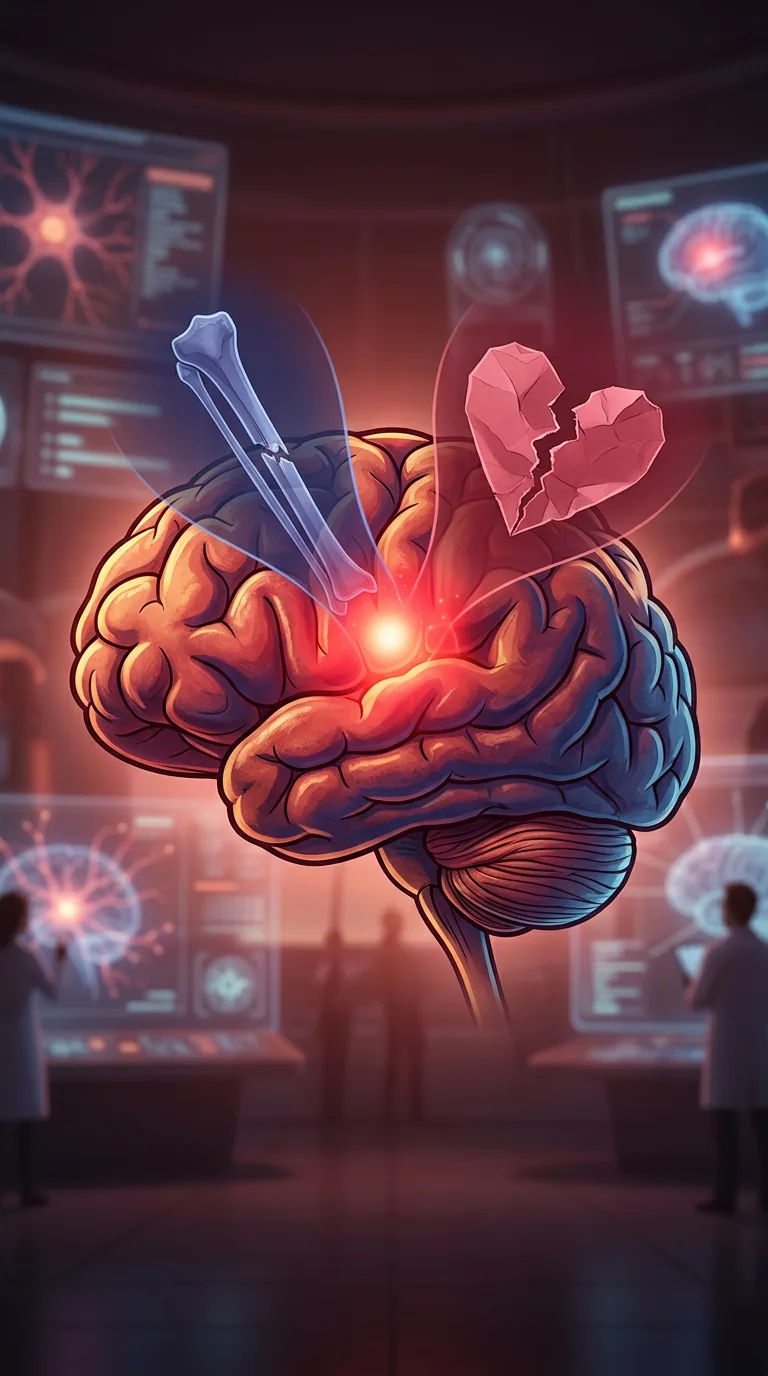
fMRI scans show heartbreak and a broken bone light up overlapping circuits. This is why paracetamol has been shown to slightly reduce emotional pain too.

Researchers estimate roughly 35,000 deliberate choices per waking day. Emotional state silently sets the defaults for nearly all of them.
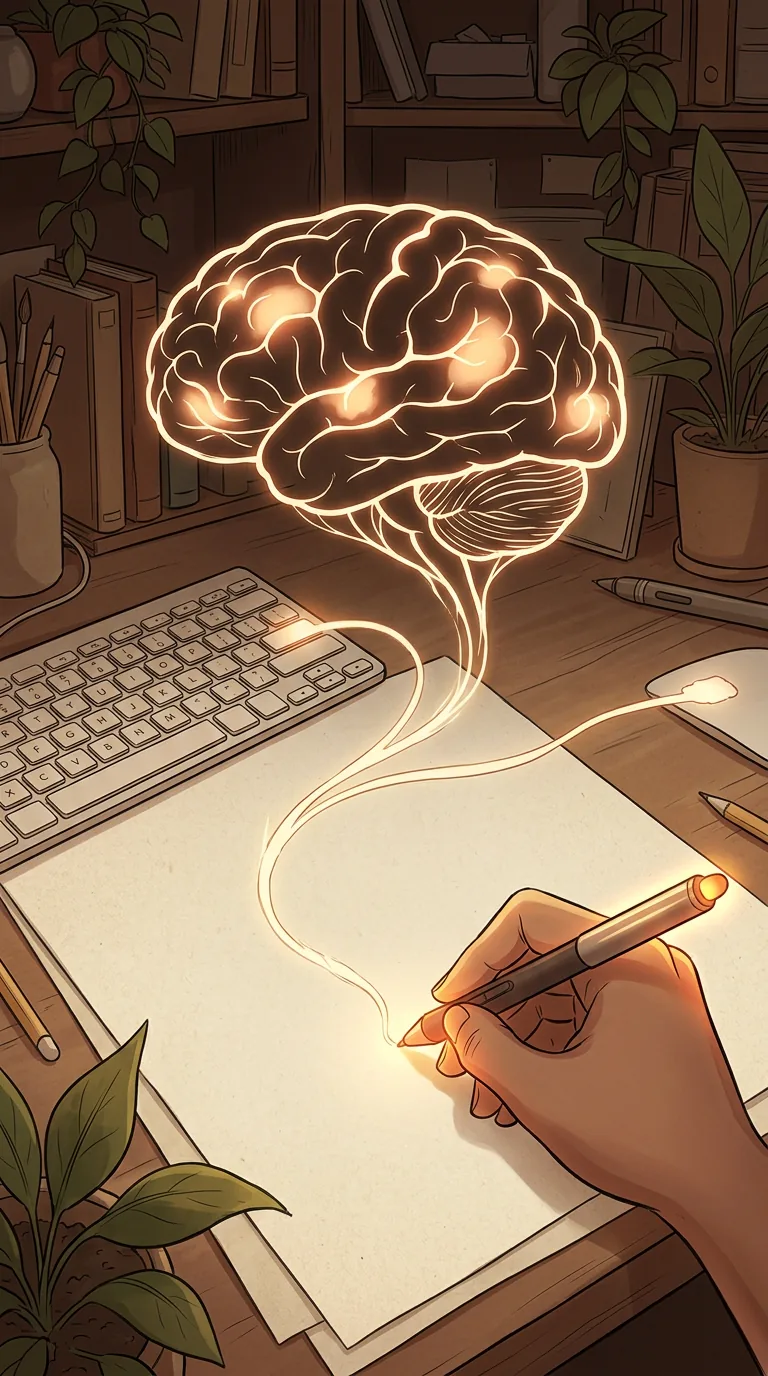
Handwriting activates motor, sensory and memory areas typing can't reach. Studies of students show handwritten notes lead to deeper conceptual understanding.

The pratfall effect: spilling coffee makes an expert feel human and accessible. Already-perceived-as-perfect drops slightly, average climbs sharply. Mistakes humanize.

Researchers had students fold paper or build kits; their own creations sold for far more in their own eyes. Effort creates emotional ownership, regardless of skill.
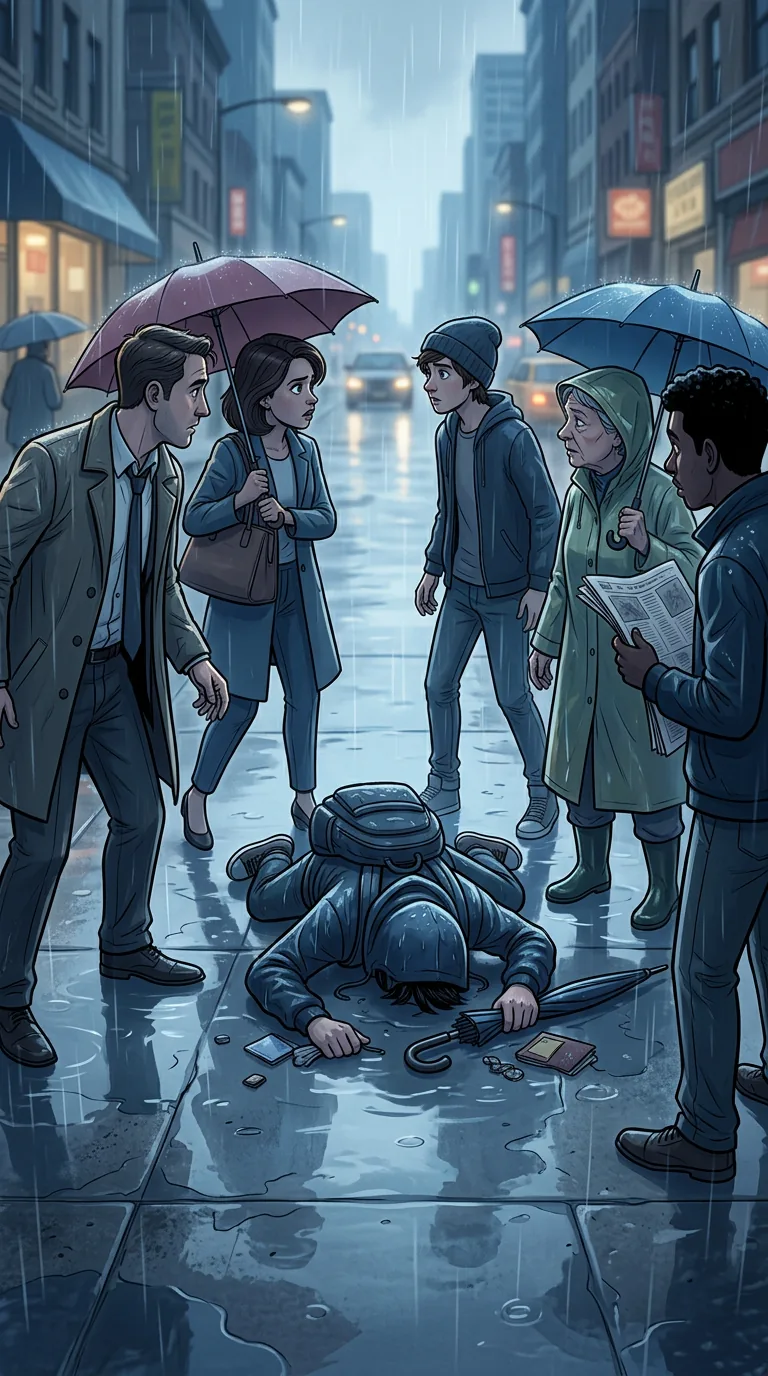
Bystander effect: in tests, one observer helps 70% of the time, five observers help under 40%. Each person silently assumes someone else will step up.

The spotlight effect: subjects wearing dorky T-shirts thought 50% noticed; only 25% actually did. Your brain massively overestimates how much others watch you.
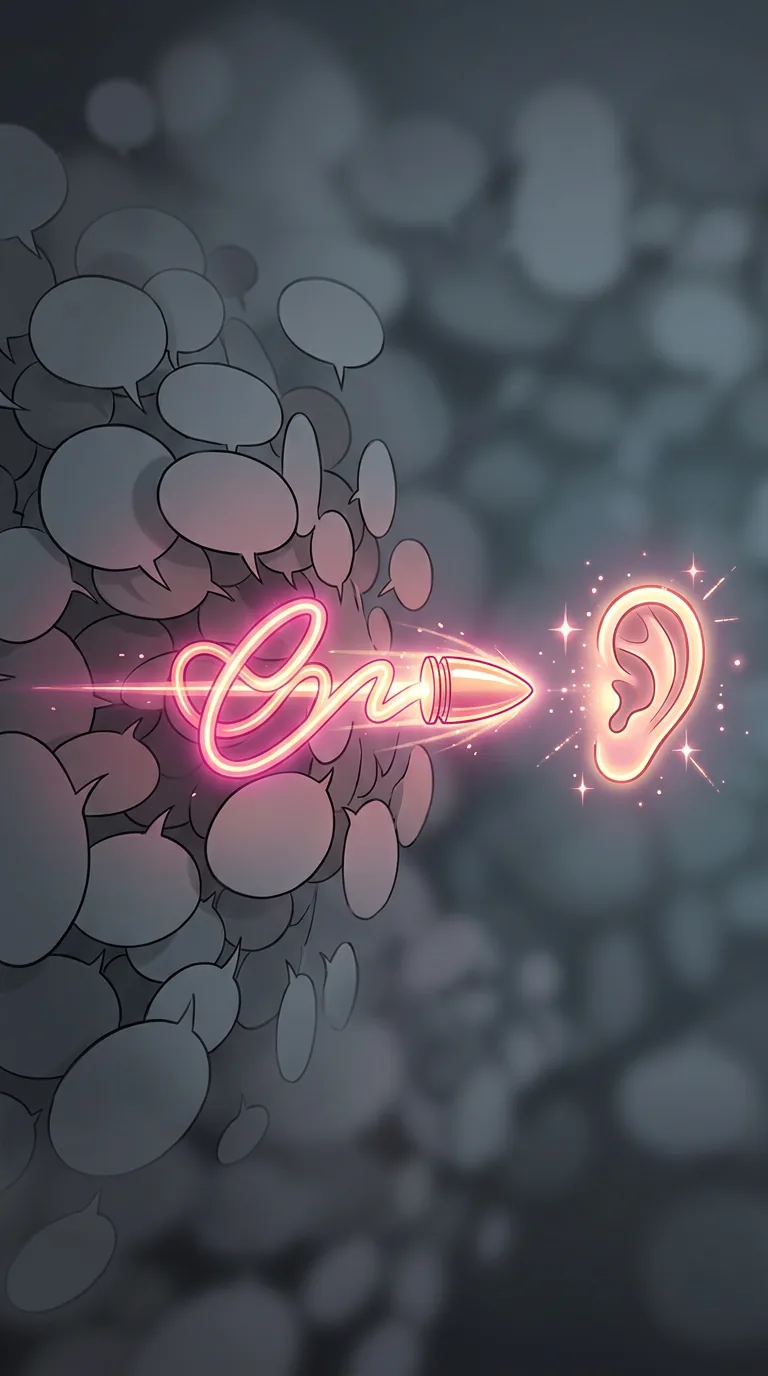
The cocktail party effect: your auditory cortex keeps a quiet thread monitoring incoming sound for personally important tokens. Your name pierces almost any noise floor.
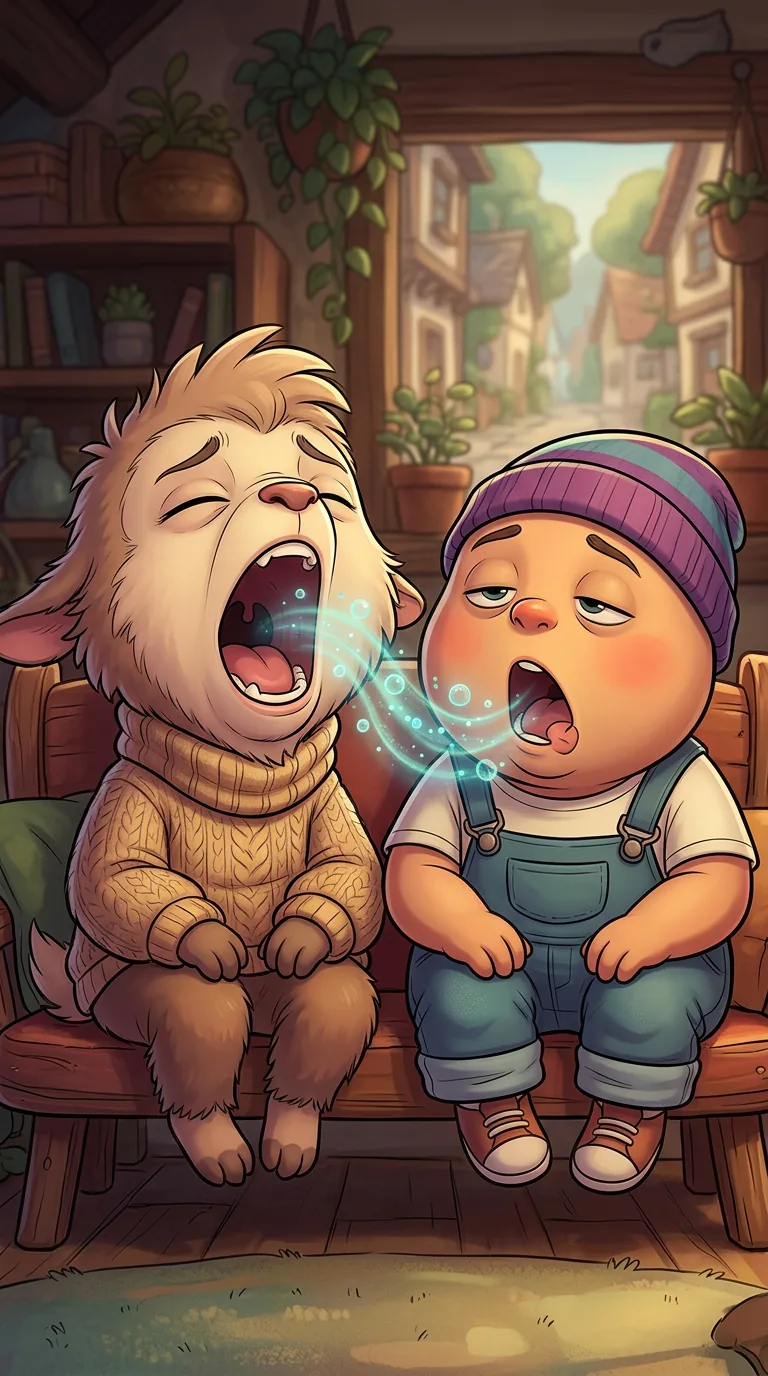
Contagious yawning is one of the most reliable empathy reflexes. It even works between species — dogs yawn back to their owners, but only at people they've bonded with.

Anthropologist Robin Dunbar tied group size to neocortex size across species. Above 150 the social ledger collapses — clans, military companies and villages all cap there.

Embodied cognition: physical warmth quietly translates into social warmth. The same lab subject met with the same interviewer landed in noticeably different impressions.

Red signals fertility and confidence to the visual cortex below conscious thought. Studies across cultures show a 10-20% lift in attractiveness ratings against the same person in blue.
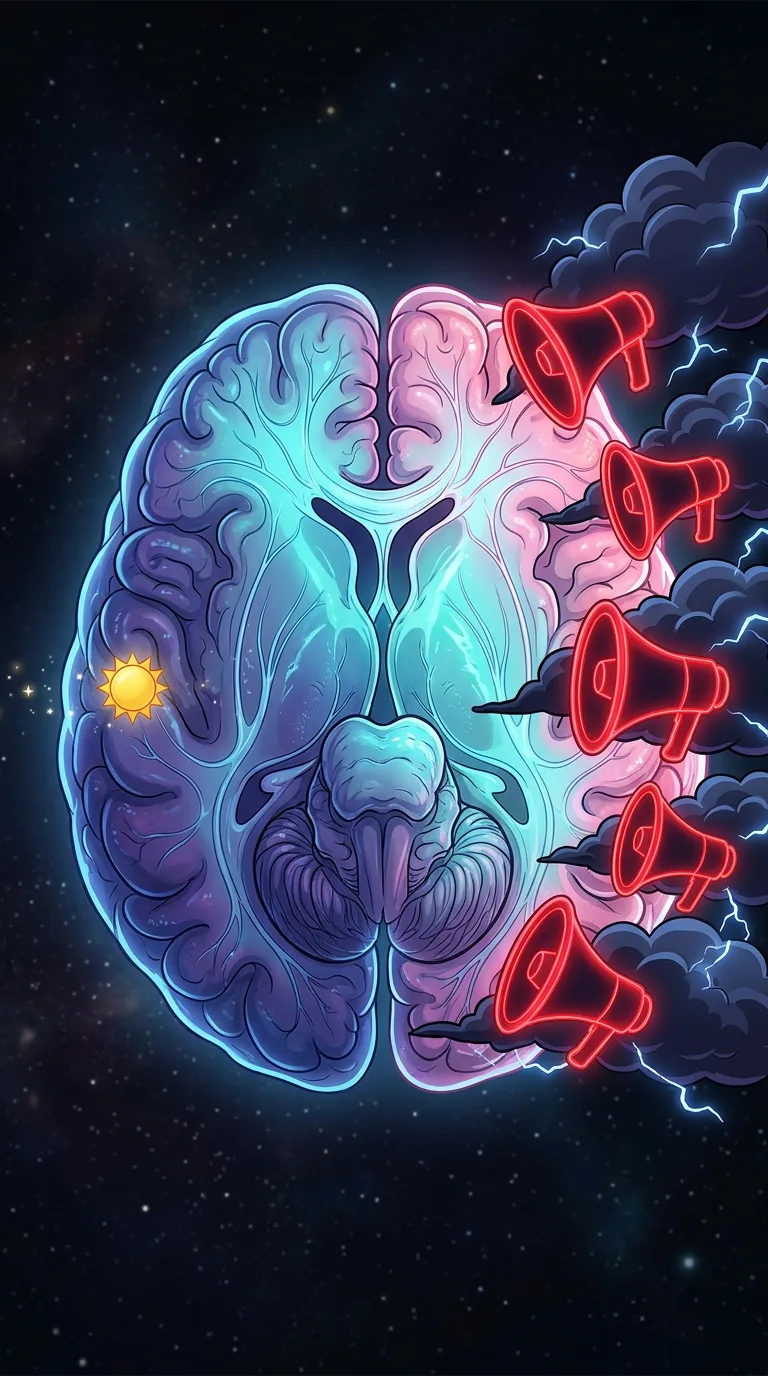
Negativity bias evolved to keep ancestors alive — a missed berry hurts less than a missed predator. The same circuit now makes one critical comment outweigh five compliments.
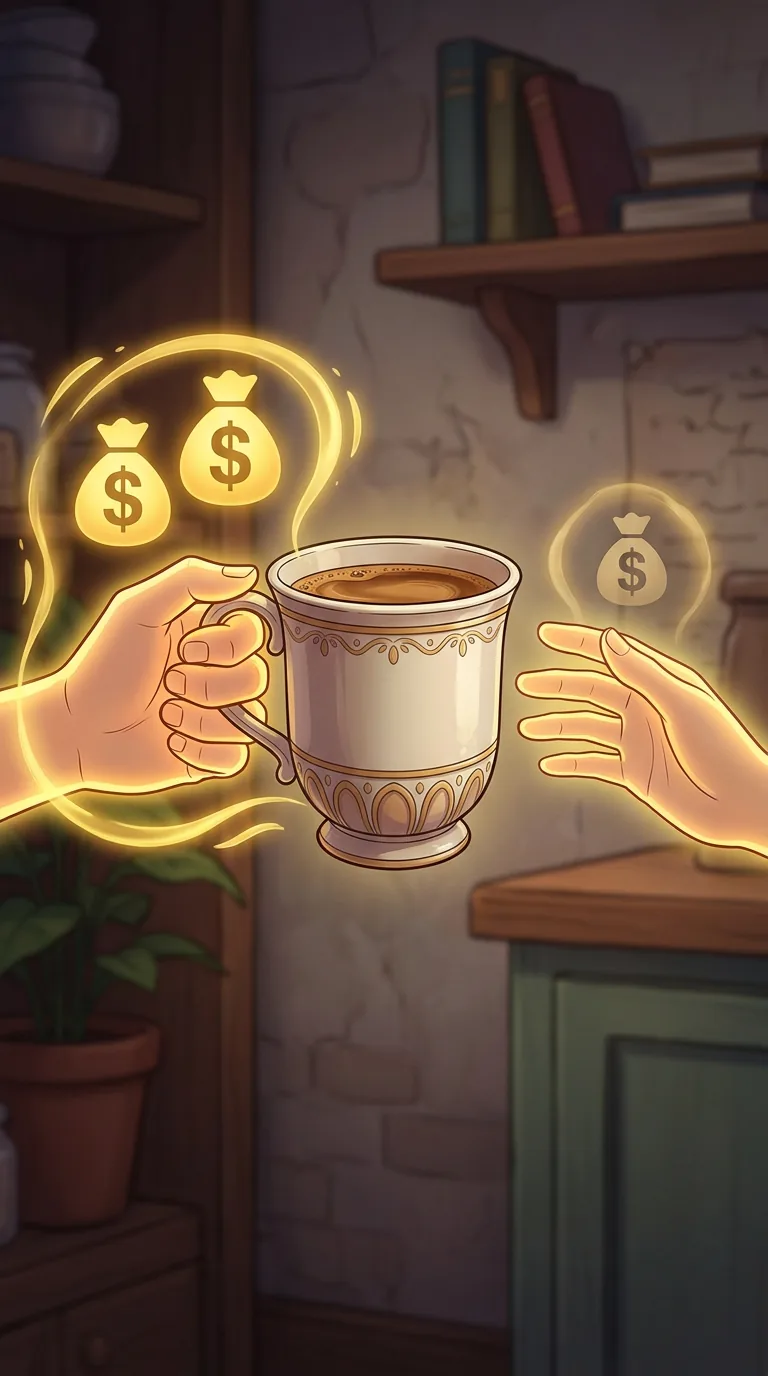
Endowment effect: simply owning something makes you value it 2× more than someone trying to buy it. Listing your own home above market price is the same instinct.
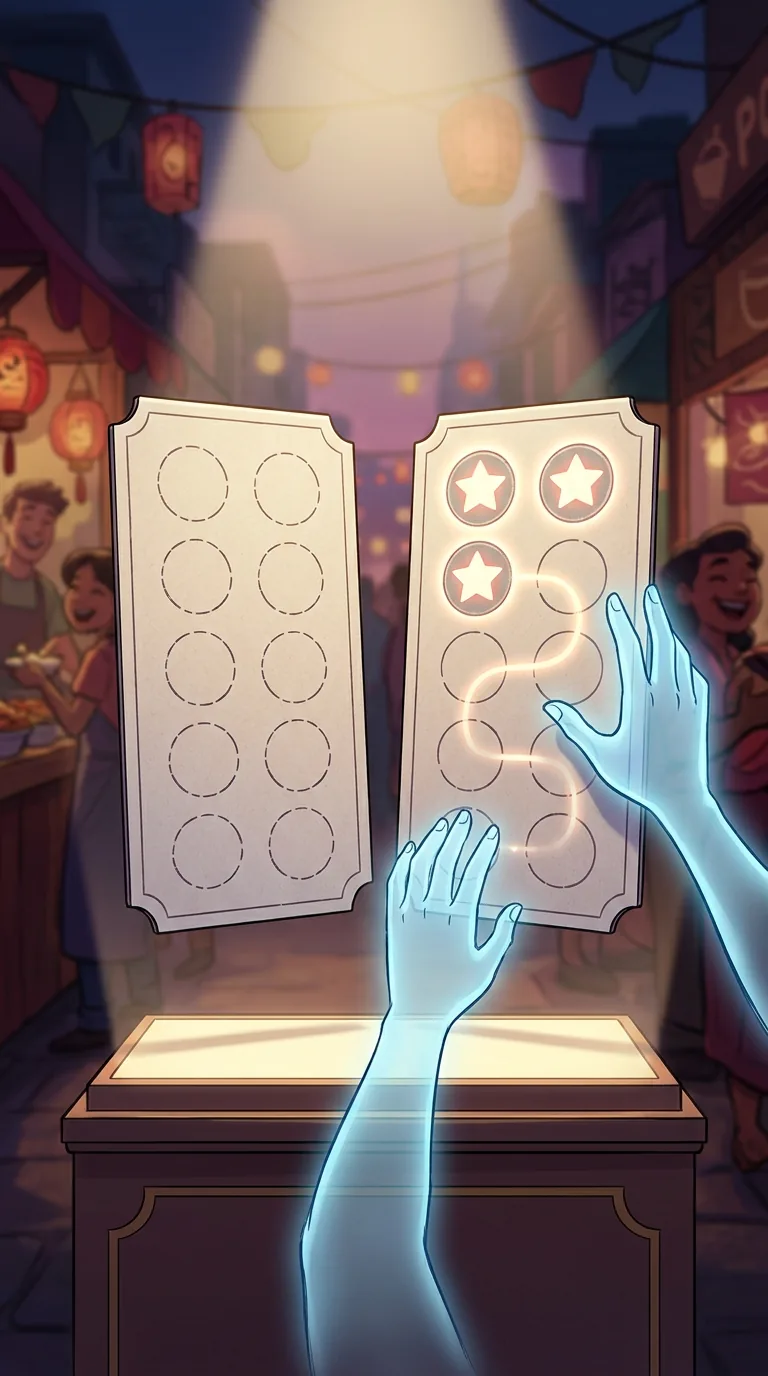
The goal-gradient effect: pre-filled progress feels like the finish line is closer. Same number of stamps needed, but motivation spikes sharply when progress looks underway.

Festinger's cognitive dissonance study: $20 felt like enough reason to lie. $1 didn't — so the brain rewrote the memory to 'I actually liked the task' to keep self-image clean.

Foot-in-the-door: once you say yes once, your self-image quietly updates to 'I'm the kind of person who helps'. Salespeople and scammers know this far better than you do.

Pygmalion effect: Rosenthal labeled kids as bloomers at random. Teachers smiled more, gave better feedback, expected more — and the students measurably outperformed peers.
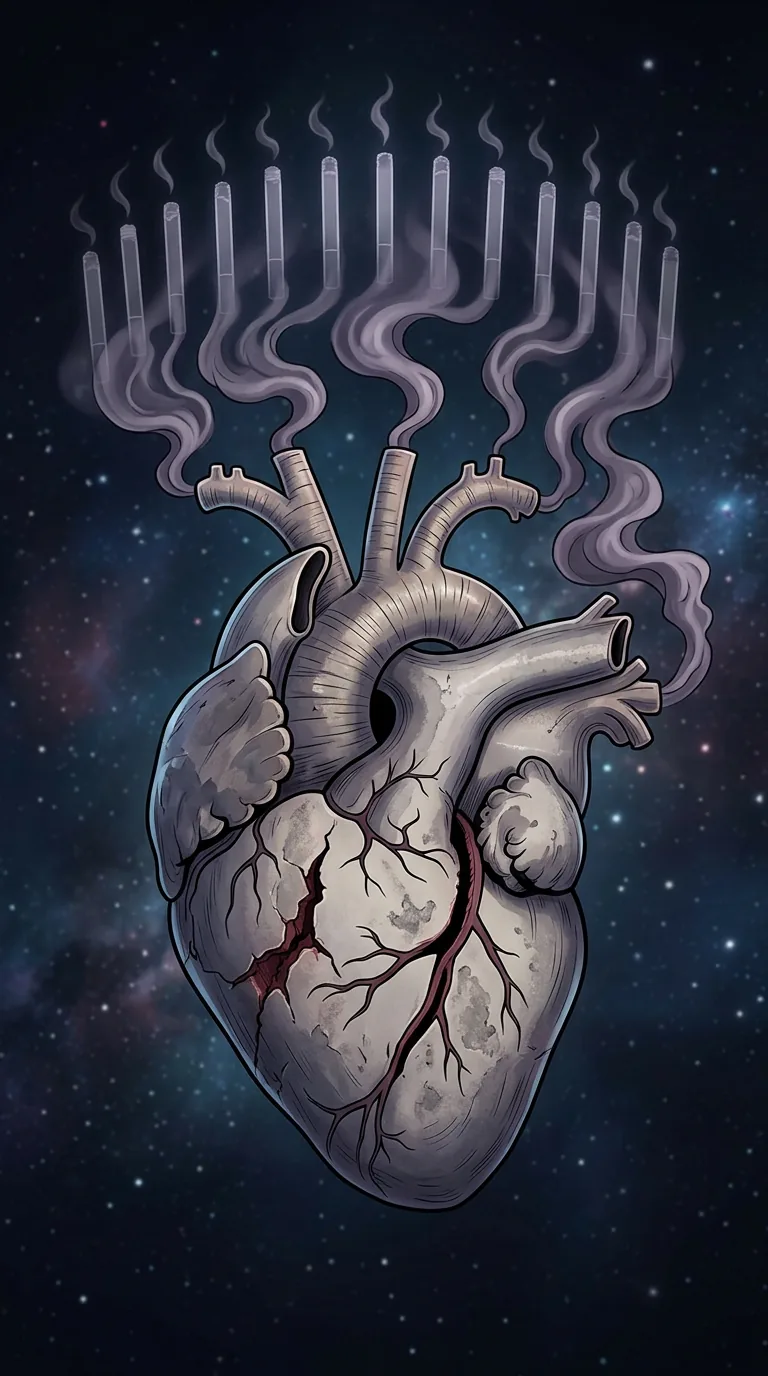
Surgeon General reports peg the mortality risk of social isolation alongside heavy smoking. The body treats loneliness as a constant low-grade emergency — inflammation, sleep loss.

The Hawthorne effect: factory workers improved output regardless of which lighting condition managers tested. Attention itself was the variable, not the lights.
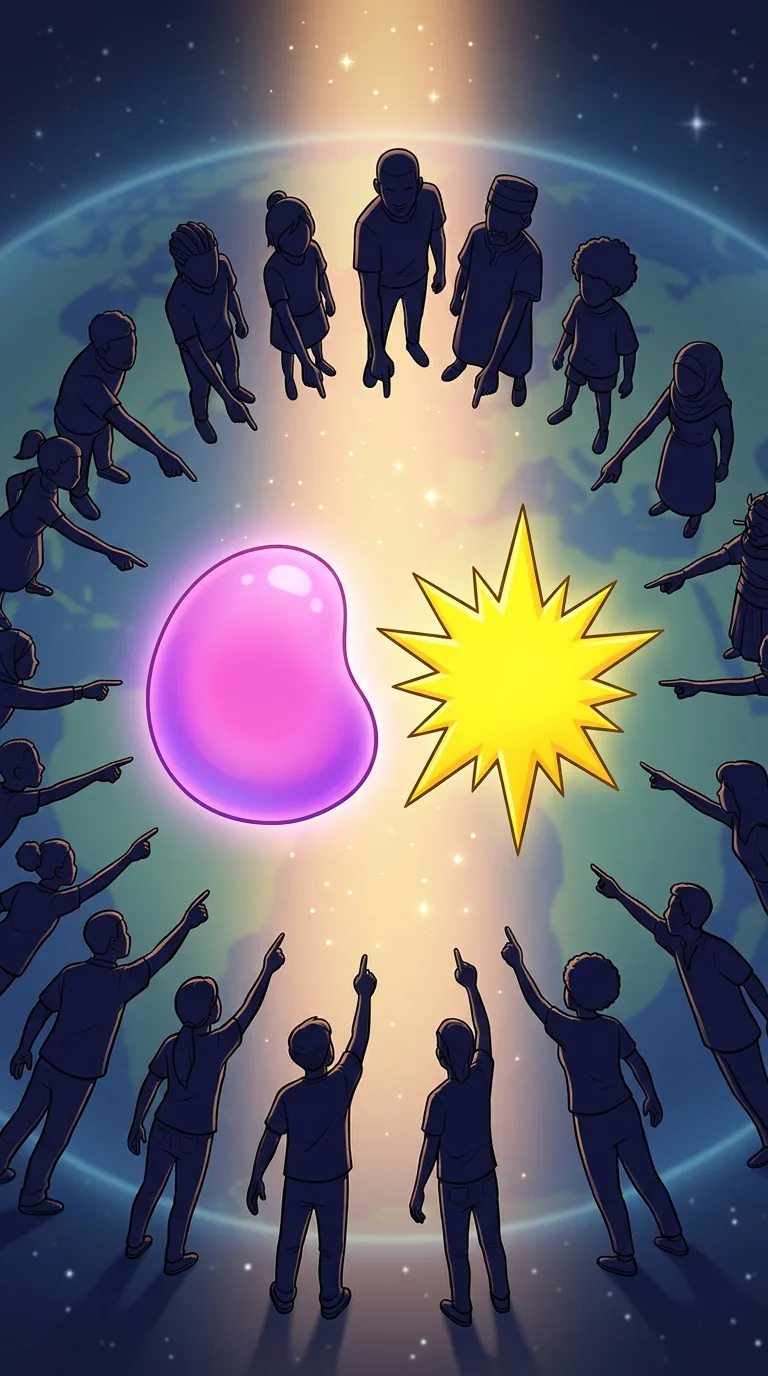
Rounded blob = bouba, spiky = kiki. The cross-cultural agreement points to a shared sensory link between sound and shape — language might not be as arbitrary as taught.

Kahneman's peak-end rule: a colonoscopy ending gently was remembered better than a shorter one ending sharply, even though total pain was higher. Final 30 seconds dominate memory.

Reaction time and judgment after 17 awake hours match a 0.05% blood alcohol level. By 24 hours you're functionally drunk — yet driving sleepy is legal in most countries.