NOW WATCHING

Technology · Facts

Switch
153Share
Technology

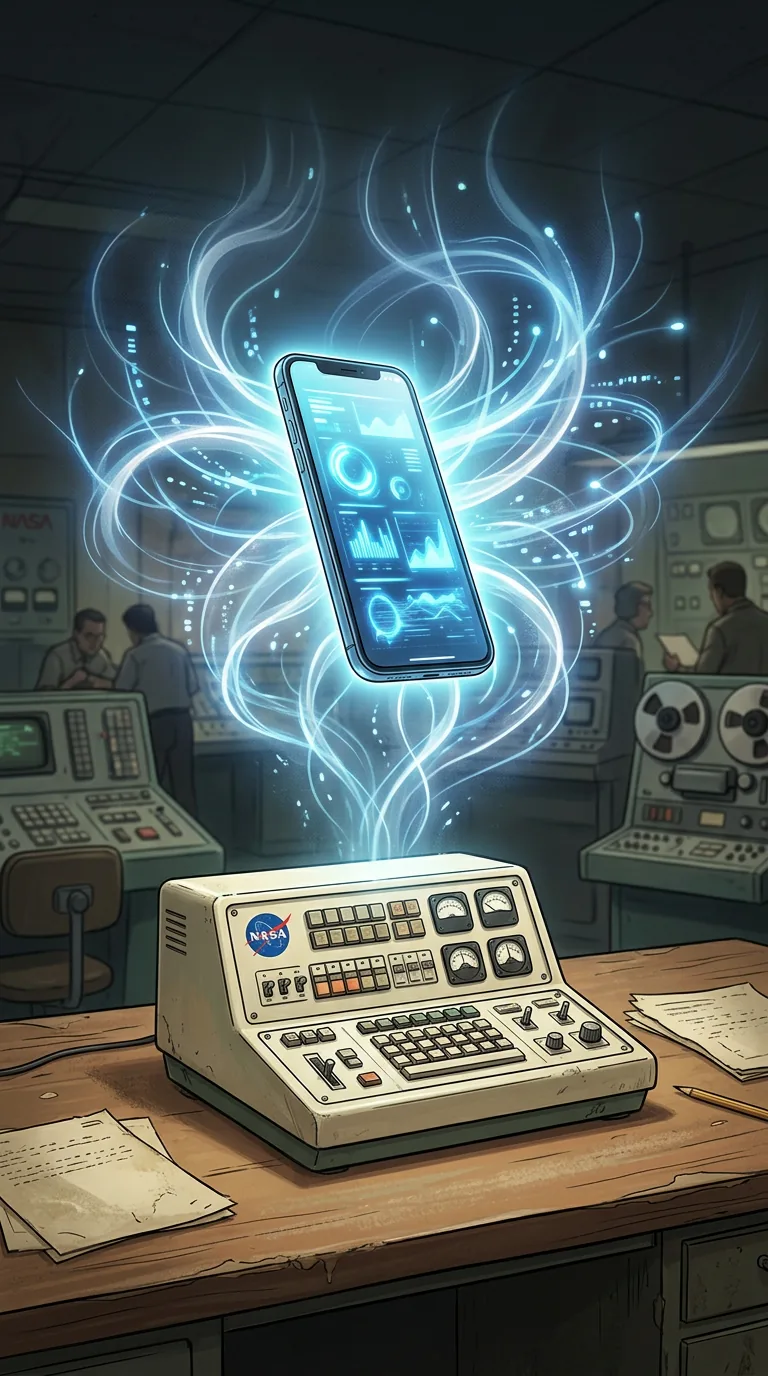
Your smartphone has more computing power than NASA used to land on the Moon.

The Apollo Guidance Computer ran at 0.043 MHz with 64KB of memory. A modern smartphone is roughly a hundred million times more powerful — and we use it for cat videos.

Swipe up or down to explore more
290Share
Technology

Most of the internet's traffic isn't humans — it's bots talking to bots.

Industry reports estimate over 50% of web traffic is automated: crawlers, scrapers, attacks and APIs. The 'human web' is a minority of what flows through cables.

4kShare
Technology

Turning Wi-Fi off when out of range saves more battery than dimming the screen.

Phones constantly scan for networks. Disabling Wi-Fi and Bluetooth when out of range cuts background drain more than people realise.

910Share
Technology

The QWERTY keyboard was designed to slow you down — on purpose.

Early typewriter keys jammed when adjacent letters were struck fast. QWERTY scatters common pairs. Faster layouts exist (Dvorak, Colemak) but inertia keeps QWERTY king.

158Share
Technology

Every photo you take stores GPS, device ID and time — even when you don't share them.

EXIF metadata embeds far more than the image. Most platforms strip it on upload — but the raw file you sent in a chat probably still has your home pinned.

277Share
Technology

The first computer bug was a real moth taped into a logbook.

In 1947 Grace Hopper's team at Harvard pulled a moth from a Mark II relay and wrote "first actual case of bug being found." The insect is still in the Smithsonian.

153Share
Technology

Google processes about 99,000 search queries every second.

That's roughly 8.5 billion searches a day. The entire internet of 1995 had fewer total pages than Google now indexes in a single hour.

1kShare
Technology

One Bitcoin transaction burns the electricity of a US household for a month.

The Bitcoin network uses ~150 TWh per year — more than Argentina. A single payment averages 700 kWh, same as 1.5 million Visa swipes.

3.1kShare
Technology

YouTube gets 500 hours of new video every minute.

You'd need 82 years of nonstop watching to see one day of uploads. The platform stores more video each week than every TV network produced in the 20th century combined.

4.8kShare
Technology

The world's fastest supercomputer does 1.1 quintillion operations per second.

Frontier at Oak Ridge needs 21 MW — power for 17,000 homes — to hit 1.1 exaflops. Your phone hits a teraflop on 5 W.

3.8kShare
Technology

The "cloud" is actually 8,000+ physical warehouses burning 2% of global electricity.

Datacenters consume more power than the entire UK. A single hyperscale facility can draw as much as a small city, mostly for cooling.

3.6kShare
Technology

A modern webpage is 80 times heavier than one from 2010.

The median page is now 2.3 MB versus ~30 KB fifteen years ago. Most of the weight is JavaScript and tracking scripts, not the actual content you came to read.

153Share
Technology

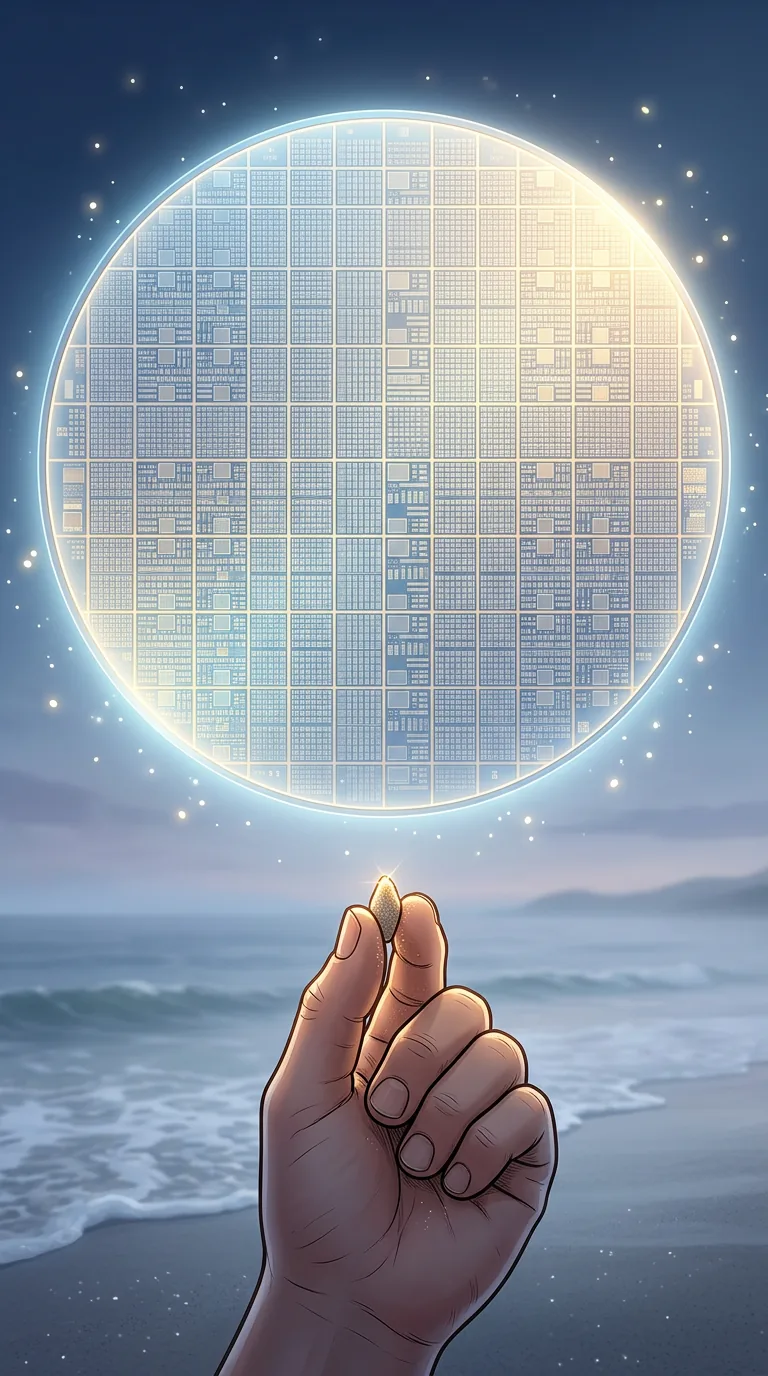
Humans make more transistors per year than there are grains of sand on Earth.

The chip industry ships roughly 13 sextillion transistors annually. Beach sand worldwide is estimated at about 7.5 quintillion grains.

3.2kShare
Technology

Every "select all traffic lights" CAPTCHA trains Google's self-driving cars.

reCAPTCHA crowdsources image labels at scale — billions of users have annotated street signs, crosswalks and bicycles to teach Waymo what to see.

2.1kShare
Technology

WhatsApp ran 1 billion users on 50 engineers — the leanest infra in tech.

At acquisition WhatsApp had 32 engineers serving 450M users. Today's tiny team still handles 100B+ messages daily on Erlang servers most companies would need 10x to match.

3.4kShare
Technology

Stock traders pay millions for 1 millisecond of fiber-optic shortcut.

HFT firms built private cables between Chicago and New York to save 3 ms. One firm spent $300M on a microwave tower link — for an edge invisible to humans.

3kShare
Technology

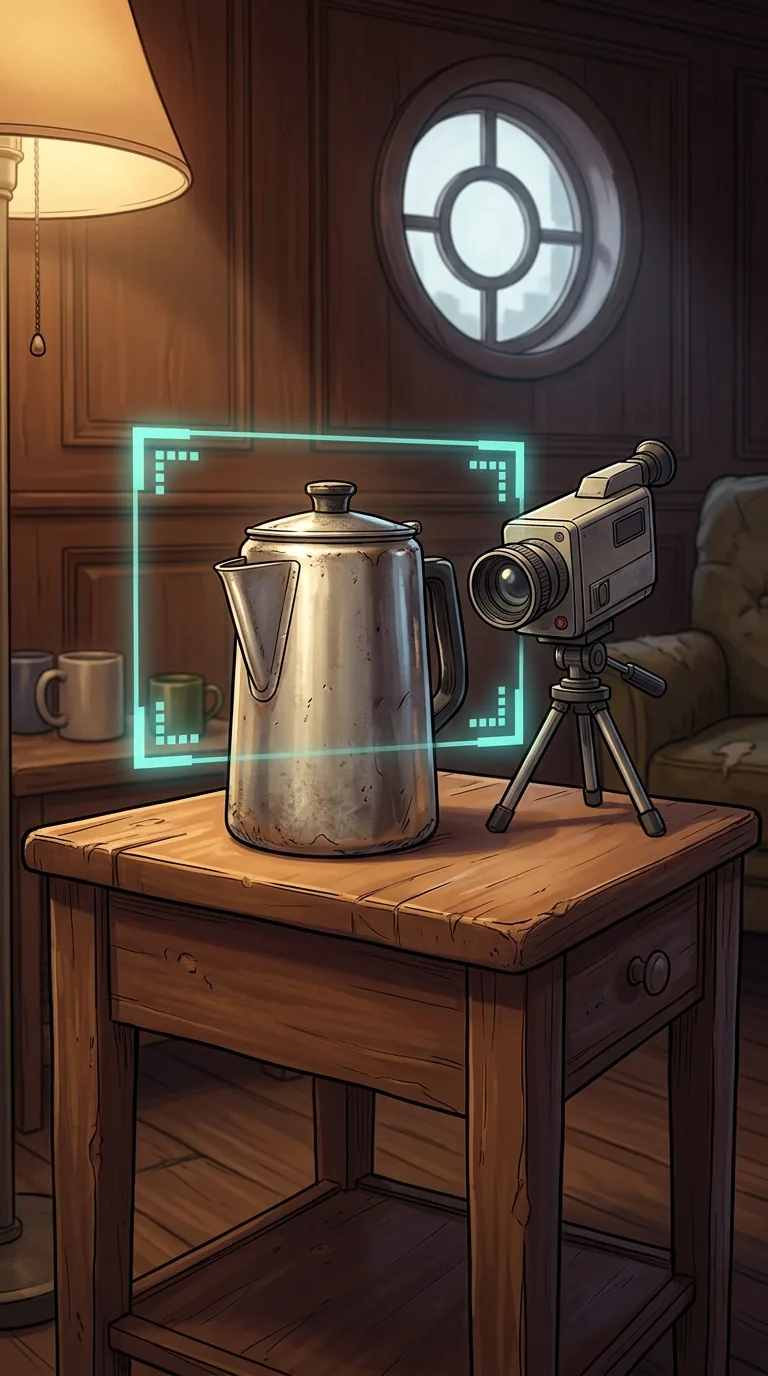
The first webcam watched a coffee pot for ten years.

Cambridge researchers in 1991 pointed a camera at their break-room coffee maker so colleagues could check if it was full. It became the first live-streamed object on the web.

380Share
Technology

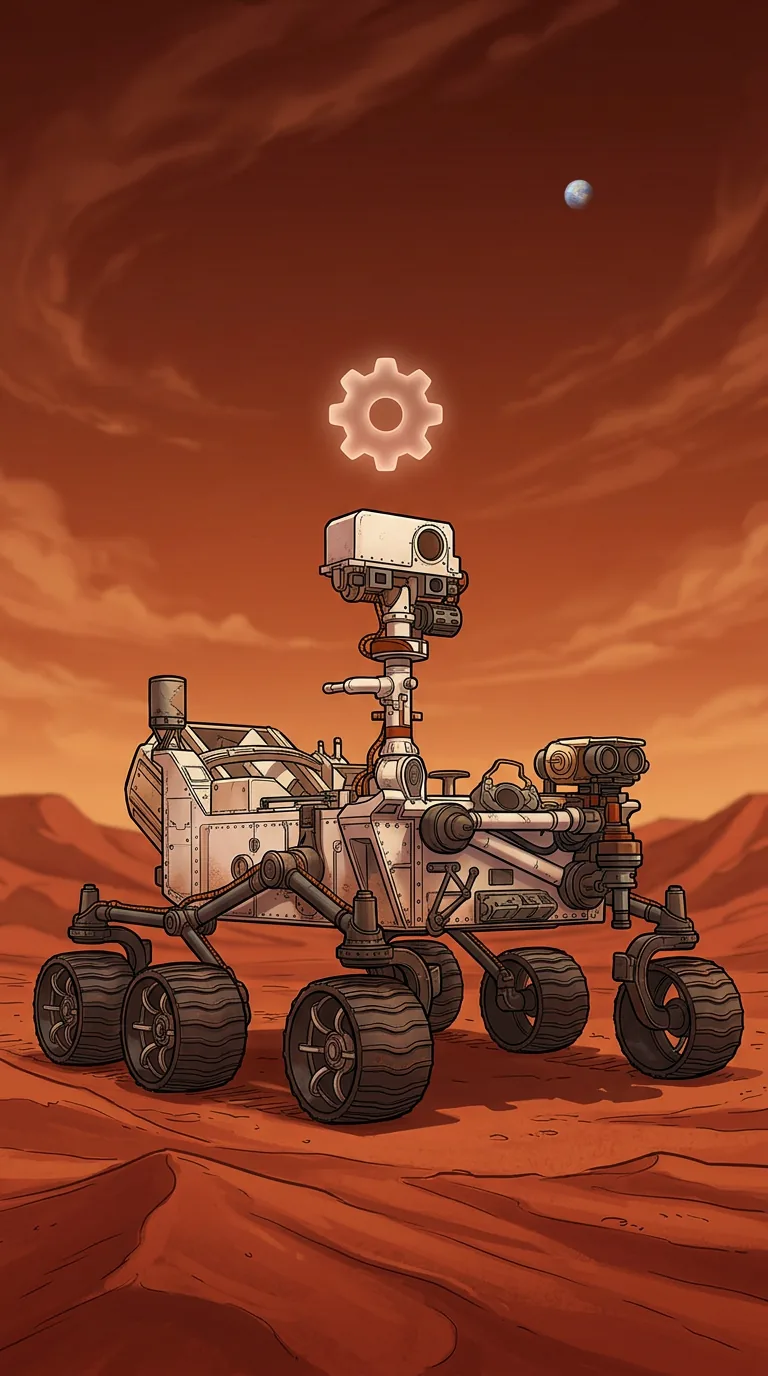
The Mars Curiosity rover runs on a 200 MHz CPU from 1997.

Its RAD750 processor is slower than a first-gen iMac and has 256 MB of RAM. Space hardware trades speed for radiation tolerance — your phone would brick in orbit.

253Share
Technology

Python is named after Monty Python, not the snake.

Guido van Rossum was reading "Flying Circus" scripts while building the language in 1989. The official tutorials still hide references to spam, knights and the Spanish Inquisition.

1.6kShare
Technology

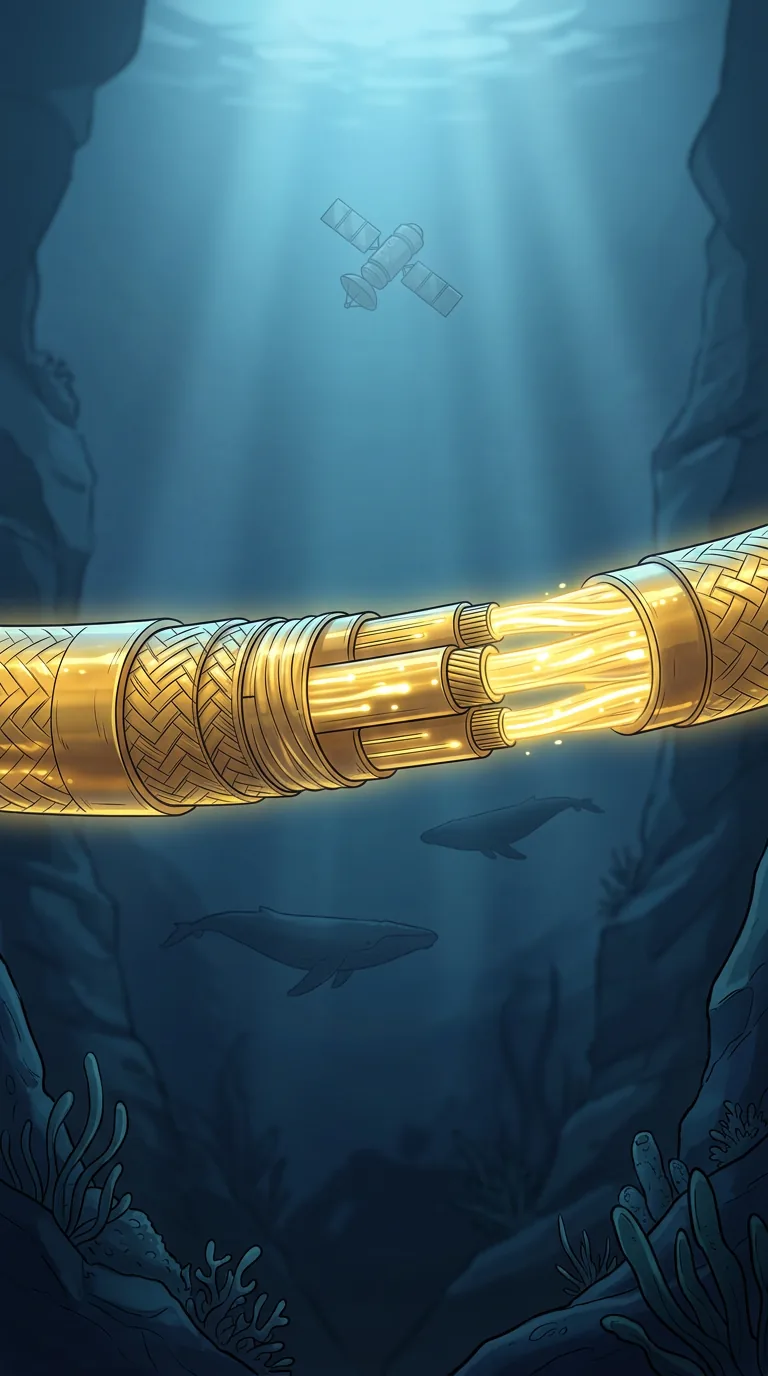
99% of intercontinental internet runs through cables on the ocean floor.

About 1.4 million km of submarine fiber-optic cable carry nearly all transoceanic data. Satellites handle a tiny fraction; sharks have been documented biting the cables.

1kShare
Technology

NASA still talks to Voyager 1 using 1970s code and 70 KB of memory.

Launched in 1977, Voyager is 24 billion km away. A radio signal takes 22 hours one-way. Engineers patched its software remotely in 2024 — the ultimate legacy maintenance.

275Share
Technology

Email is 54 years old and the @ symbol was almost forgotten.

Ray Tomlinson sent the first networked email in 1971. He picked @ because no name used it. The first message was probably "QWERTYUIOP" — he doesn't remember exactly.

2.9kShare
Technology

The average smartphone gets dropped 7 times a year.

Manufacturers now design glass to survive 1.2-meter drops onto concrete. Gorilla Glass Victus is tested by literally throwing phones at sandpaper for hours.

350Share
Technology

Your SSD will physically wear out — each cell only survives 3,000 writes.

Flash memory degrades with every write cycle. Drives use wear-leveling algorithms to spread damage, but a typical consumer SSD has a ~5–10 year hardware lifespan.

150Share
Technology

Linux runs 96% of the world's top servers — written by 15,000 volunteers.

The kernel has 35 million lines of code, contributed by people who've never met. Microsoft, Google and Amazon are now among the top corporate contributors to their old competitor.