NOW WATCHING

Voice Training · Facts

Switch
880Share
Voice Training

You don't recognise your own voice on recordings — and there's a physical reason.

When you speak, sound reaches your ears through bone conduction, adding low frequencies. Recordings only capture the air-conducted version — the voice everyone else hears.


Swipe up or down to explore more
280Share
Voice Training

A lower-pitched voice is rated as more competent — even when saying the same words.

Politicians and CEOs are statistically more likely to have lower voices. Voters and hiring panels equate pitch with authority, even when the data says otherwise.

4.4kShare
Voice Training

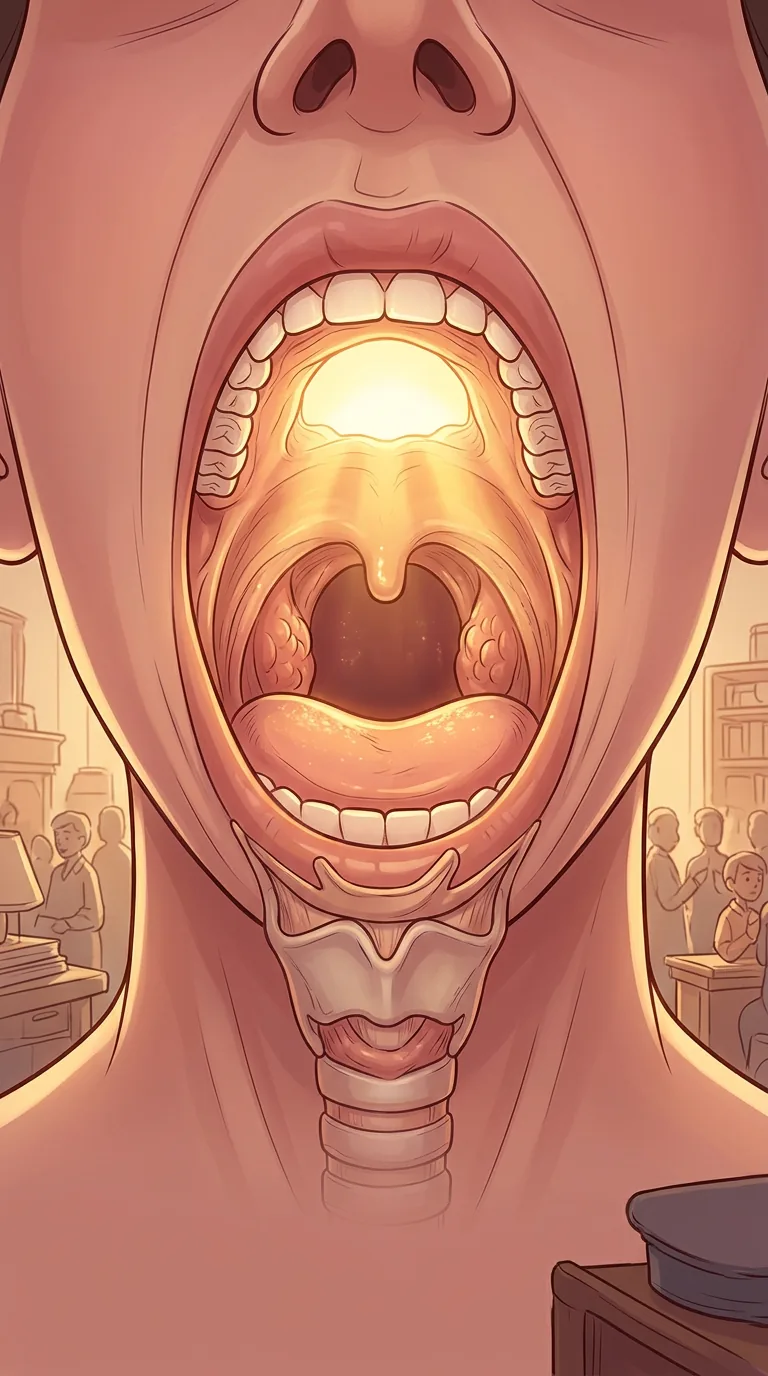
Yawning before speaking is the fastest way to relax your voice.

A real yawn opens the soft palate, drops the larynx and stretches the vocal tract — exactly the position singers spend years training. One yawn beats most warm-up drills.

193Share
Voice Training

Whispering damages your vocal cords more than shouting.

Whispering forces the vocal folds together without proper airflow, creating friction and strain. Surgeons advise resting silently — not whispering — after vocal injury.

150Share
Voice Training

Caffeine and dairy don't actually 'coat' your throat — the muffled feeling is in your head.

Acoustic studies show no measurable change in vocal output from milk or coffee. The 'phlegmy' sensation is real, but the muffled sound is mostly placebo.

760Share
Voice Training

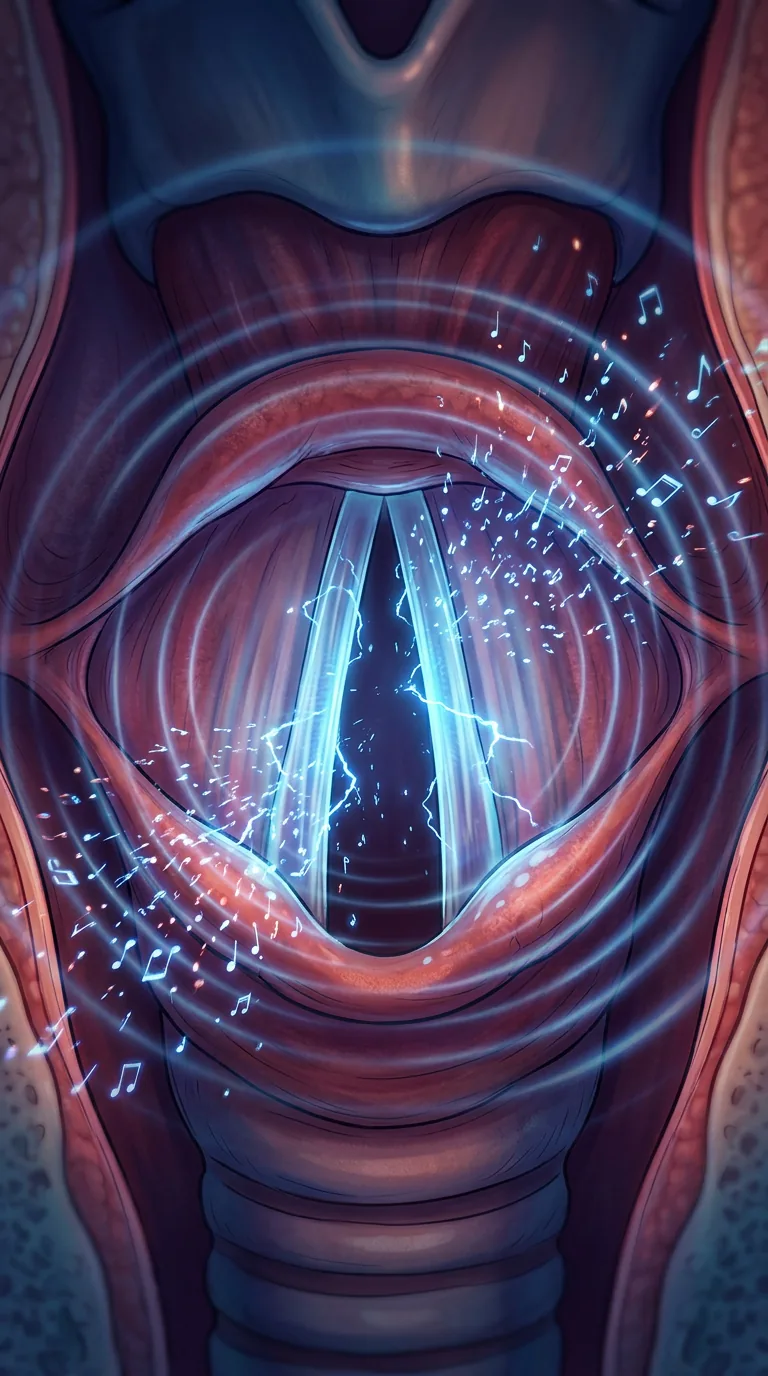
Your vocal folds vibrate 100–300 times a second just in normal speech.

In conversation the folds open and close roughly 100–300 times per second; an operatic high C pushes that toward 1,000 — astonishing wear for such a tiny muscle pair.

420Share
Voice Training

Singing in the shower really does sound better — bathroom physics.

Tiled walls add half a second of natural reverb that smooths timing slips and masks small pitch errors, basically free auto-tune for the morning singer.

580Share
Voice Training

Slouching raises your pitch by about 10–15 Hz on average.

A collapsed chest shortens the vocal tract and tightens the larynx; standing tall instantly drops your voice into a deeper, more grounded register with zero training.

640Share
Voice Training

Water takes about four hours to actually reach your vocal folds.

Sipping mid-speech soothes the throat but doesn't hydrate the cords in time — speakers and singers drink heavily the morning before, not five minutes before.

1.3kShare
Voice Training

Lip trills warm up vocal cords faster than any scale or hum.

Thirty seconds of 'motorboat' lips balance airflow and fold tension at once, doing more in half a minute than 10 minutes of traditional warm-up drills.

162Share
Voice Training

Smoking ages a voice acoustically by about ten years.

Long-term smokers' fundamental frequency drops and breathiness rises; voice-analysis software can routinely place a heavy smoker's voice a decade older than their actual age.

1.6kShare
Voice Training

Crying can raise your speaking pitch by up to a full octave for hours.

Tears swell the vocal folds and tighten the larynx; right after a hard cry, voices commonly jump 6–12 semitones higher and stay there for several hours.

3.5kShare
Voice Training

Babies' first cries follow the melody of their mother's language.

Studies of newborns found French babies cry with rising melodies and German babies with falling ones — they've learned native intonation in the womb before day three.

360Share
Voice Training

Hearing your own voice on a 200 ms delay makes almost anyone stutter.

Delayed auditory feedback breaks the speech feedback loop; the same trick reversed is now used in therapy to help chronic stutterers speak fluently.

209Share
Voice Training

Reading aloud locks information into memory about 10% better.

Psychologists call it the 'production effect': hearing yourself say a word leaves a richer trace than silent reading — a free study hack most learners never use.

4kShare
Voice Training

A single cough sends ~300 km/h winds through your vocal folds.

Air explodes out of the airway at hurricane speeds to clear it; repeated heavy coughing is one of the fastest ways to cause vocal-fold trauma and lose your voice.

1.6kShare
Voice Training

Vocal 'fry' — that creaky low rumble — has roughly tripled since 2000.

Acoustic surveys of young US women show fry-register use rising sharply over two decades; whether it's a fashion or a cultural marker is still hotly debated.

249Share
Voice Training

Honey doesn't reach your vocal cords — it works by making you salivate.

There's no swallow path from throat to the closed cords. Honey's sweetness simply triggers extra saliva, lubricating the mouth and pharynx around them instead.

1.1kShare
Voice Training

Your voice is measurably deeper for about an hour after waking.

Lying flat lets fluid pool in the vocal folds, swelling them slightly; that overnight thickness gives most people a temporary morning baritone before it drains away.

272Share
Voice Training

Vibrato sounds natural at 5–7 oscillations per second — not faster.

Below 4 Hz it sounds wobbly and shaky; above 8 Hz it reads as nervous trembling. Trained singers spend years dialing their vibrato into that narrow sweet spot.

600Share
Voice Training

Your tongue shapes your voice's timbre more than your vocal cords do.

The pharynx and tongue act as the loudspeaker; the cords just buzz. Tiny tongue shifts swing brightness, warmth and accent without changing pitch at all.

2.1kShare
Voice Training

Adult language learners keep accents because tongue muscles set near puberty.

By roughly age 12 the fine-motor map of the tongue locks to native sounds; new languages can be learned forever, but pronouncing them like a native gets dramatically harder.

370Share
Voice Training

Speaking AT a crowd strains your voice three times faster than speaking WITH them.

Imagined intimacy lowers laryngeal tension and lets resonance do the work; addressing 'one friend in the back row' protects the voice far longer than projecting outward.

310Share
Voice Training

Teen boys' voices crack because the larynx grows about 1.4× in months.

During male puberty the voice box enlarges fast and vocal folds lengthen unevenly, causing pitch to flip between old and new ranges until coordination catches up.

2.2kShare
Voice Training

You physically can't tickle your own throat — the brain blocks it.

The cerebellum subtracts self-generated touch from sensation, the same trick that stops you tickling yourself. It's also why your own voice never startles you.