
LESSON 5 · Art of the Ancient World
A Shared Blueprint
The grid did more than fix proportions — it let any workshop reproduce the same figure. The hairline, shoulders, waist, and knees all fell on set grid lines (the canon later shifted to 21 squares). Because every artist followed the same template, a statue carved in 2500 BCE looks strikingly like one from 500 BCE. Continuity, not personal style, was the point.
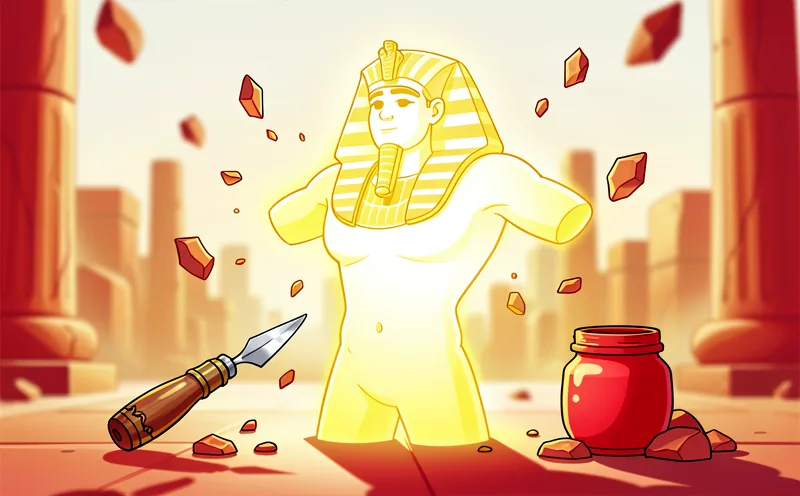
This rigid template carried a message. Pharaohs were shown ageless and idealized — broad-shouldered, athletic, forever in their prime — because the image was meant to project eternal, godlike authority rather than capture a real face.