
LESSON 2 · From Excess to Order: Rococo & Neoclassicism
Back to Order
By the 1760s, Neoclassicism had emerged as a deliberate rejection of Rococo excess. Inspired by the excavations of Herculaneum (begun 1738) and Pompeii (begun 1748), artists and architects returned to Greek and Roman models. Clean lines replaced curves. Moral seriousness replaced frivolity. Art was supposed to teach virtue, not just provide pleasure.
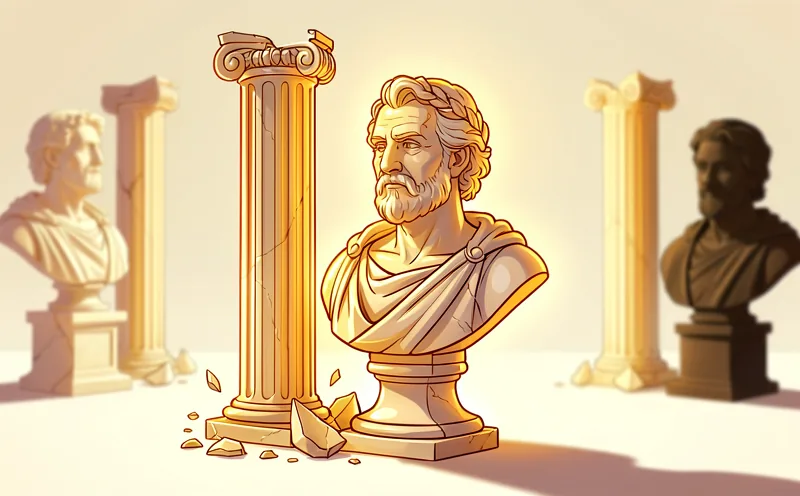
Johann Joachim Winckelmann — the same scholar who promoted the white-marble myth — argued that Greek art embodied "noble simplicity and quiet grandeur." His writings gave Neoclassicism its intellectual framework: true beauty was rational, universal, and eternal, not emotional and decorative.